Florida Deer Reporting Requirements
Alright, fellow Florida hunters, let's talk deer reporting. It's one of those essential tasks that sometimes feels like a bureaucratic hurdle after the excitement of a successful hunt, and many folks get bogged down trying to figure out if, when, and how they actually need to report their deer. Trust me, you're not alone in feeling a bit confused with all the nuances. This guide is here to untangle the Florida Fish and Wildlife Conservation Commission (FWC) deer reporting requirements, making sure you know exactly what to do when you tag that buck or doe, keeping you on the right side of the law and contributing to the bigger picture of wildlife conservation.
Why Florida Requires Deer Reporting
It might seem like just another piece of paperwork, but deer reporting isn't about making your life harder. It's actually a cornerstone of sound wildlife management, providing critical data that helps keep Florida's deer population healthy and our hunting seasons sustainable for generations to come. Without accurate reporting from hunters like us, the FWC would essentially be flying blind.
Wildlife Management Insights
Every deer reported, whether it's a small spike or a mature trophy buck, contributes a vital data point to the FWC's overall understanding of the state's deer herd. These individual reports accumulate into a massive dataset that allows biologists to analyze harvest success rates, track trends in deer health, and even gauge the impacts of environmental changes or specific management strategies. Think of yourself as an essential field researcher, submitting your findings directly to the folks who make the big decisions about our hunting future.
This granular data, collected from thousands of hunters across the state, helps the FWC identify areas where deer populations might be struggling or thriving. For instance, if reports from a particular Wildlife Management Area (WMA) show a consistent decline in harvest numbers or an unusual number of younger deer being taken, it might signal an issue that needs investigation. Perhaps habitat improvements are needed, or localized regulations might need adjusting to balance the herd. It’s all about maintaining that delicate ecological balance.
Understanding Deer Populations and Harvest Trends
The more deer that are reported, the clearer the picture becomes of Florida's overall deer population. This isn't just about counting numbers; it's about understanding the health, age structure, and reproductive success of the herd. When you report your deer, you provide information like the sex of the animal, whether it was antlered or antlerless, and the specific date and location of the harvest. This data helps FWC biologists track population densities across different regions, allowing them to see how deer numbers fluctuate year to year.
These trends are absolutely crucial for setting appropriate hunting seasons and bag limits. If the FWC sees a consistent increase in antlerless deer harvests in one of the zones, they might adjust the antlerless days for the following season to ensure enough does are left to support reproduction. Conversely, if bucks harvested in a certain area are consistently younger and smaller, it could indicate too much pressure on the male segment of the population, leading to discussions about antler point restrictions or other management tools. It’s a dynamic process, and your report is a piece of that puzzle. This data is part of what goes into official statistics like the statewide Florida Annual Deer Harvest figures.
Who Needs to Report a Deer Harvest in Florida
This is where some of the confusion often creeps in. Historically, reporting requirements have varied, and some hunters might remember times when it was only mandatory for certain areas or specific types of hunts. However, the current FWC regulations are quite clear: if you harvest a deer in Florida, you are responsible for reporting it. Period.
All Deer Harvests on Private Land
Yes, even if you’re hunting on your own back forty or a private lease, every deer you take needs to be reported. Many private land hunters, especially those who’ve been doing it for decades, might think this doesn't apply to them, but it absolutely does. The FWC made this a universal requirement to ensure they get the most comprehensive data possible from all parts of the state. It doesn’t matter if it’s a tiny button buck or a Boone and Crockett contender, if it goes in your cooler, it needs to be reported.
The reporting window for deer harvested on private land is generous, but it's important not to procrastinate. You generally have up to 24 hours after the harvest to submit your report. This flexibility acknowledges that hunters might be deep in the woods or not have immediate cell service, but it also means you shouldn't just put it off indefinitely. Get it done as soon as you have the opportunity. This is a significant shift for some, as private land reporting was once voluntary, but it’s now a mandatory part of being a responsible hunter in Florida.
Hunters with Public Land Quota Permits
If you're lucky enough to draw a quota permit for a Florida Wildlife Management Area (WMA), the reporting requirements are usually much more stringent, and often include a shorter deadline or specific check station procedures. For most WMA hunts, you're required to report your deer before you leave the WMA, often at a designated check station or through the FWC's online or app-based system. These rules are usually clearly outlined in your WMA hunt brochure or on the permit itself.
The reason for the stricter WMA reporting is simple: WMAs are intensively managed public lands, and the FWC needs real-time data to monitor harvest pressure, ensure quotas aren't exceeded, and make on-the-spot management decisions. If you harvest a deer on a WMA, always read your specific hunt instructions carefully. Some WMAs, especially those with limited access points or staffed check stations, might even require you to physically bring your deer to the station. Others might allow you to report electronically. Missing this deadline or procedure on a WMA could lead to fines or permit revocation, so it's not something to take lightly.
How to Report Your Florida Deer Harvest
Thankfully, the FWC has streamlined the reporting process, offering several convenient ways to get your harvest recorded. No more needing to mail in a postcard or track down a physical reporting station in the middle of nowhere, unless your WMA specifically requires it.
Using the FWC Mobile App
For most hunters, the FWC Fish|Hunt Florida mobile app is by far the easiest and quickest way to report a deer. This app, available for both iOS and Android devices, lets you submit your harvest information right from your phone, even if you don't have cell service at the exact moment of harvest. The app stores the data and uploads it once you're back in range. It’s incredibly handy, especially if you're frequently Scouting With the Florida FWC App already.
To report via the app, you'll simply log in using your FWC customer ID. There's a clear "Harvest Reporting" section where you can select the species (deer), input the date, time, county, management unit (if applicable), and specific details about the deer itself. The app often uses your phone's GPS to help pinpoint the location, which is a huge plus for accuracy. It's a quick, intuitive process, and you'll receive a confirmation number once your report is submitted. This digital method for Reporting a Deer Through Florida's App has truly modernized the process.
Reporting Online Through the FWC Website
If you prefer using a computer or don't have the app, you can also report your deer harvest directly on the FWC's website. The online portal is just as straightforward as the app, requiring you to log in with your customer ID and follow the prompts. You’ll navigate to the "Harvest Reporting" section and fill out the same essential information as you would on the app.
This is a great option if you're back at camp or home and have reliable internet access. It ensures that even if your phone battery dies or you're not keen on using apps, you still have a convenient digital method to fulfill your reporting obligation. Just remember that the 24-hour window for private land harvests still applies, so don't wait too long to get to a computer.
Reporting by Phone
For those who prefer a more traditional approach or encounter technical difficulties with the app or website, the FWC also offers a phone reporting option. You can call a designated FWC number (usually found on your hunting license or the FWC website) to report your harvest to an agent. This method ensures that everyone, regardless of tech-savviness or connectivity, can comply with the regulations.
While it might take a little longer than using the app or website, calling in guarantees that your harvest is recorded accurately by a live person. Make sure you have all your license information and harvest details ready before you call to make the process as smooth as possible. Having this option provides a crucial backup for hunters who might be in areas with spotty internet or cellular service.
Key Information You'll Need for Reporting
To make your reporting process as quick and painless as possible, it’s best to have all the necessary information at your fingertips before you start. Gathering these details beforehand will save you time and prevent frustrating backtracking.
Hunter and License Details
The first and most obvious piece of information you'll need is your hunter identification. This typically includes your FWC customer ID, which is printed on your hunting license. You'll also need to confirm the type of license you hold. This ensures the harvest is correctly attributed to you and validated against your active hunting privileges.
It's a good habit to keep your hunting license or a photo of it accessible, perhaps stored on a mobile app or a laminated card, along with your other tags and permits. While platforms like GoHunt can help you keep track of regulations and even some license details, the official FWC app or physical license is where you'll find your customer ID. Having these details handy means you won't be fumbling around in your pack or truck when you're trying to quickly report a deer before heading out of the woods.
Harvest Location and Date Specifics
Accuracy in location and timing is paramount. You'll need to provide the exact date and approximate time of the harvest. For the location, you'll typically need to select the county where the deer was taken. If you're on a WMA, you'll also need to specify the WMA name. For private land, the county is generally sufficient.
The FWC app is particularly helpful here as it can often use your phone’s GPS to auto-populate the location data, ensuring a high degree of precision. If you’re using the website or calling in, it’s a good idea to mark the spot on a map or your GPS device before you leave the field. Tools like GoHunt are excellent for this, allowing you to mark waypoints precisely where your deer went down, making it easy to recall the exact coordinates or WMA unit later for reporting. The more accurate your location, the more valuable the data is for regional wildlife management.
Deer Characteristics (Sex, Antler Points)
Beyond who, when, and where, the FWC needs to know what you harvested. This includes the sex of the deer (buck or doe). If it's an antlered deer, you'll need to count and report the number of antler points. Remember, typically a "point" is defined as an antler projection at least one inch long. For many Florida zones, there are minimum antler point restrictions, so accurately counting points is a skill every hunter needs to master.
For antlerless deer, simply reporting it as a "doe" or "antlerless deer" is sufficient. The age class (adult or fawn) is also sometimes requested, which is a great opportunity to contribute more detailed data. This information helps the FWC monitor herd health and population structure. For example, knowing the ratio of antlered to antlerless deer taken in specific areas helps them assess reproductive success and overall herd balance, which informs decisions about Why Florida's Deer Seasons Vary So Much by Zone.
Here’s a quick summary table of what you’ll typically need:
| Information Category | Specific Details Required | Notes |
|---|---|---|
| Hunter Identity | FWC Customer ID, First Name, Last Name | Found on your hunting license or FWC profile. |
| License Type | Relevant Florida Deer/Hunting License | Ensures compliance with permit/license rules. |
| Harvest Date/Time | Month, Day, Year, Approximate Time of Harvest | Essential for tracking seasonal harvest patterns. |
| Harvest Location | County, WMA Name (if applicable), Management Unit (if known) | GPS coordinates are helpful but not always explicitly required for input. |
| Deer Sex | Antlered Buck, Antlerless Deer | Critical for population modeling and buck-to-doe ratios. |
| Antler Points | Total number of points (for antlered bucks) | Helps monitor buck age structure and antler development. |
| Weapon Used | (Often Optional) Archery, Muzzleloader, Rifle, Shotgun, etc. | Provides insight into weapon effectiveness and hunter effort. |
Common Reporting Mistakes and How to Avoid Them
It's easy to make mistakes, especially when you're excited from a successful hunt or tired from a long day in the woods. But avoiding these common pitfalls is crucial to staying compliant and ensuring your valuable data is accurately recorded.
Forgetting to Report in Time
This is probably the most frequent mistake. You get back to camp, celebrate the harvest, start field dressing, and before you know it, 24 hours have passed for your private land deer, or you’ve driven off the WMA without checking out. The excitement and exhaustion of hunting can make you forget, but ignorance is no excuse in the eyes of the law. While the "deadline" for private land isn't as rigid as a WMA's exit requirement, it's still a mandatory report within 24 hours.
To avoid this, make reporting part of your post-harvest routine. As soon as the deer is secured and you have a moment, pull out your phone and use the FWC app. If you're on a WMA, make a mental note, or even a literal note on your hand, to report at the check station or via the app before you drive out. Some hunters even set a reminder on their phone for "Florida Deer Reporting Deadline" to ensure they don't miss the window. Prioritize it right after ensuring the deer is properly tagged and cared for.
Incorrect Data Entry
Another common issue is submitting incorrect information. This can happen if you're rushing, misremember a detail, or accidentally hit the wrong button on the app. Maybe you chose the wrong county, miscounted antler points, or accidentally reported a buck as a doe. While it might seem minor, these inaccuracies can skew the FWC's data, leading to a less clear picture of the herd and potentially misinformed management decisions.
To prevent this, double-check all your entries before submitting. Take an extra minute to confirm the county, the number of points, and the sex of the deer. If you're physically at a WMA check station, confirm with the attendant that they've recorded everything correctly. If you realize you've made a mistake after submitting, contact the FWC immediately. They can often correct errors, but it's much easier to get it right the first time.
Misunderstanding Zone Specifics
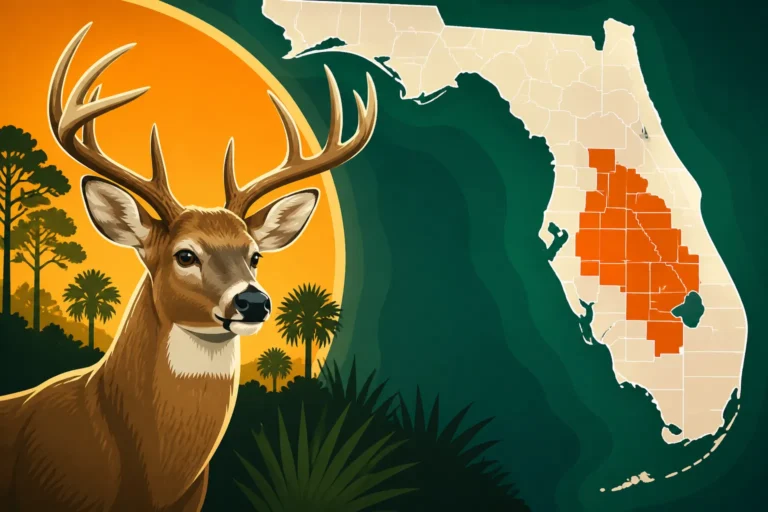
Florida's deer management is divided into four distinct zones (A, B, C, D), and understanding which zone you're hunting in is crucial for accurate reporting and compliance. Each zone has different season dates, and sometimes, even different rules regarding antlerless harvests or legal weapons. Reporting your deer in the wrong zone can mess up the FWC's regional data and even lead to questions about your hunt's legality. For a deeper dive, check out Which Zone Covers Your Florida County.
Before you head out, make sure you know exactly which zone you'll be hunting in. Many hunters use mapping applications, like those found on GoHunt, which often have FWC zone boundaries overlaid, making it incredibly easy to verify your location. If you're unsure, consult the FWC website or the current year's hunting regulations booklet. Don't rely on guesswork – an accurate understanding of the zones ensures your report is geographically correct and helps the FWC manage each specific region effectively.
The Impact of Accurate Deer Reporting on Florida Hunting
Reporting your deer harvest isn't just about following rules; it's about being an active participant in the future of Florida hunting. The data you provide has real-world consequences, shaping the regulations and opportunities we all enjoy.
Informing Season Dates and Bag Limits
The FWC uses aggregated harvest data as a primary tool to set future season dates and bag limits. If reporting shows a healthy, growing deer population in a particular zone, the FWC might consider expanding antlerless days or extending a season. Conversely, if harvest data indicates a decline or an imbalance, they might implement stricter regulations to help the herd recover. It’s a direct feedback loop: your report today influences hunting opportunities tomorrow.
This goes beyond just deer. The principles of wildlife management that rely on harvest data extend to other species as well. Knowing How FWC Counts the Florida Deer Herd and uses that data is crucial for understanding why we have the regulations we do. Every accurate report helps fine-tune these regulations, preventing overharvest in some areas while allowing for more generous opportunities in others, ultimately aiming for sustainable, high-quality hunting across the state.
CWD Monitoring and Disease Prevention
While Florida has generally maintained a healthy deer herd, the threat of Chronic Wasting Disease (CWD) is a very real concern across North America. Florida's Single Confirmed CWD Case in Holmes County highlighted the importance of robust monitoring. Deer reporting plays a vital role in the FWC's disease surveillance efforts. By collecting data on every harvested deer, biologists can track any unusual trends in health or mortality that might suggest the presence of CWD or other diseases.
Even if you're not in a CWD surveillance zone, your report contributes to the overall health picture of the state's deer. Should a CWD case emerge in a new area, the FWC relies on hunters reporting their harvests to understand deer distribution and potential disease spread. This isn't just about compliance; it's about protecting the long-term health of our deer resource for all hunters. Accurate reporting is a critical line of defense in maintaining a healthy, sustainable deer population for years to come.
Disclaimer
The information provided in this guide is for general informational purposes only and is subject to change. Hunting regulations, license requirements, and reporting procedures can be updated by the Florida Fish and Wildlife Conservation Commission (FWC) at any time. It is the individual hunter's responsibility to review and comply with all current FWC regulations and statutes before engaging in any hunting activities. Always consult the official FWC website or the latest hunting regulations handbook for the most accurate and up-to-date information.