CWD Testing for Florida Hunters
It's an unsettling feeling, isn't it? The thought that a disease could silently impact the deer we pursue, affecting not just the herd's health but potentially the safety of the meat we bring home to our families. Chronic Wasting Disease (CWD) is a serious concern, and understanding how Florida is addressing it, particularly through hunter-supported testing, is absolutely vital for every hunter. This guide is here to walk you through everything you need to know about CWD testing for Florida hunters, from why it matters to how you can actively participate in safeguarding our deer population.
Understanding Chronic Wasting Disease in Deer
Chronic Wasting Disease (CWD) is one of those topics that can quickly bring a somber tone to any conversation around a deer camp fire. It's a neurological disease that affects cervids, which include deer, elk, and moose, and it’s always fatal. For hunters, it's not just a biological curiosity; it's a real threat to the future of our hunting heritage and the health of the game we love.
The Nature of the Disease
CWD is caused by abnormal proteins called prions, similar to Mad Cow Disease in cattle. These prions accumulate in the brain and spinal cord, slowly eating away at the animal's neurological tissue. It’s a slow-acting killer, often taking months or even years for symptoms to become evident, which is part of what makes it so insidious. Infected animals can shed these prions through saliva, urine, and feces, contaminating the environment for years, even after the animal is long gone. This means that once CWD takes root in an area, it's incredibly difficult to eradicate, making prevention and early detection paramount.
Symptoms in Live Deer
Imagine you're out in the woods, maybe scouting for your next deer season, and you come across a deer that just doesn't look right. Recognizing the potential signs of CWD is crucial. While early stages might show no visible symptoms, as the disease progresses, infected deer often display a range of alarming behaviors and physical conditions. They might become emaciated, hence the "wasting" in its name, appearing gaunt with a dull coat. You could see them drooling excessively, having difficulty swallowing, or exhibiting an unusual stance, perhaps with their head lowered. They might also show a lack of coordination, staggering, or stumbling as they walk. Changes in behavior are also common, such as a loss of fear of humans or unusual aggression. If you ever encounter a deer showing these symptoms, it’s imperative to report it to the Florida Fish and Wildlife Conservation Commission (FWC) immediately. Do not attempt to approach or handle the animal yourself.
Why Florida Takes CWD Seriously
Florida is truly a special place for hunters, boasting a diverse array of game and unique ecosystems. The thought of CWD spreading through our vibrant deer population is a nightmare scenario that the FWC is working tirelessly to prevent. Our deer are not just game animals; they are an integral part of Florida's natural heritage and economy. A widespread CWD outbreak could devastate deer populations, impact hunting opportunities, and potentially have broader ecological consequences. The FWC understands that an engaged and informed hunting community is our first line of defense against this threat. They are committed to protecting Florida's deer herd for future generations, which is why programs like voluntary testing and strict carcass transport regulations are so important. The discovery of Florida's Single Confirmed CWD Case really underscored the urgency and gravity of the situation for everyone.
Florida's CWD Status and Response
For years, Florida had been one of the few states in the nation without a confirmed case of Chronic Wasting Disease. That changed recently, and the state's response has been swift and comprehensive, focusing on containment, surveillance, and hunter education. This proactive approach is designed to minimize the risk of further spread and protect the health of our deer.
The Single Confirmed Case in Holmes County
It was a sobering day for Florida wildlife enthusiasts when, in June 2023, the FWC confirmed the state's first-ever case of CWD in a deer harvested in Holmes County. This wasn't a discovery made in a vacuum; it was the result of ongoing surveillance efforts, a testament to the vigilance of both wildlife agencies and attentive hunters. The deer was sampled as part of routine testing, and once the preliminary positive result came back, a confirmatory test was conducted. The news spread quickly, and rightly so, as it marked a critical juncture in how Florida would manage its deer population moving forward. This single case immediately triggered a host of new regulations and increased surveillance, primarily within the vicinity of the positive detection. Understanding How Florida Detected Its First CWD Case is important for appreciating the FWC's diligence.
Florida's CWD Management Zone Boundaries
Following the confirmed case, the FWC swiftly established a CWD Management Zone (CMZ) to contain and monitor the potential spread of the disease. This zone currently encompasses specific areas within Holmes and Washington counties. If you hunt in these areas, you absolutely need to be aware of the new rules. Within the CMZ, there are strict regulations regarding the take and transport of deer. For instance, specific parts of a deer—like the brain, spinal cord, and lymph nodes—cannot be moved out of the zone. This is because these tissues are known to harbor the highest concentrations of CWD prions. Hunters in the CMZ are strongly encouraged to utilize FWC-provided drop-off locations for their deer heads to contribute to surveillance efforts. Knowing Florida's CWD Management Zone Boundaries is paramount for compliance and responsible hunting. You can also use tools like GoHunt to check current boundaries and regulations, often updated in real-time.
Ongoing Surveillance and Testing Efforts
Even before the confirmed case, the FWC had a robust CWD surveillance program in place, testing thousands of deer annually across the state. This proactive approach is exactly what led to the detection of the Holmes County case. Post-detection, these efforts have only intensified, particularly within and around the CMZ. The FWC continues to collect samples from hunter-harvested deer, road-killed deer, and any deer exhibiting CWD-like symptoms. This comprehensive testing allows the agency to monitor the prevalence and distribution of the disease, guiding their management decisions. It’s also Why CWD Testing Continues After Four Clean Years is such a critical aspect of their strategy; CWD can be present in a herd long before it's visually apparent or widespread. Every sample collected provides valuable data, helping to paint a clearer picture of the disease's presence—or absence—in our deer herds.
How Florida Hunters Can Get Deer Tested
As hunters, we play an indispensable role in the FWC's CWD surveillance efforts. Participating in testing isn't just a regulatory checkbox; it's a direct way to contribute to the health of Florida's deer population and ensure the future of our hunting traditions. The process is designed to be as straightforward as possible, recognizing that hunters are busy and often remote.
Voluntary Submission Options
Outside of the designated CWD Management Zone, all CWD testing is voluntary, but highly encouraged. The FWC understands that hunters are key partners in disease detection. They provide various ways for you to submit samples from your harvested deer. Many FWC check stations and regional offices have drop-off points, especially during peak deer season. Some taxidermists and meat processors also partner with FWC to collect samples, making it convenient when you’re already taking your deer in for processing. Before heading out, it's always a good idea to check the FWC website or your GoHunt app for the most current list of voluntary drop-off locations, as these can change. You might be surprised how close a convenient drop-off site is to your hunting area, whether you're Hunting Florida's Zone C Early Archery or later in the season. Your voluntary contribution makes a huge difference in the FWC's ability to monitor the state's entire deer herd.
Designated Drop-Off Locations and Sampling Stations
Within the CWD Management Zone, voluntary submission ramps up to become a critical component of the FWC's containment strategy. The FWC has established clearly marked designated drop-off locations and sampling stations specifically for deer harvested within this zone. These stations are often equipped with refrigeration units to preserve samples and clear instructions on how to submit a deer head for testing. When you harvest a deer in the CMZ, you are strongly encouraged to bring the head to one of these locations. You'll typically need to fill out a short form with your license number, the date of harvest, and the exact location where the deer was taken. This data is vital for tracking potential disease spread. These sites are staffed periodically or designed for self-submission, allowing for flexibility for hunters. Always check the FWC's official site for exact locations and operating hours, as they are dynamic based on current needs.
The Collection Process for Hunters
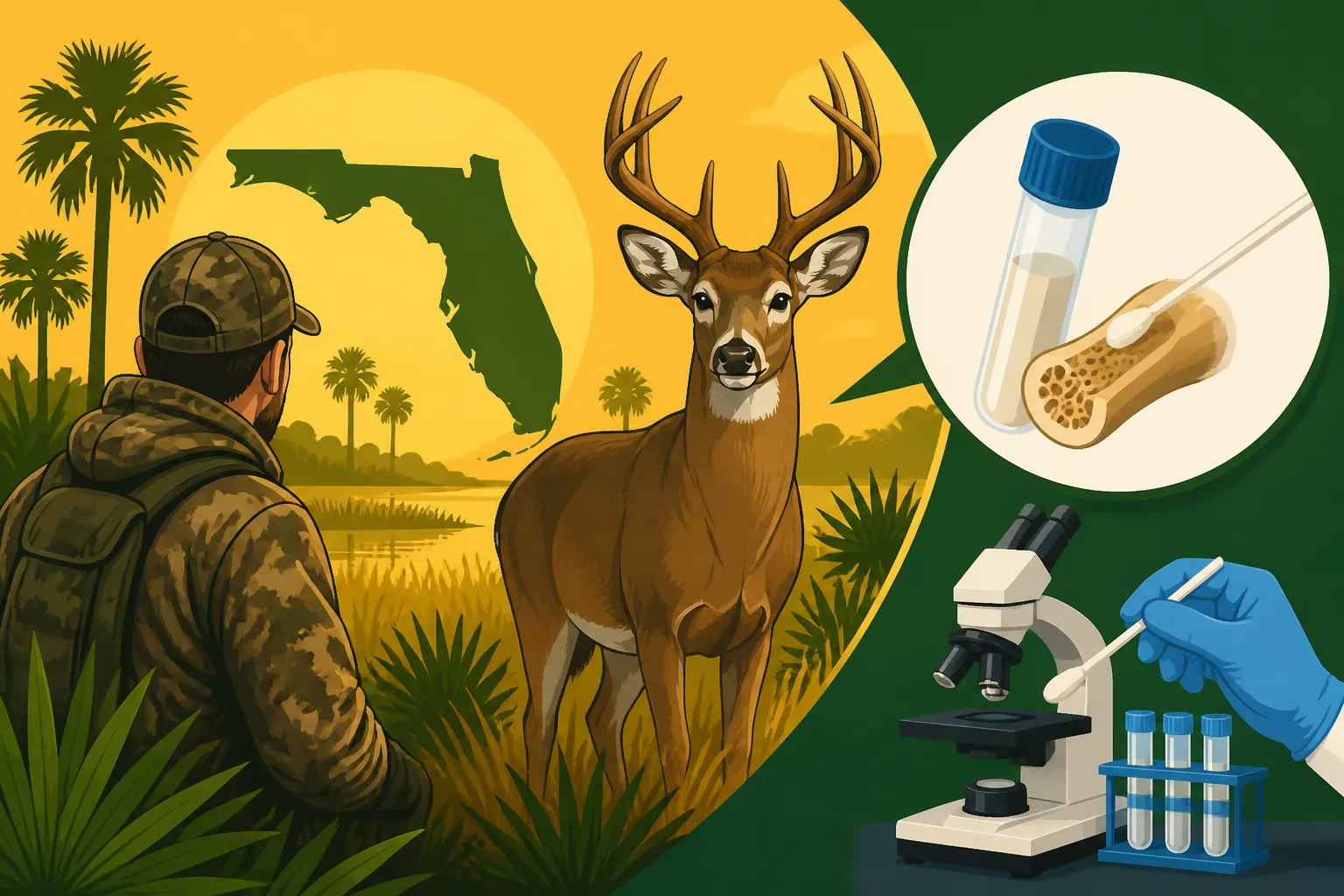
For hunters wishing to submit a sample, either voluntarily or within a CWD zone, the primary sample needed is the head, specifically the brainstem and lymph nodes. If you're dropping off a full head, the FWC will handle the dissection. However, if you're attempting to collect a sample yourself (which is generally discouraged for accuracy and safety unless specifically instructed by FWC), you would need to carefully remove the brainstem and retropharyngeal lymph nodes. This is a delicate process and requires proper tools and knowledge to ensure a viable sample. It's much easier and more reliable to just drop off the entire head at a designated station. Make sure to clearly tag your sample with your contact information and harvest details. Always practice good hygiene, wearing gloves and thoroughly cleaning any tools and surfaces that come into contact with deer tissue. For more detailed guidance, consider reviewing information on Finding a Florida CWD Sampling Location before your hunt.
Why CWD Testing is Crucial for Hunters and Wildlife
The ramifications of Chronic Wasting Disease extend far beyond a single infected deer. It's a systemic threat that requires a collective defense, and testing is at the heart of that defense. As hunters, our commitment to supporting these efforts is not just about compliance; it's about stewardship.
Protecting Florida's Deer Herd
Imagine a future where the thrill of seeing a healthy, robust buck is replaced by the worry of a diseased animal. That's the stark reality CWD presents if left unchecked. Testing is the primary tool the FWC has to detect the presence and spread of CWD early. By knowing where the disease is and at what prevalence, wildlife managers can implement targeted strategies, such as herd reduction or specific harvest regulations, to minimize its impact. A healthy deer herd is not just about numbers; it's about genetic diversity, resilience, and vitality. Through consistent testing, the FWC aims to identify areas of concern and prevent the disease from becoming endemic, safeguarding the Florida Deer Population Estimate and the overall health of our unique ecosystems.
Ensuring Venison Safety
While there's no conclusive scientific evidence to date that CWD can be transmitted to humans, public health agencies universally recommend against consuming meat from CWD-positive animals. For most hunters, bringing home venison for the family table is a cherished part of the hunting experience. The peace of mind that comes with knowing your harvested deer is CWD-negative is invaluable. When you submit your deer for testing, you're not just helping the FWC; you're taking a proactive step to ensure the safety and quality of your wild game meat. If you harvest a deer within the CWD Management Zone, getting it tested is a critical step before processing and consumption. This practice aligns with best health guidelines and helps maintain public trust in wild game as a food source. Additionally, knowing the rules for Handling Venison From a CWD Surveillance Zone is essential for all hunters.
Supporting Long-Term Wildlife Management
CWD testing is more than just a snapshot; it's a continuous, evolving data collection effort that informs the FWC's long-term Florida's Deer Disease Monitoring Program. Every sample contributes to a larger dataset that allows biologists to track trends, understand disease ecology, and develop effective management plans. This data can influence everything from future hunting season structures and bag limits to habitat management strategies aimed at promoting healthy deer populations less susceptible to disease. Our participation in testing helps ensure that wildlife managers have the most accurate and up-to-date information, allowing them to make informed decisions that will benefit Florida's wildlife for generations to come. It’s an investment in the future of our hunting grounds, from the vast expanses of Hunting the Everglades and Big Cypress to the timbered tracts of the Panhandle.
Preparing Your Harvest for Testing and Transport
Successfully getting your deer tested involves more than just bringing it to a station; it also means adhering to specific rules regarding carcass movement, especially if you're hunting in or near a CWD Management Zone. These regulations are designed to prevent the inadvertent spread of prions to new areas.
Carcass Movement Restrictions in the CWD Zone
One of the most critical aspects of CWD management in Florida relates to the movement of deer carcasses, particularly out of the established CWD Management Zone. To minimize the risk of spreading CWD prions, the FWC has very clear rules: only certain parts of a deer harvested within the CMZ can be transported out. Generally, this means you can take out boned-out meat, cleaned antlers (without brain tissue), hides, and finished taxidermy products. The skull plate with antlers must be completely clean of any brain or lymphatic tissue. Essentially, any part that could harbor prions – the brain, spinal column, lymph nodes – must remain within the CMZ or be properly disposed of there. This restriction prevents a hunter from unknowingly carrying the disease to a new county. Always verify the latest FWC rules for Moving a Deer Carcass Out of a Surveillance Zone before you plan your hunt.
Proper Sample Collection for Submission
When you're submitting a deer for CWD testing, whether at a self-service drop-off or a staffed station, the quality of the sample matters immensely for accurate results. The FWC primarily needs the animal's head, as the brainstem and specific lymph nodes (retropharyngeal lymph nodes) are the tissues most reliably tested for CWD prions. If you're at a self-service station, you'll simply need to detach the head from the carcass, ensuring enough neck bone is still attached for proper handling by the FWC technician. It's helpful to keep the head cool, ideally refrigerated or on ice, especially in Florida's warm climate, until you can drop it off. Make sure the deer is properly tagged with your harvest information, and fill out any accompanying submission forms completely and accurately. This includes the date and precise location of the harvest. This meticulousness in data collection is crucial for the Florida Wildlife Management Areas and statewide monitoring program.
Transportation Rules Outside the Management Zone
If you’re hunting outside the CWD Management Zone, the carcass transport rules are generally less restrictive, but it’s still wise to be mindful. You can typically transport whole deer carcasses throughout the rest of the state. However, if you plan to travel through or into the CMZ after harvesting a deer outside of it, you'll need to follow the CMZ's restrictions on what parts can pass through. It sounds a bit complicated, but the intention is simple: prevent any potential spread. Always ensure your deer is properly tagged with your hunting license and harvest information, as this is a fundamental legal requirement statewide. When in doubt, err on the side of caution and check the latest FWC regulations before you move your harvest, especially if you're traveling a significant distance or crossing county lines. Good planning, perhaps with a mapping tool like GoHunt, can help you navigate these rules without issue.
Interpreting Test Results and Next Steps
Waiting for CWD test results can be a stressful time, but understanding what those results mean and what actions you should take is key to responsible hunting and wildlife stewardship. The FWC is committed to communicating results clearly and efficiently.
Understanding a Negative Result
If your deer tests negative for CWD, congratulations! This means that no CWD prions were detected in the samples submitted, and the venison is considered safe to consume by current public health standards. While a negative result is always a relief, it's important to remember that CWD has a long incubation period. A deer might be infected but not yet show detectable levels of prions, especially in the very early stages of the disease. However, for practical purposes, a negative test means you can proceed with confidence in processing and enjoying your harvest. The FWC will typically notify you of negative results via email or through an online portal within a few weeks of submission. This data, combined with thousands of other negative results, helps the FWC build a clearer picture of the disease-free status in different regions, contributing to the broader Florida's Deer Disease Monitoring Program.
Actions Following a Positive Result
Should your deer unfortunately test positive for CWD, the FWC will contact you directly and immediately. This is not a situation to take lightly. The FWC will provide specific instructions, which will include recommendations against consuming the meat. They will also likely want to gather more information about the harvest location and any other relevant details to aid in their epidemiological investigation. It’s a somber outcome, but a positive test is incredibly important for wildlife management. It confirms the presence of the disease in a specific location and triggers more intensive management actions in that area. This could include increased surveillance, targeted culls, or further adjustments to hunting regulations to control the spread. Your cooperation with the FWC in this scenario is paramount to protecting the overall deer population.
FWC Communication and Data Transparency
The Florida Fish and Wildlife Conservation Commission is committed to transparency when it comes to CWD. They routinely publish information about their surveillance efforts, test results, and any new regulations or management zones on their official website. This commitment ensures that hunters and the public are kept informed about the current status of the disease in Florida. While individual test results are confidential between the hunter and the FWC, general data on positive detections, testing locations, and overall CWD prevalence are made publicly available. This open communication is critical for building trust within the hunting community and fostering continued cooperation in CWD surveillance. Regularly checking the FWC's CWD webpage or subscribing to their updates, and even using resources like GoHunt to stay on top of the latest news, is highly recommended for all Florida hunters.
Florida CWD Hunter Information Table
| Area of Concern | Requirement/Recommendation | Important Details |
|---|---|---|
| CWD Management Zone (CMZ) | Mandatory Carcass Disposal/Restriction | Only boned-out meat, cleaned antlers, hides, and finished taxidermy can leave the CMZ. All other parts (brain, spinal cord, lymph nodes) must stay within or be disposed of there. |
| CWD Management Zone (CMZ) | Voluntary Head Submission for Testing | Strongly encouraged for all deer harvested within the CMZ. Drop-off locations are provided. This helps FWC monitor disease spread. |
| Outside CMZ | Voluntary Head Submission for Testing | Recommended for all hunters statewide. Helps FWC monitor for new CWD cases and provides hunter peace of mind regarding venison safety. Check FWC for drop-off sites. |
| Symptomatic Deer | Immediate Reporting | If you observe a deer exhibiting CWD-like symptoms (emaciation, drooling, neurological issues), do not approach. Report to FWC immediately. |
| Transportation (Statewide) | Proper Tagging | All harvested deer must be properly tagged with license information and harvest details as required by FWC. |
| Venison Consumption | Avoid if CWD Positive | FWC and public health officials strongly recommend against consuming meat from any CWD-positive deer. |
| Information Source | FWC Website / GoHunt App / Local FWC Offices | Always consult the official FWC website for the most current regulations, CMZ boundaries, and drop-off locations. GoHunt can also be a valuable resource for updated boundary information and regulations on public lands like Hunting a Florida Green Swamp Slough. |
Disclaimer
The information provided in this guide is intended for general informational purposes only and is subject to change. Hunting regulations and CWD management protocols are dynamic and can be updated by the Florida Fish and Wildlife Conservation Commission (FWC) without prior notice. Always consult the official FWC website or contact their offices directly for the most current and accurate information before participating in any hunting activities or CWD testing programs. This guide does not constitute legal advice or an exhaustive list of all applicable regulations.