Blaze Pink Options Under Florida Law
It can be incredibly confusing to keep up with all the hunting regulations, especially when it comes to visibility requirements like blaze orange and blaze pink. Many hunters, particularly new folks or those crossing state lines, worry about whether their gear is truly compliant and safe. This guide is going to walk you through Florida's laws on blaze pink options, explaining when it’s allowed, what the requirements are, and how to make sure you're always on the right side of the law while staying visible in the woods.
Florida's General Hunter Orange Requirements
For years, blaze orange has been the universal standard for hunter visibility, and Florida is no exception. It’s designed to stand out to other humans while being nearly invisible to most deer, which lack the specific color receptors to perceive orange as a bright, distinct color. This makes it a fantastic safety tool, drastically reducing the risk of accidental shootings. However, understanding when and how much blaze orange is required is crucial, because those rules form the foundation for any blaze pink discussion.
When Blaze Orange is Mandatory
In Florida, the law is pretty clear: if you're hunting deer during a gun season on public lands, you've got to wear blaze orange. This isn't just a suggestion; it's a legal requirement designed to protect everyone in the field. This applies to general gun season, muzzleloader season, and even some special hunts like youth deer hunts when firearms are allowed. It’s also important during any season when firearms are allowed for deer on private lands. The thinking here is simple: more people with firearms in the woods means a higher risk, and blaze orange is a simple, effective way to mitigate that.
Imagine you're out on a crisp November morning, Hunting Florida's Zone B Late Rut and the woods are alive with hunters. Without proper blaze orange, you're blending right into the cypress knees and palmetto fronds, becoming indistinguishable from the natural environment. This puts both you and other hunters at risk. The law specifies that you must wear a minimum of 500 square inches of blaze orange material above the waist, visible from all sides. This often means a hat and a vest, but could include a jacket or other outerwear. The goal is unmistakable visibility.
It's not just deer season, either. If you're on a wildlife management area (WMA) during any open hunting season that allows guns, even if you're targeting small game like squirrels or rabbits, you typically need to wear your blaze orange. Always check the specific WMA regulations, but generally, if a gun is allowed, blaze orange is a good idea, and often legally mandated. This applies even if you're just Scouting Florida Public Land Before Season and there's a gun season active for another species. Safety first, always.
Minimum Visibility Standards
The "500 square inches" rule isn't just an arbitrary number; it's based on studies about how much bright color is needed to be clearly seen at typical hunting distances. This material must be worn above the waist, which usually means a vest or an outer layer of clothing, and importantly, it must be visible from all sides. A blaze orange hat is almost always part of this equation, as it adds crucial visibility at head height, especially if you're kneeling or sitting.
Think about the terrain in Florida: thick palmetto scrub, dense oak hammocks, and sprawling pine plantations. In these environments, an animal can be just a few yards away and completely hidden. The same goes for a hunter. If you're walking through a palmetto head and only your back is covered in blaze orange, someone approaching from the front or side might not see you. This is why the "visible from all sides" is so critical. This is especially true if you are participating in something like Deer Drives With Three or Four Hunters, where hunters are actively moving and visibility becomes paramount for safety.
The material itself needs to be "blaze orange," also known as "hunter orange." This is a very specific, vivid shade of fluorescent orange, not just any old orange jacket. Faded gear might not meet the intensity standards, so it's always a good idea to inspect your old vest and hat regularly. If it's looking dull or washed out, it's time for an upgrade. Many brands, like those found through platforms like GoHunt, offer gear that meets or exceeds these standards, often providing square inch measurements right on the tag.
The Rise of Blaze Pink in Hunting Apparel
For a long time, the hunting apparel market was pretty monochromatic when it came to safety colors, mostly sticking to blaze orange. But in recent years, there's been a growing movement to introduce blaze pink as an alternative, driven by a desire for more options, particularly for women and youth hunters, and backed by scientific studies showing its similar visibility properties. Florida has been one of the states to embrace this change, offering more flexibility for hunters.
Legalization of Blaze Pink in Florida
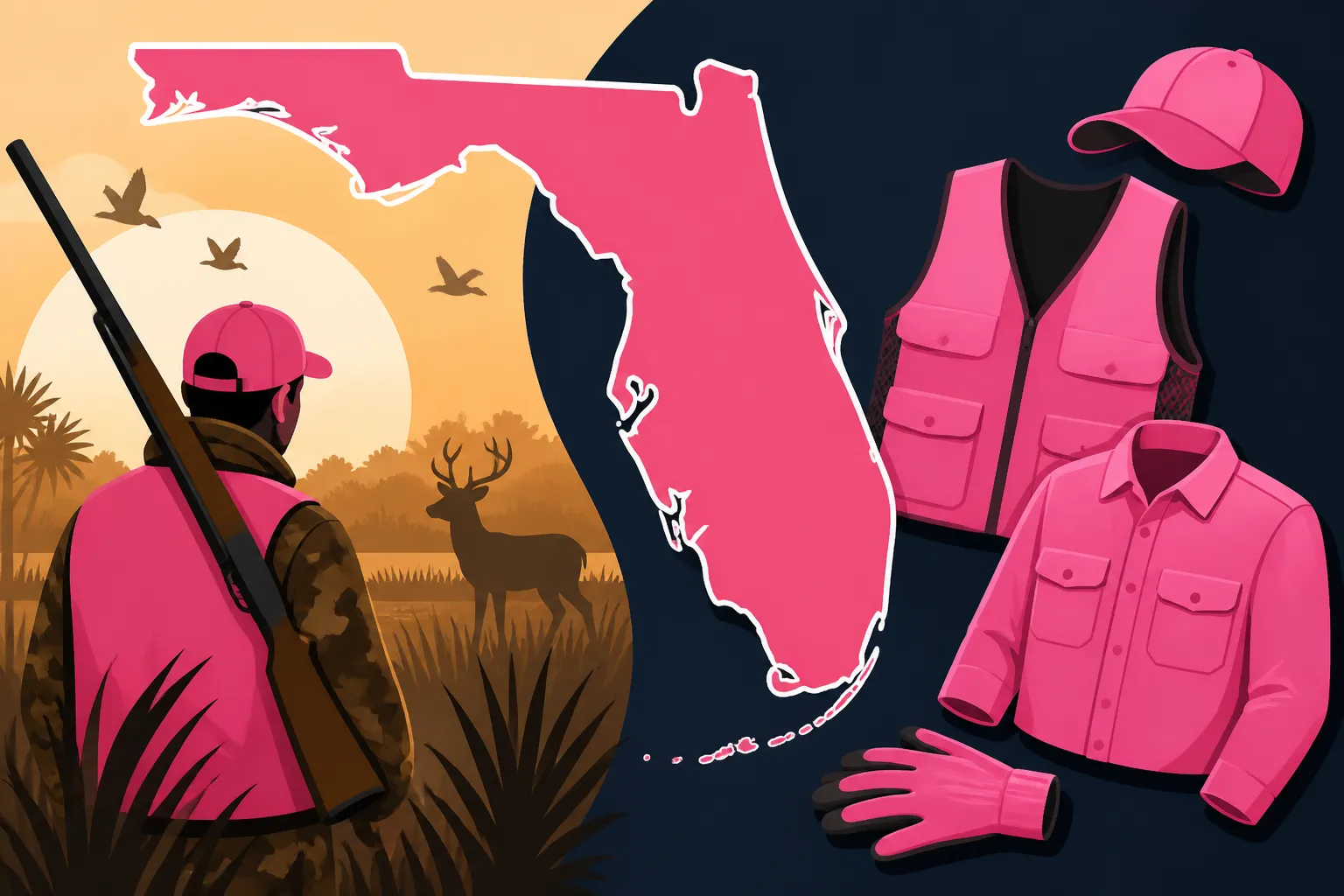
Florida officially recognized blaze pink as a legal alternative to blaze orange. This was a significant step, as it validated the scientific findings that blaze pink offers comparable visibility in natural environments and to the human eye. The law specifies that "blaze pink" is acceptable under the same conditions that require "blaze orange," meaning it must meet the same minimum square inch requirements and be visible from all sides. This means you can confidently choose a blaze pink vest or hat without worrying about violating regulations.
This legislative change came about partly due to research, which indicated that blaze pink, being a fluorescent color, is just as effective as blaze orange at catching the human eye in diverse natural settings, and importantly, is also largely indistinguishable to deer. This dispels any myths that wearing pink would somehow make you more visible to game animals. For many, it simply provides an additional option, allowing for personal expression within the safety guidelines. For example, if you're a new hunter taking a Florida Hunter Education Requirements course, you'll learn that the core principle is visibility to other humans, not an aversion by game.
The introduction of blaze pink is a win for inclusivity in hunting, giving more people a comfortable and appealing choice in their safety gear. It expands the options beyond the traditional orange, which some hunters simply don't prefer, while maintaining the critical safety standards.
Understanding the "Equivalent" Standard
When the law permits blaze pink, it's usually with the understanding that it must be "equivalent" to blaze orange in terms of its conspicuity and safety function. This isn't just about color, but about the fluorescent properties and how it performs in the field. The FWC (Florida Fish and Wildlife Conservation Commission) ensures that the legal definition of blaze pink is specifically that highly fluorescent shade that mimics the visual effectiveness of blaze orange.
This "equivalent" standard means that while the color hue is different, the impact on visibility to other humans is the same. So, just like with blaze orange, you can't just wear any shade of pink. It needs to be that bright, almost glowing, fluorescent "blaze pink." Faded garments, pastel pinks, or even non-fluorescent bright pinks won't cut it. The material needs to actively pop against the greens, browns, and grays of the wilderness.
Manufacturers often label their products clearly as "blaze pink" or "hunter pink" to indicate compliance. When purchasing gear, especially online or from smaller retailers, it’s always wise to double-check that it’s explicitly marketed as a hunting safety color rather than just a fashion item. A good rule of thumb is, if it doesn't look like it's screaming for attention, it probably isn't the legal "blaze" standard. Many reputable brands found on platforms like GoHunt will clearly state if their apparel meets state-specific blaze standards.
Choosing Your Blaze Color for Florida Hunts
Now that you know both blaze orange and blaze pink are legal options in Florida, the choice often comes down to personal preference, specific hunting scenarios, and even perceived benefits. Both colors serve the same critical purpose: making you highly visible to other hunters. But there are subtle nuances that might influence your decision.
Visibility in Different Environments
While studies confirm blaze pink's effectiveness, some hunters report a subjective difference in how the colors appear in various Florida environments. In dense, green palmetto swamps, for example, the stark contrast of blaze orange might seem to jump out a bit more to some eyes, especially in low light conditions or dappled shade. Conversely, in open, sandy pine flatwoods, or areas with a lot of red-brown palmetto fronds, blaze pink might offer a slightly different contrast that some find more appealing or equally effective.
Consider where you do most of your hunting. If you spend a lot of time in the deep shadows of a cypress slough, perhaps Hunting a Cypress Head at Last Light, you want the brightest, most attention-grabbing color possible. Both blaze orange and blaze pink excel here due to their fluorescent properties, which gather and re-emit light, making them appear brighter than non-fluorescent colors. However, some anecdotal evidence suggests that in certain light spectrums, particularly at dawn or dusk, one might have a slight edge over the other for individual observers. This is highly subjective and varies person to person.
It's also worth noting that visibility isn't just about the color, but the amount and placement. Whether you choose blaze orange or blaze pink, ensuring you have the required 500 square inches above the waist, visible from all sides, is far more important than debating the minute differences in how the two colors perform in a specific environmental condition. If you're Using a Ground Blind on Florida Public Land, remember that while the blind conceals you, you might still need to wear an outer blaze layer when entering or exiting the blind, or if the blind has open windows that expose you.
Personal Preference and Comfort
Beyond the technical aspects of visibility, personal preference plays a huge role. For many, blaze pink offers a welcome alternative to the traditional blaze orange. It's a way to express individuality, encourage more women and youth to participate in hunting, or simply choose a color they genuinely like better. Hunting gear is an investment, and if you feel good about what you're wearing, you're more likely to wear it consistently and correctly.
For female hunters, the option of blaze pink has been particularly well-received. It provides a choice that steps away from the historically male-dominated aesthetics of hunting, making the sport feel more inclusive and welcoming. It's about feeling comfortable and confident in your gear, which ultimately contributes to a better and safer hunting experience.
Moreover, the availability of both colors means you can coordinate gear or even switch based on who you're hunting with. Maybe your kids prefer blaze pink, making them more excited to wear their safety gear. Or perhaps your hunting group decides to mix and match. The important thing is that everyone understands the legal requirements and adheres to them. There's no performance difference in how a deer reacts to blaze orange versus blaze pink, so your comfort and compliance with Florida Blaze Orange Requirements are paramount.
Here’s a quick overview of the characteristics:
| Feature | Blaze Orange | Blaze Pink |
|---|---|---|
| Legal in Florida | Yes | Yes (equivalent to blaze orange) |
| Visibility to Humans | Excellent, highly conspicuous | Excellent, highly conspicuous |
| Visibility to Deer | Low (appear as dull gray/brown) | Low (appear as dull gray/brown) |
| Primary Purpose | Hunter safety, prevent accidental shootings | Hunter safety, prevent accidental shootings |
| Required Amount | 500 sq. inches above waist, visible sides | 500 sq. inches above waist, visible sides |
| Material | Fluorescent orange fabric | Fluorescent pink fabric |
| Perception | Traditional, common | Modern, inclusive |
Ensuring Compliance and Safety with Blaze Gear
Having the right color is only part of the equation; ensuring your gear meets the specifications and is used correctly is just as important. Florida's FWC takes safety seriously, and understanding the nuances of compliance helps avoid potential issues, including Florida Wildlife Violation Penalties.
Checking Gear Specifications
The most common mistake hunters make is assuming any bright orange or pink clothing will suffice. As we've discussed, it needs to be blaze orange or blaze pink, which are specific, highly fluorescent shades. When you're buying new gear, look for labels that explicitly state "hunter orange," "blaze orange," or "blaze pink." Reputable hunting apparel companies, like many listed on platforms such as GoHunt, will always make this clear. If you're unsure, it's better to invest in new gear than risk a violation or, worse, an accident.
Beyond the color, remember the 500 square inches rule. This means a vest and a hat are typically the minimum. Don't rely on just a hat, or a jacket that might only have small blaze patches. The material needs to be strategically placed to be visible from 360 degrees. If you’re wearing a backpack, for instance, make sure your blaze material is over the backpack or integrated into it so that it’s still visible from the rear. This is particularly important when you're moving through dense cover or approaching a game animal, where other hunters might not expect you.
Also, consider the condition of your existing gear. Over time, sunlight exposure and washing can cause fluorescent colors to fade. A faded blaze orange or pink garment might not meet the intensity standards anymore, reducing its effectiveness and potentially putting you out of compliance. Hold it up next to a brand-new piece of blaze material if you can. If it looks dull, it's time to replace it.
Best Practices for High Visibility
Even with compliant gear, how you wear it and how you behave in the field makes a huge difference. Always put on your blaze gear before you enter the hunting area, and don't take it off until you're safely out. It's not just about when you're actively hunting; walking to and from your stand or retrieving game are also critical times for visibility.
Think about your movements. If you're bending over to track a deer or set up a trail camera, your vest might momentarily be obscured. Be mindful of this and try to maintain an upright posture when moving through areas with other hunters. If you stop to rest or glass, try to position yourself where your blaze color has the clearest line of sight in multiple directions.
When you're hunting with a group, especially during a drive, clear communication and consistent use of blaze gear are paramount. Everyone should be aware of where other hunters are located and what they're wearing. This is especially true given the diverse landscape where you might be Hunting Florida's Green Swamp one day and open pine woods the next.
Finally, while blaze orange or pink is crucial for human visibility, remember it's just one component of overall hunter safety. Always positively identify your target and know what's beyond it before taking a shot. Participate in a Florida Hunter Education Requirements course if you haven't, or take a refresher. These skills, combined with proper use of blaze gear, ensure that every hunting trip is as safe and enjoyable as possible.
Disclaimer
Please remember that hunting regulations can change, and this guide provides general information based on current Florida laws. Always consult the most recent Florida Fish and Wildlife Conservation Commission (FWC) regulations or contact them directly for the most up-to-date and specific legal requirements before engaging in any hunting activities.