Florida WMA Quota Permit Draw Odds
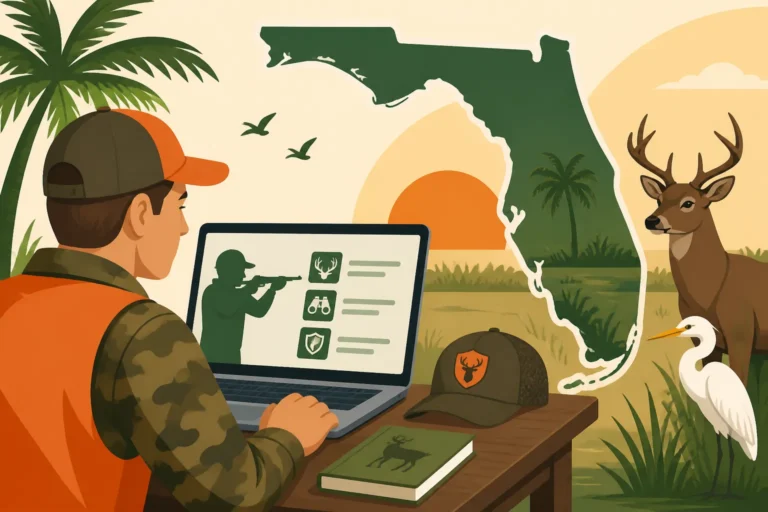
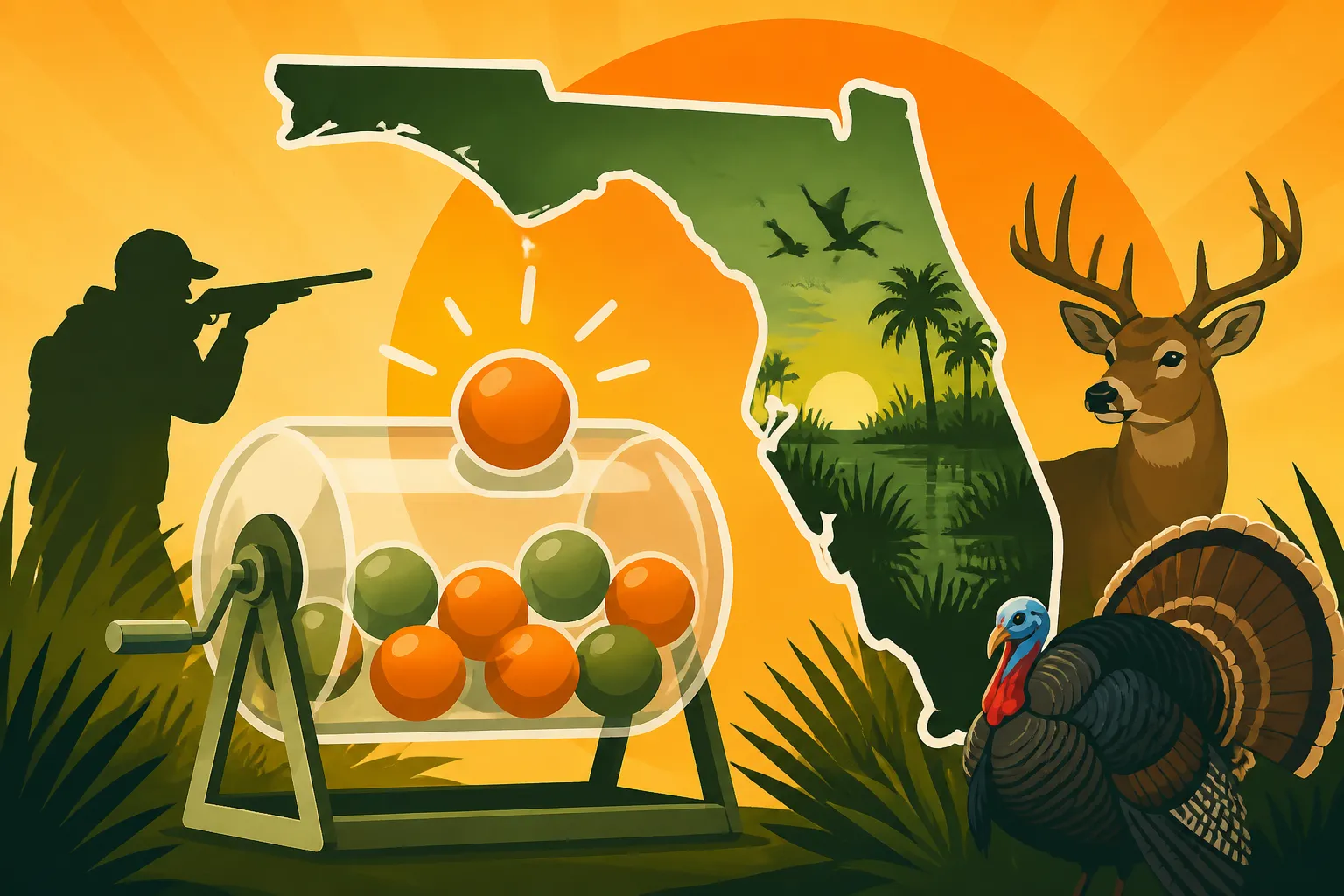
Few things are as frustrating for a Florida hunter as pouring over maps, scouting promising public land, and getting your hopes up for a prime hunting opportunity, only to be shut out by the quota permit lottery. It feels like a gamble where the house always wins, leaving you wondering if you're even applying correctly or if there's a secret handshake you're missing. This guide is here to shed light on Florida's WMA quota permit draw odds, helping you understand the system and strategize for better success in securing those coveted public land tags.
Demystifying Florida's WMA Quota Permits
Florida is blessed with an incredible amount of public land managed for wildlife, but to ensure sustainable hunting pressure and quality experiences, many of these areas, especially the most desirable ones, operate under a quota permit system. It's not about making things harder; it's about managing resources so everyone has a fair shot at a great hunt without over-pressuring the wildlife or crowding out fellow hunters.
The Rationale Behind Quota Hunts
Imagine if every hunter in Florida could show up to the most famous WMA on opening day. It would be chaos, unsafe, and the deer, turkey, or hogs wouldn't stand a chance. Quota hunts are the Florida Fish and Wildlife Conservation Commission's (FWC) way of distributing hunting pressure and ensuring conservation goals are met. By limiting the number of hunters on a specific area for a specific time, they can maintain healthy game populations, provide quality recreational opportunities, and prevent overcrowding. It's a delicate balance, and while it can be frustrating not to draw a tag, the system is designed to benefit both the wildlife and the hunting community in the long run. These permits are essentially your ticket to some of the state's best public land experiences, from a quiet morning waiting for a big buck to appear to the thrill of calling in an Osceola gobbler. For more on how these lands are designated, you can check out Florida's Four Deer Management Zones Explained.
Types of Quota Permits You Might Encounter
Florida offers a wide array of quota hunt opportunities, catering to different game species, weapon types, and even specific times of the year. You'll find permits for general gun deer hunts, which are often the most competitive, but also for archery, muzzleloader, and even antlerless deer hunts. Beyond deer, highly sought-after permits exist for turkey hunts, especially in prime Osceola country. Special opportunity hunts, often involving longer seasons or unique access, also require a quota permit and tend to have very low odds due to their desirability. Even some waterfowl hunts on specific management areas might fall under a quota system to regulate pressure on migratory birds. Each type of hunt has its own application period and draw, so staying organized is key to not missing out on an opportunity that might align perfectly with your hunting style. Understanding the full spectrum of options available across Florida Wildlife Management Areas is a critical first step.
Navigating the Application Process and Preference Points
The application process for Florida's WMA quota permits can feel a bit like learning a new language, especially for first-timers or those coming from other states. But once you get the hang of it, it becomes second nature. It all starts with the FWC's online system, where hunters submit their applications for various hunts. Missing a deadline, even by a day, means missing out entirely for that season, so diligent calendar keeping is a must.
Step-by-Step Application Guide
First things first, you'll need a current Florida hunting license and any necessary permits (like the Management Area Permit for most WMAs, or a turkey permit if applying for a turkey quota hunt). Head to the FWC's website and navigate to the "Licenses and Permits" section, then look for "Quota Hunt Applications." Here, you'll see a list of available hunt types and their respective application periods. You can apply for multiple hunt choices, ranking them by preference. This is crucial: don't just put down one choice. Maximize your chances by listing several options, especially some less popular ones, as backup. The system will process your choices in order, moving to your second choice if your first is unsuccessful, and so on. It’s a good idea to research the WMAs you're applying for thoroughly. Tools like GoHunt can be incredibly useful for comparing different WMAs, looking at historical harvest data, and understanding the lay of the land before you even apply. This kind of detailed research helps you make informed decisions about your preferred hunts, rather than just blindly picking popular areas. You can find more comprehensive details on the entire procedure by looking into the Florida WMA Quota Permit Application Process.
The Power of Preference Points
This is where things get really interesting for Florida hunters looking to improve their draw odds. Preference points are essentially loyalty points for unsuccessful applicants. For every hunt type you apply for and don't draw a quota permit, you earn a preference point for that specific hunt type for the following year, provided you applied in the first and second phases. These points accumulate, and in subsequent draws, your application is considered with the added weight of your accumulated points. Think of it like this: if you have 5 preference points for a general gun deer hunt, your application essentially goes into the lottery 5 times (or rather, is weighted more heavily) compared to someone with zero points.
It’s a system designed to give consistent, unsuccessful applicants a better chance over time. However, there's a catch: once you draw your first choice for a specific hunt type, your preference points for that specific hunt type reset to zero. If you drew a deer hunt, your turkey hunt preference points would remain. It's a strategic game, knowing when to use your accumulated points on a highly desired hunt versus continuing to build them for an even more competitive future opportunity. This system is a big reason why applying consistently, even for hunts you might not be desperate for, can be a smart long-term strategy to build up those points for that dream tag on a specific WMA.
Understanding Your Draw Odds: Factors and Statistics
Let's face it, the odds can feel stacked against you sometimes, especially for those highly coveted hunts. But understanding why those odds exist and what factors influence them is the first step toward improving your chances. It's not just pure luck; it's a numbers game influenced by several key variables.
The Numbers Game: How Many Apply Versus How Many Get Drawn
At its core, draw odds are a simple ratio: the number of available permits divided by the number of applicants. For popular WMAs or specific hunts (like prime general gun deer seasons or Osceola turkey hunts), you might have thousands of applicants vying for just a few hundred permits. This naturally drives the draw odds down significantly. Conversely, less popular WMAs, hunts during off-peak times, or hunts requiring specialized equipment (like certain muzzleloader-only permits) often have far more favorable odds simply because fewer people apply.
The FWC usually publishes historical draw statistics, and while these can fluctuate year to year, they offer a solid baseline for understanding the typical competition for a given hunt. Many experienced hunters use these statistics to guide their application strategy, preferring to apply for hunts where they see a historical trend of higher success rates rather than constantly banging their heads against the wall for a hunt with 1% draw odds. This is where researching prior years' data, often available on the FWC website or through platforms like GoHunt, becomes invaluable.
Popular WMAs and Their Historically Low Odds
Certain WMAs in Florida are legendary among hunters, either for their reputation for producing big bucks, offering exceptional turkey opportunities, or simply being well-managed and easily accessible. Places like Richloam WMA, Green Swamp WMA, and some of the more remote, harder-to-access areas often fall into this category. These WMAs consistently see thousands of applications for a limited number of permits, resulting in extremely low draw odds, often in the single digits.
For example, a prime-time general gun deer hunt in a well-known WMA might have 5,000 applicants for only 200 permits. That's a 4% chance. While someone always has to be in that lucky 4%, it highlights the challenge. These low odds aren't a deterrent for some; they signify the quality of the hunt. However, for hunters looking to get any quota permit, repeatedly applying for these ultra-competitive hunts without a high number of preference points can lead to perennial disappointment. It’s a good idea to consider all the variables, including how often Florida Bucks Bed in Thick Palmetto or how productive certain areas are, to make your choices.
Analyzing Past Draw Data for Strategic Applications
The best way to realistically assess your chances is to dive into the FWC's historical draw data. This information, often found in annual quota hunt reports on their website, shows how many applicants applied for each hunt, how many permits were issued, and crucially, how many preference points were typically needed to successfully draw a permit in previous years. This allows you to identify trends. If a hunt consistently draws out with 10+ preference points, and you only have 3, your chances are slim, and you might be better off saving those points or applying for a less competitive option.
This strategic analysis is where the real "game" of the quota lottery comes into play. You're not just guessing; you're making educated choices based on hard data. You might notice that certain archery or muzzleloader hunts on a popular WMA have slightly better odds than the general gun hunts, or that specific hunt periods (e.g., later in the season) are less competitive. Use this data to tailor your application choices, creating a balance between your dream hunts and those with more attainable odds.
| Factor Affecting Draw Odds | Impact on Your Chances | Strategy Consideration |
|---|---|---|
| High WMA Popularity | Significantly Lowers | Target less-known WMAs or specific hunt periods. |
| Low Number of Permits | Significantly Lowers | Research hunts with higher permit allocations. |
| High Number of Applicants | Significantly Lowers | Look for hunts with fewer applicants. |
| High Preference Points | Significantly Increases | Accumulate points over time for dream hunts. |
| Specific Hunt Type (e.g., Archery vs. General Gun) | Varies | Archery/Muzzleloader often have better odds than General Gun. |
| Hunt Season Timing | Varies | Early/late season hunts might have better odds. |
Strategies to Boost Your Chances in the Florida Quota Lottery
While there's no magic bullet to guarantee a quota permit, you can absolutely employ some smart strategies to significantly improve your odds over time. It's about playing the long game and making informed decisions with your applications.
Targeting Less Competitive Hunts
One of the most straightforward ways to increase your draw odds is to simply apply for hunts that aren't as popular. This might mean exploring WMAs you haven't considered before, or looking at specific hunt dates that fall outside of prime weekends or traditional holidays. Often, early or late-season hunts, hunts during weekdays, or hunts requiring specific weapon types (like a Muzzleloader Deer Hunting in Florida permit when most hunters prefer modern firearms) will have fewer applicants.
Don't dismiss these "less popular" areas or times out of hand. Sometimes, these lesser-known gems can offer fantastic hunting opportunities without the intense pressure of the more famous spots. You might discover a new favorite hunting ground, and the increased likelihood of drawing a tag makes the experience all the more rewarding. It takes a bit more research and an open mind, but the payoff of securing a permit is well worth it. You could even explore Hunting Florida's Zone A Split Gun Season as it might be less pressured.
Maximizing Preference Point Accumulation
This is your long-term investment strategy in the Florida quota system. Even if you're aiming for a highly competitive hunt, consistently applying every year, even if you don't draw, ensures you're building those invaluable preference points. If you consistently apply for a particular hunt type (say, general gun deer) for several years without success, you'll accumulate points that dramatically improve your chances in later draws.
Consider applying for a less competitive hunt as a secondary choice, or even a specific permit type just to ensure you're in the draw and accumulating a point if you don't succeed. Remember, these points reset only when you draw your first choice for that specific hunt type. So, if you draw a deer permit, your turkey points remain untouched. Platforms like GoHunt can help you track your preference points and strategize when to deploy them for maximum impact. Think of it as putting money in the bank; the more you save, the better your chances of making a big purchase later.
Group Applications: Pros and Cons
Florida's quota system allows for group applications, which can be both a blessing and a curse, depending on your strategy. When you apply as a group, if any member of the group draws a permit, everyone in the group draws. This sounds great, right? If you're hunting with a buddy who has 10 preference points and you have zero, applying with them essentially gives you the benefit of their points for that application.
However, the major downside is that if anyone in the group doesn't have enough preference points to draw, the entire group is unsuccessful. The system considers the lowest number of preference points in the group. So, if your buddy has 10 points and you have 2, your group application will be considered with only 2 points. This means group applications are generally most effective when everyone in the group has a high and similar number of preference points for the specific hunt type. If you're a new hunter, it might be better to apply individually or with other low-point hunters to accumulate your own points rather than dragging down a high-point partner. However, if everyone has high points and wants to hunt together, it’s a great way to ensure everyone gets a tag if the group is selected.
Disclaimer
The information provided in this guide is for general informational purposes only and does not constitute legal advice. Hunting regulations, permit requirements, and draw odds are subject to change by the Florida Fish and Wildlife Conservation Commission (FWC). Always consult the most current FWC regulations and official publications before applying for any permits or engaging in hunting activities. It is the hunter's responsibility to understand and comply with all applicable laws and regulations.