Florida Buck Age Structure
It's a common lament among Florida deer hunters: "Where are all the big bucks?" While tales of monstrous northern whitetails fill hunting magazines, many Floridians feel their local bucks just don't measure up. This perception isn't entirely unfounded; the unique environment, genetics, and hunting culture in our state contribute to a very specific Florida buck age structure. Understanding this structure is paramount for managing your expectations, refining your hunting strategies, and ultimately, finding success in the Sunshine State.
What Exactly is Buck Age Structure?
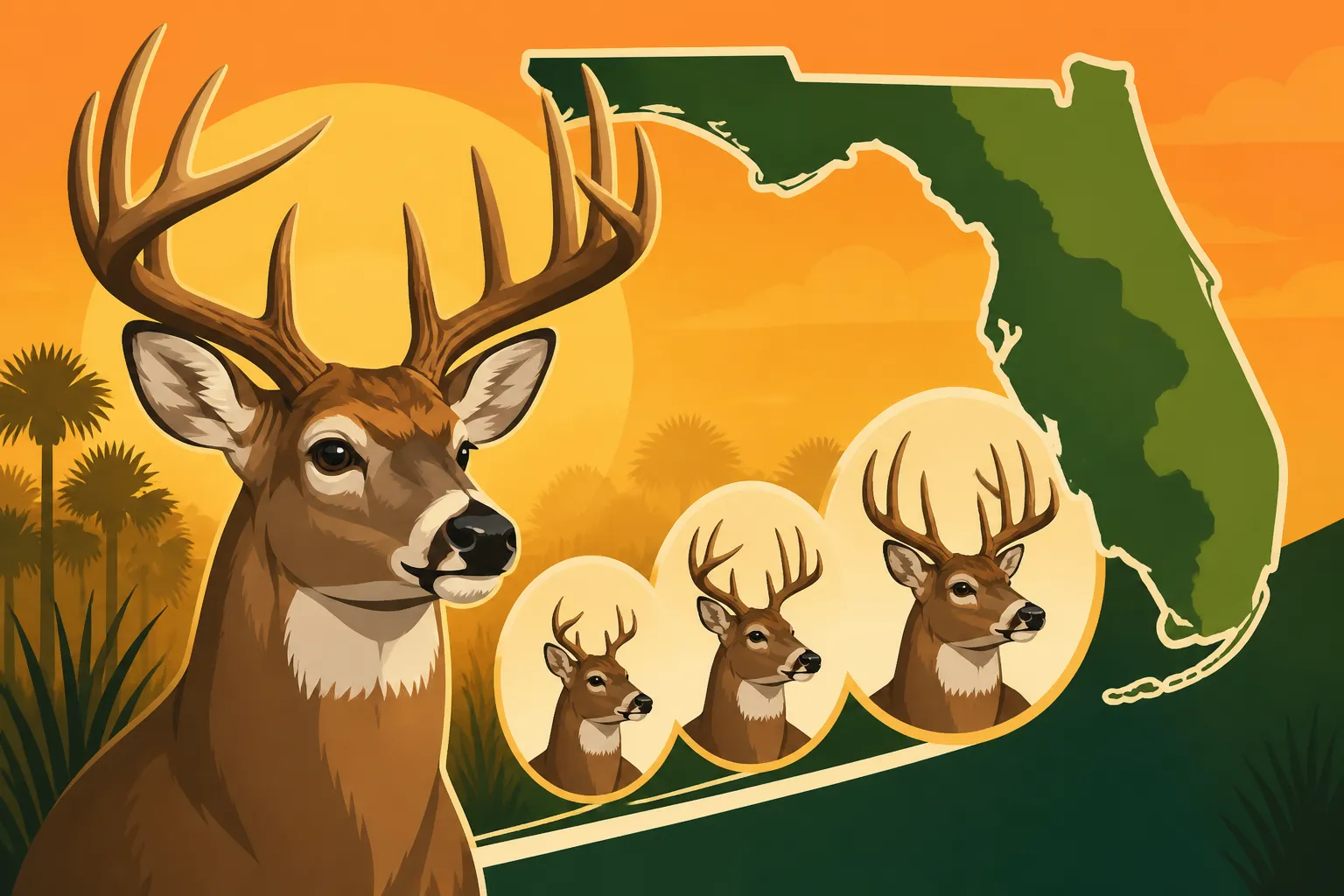
When we talk about buck age structure, we're essentially looking at the distribution of different age classes within the male deer population. It's the ratio of yearling bucks (1.5 years old), to 2.5-year-olds, 3.5-year-olds, and so on, all the way up to truly mature, older animals. This distribution is a direct indicator of herd health, hunting pressure, and the management goals (or lack thereof) in a specific area. In a perfect world, a healthy buck age structure would show a good representation of bucks in all age classes, including a decent percentage of mature animals.
Defining Age Classes in Florida Deer
For deer, age classes are usually defined by half-year increments because deer are born in spring/early summer. So, a deer that is one year old during hunting season is considered 1.5 years old, a two-year-old is 2.5, and so forth. In many parts of the country renowned for "trophy" deer, you might find a significant proportion of bucks reaching 3.5, 4.5, or even 5.5+ years of age. These older animals have had ample time for their antlers and body size to fully develop.
However, Florida's age structure often leans much younger. It’s not uncommon for 1.5-year-old and 2.5-year-old bucks to make up the vast majority of the harvest, particularly on public lands. This means that many bucks are taken before they've had a chance to express their full genetic potential in terms of antler size or body weight. The factors contributing to this youthful age structure are complex, ranging from nutritional limitations in our sandy soils to continuous hunting pressure across various seasons.
The Impact of Early Breeding on Growth
One subtle but significant factor influencing Florida's buck age structure and overall antler quality is our protracted and often early breeding season, also known as the rut. Unlike northern states where the rut is typically a concentrated event in late fall, Florida's rut can vary wildly across the state, with some areas seeing peak breeding as early as July and August, and others well into January or February. You can dive deeper into these variations by exploring When the Florida Rut Peaks by Zone.
This extended and sometimes early rut means that bucks, even young ones, are expending significant energy on reproductive activities over a longer period. A 1.5-year-old buck, still growing its own body, might be actively participating in the rut, chasing does and sparring with other bucks. This expenditure of energy can divert resources away from antler growth and overall body development, particularly in areas with less than optimal nutrition. For a young buck, recovering from a demanding rut while still needing to grow can mean smaller antlers in subsequent years compared to a buck in a region with a later, more concise rut and abundant, high-quality forage. It's a physiological trade-off that contributes to the generally smaller body and antler size we often see in Florida whitetails.
Why Florida's Buck Age Structure is Unique
Florida isn't your typical deer hunting destination, and its buck age structure reflects a combination of environmental factors and human influence that are quite distinct. It’s not simply a matter of "bad genetics" as some might assume; it's a dynamic interplay of climate, habitat, and how we choose to manage and hunt our deer.
Climate, Nutrition, and the Growing Season
While Florida boasts a year-round growing season, this doesn't automatically translate into a year-round buffet of highly nutritious forage for deer. Our sandy soils, particularly across vast expanses of pine flatwoods and palmetto scrub, are often poor in essential minerals and nutrients compared to the rich agricultural lands found in the Midwest or even the fertile river bottoms of other southern states. Deer are browsers, and while they have plenty of green leaves available, the quality of that forage can be a limiting factor.
This nutritional baseline has a profound effect on a buck's growth potential. A buck needs significant protein and minerals to grow large antlers and a robust body. If these resources are scarce, even a genetically superior buck won't reach its full potential. This is a primary reason why you often hear discussions about Why South Florida Deer Run Smaller compared to their counterparts in the Panhandle, where soils can be richer and agriculture more prevalent. This nutritional ceiling means that even if a buck survives to an older age, its antlers might still appear modest to someone accustomed to northern deer. It also impacts the overall Florida Deer Population Estimate by influencing fawn survival rates and the health of the does.
Hunting Pressure and Harvest Rates
Perhaps the most significant factor shaping Florida's buck age structure is hunting pressure. Florida has a substantial hunting population, and access to public lands, while vast, can concentrate hunters in popular areas. Historically, the hunting culture in Florida, like much of the South, was less focused on antler size and more on simply harvesting deer for meat. While this trend is slowly shifting, the cumulative effect of decades of consistent harvest of young bucks means that fewer bucks survive to reach older age classes.
On many public lands, a buck that makes it to 2.5 years old has already beaten the odds. A 3.5-year-old buck is a rarity, and anything older is truly a ghost. This high harvest rate on younger age classes is a direct result of liberal bag limits and a hunting tradition that often prioritizes opportunity over antler maturity. Without specific regulations designed to protect younger bucks, or a widespread cultural shift among hunters, it's challenging for the age structure to shift significantly towards older animals, especially on easily accessible public hunting areas. This is why understanding Florida's Four Deer Management Zones Explained and their specific regulations is so important, as rules can vary to address local herd dynamics.
Understanding Age Structure's Impact on Your Hunt
Knowing the typical buck age structure in Florida isn't just an academic exercise; it's critical for shaping your hunting approach and, more importantly, your expectations. If you go into the woods expecting to see 150-inch deer around every corner, you're likely to be disappointed. However, adjusting your mindset can lead to more fulfilling and successful hunts.
Adjusting Expectations for Florida Bucks
Let's be realistic: a truly mature 3.5 or 4.5-year-old Florida buck will often not have the same antler mass or spread as a buck of the same age from, say, Kansas or Ohio. Our environmental conditions simply don't support the same level of antler growth on average. A good 8-point with decent mass and a 16-inch spread on public land in Florida is often an exceptional animal, representing a buck that has survived multiple hunting seasons and overcome nutritional challenges.
The key is to appreciate the unique challenges a Florida buck faces to reach maturity. When you harvest a 3.5-year-old buck here, you're taking an animal that has demonstrated incredible evasive skills and resilience. Don't let social media or national hunting shows dictate your definition of a "trophy" in Florida. A mature Florida buck, regardless of its score, is a testament to the wildness of our state and a truly hard-earned prize. Many hunters track these achievements in the Florida Deer Record Book, where local standards apply.
Scouting and Strategy for Older Bucks
Given the relatively low numbers of older bucks, hunting them successfully in Florida requires a meticulous and often unconventional approach. These mature animals are masters of navigating heavy cover and avoiding human contact. They are acutely aware of pressure and will utilize the thickest, nastiest palmetto heads, cypress sloughs, or dense pine plantations to escape detection. This is why strategies like Where Florida Bucks Bed in Thick Palmetto become absolutely crucial.
Effective scouting is paramount. Utilize mapping apps and tools like GoHunt to identify overlooked pockets of habitat—small swamps, dense islands of pines, or remote clear-cuts that most hunters walk past. Look for funnel points between these thickets, especially near food sources or water. Pay close attention to subtle signs like old rubs and scrapes that indicate a mature buck's presence, rather than just fresh, young activity.
Furthermore, consider hunting during less popular times or in less accessible areas. While everyone might be out for the general gun season opener, a strategic hunt during the Hunting Florida's Zone A Split Gun Season or other less-pressured times, or even exploring remote WMA sections after a few weeks of season, might increase your odds. Older bucks often become more active during the rut, so understanding its timing in your specific zone is vital for maximizing your chances. Tools provided by GoHunt can help you cross-reference historical data with current conditions, giving you an edge.
Management and Future Trends
The buck age structure isn't static; it's a dynamic system influenced by management decisions and hunting ethics. Both state agencies and private landowners play crucial roles in shaping the future of Florida's deer herd.
FWC's Role in Deer Management
The Florida Fish and Wildlife Conservation Commission (FWC) is tasked with managing the state's deer population, including its age structure, to ensure healthy herds for future generations. They achieve this through a combination of scientific research, habitat management on public lands, and setting hunting regulations. The FWC monitors key metrics like the Florida Buck-to-Doe Ratio by Zone and harvest data to make informed decisions.
Regulations, such as antler-point restrictions (APRs) in some areas or specific bag limits, are tools the FWC can use to potentially increase the number of bucks that survive to older age classes. While statewide APRs are not currently prevalent in Florida, certain Wildlife Management Areas (WMAs) may have specific rules designed to encourage the passing of younger bucks. The FWC also promotes hunter education, encouraging responsible and ethical hunting practices that consider the long-term health of the herd. These efforts, combined with habitat improvement projects, are all aimed at providing a sustainable and healthy deer population across White-Tailed Deer Across Florida.
Private Land Management and Quality Deer Programs
For those hunting on private land, there's often much greater control over local buck age structure. Many private landowners and hunting clubs in Florida are adopting Quality Deer Management (QDM) principles, which focus on allowing younger bucks to mature, harvesting an appropriate number of does to balance the sex ratio, and improving habitat to maximize nutritional resources.
These QDM programs often involve detailed record-keeping, trail camera surveys, and selective harvesting practices. Landowners might implement their own unofficial antler restrictions, requiring hunters to pass on bucks below a certain size or age. They also invest in habitat improvements like food plots, prescribed burns, and timber management to enhance forage quality and cover. Accessing insights and data, potentially through advanced mapping and analysis tools like those offered by GoHunt, can empower private landowners to make more informed decisions about their specific herd. Understanding Florida Landowner Deer Permit Rules is also vital for ensuring any management practices are compliant with state regulations. By proactively managing their properties, these landowners are often able to produce a buck age structure that includes a higher percentage of mature animals, offering exceptional hunting opportunities.
The buck age structure in Florida is a nuanced topic, shaped by everything from ancient geological processes that formed our soils to modern hunting ethics. By understanding these underlying factors and adjusting our approaches, we can become more effective and appreciative hunters of the unique whitetails that call the Sunshine State home.
Disclaimer
This article is for general informational purposes only and does not constitute professional advice. Laws, prices and regulations vary by location and change over time. Consult a qualified professional for guidance on your specific situation.