Florida’s Rank Among Alligator Hunting States
For any hunter dreaming of a true gator encounter, the question of where Florida stands among other alligator hunting states is a common one. It’s not just about finding an alligator; it’s about finding the opportunity, the experience, and the sheer number of these prehistoric beasts that makes a hunt worthwhile. This guide dives deep into why Florida consistently ranks as a premier destination for alligator hunting, exploring its unique advantages and comparing it to other states that offer this thrilling pursuit.
The Alligator Hunting Landscape in the United States
When you talk about alligator hunting, it's not a sport offered just anywhere. These magnificent reptiles have specific habitat requirements, primarily thriving in the warm, wetland ecosystems of the southeastern United States. Over the last few decades, thanks to incredible conservation efforts, alligator populations have rebounded from near extinction, leading to well-regulated hunting seasons in several states.
States with Viable Alligator Populations
The American alligator's natural range stretches across the coastal plain from North Carolina down through Florida and west into Texas, encompassing states like Georgia, Alabama, Mississippi, Louisiana, Arkansas, and even parts of Oklahoma. Within this range, some states have truly prodigious populations, making them prime candidates for regulated hunting. Florida, with its vast network of freshwater lakes, rivers, and swamps, is practically synonymous with alligators. Louisiana, with its sprawling bayous and marshes, also boasts an enormous population. Other states, while having healthy alligator numbers, might not offer the same scale of opportunity or public access as Florida or Louisiana. The history of alligator management is a true success story, moving them from an endangered species list to a managed game animal through careful population monitoring and habitat protection.
Factors Influencing a State's Hunting Rank
So, what makes a state a "top" alligator hunting destination? It's more than just having a lot of gators, though that certainly helps! A combination of factors contributes to a state's appeal for alligator hunters:
- Population Density and Health: A state needs a robust, healthy, and widespread alligator population to sustain hunting. High densities mean more opportunities and less pressure on localized populations. The Florida Alligator Population Estimate is a testament to this success.
- Accessibility and Public Land Opportunities: Can hunters easily access areas where alligators live? States with extensive public lands, or a well-structured private land program, offer more avenues for hunters.
- Season Structure and Length: A longer, more flexible season can increase opportunities, especially for out-of-state hunters who need to plan travel.
- Permit Availability and Cost: How difficult is it to get a permit? States with a generous number of permits, whether through a lottery or over-the-counter sales, tend to rank higher. Tools like GoHunt can be invaluable here, helping analyze draw odds and application strategies for various states' permits.
- Trophy Potential: For many, the thrill is in harvesting a truly large alligator. States known for producing bigger gators naturally attract more hunters seeking that trophy.
- Diversity of Hunting Methods: Offering multiple legal methods (e.g., hook and line, bowfishing, bang stick, harpoon) caters to different hunter preferences and skill sets.
Considering these factors, Florida consistently emerges as a top contender, offering an unparalleled experience for alligator enthusiasts.
Why Florida Stands Out in Alligator Hunting
Florida isn't just one of the top alligator hunting states; many would argue it's the top. The sheer scale and quality of the alligator hunting experience here are truly remarkable, drawing hunters from across the nation and even internationally.
Unmatched Alligator Population and Distribution
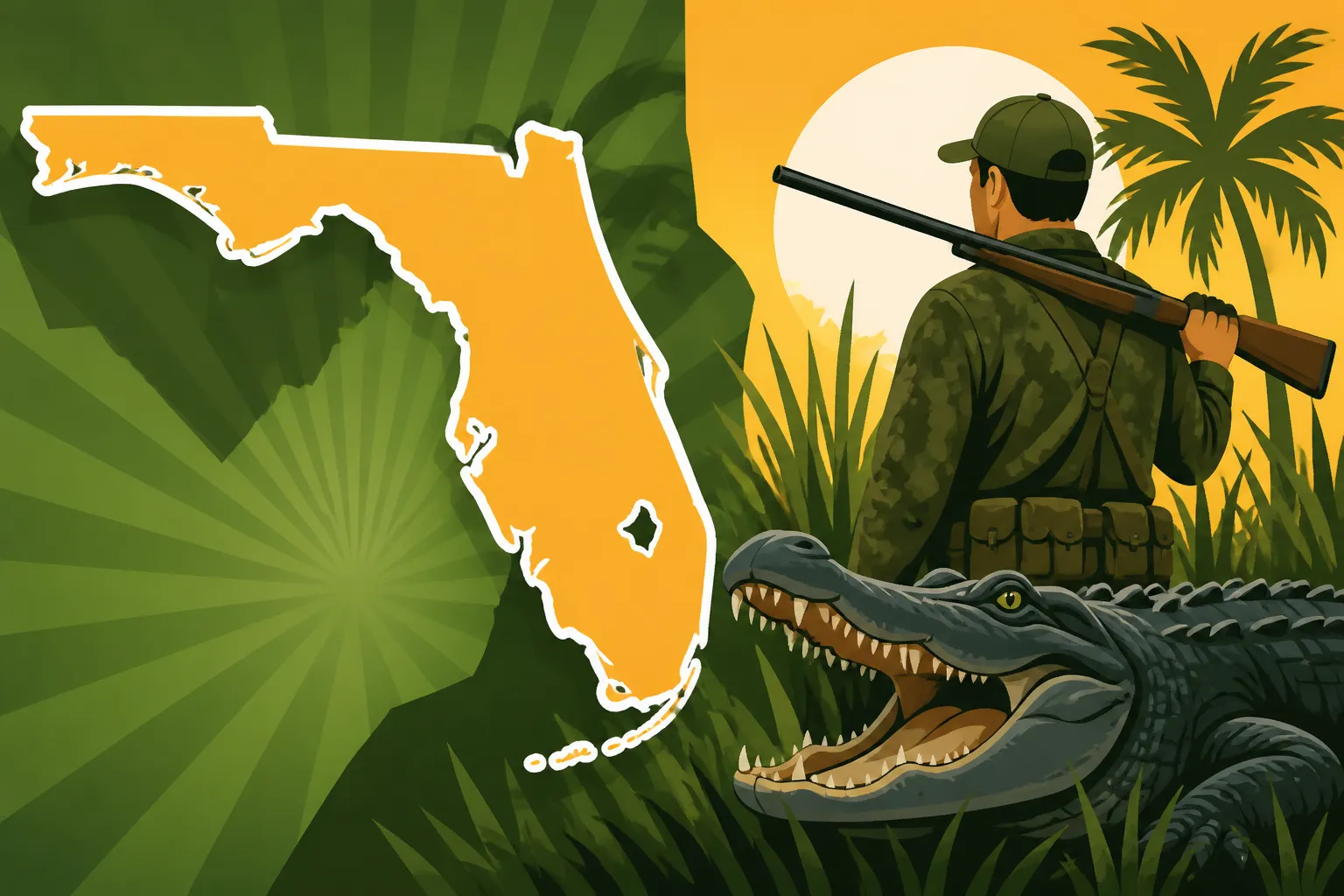
Florida is home to an estimated 1.3 million alligators, spread across virtually every one of its 67 counties. From the vast freshwater expanses of Lake Okeechobee and the St. Johns River to the intricate networks of canals, cypress swamps, and even urban retention ponds, alligators are a ubiquitous part of the Florida landscape. This incredible density means that no matter where you are in the state, you're likely not far from alligator habitat. This widespread distribution ensures that hunting pressure is distributed, maintaining healthy populations and providing diverse hunting environments. Unlike some states where alligators are confined to specific regions, Florida offers opportunities across its entire peninsula and panhandle, making it highly accessible for residents and visitors alike. If you want to understand How Many Alligators Live in Florida, you'll see just how robust the numbers are.
Diverse Hunting Opportunities and Methods
One of Florida's greatest strengths is the variety of ways you can pursue alligators. This isn't a one-size-fits-all hunt; you can tailor the experience to your preferences and skill level:
- Hook and Line: This is a classic method, often used as the primary means to subdue an alligator before a finishing shot. It's a thrilling battle of strength and wits, often done at night.
- Harpoon: For those seeking a more primal, up-close experience, harpooning an alligator from a boat or bank requires precision and nerve.
- Bowfishing: An increasingly popular method, Bowfishing for Florida Alligators offers an exciting challenge. It's an active, visual hunt that tests your archery skills and often takes place during the day.
- Bang Stick: Used for dispatching a captured alligator, the bang stick is a crucial tool for safety and humane harvest. Understanding Harvesting an Alligator With a Bang Stick is a vital part of the process.
Whether you prefer the stealth of stalking or the adrenaline of a direct confrontation, Florida's regulations allow for a diverse range of tactics. This flexibility means that whether you're a seasoned gator hunter or a first-timer, there's a method that fits your style. You can also explore different types of terrain, from the dense cover of a cypress slough to open lake waters, each offering its own unique challenge, much like Stalking an Alligator on a Freshwater Lake.
Robust Management and Permit Systems
Florida's success as an alligator hunting state is underpinned by its exceptionally well-managed permit system. The Florida Fish and Wildlife Conservation Commission (FWC) meticulously manages the alligator population, ensuring sustainable harvest levels while maximizing hunter opportunity. The state's primary avenue for recreational alligator hunting is the statewide alligator harvest program.
This program operates on a quota system, with permits allocated to specific "hunt units" (often large lakes or river systems) and harvest periods. Hunters typically apply through a lottery system for these coveted permits. While the demand is high, the sheer number of permits issued across various hunt units and phases means that many hunters who apply diligently eventually draw a tag. Understanding Florida's Statewide Alligator Permit Lottery is key to participating. The FWC's detailed regulations cover everything from legal harvest methods to the requirement for a Tagging an Alligator With a CITES Tag immediately after harvest, ensuring proper documentation and compliance. This structured approach, combined with consistent monitoring, ensures that Florida's alligator resource remains healthy for future generations of hunters. For prospective hunters, platforms like GoHunt can provide historical draw data and application reminders, significantly streamlining the process of Applying for a Statewide Alligator Permit.
Comparing Florida to Other Top Alligator Hunting States
While Florida certainly holds a top spot, it's worth understanding what other states offer and how their programs compare. This perspective highlights Florida's unique advantages and solidifies its reputation.
Louisiana's Commercial Focus vs. Florida's Recreational Appeal
Louisiana is another heavyweight in the world of alligator hunting, often cited alongside Florida for its vast alligator population. However, the approach and primary focus differ significantly. Louisiana has a very strong commercial alligator industry, where a large portion of the harvest is conducted by licensed trappers and landowners for the hide and meat markets. While recreational opportunities exist, they are often tied into private land leases or guided hunts with commercial permit holders. The season structure and permit system in Louisiana often prioritize commercial interests.
Florida, by contrast, has a much stronger emphasis on the recreational hunter. While hides and meat are certainly valued, the state's lottery system is designed to provide opportunities directly to individual hunters for a personal hunting experience. This means that if your goal is to have a hands-on, self-directed (or guided recreational) alligator hunt, Florida's system is often more aligned with that objective. This distinction doesn't diminish Louisiana's impressive alligator numbers, but it highlights Florida's commitment to making the hunt accessible for the general public.
Texas and South Carolina: Smaller Scale, Unique Experiences
States like Texas and South Carolina also offer alligator hunting, providing excellent opportunities, but typically on a smaller scale than Florida or Louisiana. In Texas, alligator hunting is allowed in certain counties and primarily occurs on private lands, often requiring a landowner permit or a guided hunt. The public land opportunities can be more limited, and the overall population, while healthy, isn't as widespread or dense as in Florida.
South Carolina offers a well-managed public hunt lottery program, similar in concept to Florida's, but with fewer permits and a shorter season. The experiences offered are highly regarded, but the sheer volume of permits and diverse hunting zones that Florida provides are often unmatched. These states offer fantastic, albeit more specialized, alligator hunting experiences, making them great secondary options, but Florida remains the go-to for many due to its scale and consistent opportunities.
The Role of Outfitters and Guides
No matter which state you choose, guides and outfitters play a crucial role, especially for those new to alligator hunting or looking for a premium experience. In Florida, the robust alligator population and structured permit system have fostered a thriving guide industry. Hunters can book a Booking a Guided Florida Alligator Hunt with experienced professionals who provide equipment, expertise, and access to prime hunting areas, especially for non-residents or those unfamiliar with specific waters. Many guides even operate on their own permits, offering clients a chance to hunt without having to draw a tag themselves. This is a common practice across all alligator hunting states, but Florida's high demand means there's a wide array of reputable guides to choose from, offering everything from a day hunt to multi-day packages targeting specific trophy sizes.
Maximizing Your Florida Alligator Hunting Experience
Given Florida's top-tier status, planning your hunt strategically is essential to make the most of your adventure. It's a challenging but incredibly rewarding experience that requires preparation and respect for the animal.
Understanding the Permit System and Application Process
Getting an alligator permit in Florida typically involves applying for the statewide alligator harvest program. This is a lottery system, and success often depends on your chosen hunt unit and phase. Here's what you need to know:
- Application Periods: Pay close attention to the FWC's announced application periods. These are usually in late spring or early summer. Missing the deadline means missing the season.
- Hunt Units and Phases: Florida divides the state into numerous hunt units (specific lakes, rivers, or zones) and then further breaks the season into several "phases" (time periods). Researching these units is crucial. Some units are known for larger gators, others for higher success rates due to population density or easier access. Data from platforms like GoHunt can be immensely helpful in researching historical draw odds and harvest reports for different units, helping you make an informed decision.
- Preferences and Allotments: You'll typically rank your preferred units and phases. The FWC then conducts a random drawing. Even if you don't draw a primary permit, there are often leftover permits available for purchase later, so don't give up if your initial application isn't successful.
- Licenses and Fees: Beyond the alligator permit itself, you'll need a valid Florida hunting license. Be sure to check all requirements and associated costs. Remember to check the FWC website for current permit costs.
Thorough preparation is paramount. Understanding the system and using available resources will greatly increase your chances of securing a permit and having a successful hunt.
Choosing Your Hunting Method and Location
Once you have a permit, the real planning begins. Your chosen method and location will dictate much of your hunting strategy:
- Method Choice:
- Hook and Line: This is often done from a boat at night, requiring a strong spotlight to locate eyes. It's exhilarating, but safety is key.
- Harpoon: Requires close proximity and accurate aiming. Best for calmer waters and clear visibility, often combined with stalking.
- Bowfishing: Ideal for both day and night hunting. It’s an active sport that benefits from good boat control and quick reflexes.
- Firearms: Used as a finishing method. A .22 caliber rimfire is often sufficient for dispatching a gator once it's secured.
- Location Strategy:
- Large Lakes (e.g., Lake Okeechobee, Lake Kissimmee): Offer vast open waters where you can spot cruising gators, often from a boat. They can hold truly massive animals.
- Rivers (e.g., St. Johns River, Suwannee River): Provide current and cover. Look for gators sunning on banks or lurking in backwaters.
- Cypress Swamps and Marshy Areas: Dense cover means closer encounters but also harder navigation. These areas can be excellent for stalking.
Consider the Florida Alligator Season Opening Date and Florida Alligator Season Closing Date when planning your trip. The early season can be hot, but gators are often very active. Late season might offer cooler weather but gators can become more wary. Also, knowing Judging a Legal-Size Florida Alligator is essential, as there are minimum size requirements for harvest in certain areas, and identifying trophy potential takes practice.
Ethical Hunting and Post-Harvest Considerations
Responsible hunting extends beyond just pulling the trigger. It's about respecting the animal, ensuring a humane harvest, and utilizing the resource fully.
- Humane Harvest: Once an alligator is secured, dispatching it quickly and humanely is critical. This typically involves a bang stick or a small caliber firearm to the brain. Safety protocols around firearms, especially in a boat at night, must be strictly followed.
- CITES Tagging: Florida requires a CITES (Convention on International Trade in Endangered Species of Wild Fauna and Flora) tag to be attached to the alligator immediately after harvest. This tag is essential for legal possession and transport of the hide and meat. Understanding Tagging an Alligator With a CITES Tag ensures you're in compliance.
- Meat and Hide Processing: Alligator meat is delicious and can be processed into steaks, nuggets, and sausage. The hide is a valuable resource used for leather goods. Many hunters take their gator to a professional processor or learn to process it themselves. Don't let any part of the animal go to waste.
Alligator hunting is a unique challenge that connects you to Florida's wild heart. By understanding the rules, preparing thoroughly, and hunting ethically, you're not just participating in a sport, but contributing to the sustainable management of an iconic species.
Alligator Hunting State Comparison
Here's a general overview comparing Florida's recreational alligator hunting opportunities with other notable states. This table highlights typical characteristics rather than specific, current regulations, which can change. Always consult each state's wildlife agency for the latest rules.
| Feature | Florida | Louisiana | Texas | South Carolina |
|---|---|---|---|---|
| Alligator Population | Very High (1.3M+) | Very High (2M+) | Moderate to High | Moderate |
| Primary Focus | Recreational Hunter & Sustainable Harvest | Commercial Harvest & Recreational Hunter | Private Land / Commercial / Select Public | Recreational Hunter |
| Permit System | Lottery (Quota Units/Phases) | Private Land/Commercial Tags / Limited Public | Landowner Tags / Limited Public Draw | Lottery (Specific Zones) |
| Hunting Methods | Hook & Line, Harpoon, Bowfishing, Firearms | Trap, Snare, Hook & Line, Firearms | Hook & Line, Harpoon, Firearms, Archery | Hook & Line, Harpoon, Archery, Firearms |
| Public Land Access | Extensive (Statewide Program) | More Limited for Recreational Hunters | Generally Limited for Alligator | Specific Public Hunt Units |
| Season Length | Multi-Phase (August-November typical) | Varies, often longer for commercial | Varies by county, typically shorter | Shorter (September-October typical) |
| Trophy Potential | Excellent | Excellent | Good | Good |
| Outfitter Market | Very Robust | Robust (often commercially tied) | Moderate | Moderate |
Disclaimer
This article is for general informational purposes only and does not constitute professional advice. Laws, prices and regulations vary by location and change over time. Consult a qualified professional for guidance on your specific situation.