Florida Bear Population by Subpopulation Zone
It's becoming more and more common to hear tales of Florida black bears venturing into suburban areas, rummaging through trash, or just making a surprise appearance on someone's porch. This can certainly spark a lot of curiosity, and sometimes even concern, about exactly where these magnificent animals live and how many of them there really are across our state. This comprehensive guide aims to shed light on Florida's black bear population, meticulously breaking it down by the distinct subpopulation zones that our wildlife experts recognize. We'll explore the unique characteristics of each area and the factors influencing bear numbers, giving you a clearer picture of these resilient creatures.
Understanding Florida's Black Bear Subpopulations
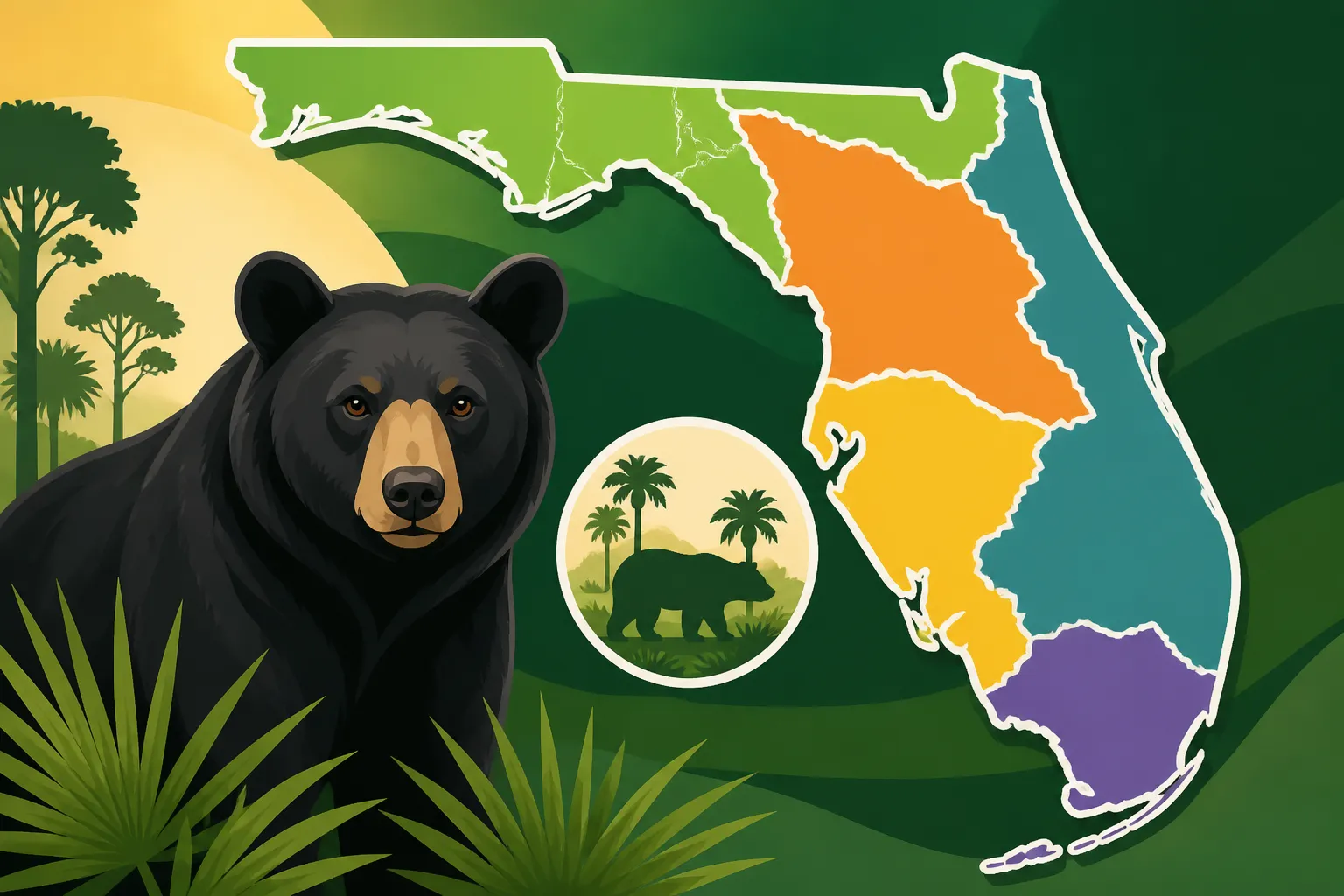
Florida is a wild and diverse state, and it’s no surprise that our black bear population isn't just one big, uniform group. Instead, wildlife biologists have identified distinct subpopulations, largely separated by development and major roadways, which helps them manage these animals more effectively. Each of these zones represents a relatively isolated group of bears that share common habitat characteristics and face similar challenges. It’s fascinating to think about how these populations have adapted to their specific corners of the state.
The Concept of Subpopulation Zones
When we talk about "subpopulation zones," we're really talking about areas where bears live, breed, and move within a relatively contained geographical region. Imagine islands of forest habitat surrounded by a sea of human development. These "islands" are where our bears are found. While a bear can travel between these zones, it's not a regular occurrence, and usually involves navigating significant human infrastructure, which can be dangerous for them. These distinctions are crucial for understanding how many black bears live in Florida and how best to protect them. The Florida Fish and Wildlife Conservation Commission (FWC) uses these zones to monitor population health, track growth or decline, and tailor specific management strategies to each group's unique needs. This localized approach is key because what works in the vast Apalachicola National Forest might not be the right strategy for bears living on the fringes of urban Orlando.
Historical Context of Bear Recovery
It’s hard to believe, but the Florida black bear was once on the brink of extinction. Back in the 1970s, their numbers had dwindled dramatically due to habitat loss and historical overhunting, leaving only a few hundred individuals scattered in isolated pockets. It was a dire situation, and many feared Florida would lose its only native bear species forever. However, thanks to dedicated conservation efforts, strict protections, and a remarkable ability of bears to adapt and reproduce, their population has seen an incredible rebound. If you're interested in the journey, you can read more about How Florida's Bear Population Rebounded Since the 1970s. This recovery is truly a testament to what focused wildlife management and public awareness can achieve. The reclassification of the bear from "threatened" to "species of special concern" and eventually off the state's imperiled list reflects this tremendous success story, albeit one that continues to require careful management.
Key Characteristics of Each Bear Zone
Florida's geography is incredibly varied, from the longleaf pine forests of the Panhandle to the cypress swamps of the Everglades. Naturally, the black bear populations in these different regions have adapted to their local environments, resulting in distinct characteristics and challenges for each subpopulation zone. Understanding these differences helps us appreciate the resilience and diversity of Florida's bears.
North Florida and Panhandle Subpopulations
This region is often considered a stronghold for Florida's black bears, boasting some of the largest and most robust populations. The primary zones here include the Apalachicola, Eglin, and St. Johns River (northern portion) subpopulations.
- Apalachicola Subpopulation: Located in the expansive Apalachicola National Forest and surrounding state lands, this area provides vast stretches of relatively undisturbed habitat. Think dense pine flatwoods, cypress swamps, and bottomland hardwoods. Bears here have ample room to roam, with access to diverse food sources like acorns, palmetto berries, and various insects. This subpopulation is often cited as one of the largest and most stable in the state. Hunters who explore these large tracts for other game, like those interested in Hunting Florida's Panhandle Pine Plantations, will often encounter strong bear sign. The sheer size of this habitat helps buffer these bears from some of the immediate pressures of urban expansion.
- Eglin Subpopulation: Centered around the Eglin Air Force Base in the western Panhandle, this population benefits from the vast protected lands managed by the military. While not a national forest, Eglin's restricted access and extensive natural areas provide excellent bear habitat. These bears navigate a mix of pine forests and wetlands, often finding refuge in areas less disturbed by human activity. Their proximity to developed areas, however, means occasional conflicts.
- St. Johns River Subpopulation (Northern): This zone encompasses the large natural areas along the St. Johns River corridor, extending north into northeast Florida. This area is characterized by floodplain forests, swamps, and agricultural lands that provide food and cover. Bears in this zone often live closer to human development than their Panhandle counterparts, leading to more frequent interactions and requiring tailored management strategies to promote coexistence.
Central Florida Subpopulations
Central Florida is a different beast altogether, marked by a growing human population and significant urban development. Yet, pockets of wilderness persist, supporting vital bear subpopulations, particularly the Ocala and more southerly St. Johns River populations, and a distinct group near the coast.
- Ocala Subpopulation: The Ocala National Forest is perhaps the most famous bear habitat in Florida, partly due to its central location and the high visibility of its bear population. This zone is a mosaic of sand pine scrub, hardwood hammocks, and numerous lakes and springs. Bears here are accustomed to humans, and unfortunately, this is also a zone where human-bear conflicts, particularly related to food attractants like trash and pet food, are very common. Their habitat is relatively contained by major highways and surrounding development, making population estimates and management crucial. Understanding Ocala National Forest Hunting regulations sometimes includes special considerations due to the dense bear population.
- St. Johns River Subpopulation (Southern/Central): As the St. Johns River winds south, the habitat changes, but bears still thrive along its natural corridors. This central part of the St. Johns ecosystem features extensive wetlands, swamps, and agricultural lands, providing rich food sources. Bears here navigate a landscape increasingly fragmented by development, making safe travel corridors and human awareness paramount.
- Eastern Central Florida Coast Subpopulation: This smaller, more isolated group of bears is found in coastal conservation lands, often near residential areas from Volusia to Palm Beach counties. These bears are particularly vulnerable to habitat fragmentation and vehicle collisions, as they live in a narrow strip of suitable land often squeezed between the Atlantic Ocean and sprawling communities. Their survival depends heavily on protected reserves and the cooperation of local residents.
South Florida Subpopulations
Moving further south, the landscape transforms into the vast wetlands and unique ecosystems of the Everglades and Big Cypress, supporting another distinct bear population.
- South Florida Subpopulation (including Big Cypress and Glades): This is perhaps the most geographically unique bear subpopulation, occupying the vast wilderness of the Big Cypress National Preserve, Everglades National Park, and surrounding state and private lands. This area is dominated by cypress swamps, pine flatwoods, and sawgrass prairies. Bears here are generally less habituated to humans due to the immense scale of their habitat, but they still face challenges from encroaching development and road mortality on the fringes of their range. Hunting activities in this remote region, such as those detailed in Hunting the Everglades and Big Cypress, often reveal the signs of a healthy bear presence. Their diet here can be quite different from northern bears, relying heavily on wetland plants and aquatic foods, in addition to typical berry and acorn mast.
Here's a quick overview of Florida's primary black bear subpopulation zones and their approximate populations:
| Subpopulation Zone | Primary Geographic Location | Approximate Population Estimate | Key Habitat Features | Primary Threats |
|---|---|---|---|---|
| Apalachicola | Western Panhandle | 1,200+ | Pine flatwoods, cypress swamps, bottomland hardwoods | Habitat fragmentation, human-bear conflict |
| Eglin | Western Panhandle | 150+ | Pine forests, wetlands, protected military lands | Road mortality, limited range expansion |
| St. Johns River (Northern) | Northeast Florida | 150+ | Floodplain forests, swamps, agricultural interfaces | Human-bear conflict, habitat encroachment |
| Ocala | Central Florida | 1,000+ | Sand pine scrub, hardwood hammocks, springs | Human-bear conflict, road mortality, development |
| St. Johns River (Central/South) | Central Florida | 100+ | Wetlands, swamps, fragmented forests | Habitat fragmentation, road mortality, development |
| Eastern Central Florida Coast | Coastal Volusia to Palm Beach | 50+ | Coastal scrub, fragmented conservation lands | Extreme habitat fragmentation, road mortality, isolation |
| South Florida (Big Cypress/Glades) | Southwest Florida & Everglades | 1,200+ | Cypress swamps, pine flatwoods, sawgrass prairies, remote | Habitat loss, road mortality on fringes, climate change |
Note: Population estimates are dynamic and fluctuate based on various factors. Always refer to the FWC for the most current data.
Factors Influencing Bear Population Dynamics in Florida
Understanding where bears live is just one piece of the puzzle; knowing why their populations might grow, shrink, or shift is equally important. Florida's black bear populations are constantly influenced by a complex interplay of environmental factors, human activities, and natural cycles. It’s a delicate balance, and often, human decisions play a significant role.
Habitat Fragmentation and Urban Sprawl
One of the biggest threats to Florida's black bears, and much of its wildlife, is the relentless march of human development. As Florida's population grows, more land is converted from natural habitat to housing developments, shopping centers, and roadways. This leads to habitat fragmentation, where large, contiguous natural areas are broken up into smaller, isolated patches. Bears, being wide-ranging animals, struggle to find enough space and to move safely between these fragments. This can lead to increased conflicts as bears are forced into closer proximity with people, often searching for food in residential areas. These fragments also become "islands" where genetic diversity can decrease over time. Resources like GoHunt often utilize land cover data that aligns with these habitat types, helping us understand potential bear range and how it's shrinking.
Major highways act as significant barriers, not only preventing movement but also contributing to high rates of road mortality. The construction of wildlife crossings and underpasses, while effective, is an ongoing and expensive effort. This issue underscores why understanding Where Florida's One CWD Case Was Found and similar localized wildlife health issues is so important, as isolated populations can be more vulnerable to disease.
Food Availability and Natural Cycles
The availability of natural food sources is a critical driver of bear population dynamics. Florida bears primarily feed on a wide variety of plant material, including acorns, berries (like palmetto berries, sabal palm berries, and blueberries), fruits, and nuts. They also consume insects, grubs, and occasionally small vertebrates or carrion.
- Mast Crops: Years with abundant acorn and berry crops often lead to healthier bears, higher cub survival rates, and increased reproductive success. Conversely, poor mast years can stress bear populations, leading to reduced cub production and an increase in bears venturing into human-dominated areas in search of food. This is a natural cycle, but when combined with habitat loss, it exacerbates the challenges.
- Climate and Weather: Droughts can reduce natural food production, forcing bears to expand their foraging efforts. Flooding, particularly in wetland-heavy areas like South Florida, can displace bears from their usual territories, making them more visible and increasing potential for human encounters.
- Human-Provided Food: While not natural, human-provided food sources (like garbage, pet food, and bird feeders) significantly impact bear behavior and population dynamics. Bears are highly intelligent and opportunistic, quickly learning where to find easy calories. This can artificially inflate local populations in certain areas, leading to increased human-bear conflicts and, paradoxically, less healthy bears in the long run due to a poor diet and increased risk of injury or death from human interactions.
Human-Bear Interactions and Management
As bear populations have rebounded and human development has expanded, interactions between bears and people have become more common. This is a complex issue that requires ongoing management and public education.
- Conflict Zones: Areas where urban development meets wildland habitat are often "conflict zones." Bears naturally roam and forage, and if easy food is available from human sources, they will exploit it. This leads to issues like bears overturning trash cans, damaging property, and occasionally, confrontations with pets or people.
- Public Education: A cornerstone of bear management in Florida is public education, focusing on teaching residents how to live responsibly in bear country. This includes securing trash, removing pet food and bird feeders, and never intentionally feeding bears. Promoting coexistence through awareness campaigns is vital to reducing negative interactions.
- FWC Intervention: The FWC actively manages bear-human conflicts through various methods, including hazing (scaring bears away from human areas), trapping and relocating nuisance bears, and, in severe cases of habituation or aggression, euthanasia. These interventions are often difficult but necessary to ensure public safety and the long-term health of the bear population. It's a constant balancing act between protecting bears and protecting people.
Conservation and Management Strategies
The successful recovery of Florida's black bear population is a conservation triumph, but it's an ongoing effort that requires continuous vigilance and proactive management. These strategies aim to ensure bears have the space and resources they need to thrive, while also minimizing conflicts with humans.
Monitoring and Research
Understanding the bear population is fundamental to effective management, and this relies heavily on robust monitoring and research. The FWC employs various scientific methods to keep tabs on Florida's black bears.
- Population Estimates: Wildlife biologists use a combination of techniques, including hair snares for DNA analysis, GPS collaring, and observation data, to estimate population numbers within each subpopulation zone. This data is critical for assessing population health, reproductive rates, and survival trends. Knowing the number of Florida Bear Population Estimate helps guide management decisions, such as setting quotas if hunting seasons are implemented.
- Habitat Analysis: Researchers analyze habitat quality, connectivity, and land use changes using geographic information systems (GIS) and remote sensing. This helps identify critical bear habitat, potential corridors for movement, and areas where fragmentation is a significant threat. Tools like those used for Scouting Florida Public Land Before Season can also be applied at a larger scale for habitat assessment.
- Health and Disease Surveillance: Monitoring the health of bear populations is important for detecting potential disease outbreaks or other stressors. This involves examining captured bears, collecting biological samples, and studying deceased individuals.
Public Education and Coexistence Initiatives
One of the most impactful strategies for bear conservation in a rapidly developing state like Florida is fostering coexistence between bears and humans. This largely comes down to public education and community involvement.
- "BearWise" Programs: Many communities in Florida participate in "BearWise" or similar programs that provide residents with practical tips for reducing human-bear conflicts. These initiatives emphasize securing garbage, bringing in pet food and bird feeders, cleaning grills, and being aware of bear activity in the area. When people understand bear behavior and how their actions can attract bears, conflicts significantly decrease.
- Bear-Resistant Products: Encouraging the use of bear-resistant trash cans, dumpsters, and food storage solutions is a key component. Some communities even offer rebates or special programs to help residents acquire these tools. This proactive approach helps remove the temptation of easy calories from human sources, which is often the root cause of nuisance bear behavior.
- Reporting Sightings and Incidents: The public plays a vital role in reporting bear sightings, particularly conflicts or injured bears, to the FWC. This data helps wildlife managers understand bear activity patterns, identify problem areas, and respond appropriately.
Hunting as a Management Tool
While controversial for some, hunting can be considered a management tool when a healthy and robust bear population reaches certain thresholds, and when other management techniques alone are not sufficient to address increasing human-bear conflicts.
- Historical Context: After decades of protection, Florida briefly held a bear hunting season to manage specific populations. This decision was based on scientific population data indicating healthy numbers and was aimed at reducing human-bear conflicts by managing population growth in certain areas. Details regarding Florida's Reinstated Bear Hunting Season show the FWC’s careful approach and specific guidelines.
- Strict Regulations: Any potential bear hunting season would operate under extremely strict regulations, including limited permits, specific zones, and quotas, often with the goal of targeting areas with high conflict rates. The goal is never to reduce the overall population to unhealthy levels, but to stabilize numbers where they are causing significant issues for both bears and people.
- Ethical Considerations: The use of hunting as a management tool is always accompanied by extensive public dialogue, scientific review, and a focus on ethical harvest. It requires a deep understanding of the Florida Hunter Education Requirements and strict adherence to all laws and regulations. The ultimate goal is to maintain a healthy and sustainable bear population while minimizing negative interactions with Florida residents.
Disclaimer
This article is for general informational purposes only and does not constitute professional advice. Laws, prices and regulations vary by location and change over time. Consult a qualified professional for guidance on your specific situation.