Florida Bobcat Range Expansion
If you've spent any time exploring Florida's wild spaces, or even just lived on the fringe of one of our sprawling communities, you might have noticed something intriguing: bobcats seem to be making more frequent appearances. These elusive, beautiful felines are a quintessential part of Florida's natural tapestry, but their presence in areas once thought primarily human-dominated has many folks wondering if their populations are truly on the rise and if their range is expanding. This guide will dive deep into the fascinating world of Florida's bobcats, exploring their current distribution, the factors contributing to their perceived expansion, and what it means for both wildlife and residents.
Historical Context and Current Distribution of Florida Bobcats
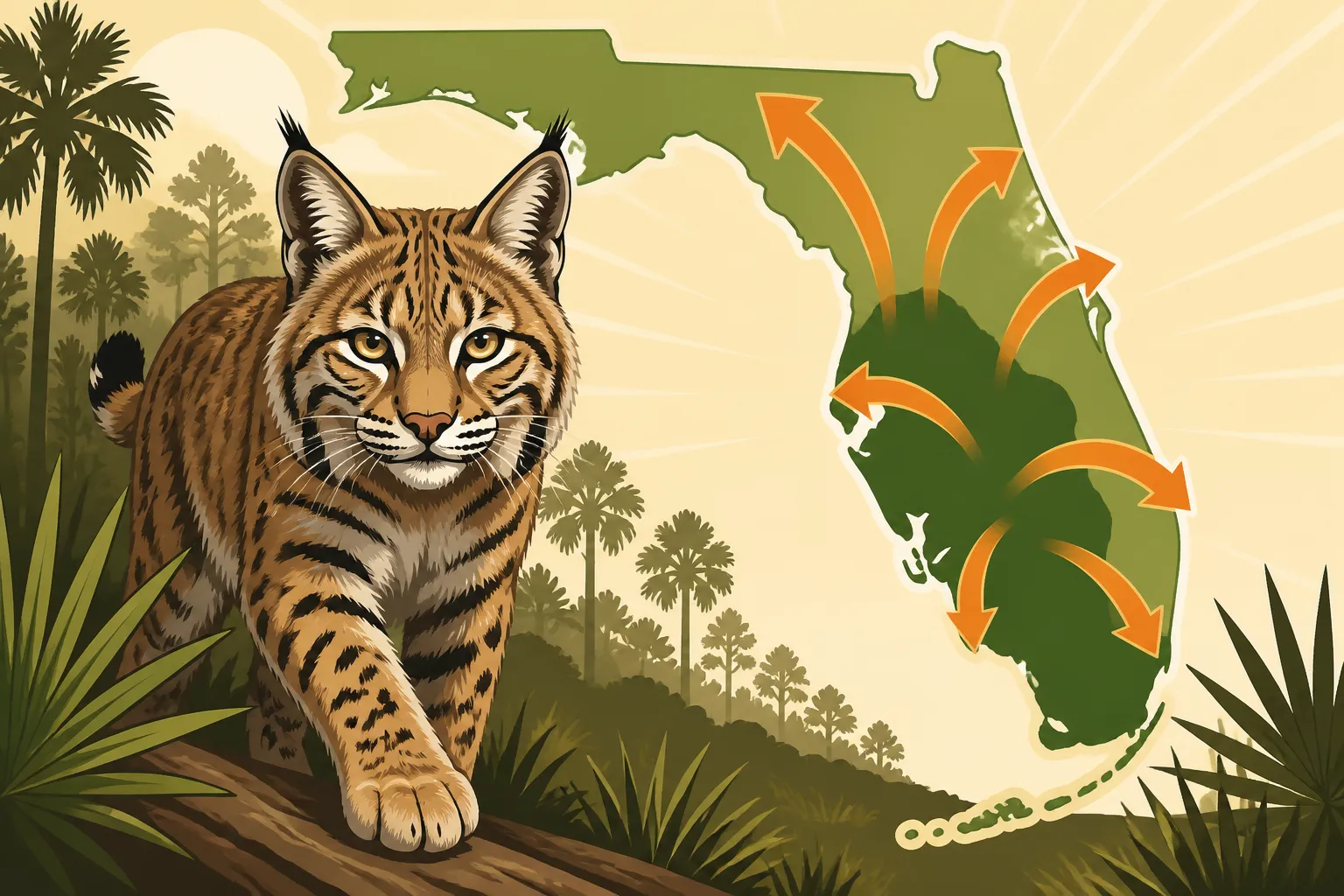
For generations, the bobcat has been one of Florida's most iconic yet unseen residents. Known for their stealth and nocturnal habits, they've always roamed the state, from the Panhandle's pine forests down to the thick cypress swamps of the Everglades. But the idea of a "range expansion" can be a bit nuanced when talking about an animal that has always been widespread. It's more about how we perceive their presence and how their populations might be adapting to a changing landscape.
A Native Species Under Pressure, Then Resilient
Historically, bobcats have always been present across Florida. They are highly adaptable creatures, true generalists when it comes to habitat. While they prefer dense cover like palmetto thickets, oak hammocks, and swamp edges, they've never been limited to pristine wilderness. For a long time, their elusive nature meant that most encounters were fleeting glimpses for lucky hunters or hikers. They were seen as wild, untamed denizens of the deep woods.
However, like many wildlife species, bobcats faced pressures from habitat loss and unregulated hunting in past centuries. Florida's rapid growth and development chewed up vast tracts of land. Yet, the bobcat's inherent resilience and ability to make a living in diverse environments allowed them to persist, often unnoticed, even as their traditional strongholds shrunk or became fragmented. They are a testament to nature's ability to adapt.
From Deep Woods to Backyard Edges: A Shifting Perception
Today, it's not so much that bobcats are entering entirely new territories where they've never been before. Instead, it seems they are becoming more visible and established in areas that were previously less hospitable or where human activity kept them further at bay. This includes suburban greenbelts, large ranches bordering housing developments, and even sprawling agricultural fields. They're still widespread throughout White-Tailed Deer Across Florida's diverse landscapes, but their preferred definition of "cover" might be shifting to include human-modified environments.
Think about it: a patch of woods behind a shopping center, a drainage ditch lined with thick brush, or an undeveloped parcel awaiting construction – these all offer cover, potential prey, and travel corridors for a bobcat. Hunters and outdoor enthusiasts using tools like GoHunt to scout public lands have noted bobcat sign in unexpected places, a real shift from decades past when you truly had to venture deep to find tracks or scat. This adaptation is key to understanding why their "range" feels like it's expanding into our everyday lives.
Factors Driving Bobcat Presence in New Areas
The increase in bobcat sightings in more developed areas isn't just a figment of our imagination. Several ecological and environmental factors are contributing to their seemingly wider distribution and increased visibility, reflecting their remarkable ability to thrive amidst human activity.
Adaptability and a Generalist Diet
One of the primary reasons bobcats are succeeding is their incredible adaptability. They aren't picky eaters, which is a huge advantage in a changing landscape. Their diet is incredibly varied, consisting mainly of small mammals like rabbits and rodents, but they'll readily take birds, reptiles, and even insects. They're also not above scavenging if an opportunity arises. This flexibility means that even if one prey source declines due to habitat changes, they can shift to another, making them incredibly resilient.
We often think of them primarily hunting Florida Cottontail and Marsh Rabbit Populations or even small deer, but a bobcat will happily make a meal out of squirrels, rats, or marsh rabbits. This broad menu allows them to exploit a wider array of habitats, including those closer to human development where smaller prey animals might be abundant. If you're a hunter who carefully monitors game populations, you'll know that a healthy ecosystem often supports a diverse range of prey, which in turn supports predators like the bobcat.
Habitat Modification and Fragmentation
Paradoxically, human development, while destroying large tracts of contiguous habitat, has also created opportunities for bobcats. As Florida's wild spaces are fragmented by roads, housing developments, and commercial properties, new "edge habitats" are created. These edges, where forest meets field or suburbia meets wildland, are often incredibly productive for small game, attracting the very prey that bobcats depend on. The dense undergrowth along fence lines, canal banks, and undeveloped parcels provides perfect cover for stalking.
Many people are surprised to find bobcats not far from busy roads or suburban parks, but these areas, with their mix of cover and accessible prey, can be very appealing. While a massive tract of untouched forest is ideal, a series of smaller, interconnected patches of natural land – perhaps along a river corridor or a power line easement – can also support a bobcat population. It’s like creating a network of hunting grounds and safe havens that these clever cats can navigate.
Reduced Competition and Predation Pressure
Another factor contributing to bobcat success is the relative lack of significant natural predators. While Florida does have Florida Panther Recovery Numbers, their populations are still quite limited, primarily confined to South Florida. This means that across much of the state, bobcats don't face intense competition for resources or direct predation from larger felids.
Coyotes, a relatively new arrival to Florida compared to bobcats, do occupy a similar niche, and there can be some overlap and competition. However, bobcats are excellent at carving out their own territories and often coexist by utilizing slightly different hunting strategies or timeframes. Knowing the Florida Coyote Range and Density helps understand this dynamic, but it seems bobcats are still holding their own quite effectively. For hunters, observing predator dynamics can provide valuable insight into the overall health and balance of a local ecosystem.
Impact on Florida's Ecosystem and Other Game Species
As bobcats become more visible in a wider array of Florida landscapes, it's natural to wonder about their ecological role and how their presence might affect other wildlife, particularly the game species we pursue. Bobcats are an important part of the food web, and understanding their impact helps paint a clearer picture of Florida's wild heart.
Role as a Mesopredator
Bobcats play a crucial role as a "mesopredator" in Florida's ecosystems. Mesopredators are mid-ranking predators that primarily hunt smaller prey, and in doing so, they help regulate the populations of those species. This isn't about bobcats "wiping out" prey; it's about maintaining a healthy balance. By preying on weak, sick, or unwary individuals, they contribute to the overall health and vigor of prey populations, preventing overgrazing or disease outbreaks that can sometimes occur when prey numbers become unchecked.
Think of it as nature's quality control. A bobcat is essentially doing the ecosystem a favor by keeping populations like rodents and rabbits from exploding. This can be particularly important in environments undergoing rapid change, where certain pest species might otherwise thrive unchecked.
Interaction with Game Species
For hunters, the presence of bobcats naturally raises questions about their impact on preferred game species. Bobcats certainly prey on smaller game, including squirrels, rabbits, and ground-nesting birds like wild turkeys, especially during the vulnerable poult stage. A significant portion of a bobcat's diet, however, is often made up of rodents and other non-game small mammals. While they can and do take young deer, particularly fawns, it's generally not their primary food source, especially for healthy adult deer.
| Prey Category | Typical Bobcat Diet Contribution | Example Species Taken | Impact on Game Management |
|---|---|---|---|
| Small Mammals | High (50-70%) | Rabbits, squirrels, mice, rats, armadillos | Helps control rodent populations, minor impact on small game numbers |
| Birds | Moderate (10-20%) | Quail, turkeys (poults), various songbirds | Can impact ground-nestnesting bird populations, especially turkey poult survival Florida Turkey Brood Survey Results |
| Reptiles/Amphibians | Low (5-10%) | Snakes, lizards, frogs | Opportunistic, little impact on game species |
| Deer | Low (occasional, typically fawns) | Fawns, sickly or injured adult deer | Minimal impact on overall Florida Deer Herd Size |
| Insects/Scavenging | Opportunistic | Large insects, carrion | Supplements diet, especially in lean times |
Hunters often use trail cameras or observations of Florida Squirrel and Rabbit Populations to gauge the health of their local hunting grounds. The presence of bobcats indicates a functioning ecosystem, but a sudden surge in their numbers could potentially affect local small game populations if habitat or other factors are out of balance. However, in healthy, diverse Florida habitats, bobcats are just one piece of the puzzle.
Competition with Other Predators
Bobcats aren't alone in the Florida predator landscape. They share territory with coyotes, foxes, and even various raptors. While there can be some competition for prey, especially small mammals, bobcats often avoid direct conflict through spatial or temporal partitioning – essentially, hunting at different times or in slightly different types of cover. For instance, a bobcat might stick closer to dense palmetto heads while a coyote hunts more open pine flatwoods.
Feral hogs are another factor, though less of a direct competitor for food. However, Florida Feral Hog Diet and Rooting Damage can significantly alter habitats, potentially impacting the ground cover and food sources that bobcats and their prey rely on. Understanding these complex interactions is key to appreciating the intricate web of life in Florida.
Living with Bobcats: Coexistence and Management
As bobcats become a more common sight, even on the fringes of urban areas, understanding how to coexist with them and what regulations pertain to them becomes increasingly important. They are a valuable part of Florida's wildlife, and learning to share our space thoughtfully is crucial.
Minimizing Conflicts in Human-Populated Areas
The good news is that bobcats are naturally shy and generally avoid humans. Conflicts are rare, but when they do occur, they almost always involve pets, especially outdoor cats or small dogs left unsupervised. To minimize potential issues:
- Secure Pets: Keep cats indoors, especially at night. If you have a small dog, always supervise it when outdoors, particularly at dawn and dusk.
- Remove Food Attractants: Don't leave pet food outside. Secure trash cans with tight-fitting lids. Remove fallen fruit from trees, as it can attract rodents and other small animals that bobcats hunt.
- Clear Brush: Keep areas around your home clear of dense brush or woodpiles, which can provide hiding spots for bobcats or their prey.
- Educate Yourself: Learn about bobcat behavior. A bobcat passing through your yard is usually just looking for food or a travel corridor. It's rarely a sign of aggression.
Hunting and Trapping Regulations
Bobcats are classified as a furbearer in Florida, meaning they can be legally hunted and trapped during specific seasons, provided you have the appropriate licenses and permits. This is not about eradication but about managing populations where necessary and providing opportunities for regulated harvest. The Florida Fish and Wildlife Conservation Commission (FWC) sets these seasons and bag limits.
Hunters interested in bobcats must be aware of the Florida Trapping License Requirements or hunting license requirements for furbearers. The Florida Fox and Bobcat Trapping Season typically occurs in the cooler months, when their pelts are at their prime. It's essential to consult the most current FWC regulations booklet or use resources like GoHunt to stay up-to-date on specific season dates, legal methods, and reporting requirements. Ethical and legal hunting and trapping practices are vital to ensuring the continued health of Florida's bobcat population.
Understanding Bobcat Behavior
Bobcats are generally crepuscular, meaning they are most active at dawn and dusk, though they can be seen at any time. Their secretive nature means most people who live near them never even know they're there. If you do encounter a bobcat, it's usually just a fleeting moment. They are typically focused on their own business and will usually retreat if they realize a human is present.
If you observe a bobcat that seems unafraid of humans, or is acting strangely, it's always best to give it space. Never approach or attempt to feed a wild bobcat. The FWC encourages reporting any instances of unusually aggressive or sick-looking wildlife. Understanding and respecting their natural behavior is the best way to ensure harmonious coexistence with these beautiful and wild Florida cats.
Disclaimer
This article is for general informational purposes only and does not constitute professional advice. Laws, prices and regulations vary by location and change over time. Consult a qualified professional for guidance on your specific situation.