How Florida WMAs Are Managed
For many hunters, the maze of rules and regulations on Florida's Wildlife Management Areas can feel overwhelming, like trying to navigate a dense cypress swamp in the dark. You see these vast tracts of public land on the map, full of promise, but understanding how they're actually managed – the philosophy, the practical efforts, and the constant balancing act involved – is key to a successful and ethical hunting experience. This guide will pull back the curtain on the intricate system of WMA management, giving you a clearer picture of what goes into preserving and enhancing these vital resources for all of us.
The Core Philosophy Behind Florida WMA Management
When you step onto a Florida Wildlife Management Area, you're entering a landscape that isn't just left to its own devices. These areas are actively managed, and there's a deep-seated philosophy guiding every decision, from prescribed burns to timber harvests. At its heart, WMA management aims for a dual purpose: to conserve Florida's diverse wildlife and their habitats, and to provide sustainable recreational opportunities, especially hunting and fishing, for the public. It's a delicate dance, always striving to find harmony between ecological health and human enjoyment.
Think about the sheer variety of ecosystems in Florida – from the longleaf pine uplands of the Panhandle to the sawgrass marshes of the Everglades, and everything in between like oak hammocks, cypress swamps, and sandhills. Each of these environments supports unique flora and fauna, and effective management requires understanding and addressing the specific needs of each one. It's not a one-size-fits-all approach; what works for deer in a central Florida flatwoods WMA won't necessarily be appropriate for waterfowl in a coastal marsh. This localized, ecosystem-based management is crucial for success.
Balancing Conservation and Public Use
It's a common frustration for hunters when regulations seem to change or when certain areas are closed, but often, these decisions are rooted in this fundamental balancing act. The Florida Fish and Wildlife Conservation Commission (FWC), along with partner agencies, works to ensure that the long-term health of the ecosystem takes precedence, even if it means short-term restrictions for users. For example, if a particular WMA is experiencing a decline in a specific game species, say bobwhite quail, due to habitat degradation, managers might implement stricter bag limits or even temporary closures to allow the population to recover. It's about thinking generations ahead, not just about the current season.
This balance also extends to managing different user groups. WMAs aren't just for hunters; they're also utilized by hikers, birdwatchers, anglers, photographers, and other outdoor enthusiasts. Managers must consider the impact of all these activities and implement zoning or seasonal restrictions to minimize conflicts and ensure everyone can enjoy the natural resources safely and respectfully. Imagine the challenge of managing a popular WMA that sees heavy deer hunting pressure in the fall, but also serves as a critical nesting ground for migratory birds in the spring. Decisions about access points, road closures, and designated use areas all feed into this complex equation.
The Role of Scientific Data and Adaptive Management
Modern WMA management isn't based on guesswork or tradition alone; it's heavily informed by scientific research and data collection. Wildlife biologists conduct surveys, monitor populations, study habitat conditions, and analyze harvest data to understand what's happening on the ground. This information is then used to adapt management strategies over time. It's an ongoing process of assessment, implementation, and evaluation, often referred to as adaptive management.
For instance, deer harvest reports submitted by hunters each season are vital data points. If the average age of harvested bucks is consistently low in a particular zone, it might indicate overharvesting of younger animals, prompting managers to consider antler point restrictions or other harvest strategies. Similarly, if game camera surveys reveal a booming hog population on a WMA, it could lead to expanded hunting opportunities or increased trapping efforts to mitigate their destructive impact on habitat and native species. The FWC app and website are essential tools for hunters to understand these regulations, and mapping tools like onX Hunt can help you visualize WMA boundaries and any specific zones within them where rules might vary. This scientific backbone helps ensure that management decisions are as effective and sustainable as possible.
Habitat Management Strategies on WMAs
Habitat is the foundation of wildlife populations, and nowhere is this more evident than on Florida's Wildlife Management Areas. Effective habitat management is about creating and maintaining the diverse environments that different species need to thrive. This often involves active manipulation of the landscape, mimicking natural processes, or mitigating human-caused impacts. It's an ongoing, hands-on job that requires constant attention.
Without healthy habitat, even the most well-intentioned hunting regulations won't do much good. Managers are constantly evaluating the condition of forests, wetlands, and grasslands, looking for ways to improve food sources, cover, and breeding areas. This isn't just about planting a few food plots; it's a comprehensive approach that considers the entire ecosystem.
Prescribed Fire: Florida's Essential Tool
One of the most critical and widespread habitat management tools in Florida is prescribed fire. For millennia, lightning-ignited fires shaped Florida's ecosystems, and many of our native plant and animal communities are fire-adapted, even fire-dependent. Without periodic fire, many of Florida's iconic landscapes, like longleaf pine forests and dry prairies, would be choked by hardwoods and invasive species, leading to a decline in biodiversity.
Prescribed burns are carefully planned and executed fires that mimic natural fire regimes. They help control invasive vegetation, reduce hazardous fuel loads (preventing catastrophic wildfires), recycle nutrients back into the soil, and stimulate the growth of desirable forage plants for deer, turkeys, and other wildlife. For instance, a properly timed burn in a pine flatwoods WMA can clear out dense palmetto and underbrush, making it easier for turkeys to strut and forage, and creating open areas favored by deer. Hunting a Prescribed-Burn Unit for Turkeys can be a highly effective tactic. Hunters often find that areas burned a year or two prior become hotspots for game as new, tender growth emerges and makes travel easier. It's a testament to the power of fire as a constructive force in our wild lands.
Timber and Vegetative Management
Beyond fire, WMAs employ various timber and vegetative management techniques to shape habitats. This might include selective timber thinning, clear-cutting in small patches, or mechanical chopping of undesirable woody plants. The goal isn't necessarily timber production for profit (though some revenue may be generated and reinvested), but rather to create specific habitat structures beneficial to wildlife.
For example, thinning a dense pine stand allows more sunlight to reach the forest floor, promoting the growth of native grasses and forbs that provide excellent browse for deer and cover for quail. Conversely, maintaining thickets and dense cover provides crucial bedding areas and escape routes for game animals. In wetland areas, water levels might be manipulated using levees and pumps to create ideal conditions for migratory waterfowl, attracting ducks and geese during the winter months. You can often see the results of these efforts if you know what to look for, like a freshly thinned pine forest with a vibrant understory, or a draw-down pond that's attracting wading birds and ducks. Habitat Work on Florida Wildlife Management Areas is truly a science and an art.
Food Plots and Supplemental Forage
While natural forage is always the primary focus, some WMAs also utilize food plots or supplemental plantings to enhance wildlife nutrition, especially in areas with limited natural food sources or to attract game for viewing and hunting opportunities. These plots might consist of clover, oats, rye, or other nutritious plants that provide a burst of high-quality forage during critical times of the year.
However, it's important to understand that food plots are typically just one small piece of a much larger habitat management puzzle. They are most effective when integrated into a broader strategy that also includes prescribed fire and timber management. A well-placed food plot can provide a valuable late-season energy boost for deer or attract turkeys as they disperse in the fall. If you're Hunting a Green Field Planted for Deer, knowing the surrounding habitat management practices can give you a real edge. Just remember that success on a WMA usually comes from understanding the entire managed ecosystem, not just isolated food sources.
Wildlife Management and Species Conservation Efforts
The ultimate goal of WMA management is to ensure healthy, sustainable wildlife populations. This involves specific strategies tailored to different game and non-game species, from monitoring population trends to managing disease and even reintroducing native animals. It's a continuous effort to safeguard Florida's natural heritage.
Managing wildlife isn't just about ensuring there are enough animals for hunters; it's about maintaining ecological balance and genetic diversity. Every decision made on a WMA has ripple effects throughout the ecosystem.
Population Monitoring and Regulation
One of the most fundamental aspects of wildlife management is monitoring animal populations. Biologists use a variety of techniques, including camera surveys, track counts, spotlight surveys, and harvest data analysis, to estimate population sizes, age structures, and health. This data is critical for setting hunting season dates, bag limits, and other regulations that ensure sustainable harvest without negatively impacting the long-term health of the herd or flock.
For example, annual deer surveys help determine Florida Deer Herd Size and inform the FWC's decisions about harvest quotas for each zone. If surveys indicate a declining trend, managers might reduce antlerless deer opportunities or shorten a season. Conversely, if a population is robust, they might increase harvest opportunities. This adaptive approach means that regulations can and do change from year to year or zone to zone, which is why checking the latest rules for your specific WMA before each hunt is non-negotiable. Mapping apps like onX Hunt often have layers that show WMA boundaries and can sometimes link directly to the local regulations, making it easier to stay compliant.
Disease Management and Prevention
Wildlife diseases, such as Chronic Wasting Disease (CWD), pose significant threats to animal populations. Florida's WMAs play a crucial role in monitoring for and preventing the spread of such diseases. This includes regulations on carcass movement, mandatory or voluntary testing of harvested animals, and public education campaigns. Early detection and rapid response are paramount to protecting Florida's valuable wildlife resources.
The FWC has been very proactive in disease surveillance, especially since Florida's Single Confirmed CWD Case was detected in a captive facility. While CWD has not been found in Florida's wild deer herd, the threat remains, and WMAs are on the front lines of defense. This means hunters might encounter check stations or be asked to submit samples from harvested deer, particularly in designated surveillance zones. It's a minor inconvenience that serves a critical purpose in protecting the entire deer herd and the future of hunting.
Restoration and Reintroduction Programs
Beyond managing existing populations, WMAs are often sites for active restoration efforts, including the reintroduction of extirpated native species or the enhancement of struggling populations. These ambitious projects aim to restore ecological function and biodiversity to landscapes where it has been lost.
A prime example is the long-term work done to restore bobwhite quail populations. Through intensive habitat management, prescribed fire, and sometimes even the release of captive-reared birds, WMAs strive to bring back the "whistle of the wild." Florida Quail Habitat Restoration Efforts are a major focus in many areas. Similarly, WMAs provide crucial habitat for species like the Florida black bear, which has seen a significant recovery thanks to conservation efforts and protected lands. Understanding that WMAs serve as vital refuges and breeding grounds for a wide array of wildlife, not just game species, helps to appreciate the broader conservation mission behind their management.
Balancing Public Access with Ecological Needs
Providing public access for recreation is a cornerstone of the WMA system, but it's a constant challenge to do so without compromising the ecological integrity of these natural areas. Managers face the complex task of facilitating diverse recreational activities while minimizing disturbance to wildlife and habitat. This often means implementing specific rules about where and when people can go, and what activities are permitted.
Imagine trying to manage a piece of property where thousands of people want to hunt, fish, hike, bike, and observe nature, all at different times of the year, with varying impacts. That's the daily reality on Florida's WMAs. It requires careful planning and, sometimes, difficult decisions to ensure that the ecological health of the area isn't sacrificed for recreational opportunities.
Quota Hunts and Special Regulations
To manage hunting pressure and ensure a quality experience, many WMAs utilize quota hunts. Instead of allowing unlimited access, a limited number of permits are issued for specific hunts, often through a lottery system. This prevents overcrowding, reduces disturbance to wildlife, and helps managers achieve specific harvest objectives.
The Florida WMA Quota Permit System is a prime example of this. For popular WMAs or specific species (like spring turkeys or certain deer hunts), applying for a quota permit is often required. While it can be frustrating to not draw a permit, it's a necessary tool to maintain a high-quality hunting experience and protect the resource. Other special regulations might include specific weapon types allowed during certain seasons, bag limits on particular species, or restricted hunting zones within a WMA. These aren't arbitrary rules; they're designed to achieve specific management goals and ensure fair chase and sustainable harvest.
Infrastructure and Access Management
WMAs require a considerable amount of infrastructure to support public access, including roads, parking areas, boat ramps, and sometimes even primitive campsites. However, managers must decide where to place this infrastructure to minimize its impact on sensitive habitats and wildlife. For example, closing certain roads during wet seasons prevents damage to fragile soils and reduces disturbance during critical breeding periods.
Access gates and designated parking areas also help funnel public use to appropriate locations, protecting interior habitats from excessive intrusion. While it might seem inconvenient to park at a distant gate and walk or bike further into a WMA, these measures are often in place for very good reasons, such as protecting vital bedding areas for deer or avoiding disturbance to ground-nesting birds. Using mapping tools like onX Hunt can be incredibly helpful here, as they often show specific WMA boundaries, designated public access points, and sometimes even internal roads and trails, helping you navigate these complex rules. Vehicle Rules on Florida Public Land are crucial to understand before heading out.
Funding and Partnerships in WMA Management
Running Florida's extensive WMA system is a massive undertaking that requires substantial financial resources and a network of partnerships. It's not just the FWC alone; a diverse group of state and federal agencies, conservation organizations, and even private landowners contribute to the success of these public lands. Understanding where the money comes from and who's involved gives you a deeper appreciation for the work being done.
Many hunters simply assume that WMAs are just "there," but the reality is far more complex. Every acre managed, every prescribed burn conducted, and every biologist conducting surveys is supported by a variety of funding sources and collaborative efforts.
Where the Money Comes From
The primary funding for Florida's WMAs comes from a combination of state and federal sources. Hunting and fishing license sales are a significant contributor, directly linking the outdoor recreation community to conservation efforts. When you purchase your Florida Hunting Licenses and What They Cost, a portion of that money goes directly back into managing WMAs, stocking fish, conducting wildlife research, and enforcing regulations.
Beyond licenses, federal aid programs like the Pittman-Robertson Act (Federal Aid in Wildlife Restoration Act) provide crucial funding. This act, funded by an excise tax on firearms, ammunition, and archery equipment, allocates millions of dollars annually to state wildlife agencies for wildlife restoration and public access projects. This means that every time you buy a box of shells or a new bow, you're directly contributing to the conservation of habitats and wildlife on WMAs across the country, including Florida. Additionally, some WMAs might receive funding from land acquisition programs, grants, or even timber sales, all contributing to their operational budgets.
Collaborative Partnerships
The FWC often manages WMAs in collaboration with other state and federal entities. For instance, some WMAs are located within national forests (like the Ocala or Apalachicola National Forests), where the FWC works closely with the U.S. Forest Service. Other WMAs might be on lands owned by Florida's Water Management Districts, which have their own mandates for water resource protection but recognize the value of wildlife habitat. Still others might be managed in partnership with the Florida Department of Environmental Protection or Florida Forest Service.
These partnerships leverage diverse expertise and resources, allowing for more comprehensive and effective management. Each agency brings its unique strengths to the table, whether it's forestry knowledge, water management experience, or wildlife biology. This integrated approach ensures that the WMAs are managed holistically, considering all aspects of the ecosystem. You'll often see signs on a WMA indicating which agencies are involved in its management, a clear testament to these collaborative efforts.
Navigating Regulations and User Experience on WMAs
Despite the best intentions of managers, the sheer volume and complexity of WMA regulations can be daunting for hunters. It's easy to feel lost or frustrated when trying to understand what's allowed and where, especially when rules seem to vary from one area to the next. However, arming yourself with the right tools and information can transform that frustration into confidence.
Remember, WMAs are living, breathing management units, and their rules are designed to protect both the resource and the user. Taking the time to understand these rules is not just about compliance; it's about maximizing your success and ensuring a responsible outdoor experience.
Understanding WMA-Specific Regulations
The biggest hurdle for many hunters is realizing that general statewide regulations don't always apply uniformly across all WMAs. Each WMA often has its own set of specific rules regarding season dates, bag limits, allowable weapons, vehicle access, camping, and even treestand or ground blind usage. These are outlined in the FWC's annual WMA regulations brochures, which are absolutely essential reading before you step foot on any WMA.
It's not enough to know the general deer season dates for Hunting Florida's Four Deer Zones; you need to check the specific dates and rules for the particular WMA you plan to hunt within that zone. Some WMAs might have shorter seasons, different weapon restrictions, or even require a quota permit for certain hunts. Using the FWC Public Hunting Map and reviewing the specific WMA brochure is your first line of defense against a ruined hunt or, worse, a citation. This variability is why it's so critical to do your homework every single season.
| WMA Management Aspect | Description | Example Action | Hunter Impact |
|---|---|---|---|
| Habitat Focus | Ecosystem health, biodiversity, natural processes | Prescribed burning, timber thinning | Improved game populations, better visibility, varied cover |
| Species Focus | Population health, sustainable harvest, disease prevention | Deer surveys, CWD monitoring, turkey bag limits | Regulated hunting opportunities, healthy game |
| Access Management | Balancing public recreation with ecological protection | Quota hunts, road closures, designated use zones | Reduced crowding, need for permits, restricted vehicle access |
| Funding & Partnerships | Financial resources and inter-agency cooperation | License sales, Pittman-Robertson funds, FWC-USFS collaboration | Sustained land access, improved facilities, effective management |
| Information Dissemination | Providing clear and accessible rules for users | WMA brochures, FWC website, mapping app integration | Informed decisions, compliance, enhanced safety |
Utilizing Mapping Technology
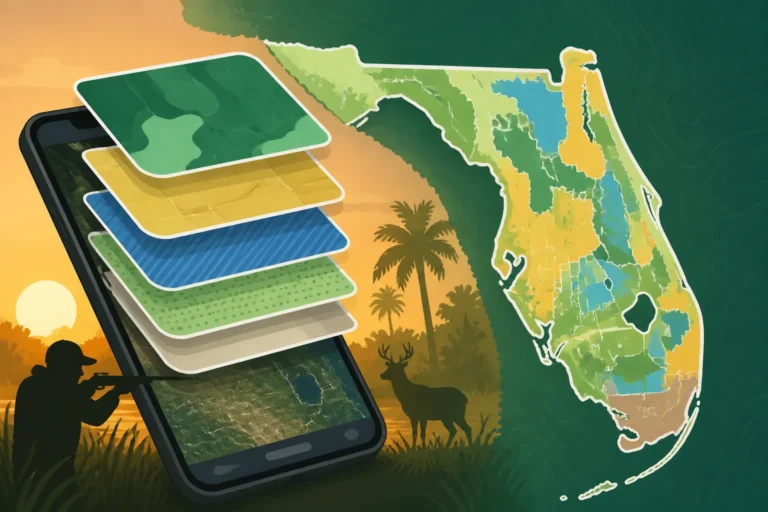
In today's digital age, mapping applications have become indispensable tools for WMA hunters. Brands like onX Hunt provide detailed property line information, including WMA boundaries, public access points, and often overlays for specific management units or zones within a WMA. This technology allows you to visualize the regulations on the ground, helping you avoid accidental trespass, understand where you can legally access an area, and even identify potential pinch points or travel corridors based on the topography and vegetation.
Before heading out, download offline maps to your phone, especially since many WMAs have limited or no cell service. You can use these maps to scout from home, mark potential stand locations, plan your routes, and verify your location in real-time while in the field. This can be particularly useful when navigating complex boundaries or trying to find your way through dense Florida scrub. Scouting With the Florida FWC App is a great start, and coupling it with commercial mapping apps can really enhance your preparedness and safety.
The Importance of Respect and Stewardship
Ultimately, the success of Florida's WMA system relies not just on the managers, but on us, the users. By understanding the management goals, adhering to regulations, and practicing ethical behavior, we become active partners in conservation. This means leaving no trace, reporting violations, and respecting other users.
When you pack out your trash, avoid disturbing sensitive areas, and follow all safety protocols, you're contributing to a positive experience for everyone and helping to ensure that these incredible public lands remain available and healthy for generations to come. The WMAs are managed for all of us, and our collective responsibility helps sustain them. Whether you're hunting, hiking, or just enjoying the wild beauty, remember that you are a steward of this precious resource.
Disclaimer
This article is for general informational purposes only and does not constitute professional advice. Laws, prices and regulations vary by location and change over time. Consult a qualified professional for guidance on your specific situation.