Habitat Work on Florida Wildlife Management Areas
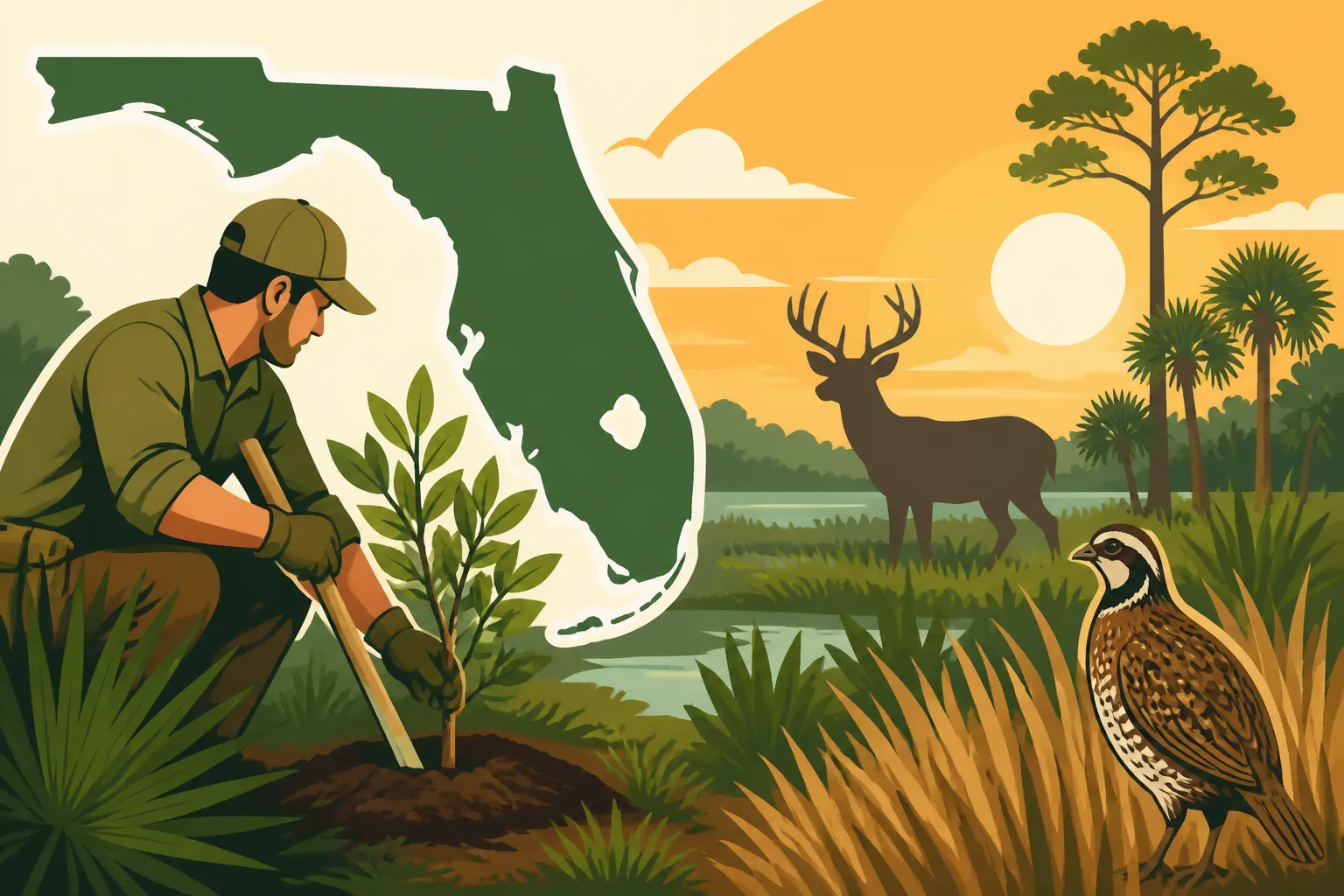
For many of us who chase game on Florida's public lands, it can often feel like a puzzle trying to decipher why some areas consistently hold more deer, hogs, or turkeys than others. It's easy to get frustrated when you put in the miles only to find barren woods, but often, the answer lies in understanding the habitat work being done by land managers. This guide will peel back the layers on how Florida's Wildlife Management Areas are actively shaped and how you, as a hunter, can use this knowledge to find more success in the field.
Why Habitat Work is Crucial on Florida WMAs
Florida's natural landscapes are incredibly diverse, from vast pine flatwoods and palmetto prairies to ancient oak hammocks and cypress swamps. But many of these ecosystems are also highly dynamic, constantly changing, and often, historically dependent on natural disturbances like fire. Without active management, these areas can become overgrown, lose critical plant diversity, and ultimately become less hospitable for the game animals we pursue.
Think about it: an oak hammock might be a great spot for deer when the acorns are dropping, but if that hammock is choked with invasive species or a dense understory that prevents sunlight from reaching the forest floor, the long-term health of those oak trees, and the forage around them, suffers. Similarly, pine flatwoods that once burned regularly can become dense thickets of hardwoods and palmetto, making it nearly impossible for deer to browse or turkeys to scratch for insects and seeds. Land managers aren't just sitting back; they're actively trying to mimic natural processes or enhance conditions to benefit wildlife. How Florida WMAs Are Managed delves deeper into the overall approach to these areas.
The Role of Natural Processes and Human Intervention
Historically, natural fires, often started by lightning, played a huge role in shaping Florida's ecosystems. These fires would sweep through pine forests and prairies, clearing out underbrush, releasing nutrients, and stimulating the growth of tender new plants that deer and other herbivores love to eat. However, with human development and fire suppression efforts over the last century, natural fire regimes have been disrupted. This is where active habitat management comes in.
Wildlife Management Area staff use tools like prescribed burning, mechanical treatments, and strategic plantings to achieve specific habitat goals. They're not just doing it for show; they have ecological blueprints in mind for each unit, aiming to create a mosaic of habitats that benefit a wide array of species. Sometimes, their goals align perfectly with what makes a great hunting spot for you, and sometimes, the short-term impact of their work might temporarily displace game. Knowing the difference, and understanding the long-term vision, is key to adapting your hunting strategy.
Preventing Degradation and Enhancing Biodiversity
Beyond just improving game populations, habitat work is fundamental to preventing environmental degradation and promoting biodiversity across the WMA system. Without intervention, many Florida habitats would slowly convert to less diverse, less productive landscapes. For example, some wetland areas, if not managed, can become choked with cattails or other dense vegetation, reducing open water for wading birds and waterfowl.
By proactively managing these habitats, not only do we get better hunting opportunities, but we also ensure the health of the entire ecosystem. This includes protecting threatened and endangered species, maintaining water quality, and creating resilient landscapes that can better withstand severe weather events. It’s a bigger picture than just deer and turkey, but those larger benefits often trickle down to better hunting for us.
Common Types of Habitat Work You’ll Encounter
When you're out scouting or looking at aerial maps, you'll start to notice patterns that indicate habitat work. These aren't random acts; they're deliberate efforts to improve the land. Recognizing these patterns can significantly help you predict game movement and identify productive hunting zones.
Prescribed Burns: Fire as a Tool
Prescribed burning is perhaps the most widespread and impactful habitat management tool used across Florida's WMAs. You’ve undoubtedly seen the tell-tale black char of a recent burn, or maybe even the smoke columns in the distance. These controlled fires are set under very specific weather conditions to reduce fuel loads, prevent catastrophic wildfires, and most importantly, to rejuvenate the landscape.
- Stimulating New Growth: After a burn, the forest floor is cleared, allowing sunlight to penetrate. Within weeks, sometimes even days, a flush of tender, nutrient-rich grasses, forbs, and legumes emerges. This fresh growth is incredibly attractive to deer, rabbits, and hogs. You'll often find deer browsing heavily in the edges of recently burned areas, particularly if the burn was not too severe. This is prime real estate to focus on, especially early in the season.
- Opening Up Dense Understory: In pine flatwoods or palmetto scrub, dense undergrowth can make it impenetrable for both animals and hunters. Prescribed fire thins out this brush, creating open lanes for travel and new browse opportunities. This can make previously unhuntable areas accessible and productive. Don't be afraid to walk a recently burned section; it might just be the quietest and most productive walk you'll take.
- Benefits for Turkeys: Turkeys absolutely thrive on the results of good prescribed burning. It exposes seeds and insects they love to eat and creates clearings for strutting and easier foraging. Hunting a Prescribed-Burn Unit for Turkeys can give you more specific tactics. When a WMA publishes its burn schedule, pay close attention, as these areas can become turkey magnets in the following weeks and months.
The timing of a prescribed burn is important too. A winter or spring burn might stimulate growth just in time for spring green-up, offering early season forage, while a summer burn could clear out dense vegetation before the fall hunting seasons.
Mechanical Treatments: Chainsaws and Mowers
While fire is powerful, it's not always appropriate or sufficient for every habitat challenge. That’s where mechanical treatments come in. These methods involve using heavy equipment like tractors with bush hogs, mulchers, or even chainsaws to clear, thin, or chop vegetation.
- Roller Chopping: You might see areas where the palmetto or sawgrass has been flattened and chopped into segments by a heavy roller chopper. This breaks up dense monocultures, creating pathways and stimulating new, softer growth from the chopped roots. Deer and hogs will readily use these broken-up areas, especially when they begin to green up. It’s a bit like a controlled burn, but without the fire, making it suitable for areas where fire might be too risky.
- Timber Thinning: In pine plantations, trees are often planted very densely. To promote healthy growth and create better wildlife habitat, managers will thin out sections, removing some trees to allow more sunlight to reach the forest floor. This stimulates understory growth, providing more forage and cover. Thinned pine stands often create excellent travel corridors and bedding areas, especially a few years after the initial thinning, once new growth has taken hold. You might see deer moving along the edges of these Hunting a Clear-Cut Regrowth Edge or using them as bedding cover.
- Mowing and Disking: Food plots or native grass areas sometimes need regular mowing or disking to keep competing vegetation down and encourage desirable plants. You might find areas that are mowed annually to maintain early successional habitat, which is great for quail and rabbits, and can also concentrate deer looking for fresh shoots. Disking turns over the soil, exposing seeds and promoting germination of new forbs.
These mechanical treatments might look messy immediately after, but within a few months, they often transform into incredibly productive areas. Keep an eye out for these patterns on aerial imagery using tools like onX Hunt, which can often show you these distinct habitat alterations.
Food Plots and Plantings: Supplemental Forage
While Florida's WMAs are mostly about natural habitats, some areas, particularly on former agricultural lands or those with specific management goals, might include food plots or supplemental plantings. These are designed to provide high-quality forage or cover for specific game species, especially during times of nutritional stress.
- Warm Season Food Plots: These might include plantings of sunflowers, millet, or various legumes that provide food and cover through the warmer months. While not always hunted directly, these plots can draw animals into an area and keep them there, benefiting surrounding hunting opportunities.
- Cool Season Food Plots: More commonly encountered by hunters, these plots are often planted with oats, wheat, clover, or various brassicas to provide forage during the fall and winter hunting seasons. Deer, hogs, and turkeys will often frequent these plots, especially when natural forage is scarce. Remember, these plots are often strategically placed within larger habitats, creating natural funnels and pinch points for hunting. Hunting a Green Field Planted for Deer can offer more insights into these locations.
- Native Plantings: Sometimes, habitat work focuses on restoring native vegetation rather than introducing non-native crops. This could involve planting native grasses for quail habitat or specific mast-producing trees like oaks or fruit trees in areas where they have been depleted. These efforts aim to enhance the long-term ecological health and resilience of the WMA.
It's important to check the specific WMA regulations, as some areas may prohibit hunting directly over food plots, or have specific rules regarding their use. Always know the rules for your chosen WMA.
Here's a quick overview of how these common habitat treatments impact the landscape and hunting:
| Habitat Work Type | Purpose | Immediate Visual Impact | Game Impact (Short-Term) | Game Impact (Long-Term) | Hunter Strategy |
|---|---|---|---|---|---|
| Prescribed Burn | Reduce fuel, stimulate growth, open understory | Blackened ground, sparse vegetation | Attracts deer/hogs to new browse, turkeys | Healthier ecosystem, better forage | Hunt edges of fresh burns, look for turkey scratch |
| Mechanical Thinning | Improve timber health, create understory light | Cleared rows, piled brush, stump fields | Deer use edges for cover/travel, hogs root | Increased browse, diverse cover | Identify travel corridors, look for regrowth |
| Roller Chopping | Break up palmetto/dense scrub | Flattened, chopped vegetation, muddy in spots | Creates travel lanes, new browse | Opens dense areas, better forage | Focus on new growth, access previously thick areas |
| Food Plots | Supplemental forage, attraction | Planted fields, distinct boundaries | Concentrates deer, hogs, turkeys | Enhanced carrying capacity | Hunt adjacent cover, scout for active feeding |
| Disking | Expose seeds, promote germination | Bare, turned-over soil | Attracts birds, deer may investigate | Early successional growth | Look for fresh disking, especially for doves/turkeys |
Using Habitat Work to Inform Your Hunting Strategy
Understanding habitat work isn't just academic; it's a practical skill that can directly lead to more successful hunts. By learning to "read" the landscape and anticipate the effects of management, you can pinpoint high-probability areas before you even step foot in the woods.
Scouting for Evidence of Management
Before hunting season even starts, or even between trips, dedicate time to scouting specifically for signs of habitat work. This can be done in a few ways:
- Aerial Imagery: Tools like onX Hunt or even Google Maps are invaluable. Look for distinct lines, clearings, or variations in vegetation that suggest recent timber cuts, roller chopping, or old fire lines. Sometimes, the lighter green of new growth after a burn or mechanical treatment will stand out against older, darker vegetation. GoHunt often offers detailed property reports which might include historical aerial imagery that can reveal past habitat work patterns.
- WMA Work Plans/Maps: Many WMAs publish annual work plans or maps indicating areas slated for prescribed burns, timber thinning, or food plot plantings. Check the Florida Fish and Wildlife Conservation Commission (FWC) website for specific WMA pages. This is like getting a cheat sheet for the upcoming season!
- Boots on the Ground: Nothing beats walking the ground. Look for burn lines, saw palmetto that's been recently chopped, fresh disking, or the distinct rows of a thinned pine plantation. Pay attention to how game animals are using these areas – fresh tracks, droppings, and browse lines will tell you a lot. Scouting Florida Public Land Before Season is an excellent resource for refining these skills.
When you find evidence of recent work, think about how it changes the game. Did it open up a new bedding area? Did it create a fresh food source? Did it create a new travel corridor through previously impenetrable cover?
Anticipating Game Movement and Concentration
Habitat work directly influences where game animals will feed, bed, and travel.
- Deer: Deer are constantly seeking food and cover. A fresh burn will draw them in for the new growth. A thinned pine stand provides thermal cover and a place to bed, especially if it's near a food source. Understanding Where Florida Bucks Bed in Thick Palmetto or how they use specific cover is crucial. Look for transition zones – the edges where a recently burned area meets unburned cover, or where a food plot meets a thick block of woods. These "edge habitats" are consistently productive.
- Hogs: Feral hogs are opportunistic feeders and will be drawn to any new food source or disturbed ground. They'll root aggressively in recently disked fields, new growth after a burn, or any area where mechanical treatments have exposed tubers and roots. They also love dense cover, so if mechanical treatment creates new thickets, they'll use them. Year-Round Hog Hunting in Florida highlights their adaptability.
- Turkeys: Turkeys need open areas for strutting and foraging, as well as roosting trees. Prescribed burns create ideal foraging conditions, exposing seeds and insects. Thinned pine stands can offer both roosting opportunities and open understories for movement. Look for gobblers to frequent these areas, especially in the spring.
Adjusting Tactics Based on Habitat Changes
Once you've identified areas impacted by habitat work, you need to adjust your hunting tactics accordingly.
- Stand Placement: If an area was recently burned, consider placing a stand or ground blind on the edge where deer are likely to step out to browse the new growth, particularly in the late afternoon. If there's a new food plot, set up along the most likely entry routes through the surrounding cover. Using a Ground Blind on Florida Public Land can be helpful in these scenarios.
- Still-Hunting and Stalking: In areas that have been thinned or roller-chopped, the visibility might be greatly improved. This could open up opportunities for still-hunting or stalking, as you can see further and move more quietly. Pay attention to Wind and Thermals in Flat Florida Terrain to ensure your scent doesn't betray you.
- Calling: Knowing the habitat can also influence your calling strategy. In a recently thinned pine stand with good visibility, rattling and grunting might carry further and be more effective than in an old, dense palmetto head. Rattling and Grunting Florida Bucks discusses how to adjust your calls.
By staying informed about and observing the habitat work on Florida's WMAs, you transition from simply hunting in a place to truly understanding and hunting with the land. This deeper connection often leads to more rewarding experiences and, ultimately, more success.
Disclaimer
This article is for general informational purposes only and does not constitute professional advice. Laws, prices and regulations vary by location and change over time. Consult a qualified professional for guidance on your specific situation.