Self-Guided Versus Outfitted Florida Hunts
The decision between embarking on a self-guided hunting adventure or entrusting your experience to a seasoned outfitter in Florida is one many hunters grapple with, balancing the allure of independence against the promise of expertise. This comprehensive guide aims to illuminate the distinct paths of self-guided and outfitted hunting in the Sunshine State, offering an honest look at the advantages and hurdles of each to help you make the choice that best suits your hunting aspirations and practical realities.
Understanding the Allure of a Self-Guided Florida Hunt
There's a raw, undeniable appeal to doing things yourself, especially when it comes to hunting. For many, a self-guided hunt isn't just about the pursuit of game; it's about the entire journey of discovery, problem-solving, and self-reliance. Florida, with its vast public lands and diverse ecosystems, offers a unique canvas for those who wish to truly earn their harvest on their own terms.
The Call of Independence and Adventure
The freedom to chart your own course, to pick your own spots, and to change your plans on a whim is a powerful draw for many hunters. Imagine rolling out of your tent before dawn, coffee in hand, and knowing that every decision, every step into the predawn swamp, is entirely your own. This level of independence fosters a deeper connection to the land and the hunt itself. It's about more than just pulling a trigger; it's about the intricate dance of scouting, strategizing, and adapting to what Mother Nature throws your way. The adventure lies not just in the chase, but in the self-sufficiency required to navigate unfamiliar territory, interpret subtle signs, and overcome unexpected challenges.
This independent spirit thrives on the unknown. You're not following someone else's predetermined route or setup; you're blazing your own trail, both literally and figuratively. For some, the thought of being beholden to an outfitter's schedule or preferences diminishes the core joy of hunting. They crave the solitude and the personal challenge that only a self-guided trip can provide. It’s an immersion experience where you are the sole architect of your success or failure, a true test of your woodsmanship and determination.
Cost Savings and Budget Considerations
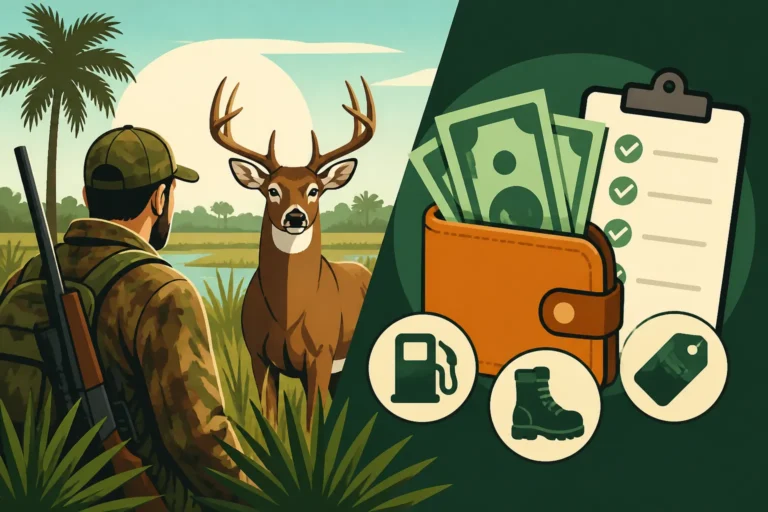
Let's be honest, hunting can be an expensive passion, and guide fees often represent a significant portion of that investment. Opting for a self-guided hunt can dramatically reduce your overall expenditures, freeing up funds for better gear, more trips, or even just stretching your hunting budget further. You save on the daily rates, the lodging costs that often come with a fully outfitted package, and the customary tips for guides and camp staff.
Instead of paying a premium for someone else's expertise and infrastructure, your primary costs become your Florida Hunting Licenses and What They Cost, travel, food, and any specific gear you might need. This allows you to tailor your hunt to your exact financial comfort zone. For many working-class hunters or those with families, this economic flexibility is not just a preference, but a necessity. It opens the door to experiencing Florida's incredible hunting opportunities without breaking the bank, making the sport accessible to a wider range of enthusiasts who might otherwise be priced out of a guided experience.
The Deep Satisfaction of Earning Your Harvest
There’s a profound sense of accomplishment that comes from harvesting an animal when every aspect of the hunt, from the pre-season scouting to the final shot, was orchestrated by your own hand. That feeling of earning it, of truly having put in the sweat equity, is unparalleled. It’s not just the meat in the freezer or the antlers on the wall; it’s the story behind it, the lessons learned, and the skills honed.
When you spend weeks poring over satellite maps, boots on the ground in a local Florida Wildlife Management Areas, and finally locate that elusive buck or gobbler, the victory feels entirely yours. This deep personal investment creates memories that resonate far beyond the hunt itself. It builds confidence in your abilities and fosters a deeper appreciation for the wild places you explore. Every challenge overcome, every wrong turn corrected, every subtle sign interpreted correctly adds to the narrative of a truly hard-earned success, solidifying your connection to the outdoor tradition.
The Realities and Challenges of Going Self-Guided in Florida
While the romantic notion of a self-guided hunt is strong, Florida presents a unique set of challenges that can quickly turn a dream trip into a frustrating ordeal if you're not prepared. The state's environment is unlike many others, demanding specific knowledge and a hearty dose of resilience.
Navigating Florida's Diverse and Often Unfamiliar Terrain
Forget rolling hills and open timber. Florida's landscape can be deceptively dense and surprisingly arduous. Imagine pushing through head-high saw palmetto thickets that tear at your clothes and skin, or slogging through knee-deep mucky water in a cypress swamp where every step is a battle. The state boasts an incredible array of habitats, from dense pine flatwoods and oak hammocks to vast marshes and cypress strands. Each presents its own navigation puzzles and physical demands. Trying to track a deer in sandy soil or push through water in Hunting Florida's Green Swamp is a far cry from a dry timber stand up north.
The heat and humidity, especially during early seasons like Bowhunting Florida's Zone A August Opener, are relentless. This isn't just uncomfortable; it's a genuine safety concern. Dehydration and heat exhaustion are serious risks, and your physical conditioning will be tested like never before. Then there are the bugs – mosquitoes, no-see-ums, and ticks – which can transform a peaceful sit into an itch-ridden nightmare. Without local knowledge or guidance, navigating these environments effectively, finding productive game trails, and moving stealthily can feel overwhelming, significantly impacting your hunting success and enjoyment.
Time Commitment for Scouting and Planning
A successful self-guided hunt doesn't just happen; it's the culmination of extensive planning and often, significant boots-on-the-ground scouting. If you're traveling from out of state, or even from a different part of Florida, you'll need to dedicate considerable time to research regulations, understand specific zone dates like those in Florida's Four Deer Management Zones Explained, and identify potential hunting areas. This often means hours spent on computer screens, poring over satellite imagery, topo maps, and land ownership data using tools like those found on GoHunt, trying to pinpoint access points, bedding areas, and food sources.
Beyond the digital realm, nothing replaces actual reconnaissance. If you can make pre-season trips, you'll gain invaluable insights into game movement, hunter pressure, and terrain features. This involves walking property lines, checking for fresh sign, identifying pinch points, and understanding prevailing winds – all of which require time away from work and family. For many, especially those with busy schedules, this level of commitment is simply not feasible. The effort required to truly understand a new piece of ground, especially public land that might see significant pressure, is a full-time endeavor in itself, making success elusive for those who can only show up opening day.
Equipment Needs and Logistics
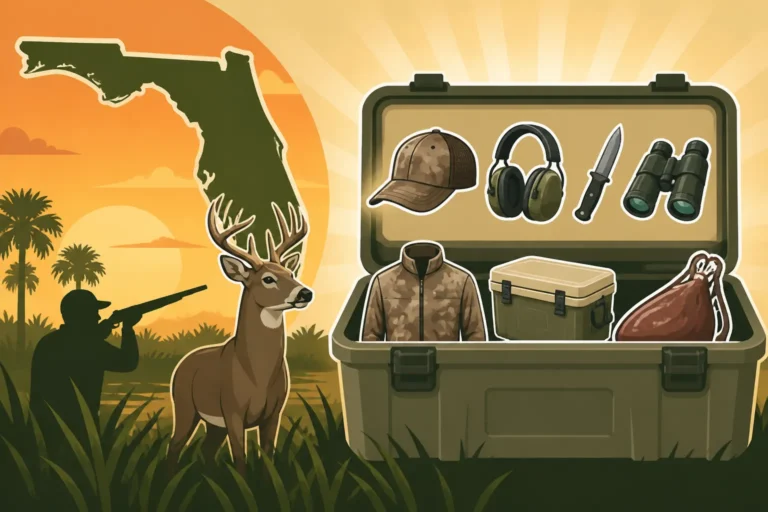
When you're self-guided, you're the master of your own destiny, but that also means you're responsible for everything. From your weapon and ammunition to shelter, food, water, and game processing, it's all on you. This can translate to a substantial equipment list and complex logistics, particularly in Florida's challenging climate. You need to consider how to keep yourself cool and hydrated, how to protect yourself from insects, and crucially, how to handle game in hot weather. Field dressing a deer quickly and efficiently, then getting it cooled down to prevent spoilage, is critical. Field Dressing a Deer in Hot Weather is a skill you absolutely must master.
Transportation of your gear and, hopefully, your harvest also needs careful consideration. Do you have a suitable vehicle for potentially rough access roads? Can you haul a hog or deer out of a swamp by yourself or with your hunting partners? For instance, dragging a large animal out of a dense palmetto head or across a marsh can be physically exhausting and require specialized carts or a good game sled. You also need to be self-sufficient in case of emergencies, carrying first-aid supplies, navigation tools, and communication devices. The logistical planning alone can be a significant undertaking, requiring foresight and preparedness for a wide range of scenarios.
What an Outfitted Florida Hunt Brings to the Table
For hunters seeking a more streamlined, higher-probability experience, especially when targeting specific species or locations, an outfitted hunt can be an absolute game-changer. It takes much of the guesswork and heavy lifting out of the equation, allowing you to focus purely on the hunt itself.
Expert Knowledge and Local Expertise
The single biggest advantage of an outfitted hunt is gaining access to a guide's invaluable local knowledge. These professionals spend countless hours in the field, year-round, studying game patterns, understanding seasonal movements, and identifying prime habitat. They know the best feeding areas, the most effective bedding cover, and how game reacts to pressure in their specific region. Whether you're chasing an Osceola Turkeys in Peninsular Florida gobbler in the spring or targeting deer during the Hunting the Zone B Rut in November, an experienced guide will put you in the right place at the right time.
This expertise extends beyond just locating game. Guides understand the nuances of Florida's weather, terrain, and even how different properties hunt. They know which calls work best, where to set up a blind for optimal concealment, and how to approach an animal without spooking it. This deep well of knowledge, built over years of experience, effectively shortcuts your learning curve and dramatically increases your chances of success, making your trip far more efficient and often more productive than a self-guided attempt.
Streamlined Logistics and Comfort
One of the most appealing aspects of a guided hunt is the sheer convenience. Imagine arriving in Florida, stepping off the plane, and having everything from transportation to your hunting area, comfortable lodging, delicious meals, and all the necessary equipment taken care of. Many outfitters offer comprehensive packages that include everything but your personal hunting gear and license. This eliminates the stress of finding accommodations, cooking, navigating unfamiliar roads, and hauling bulky equipment.
Guides often provide high-quality blinds, stands, decoys, and even specialized equipment like airboats for Airboat Hunting Guides in Florida in specific terrain. After the hunt, they handle the retrieval, field dressing, and initial processing of your game, ensuring it's handled properly to preserve the meat and trophy. This allows you to focus solely on the thrill of the chase, the camaraderie of the camp, and truly immersing yourself in the experience, without the nagging worry of logistical headaches. It's a vacation where the primary goal is hunting, and the details are handled for you.
Increased Success Rates and Trophy Potential
Let's face it: one of the primary reasons hunters book with an outfitter is to increase their odds of success. Guides are invested in your success, as their reputation depends on it. They leverage their knowledge, scouting, and resources to put you in the best possible position to harvest an animal. This is particularly true for highly sought-after species like the Osceola turkey, where the odds can be tough, or for those aiming for a specific class of animal.
Their understanding of game movement, combined with often exclusive access to prime private land or well-managed public land leases, means you're hunting in areas with known game populations and higher trophy potential. For example, if you're chasing a specific Boone and Crockett whitetail or a mature Osceola gobbler, an outfitter who consistently produces those animals is a clear advantage. They'll also provide critical insights into shot placement, animal behavior, and tracking, further enhancing your chances of making a clean, ethical harvest. Ultimately, an outfitted hunt is often about maximizing your time in the field for a productive outcome.
The Downsides and Considerations of an Outfitted Experience
While the benefits of a guided hunt are clear, it's not a perfect solution for everyone. There are significant factors to consider, not least of which is the financial commitment and the potential trade-off of personal autonomy.
The Financial Investment
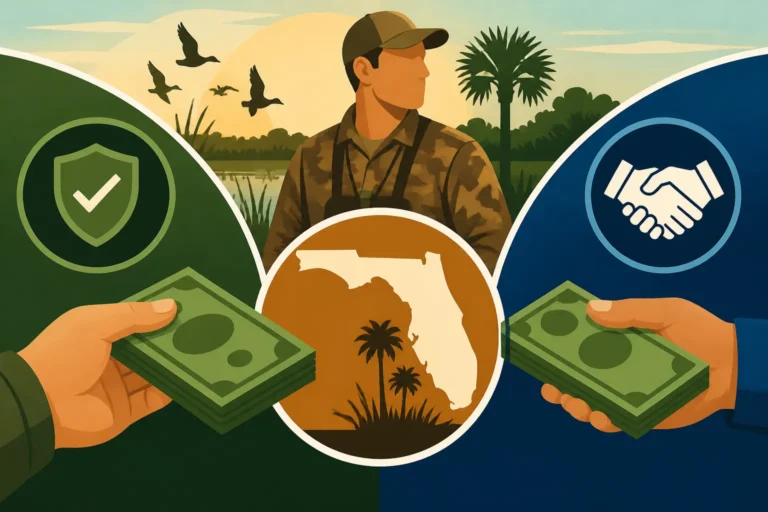
There’s no getting around it: an outfitted hunt is almost always going to be more expensive than a self-guided trip. You're paying for expertise, convenience, equipment, and often exclusive access. Guide fees can range significantly based on the species, duration of the hunt, quality of the accommodations, and the reputation of the outfitter. When you start looking at specialty hunts, like for Osceola turkeys or trophy deer on private land, those costs can climb quickly. Beyond the base fee, you also need to factor in your Florida Hunting Licenses and What They Cost, travel expenses, and, critically, the guide's tip. Tipping is customary and expected, and it's a significant additional expense that needs to be budgeted upfront.
For many hunters, especially those who enjoy multiple trips a year or have budget constraints, the cost of a single outfitted hunt might equate to several self-guided excursions. This financial outlay means that you might have to save for years to afford a dream trip, or it might simply be out of reach. While the value proposition is often there in terms of increased success and reduced stress, it's a monetary barrier that many simply cannot overcome, leading them back to the self-guided path out of necessity rather than pure preference.
Loss of Independence and "Own Hunt" Feel
For those who cherish the self-reliant aspect of hunting, an outfitted trip can sometimes feel less like "your hunt" and more like "the guide's hunt." You're typically following their schedule, their plan, and their instructions. This can mean hunting from a predetermined stand, following a specific trail, or waiting for the guide to make the call on when and where to move. The spontaneity and freedom that define a self-guided trip are often absent. You might feel like a passenger rather than the driver of your own adventure.
This lack of control can be a source of frustration for experienced hunters who are used to making their own decisions in the field. There's less opportunity to experiment, to follow your gut instincts, or to change tactics based on your own observations. While a good guide will certainly listen to your preferences and engage you in the process, ultimately, they are the experts dictating the flow of the hunt. For some, this compromises the very essence of what they love about hunting – the personal challenge and the deep satisfaction of truly earning a self-made success.
Vetting the Right Outfitter and Avoiding Pitfalls
Perhaps one of the most critical downsides to booking an outfitted hunt is the responsibility of finding a reputable and ethical outfitter. The industry, unfortunately, has its share of less-than-stellar operations. The last thing you want is to spend a significant amount of money and precious vacation time only to be disappointed by an unorganized camp, a disengaged guide, or an over-promised experience. There’s a real anxiety that comes with trusting someone else with your dream hunt.
This means you need to become an expert researcher. You'll need to carefully review an outfitter's website, check their licenses (if required by the state), and read independent reviews. Platforms like BookYourHunt can be a great starting point for discovering outfitters, but always go deeper. Don't shy away from asking for a list of recent references – and actually call them! Ask specific questions about success rates, what the typical What an Outfitted Package Hunt Includes, the guide's demeanor, and how they handle unexpected situations. A thorough vetting process, as detailed in Vetting a Florida Hunting Outfitter, is paramount to avoiding disappointment and ensuring your investment leads to a positive experience. Without proper due diligence, you risk not just money, but a potentially negative memory that could sour future hunting trips.
Deciding Which Path is Right for You
The choice between a self-guided and an outfitted hunt is a deeply personal one, with no single "right" answer. It hinges on a careful evaluation of your personal hunting philosophy, practical constraints, and what you hope to gain from the experience.
Assessing Your Experience Level and Comfort Zone
Your experience level plays a huge role in this decision. Are you a seasoned veteran with years of hunting under your belt, comfortable navigating new terrain, interpreting subtle signs, and dealing with all the challenges the wild throws at you? If so, a self-guided hunt might be a natural fit, allowing you to flex your hard-earned skills and truly immerse yourself in the challenge. You might relish the puzzle of breaking down a new piece of Florida public land.
However, if you're relatively new to hunting, particularly in a unique environment like Florida, or if you're targeting a species you've never pursued before, a guided hunt can be an invaluable learning experience. An outfitter can teach you the ropes, accelerate your learning curve, and instill confidence, laying a solid foundation for future self-guided adventures. Even experienced hunters venturing into a completely foreign ecosystem might benefit from a guided trip for the first time, learning the local nuances before attempting to go it alone. Consider your own skill set, your desire to learn, and how comfortable you are with potential unknowns.
Balancing Your Budget and Time Availability
Money and time are often the biggest determinants. As we've discussed, a self-guided hunt is typically more budget-friendly in terms of direct guiding fees, but it demands a much greater investment of your personal time for planning, scouting, and execution. If you have limited vacation days or a demanding work schedule, carving out weeks for scouting trips and then more time for the actual hunt might be impossible. In such cases, an outfitted hunt, where all the pre-work is done for you, could be the more practical choice, maximizing your limited time in the field.
Conversely, if your budget is tight but you have ample free time and a strong desire to learn, a self-guided trip makes perfect sense. You can invest that time in researching Public Hunting Land in Florida, honing your skills, and enjoying the process without the pressure of expensive guide fees. It's a trade-off: pay with your wallet for convenience and expertise, or pay with your time and effort for independence and cost savings. Be honest with yourself about your financial limits and how much time you can realistically dedicate to the entire hunting process.
Your Hunting Goals and Expectations
What do you truly want from this hunt? Are you focused on harvesting a specific species, like a Florida Osceola turkey, and success is your paramount goal? Are you aiming for a trophy-class animal, or simply looking to fill your freezer with venison from Year-Round Hog Hunting in Florida? Or is the journey itself – the challenge, the solitude, the learning – more important than the actual outcome?
If a guaranteed high-odds shot at a specific animal is your priority, an outfitter often provides the most direct path to that goal. They have the resources and knowledge to increase those chances significantly. However, if your primary goal is the personal satisfaction of a true DIY adventure, the connection to nature, and the growth that comes from overcoming challenges independently, then a self-guided hunt is probably more aligned with your spirit, even if it means lower immediate success rates. Define your personal hunting metric before you commit to either path.
Hybrid Approaches and Finding Middle Ground
The world of hunting isn't always black and white. Many hunters find a sweet spot in the middle, combining elements of self-reliance with strategic support to create a hunting experience that perfectly fits their needs. These hybrid approaches can offer the best of both worlds.
Semi-Guided Options
A semi-guided hunt is a fantastic compromise for those who want some support but still crave a degree of independence. With this option, an outfitter might provide the lodging, meals, and perhaps some initial scouting information or transportation to a general hunting area. However, once you're on the ground, you're largely responsible for your own hunting decisions, calling, stalking, and game retrieval. They might point you to specific tracts or show you some maps, but they won't be right there beside you at every moment.
This allows you to benefit from the outfitter's knowledge of the property and its game populations, while still exercising your own hunting skills and strategy. It significantly cuts down on the full guide fee, making the experience more affordable, while still providing a comfort net. For instance, an outfitter might drop you off at a well-known funnel on a large private tract and pick you up at the end of the day, leaving you to hunt it as you see fit. It's a stepping stone between fully guided and completely self-guided, offering a blend of support and freedom.
Day Hunts with Local Assistance
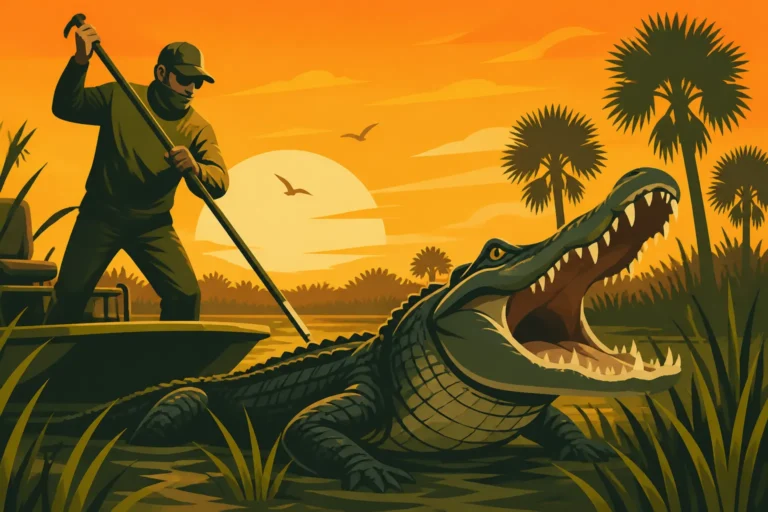
Sometimes, you just need a little boost for a specific hunt or species. Day hunts offer a concentrated, shorter-term guided experience without the commitment and cost of a multi-day package. This is particularly popular for species like Hunting Hogs Without a Bag Limit where quick, effective access to private land can make all the difference, or for an Alligator Hunting Florida's Lakes and Rivers trip where specialized equipment and knowledge are crucial.
Local assistance might come in the form of a landowner granting access to private property for a fee, or a local hunter who knows the area offering to show you around for a single day. You're still bringing your own gear and doing much of the legwork, but you're leveraging someone else's access or very specific knowledge. This can be especially useful if you're only targeting one specific animal or if you have limited time. It's a way to get a taste of success or gain critical insight without committing to a full, expensive package.
Utilizing Technology for Self-Guided Success
Even for the most independent hunters, technology has become an indispensable tool that bridges some of the gaps traditionally filled by guides. Modern mapping applications, like those found on GoHunt, provide incredibly detailed satellite imagery, topographic maps, and land ownership overlays that allow you to e-scout vast areas from the comfort of your home. You can identify potential hunting spots, access points, and escape routes long before you ever set foot in the field. This capability dramatically reduces the time needed for physical scouting, making self-guided hunts more feasible for busy individuals.
Additionally, the FWC's official app and website are treasure troves of information for Florida Wildlife Management Areas and statewide regulations. You can check specific WMA rules, season dates for Florida Zone A Archery Opening Day, and even report your harvest directly from your phone. Online forums and social media groups dedicated to Florida hunting also provide platforms for sharing information, asking questions, and connecting with local hunters. While technology can't replace boots-on-the-ground experience or a guide's intuition, it empowers self-guided hunters with tools that significantly enhance their planning and execution, making their independent ventures more informed and efficient.
Essential Preparations for Any Florida Hunt
Regardless of whether you choose a self-guided expedition or a fully outfitted experience, certain preparations are universally critical for a successful, safe, and ethical hunt in Florida. The unique environment of the state demands specific considerations.
Understanding Florida's Unique Regulations
Florida's hunting regulations can be complex and vary significantly by zone and even by specific Wildlife Management Area. Before you ever leave home, it is absolutely paramount that you familiarize yourself with the current rules. This includes understanding Florida's Four Deer Management Zones Explained and their specific season dates, legal weapons for different seasons, and bag limits. If you're hunting public land, you'll also need to be aware of the specific regulations for that WMA, which might include quota hunt requirements, vehicle restrictions, or even limitations on Treestand Rules on Florida Public Land.
Furthermore, stay informed about specific requirements such as Florida Deer Reporting Requirements and any CWD (Chronic Wasting Disease) surveillance zones. Ignorance of the law is never an excuse, and violating regulations can lead to hefty fines, loss of hunting privileges, and even criminal charges. Take the time to read the FWC's regulations handbook thoroughly, consult their website, or reach out to them directly with any questions. Proper licensing, including any necessary permits like The Florida WMA Management Area Permit, must be secured well in advance of your hunt.
Physical Conditioning and Heat Management
Hunting in Florida is physically demanding, often more so than in cooler climates. The high heat and humidity, combined with dense vegetation and sometimes marshy terrain, can quickly lead to exhaustion. Therefore, adequate physical conditioning is not just recommended, it's essential for both safety and success. Start a fitness routine well before your trip, focusing on endurance, strength, and stamina. Long walks or hikes, especially with your hunting pack, will prepare your body for the rigors of the field.
Beyond physical preparation, understanding and practicing heat management is critical. Drink plenty of water and electrolytes before, during, and after your hunt. Wear lightweight, breathable clothing that wicks moisture away from your body. Take frequent breaks, especially during the hottest parts of the day. Recognize the symptoms of heat exhaustion and heatstroke, both in yourself and your hunting partners. Being physically ready and smart about the heat will allow you to stay in the field longer, hunt more effectively, and most importantly, stay safe. Hot-Weather Sitting Strategy in Florida can be crucial for staying effective.
Respecting the Land and Ethical Hunting Practices
Whether you're on public land, a private lease, or with an outfitter, upholding ethical hunting practices and respecting the land is fundamental. This means adhering to fair chase principles, making clean and ethical shots, and retrieving all harvested game promptly. It also means leaving no trace – packing out everything you pack in, including spent shell casings, food wrappers, and any trash. On public lands, this is especially vital for maintaining access for future generations of hunters.
If you're hunting private land, always obtain proper Getting Private Land Permission in Florida and respect the landowner's wishes. Close gates, avoid driving off designated roads, and treat their property as if it were your own. For those who choose an outfitted hunt, listen to your guide's instructions and trust their experience. They are your gateway to a successful hunt and your connection to the local ecosystem. Regardless of your chosen path, being a responsible, ethical hunter ensures the longevity of our sport and preserves Florida's incredible natural resources for everyone.
| Feature | Self-Guided Hunt | Outfitted Hunt |
|---|---|---|
| Cost | Lower initial cost (license, travel, gear) | Higher initial cost (guide fees, tips, package extras) |
| Independence | High (full control over plans, locations, schedule) | Lower (follow guide's plan, schedule, instructions) |
| Effort Required | Very High (scouting, planning, logistics, processing) | Low to Moderate (most logistics handled) |
| Knowledge Base | Relies on personal research & experience | Leverages guide's extensive local expertise |
| Success Rate | Potentially lower, varies with skill and luck | Generally higher due to expertise & resources |
| Comfort Level | Basic (camping, DIY lodging, self-catering) | High (lodging, meals, amenities often provided) |
| Time Investment | Very High (significant pre-hunt planning & scouting) | Low (arrive & hunt, pre-work done by outfitter) |
| Ideal For | Experienced, budget-conscious, adventure-seekers | Beginners, time-crunched, trophy-focused hunters |
Disclaimer
This article is for general informational purposes only and does not constitute professional advice. Laws, prices and regulations vary by location and change over time. Consult a qualified professional for guidance on your specific situation.