Florida Hunting Lodges and Packages
For many hunters, the dream of a Florida hunting trip is synonymous with chasing big Osceola gobblers, challenging elusive whitetails in dense palmetto, or even the thrill of an alligator hunt. But let's be honest, trying to find the right lodge or package can feel like wading through a cypress swamp – overwhelming and a bit murky. This guide aims to clear the waters, providing you with a comprehensive look at Florida hunting lodges and packages, helping you navigate the options and plan your perfect Sunshine State adventure.
Understanding the Allure of Florida Hunting Lodges
Florida's unique ecosystems offer a hunting experience unlike anywhere else in the country. From the vastness of the Everglades to the rolling hills of the Panhandle, the landscape is as diverse as the game it holds. For many, a hunting lodge or a pre-arranged package is the ideal way to experience this, especially if you're traveling from out of state or simply want to maximize your time in the field.
Why a Lodge Experience?
Choosing a lodge isn't just about a place to sleep; it's about investing in a streamlined, often more successful, hunting trip. Think about it: instead of spending precious vacation days scouting unfamiliar public land, deciphering complex WMA rules, or trying to find accommodation, a lodge handles many of these logistical headaches. They typically have access to prime private land, often with established food plots, feeders, and blinds, putting you in a better position for success from day one. Many even operate on vast tracts of private ranches where game management practices are in place to ensure healthy populations and quality animals.
Beyond the hunting itself, the lodge experience often includes comfortable accommodations, delicious meals, and the camaraderie of fellow hunters. You arrive, settle in, and can focus entirely on the hunt, knowing that experienced guides are taking care of the details, from transporting you to and from hunting locations to assisting with game recovery and initial processing. This convenience is a huge draw, especially for hunters with limited time or those looking for a stress-free escape.
What Kind of Game Can You Expect?
Florida boasts a surprising diversity of game, making it a fantastic destination for hunters seeking a variety of trophies. While it might not be known for enormous antlered whitetails like some Midwestern states, the challenge of hunting Florida's deer in its thick cover is immense. You'll find whitetail deer across the state, with certain regions, particularly the Panhandle, known for larger-bodied animals. Many lodges specialize in deer hunting, offering rifle, muzzleloader, and Bowhunting Florida's Zone A August Opener packages.
Then there are hogs – a year-round, abundant species that offers incredible action. Feral hogs are prolific in Florida, providing a thrilling hunt with no bag limits on private land. Lodges often offer various methods for Year-Round Hog Hunting in Florida, including spot-and-stalk, still-hunting over bait, dog hunting, and even night hunting with thermal optics. And of course, the apex predator: the American alligator. Florida is the premier destination for gator hunting, and many lodges and outfitters provide guided Alligator Hunting Florida's Lakes and Rivers experiences, a truly unforgettable adventure. Don't forget the turkeys either, with the elusive Osceola gobbler being a coveted trophy for many serious turkey hunters.
Targeting Specific Florida Experiences
Florida offers distinct hunting experiences, and lodges often specialize in one or more of these. If you're coming to complete your Grand Slam, an Osceola turkey hunt is likely at the top of your list. These birds are found exclusively in the Florida peninsula, and finding a reputable outfitter with access to good Osceola habitat is key to success. Lodges focusing on Osceola hunts will often have specific packages tailored to these birds, complete with experienced turkey callers and guides who understand the unique behaviors of these wary gobblers. You'll want to read up on Hunting an Osceola Gobbler in Palmetto Scrub to understand what to expect.
For those more interested in constant action, a hog hunting package is probably what you're after. These hunts are often available year-round and can range from rustic, low-cost day hunts to multi-day, all-inclusive affairs. Some lodges offer specialized hog hunts like dog-hunts or thermal night hunts, providing a different kind of excitement. If an alligator is on your bucket list, many outfitters offer comprehensive gator hunts, handling everything from permit acquisition (sometimes even providing an outfitter's tag) to the actual hunt and initial processing. These are highly specialized hunts that truly benefit from a guided experience.
Types of Florida Hunting Packages Available
Navigating the various hunting package options in Florida can be as intricate as tracking a deer through dense palmetto. It's not just about the species you're chasing, but the level of service, inclusions, and ultimately, the kind of experience you want. Understanding the distinctions between these packages is crucial for matching your expectations with what an outfitter provides.
Fully Guided vs. Semi-Guided Packages
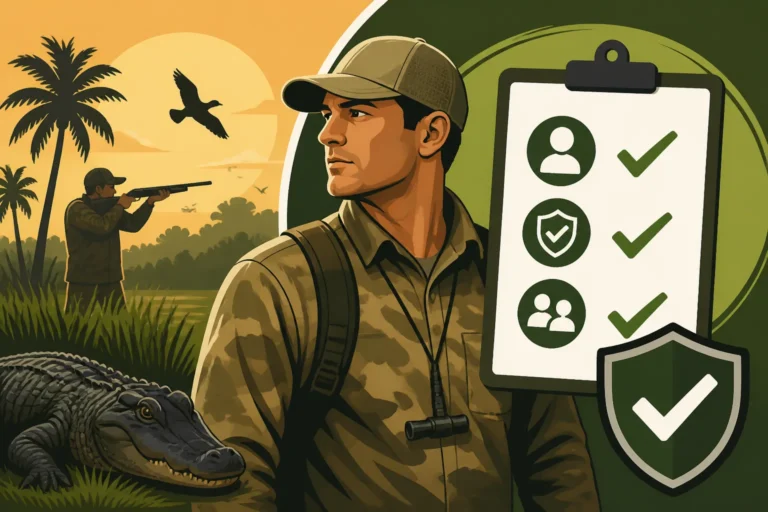
The choice between a fully guided and a semi-guided hunt often comes down to your experience level, confidence in unfamiliar terrain, and budget. A fully guided hunt means you'll have a dedicated guide with you in the field, often one-on-one or with a small group, from dawn 'til dusk (or whatever the hunt dictates). This guide provides expert knowledge of the land, animal movements, and optimal hunting strategies. They'll call in turkeys, lead you to deer stands, or get you within range of an alligator. This is typically the most expensive option, but it offers the highest chance of success, especially for species like the Osceola turkey or the American alligator, which require specialized local knowledge. It's perfect for first-time Florida hunters or those seeking a truly immersive and hands-off experience where all the heavy lifting of scouting and strategizing is done for you.
In contrast, a semi-guided hunt offers more independence while still providing significant support. With this option, the outfitter typically provides pre-scouted areas, maps, and often transportation to and from blinds or stands. They might give you a rundown of recent animal activity and pointers on how to hunt the area, but you'll be doing the actual hunting on your own. This can be a great middle-ground for hunters who enjoy the challenge of figuring things out for themselves but still want the advantage of private land access and some foundational knowledge. It's generally more affordable than a fully guided hunt and can be a fantastic way to experience hunting in Florida if you're confident in your own abilities to make decisions in the field.
All-Inclusive vs. A La Carte
The terms "all-inclusive" and "a la carte" define how much is bundled into the package price. An all-inclusive package aims to cover almost everything you'll need for your trip. This typically includes lodging, all meals, drinks, guide services, initial game care (like caping and quartering), and sometimes even transportation to and from a local airport. For some alligator hunts, an all-inclusive package might even include the CITES tag and permit. The beauty of this option is its simplicity; you know the total cost upfront, reducing unexpected expenses. It's ideal for those who want a seamless experience without worrying about the daily logistics or budgeting for every little item.
An a la carte package, on the other hand, allows you to pick and choose services, paying for each component separately. You might pay for lodging per night, guide services per day, and meals as an add-on. Game processing, trophy fees for additional animals, or specialized gear might also be separate charges. While this offers greater flexibility and potentially a lower upfront cost, it requires more careful budgeting and attention to detail to ensure you don't overlook any necessary expenses. Some hunters prefer this approach if they have specific preferences for meals or accommodations, or if they plan to combine hunting with other activities. Before committing to either, always ask for a detailed breakdown of what is and isn't included to avoid surprises. This is where platforms like BookYourHunt can be really useful for comparing detailed inclusions across different lodges.
Day Hunts vs. Multi-Day Stays
The length of your hunting trip significantly impacts the type of package you'll choose and the experience you'll have. Day hunts are exactly what they sound like: you arrive in the morning, hunt for the day, and depart in the evening. These are often offered for species like hogs or predators where quick, intense action is possible. Day hunts are generally the most affordable option, making them popular for local hunters or those who want to add a single hunting experience to a broader Florida vacation. They're also a good way to "test the waters" with a new outfitter or species without committing to a longer trip.
Multi-day stays provide a more immersive and relaxed hunting experience. These packages typically include multiple days of hunting along with overnight lodging and meals, creating a true camp atmosphere. For species like deer or turkey, where multiple days allow for adapting to animal patterns, changing weather, and learning the terrain, a multi-day hunt greatly increases your chances of success. It also allows for more camaraderie with guides and other hunters, sharing stories around a campfire or at the dinner table. When considering a multi-day trip, be sure to ask about the typical schedule, how many hunting opportunities you get per day, and what kind of downtime is built into the itinerary. The longer you stay, generally the more opportunities you'll have to encounter game and achieve your hunting goals.
Here's a quick comparison of package types:
| Feature | Fully Guided | Semi-Guided | All-Inclusive | A La Carte | Day Hunt | Multi-Day Stay |
|---|---|---|---|---|---|---|
| Guide Service | Dedicated 1:1 or small group | Pre-scouted areas, maps, minimal direct guide | Usually fully guided | Guide service optional, paid hourly/daily | Often fully guided | Can be fully or semi-guided |
| Cost | Highest | Moderate | Higher, but predictable | Variable, can add up quickly | Lowest per hunt | Higher overall, but more immersive |
| Independence | Lowest | Moderate | Low (guides handle logistics) | Highest | Low | Moderate to high |
| Inclusions | Guides, transport, initial game care | Scouting info, transport to stands | Lodging, meals, guides, initial game care | Individual components chosen by hunter | Guides, hunting access | Lodging, meals, guides, multiple hunts |
| Ideal For | First-timers, specific trophies (Osceola, gator) | Experienced hunters, budget-conscious | Stress-free trip, clear budgeting | Flexible needs, specific preferences | Quick trips, testing outfitters | Immersive experience, higher success |
Key Considerations When Choosing a Florida Hunting Lodge
Choosing the right Florida hunting lodge is a decision that can make or break your trip. It's about more than just finding a place with available dates; it's about aligning the lodge's offerings with your hunting goals, preferences, and even your group's dynamics. A little homework upfront goes a long way in ensuring a memorable experience.
Location, Habitat, and Game Availability
Florida is a big state with vastly different landscapes and game concentrations. The location of a lodge directly impacts the species you'll encounter and the hunting style. For instance, if you're after a trophy Osceola, you'll be looking at lodges in the central and southern parts of the peninsula, far from the Panhandle. If larger-bodied whitetails are your focus, properties in the northern zones, closer to Georgia and Alabama, might be more appealing. Understanding Florida's Four Deer Management Zones Explained is crucial here, as deer season dates and regulations vary significantly.
The habitat the lodge hunts on is equally important. Are they operating on vast tracts of private ranch land, managing pine plantations, or hunting swamp edges? A lodge specializing in hog hunting might have extensive feeder programs or utilize dogs in dense palmetto, while a deer outfitter might focus on oak hammocks and food plots. Discuss the typical terrain and cover with the outfitter. Is it easily walkable, or will you need vehicles or even airboats for access? The type of habitat will dictate your gear, clothing, and even your physical preparation. Ensure the lodge's primary focus aligns with the game and environment you're keen to hunt.
Guide Experience and Professionalism
A good guide is worth their weight in gold, especially in an unfamiliar environment like Florida. Their experience and professionalism are paramount. A seasoned guide will possess an intimate knowledge of the local wildlife, their patterns, and the best strategies to put you on game. They should be able to read tracks, interpret calls, and adapt to changing conditions like weather or unexpected animal behavior. Beyond their hunting prowess, a professional guide prioritizes safety, communicates clearly, and is attentive to your needs and preferences throughout the hunt.
Don't hesitate to ask about a guide's background: How long have they been guiding in Florida? What species do they specialize in? Are they licensed and insured? A reputable outfitter will employ guides who are not only skilled hunters but also excellent communicators and enjoyable companions in the field. They should be passionate about the hunt and dedicated to providing you with the best possible experience, regardless of whether you harvest an animal. This is a critical factor, and vetting potential outfitters, as covered in Vetting a Florida Hunting Outfitter, often involves scrutinizing their guide staff.
Lodging and Amenities
The quality and style of the lodging and amenities offered by a hunting lodge can greatly influence your overall enjoyment, especially if you're staying for multiple days. Florida hunting lodges run the gamut from rustic cabins with bunk beds to luxurious ranches with gourmet meals and private suites. Consider what's important to you and your group. Is it a buddies' trip where a basic, comfortable bunkhouse is fine, or are you bringing your family, requiring more privacy and amenities?
Ask about the sleeping arrangements, bathroom facilities, meal plans, and common areas. Are meals served family-style or individually? Is there Wi-Fi, cell service, or a place to relax after the hunt? Some lodges offer additional features like shooting ranges, skeet shooting, or even fishing ponds, providing activities beyond the primary hunt. If you have any dietary restrictions or specific accessibility needs, communicate these upfront. The goal is to find a place where you feel comfortable and well-cared for, allowing you to fully recharge for each day's adventure.
Navigating Costs and What to Expect Financially
Hunting in Florida, especially through a reputable lodge, is an investment. While the experience is often priceless, understanding the financial landscape of packages is crucial for a smooth trip and avoiding sticker shock. It's about budgeting for the visible costs and being prepared for the less obvious ones.
Breaking Down Package Pricing
When you receive a quote for a Florida hunting package, it's essential to understand exactly what that price covers. Most packages will include guide services, access to private land, and sometimes lodging and meals. However, several other significant costs are often not included. Your hunting license and any required permits (like a deer permit, turkey permit, or alligator permit) are almost always separate and must be purchased directly from the Florida Fish and Wildlife Conservation Commission (FWC). These costs can vary significantly, so familiarize yourself with Florida Hunting Licenses and What They Cost.
Trophy fees are another common component, especially for hog or alligator hunts. While some packages include one animal, you might pay an additional fee for each subsequent animal harvested or for a trophy-sized animal (e.g., a gator over a certain length, or a hog over a certain weight). Always clarify these policies. Likewise, while initial game preparation (field dressing, caping) might be included, full meat processing or taxidermy services are almost always extra. Ask for estimates on these services if you plan to utilize them. For some high-fence deer hunts, the price might even vary based on the score or size of the deer harvested, so be very clear on those terms.
Understanding Deposit and Cancellation Policies
Reputable Florida hunting lodges operate on tight schedules and limited capacities, making their deposit and cancellation policies critical. Most will require a non-refundable deposit to secure your dates, often 25-50% of the total package price. This deposit covers the outfitter's risk if you cancel, as they likely turned away other bookings for your spot. The remaining balance is typically due either upon arrival or a set period before your hunt.
Before booking, thoroughly review the cancellation policy. What happens if you need to reschedule? Is your deposit transferable? What if they have to cancel due to unforeseen circumstances (e.g., extreme weather, guide illness)? While you hope it won't happen, understanding these terms protects your investment. Some outfitters might offer to rebook for a future date, while others might retain your deposit. It’s also wise to consider travel insurance, especially for high-value hunts or if you're traveling a long distance, to protect against personal emergencies that could force a cancellation. For alligator permits, note that the application period is specific, and you'll want to be aware of the Florida alligator permit application period dates.
Hidden Costs and Gratuities
Beyond the advertised package price, be prepared for some hidden costs and gratuities. Gratuities for your guide and any lodge staff are customary and expected in the hunting industry. A good rule of thumb is 15-20% of the hunt's value for your guide, given directly to them at the end of your trip. Other staff, such as cooks or housekeepers, might also warrant a tip, perhaps a pooled amount. Always factor this into your budget.
Other potential costs include ammunition, gear rentals (if offered), snacks, alcoholic beverages (if not included in an all-inclusive package), and transportation to and from the lodge (e.g., rental car, gas). If you plan to ship your trophy or meat home, factor in those shipping costs. Some lodges might charge for extra rounds fired on a shooting range, or for specific requests that fall outside the standard package. Always have a buffer in your budget for these unforeseen expenses, ensuring your trip remains enjoyable and stress-free.
Vetting Potential Lodges and Outfitters for Your Trip
Booking a hunting trip, especially in a state you're not intimately familiar with, requires due diligence. You're entrusting your time, money, and hunting dreams to an outfitter, so taking the time to thoroughly vet them is paramount. Don't just pick the first result you see; dig deep and ask the tough questions.
Researching Reviews and Testimonials
In today's digital age, one of the easiest ways to start vetting a lodge is by diving into online reviews and testimonials. Look for mentions of the outfitter on hunting forums, social media groups, and dedicated review sites. Platforms like BookYourHunt or GoHunt often feature hunter reviews and ratings, which can provide valuable insights into other hunters' experiences. Pay attention to both positive and negative feedback. Are there consistent complaints about guide professionalism, false advertising, or poor lodging? Conversely, are hunters consistently raving about the quality of the guides, abundant game, and overall experience?
Remember that a few isolated negative reviews might not tell the whole story, but a pattern of similar complaints should raise a red flag. Look for recent reviews to ensure the information is current, as things can change quickly in the outfitting world. Don't just focus on success rates; also consider comments on safety, hospitality, and communication. A high success rate means little if the experience itself was unpleasant or felt unsafe.
Asking the Right Questions Before Booking
Once you've narrowed down your choices, direct communication with the outfitter is essential. Don't be afraid to ask a comprehensive list of questions before you put down a deposit. Here's a starting point:
- What is the typical success rate for the species I'm targeting? (And how do they define "success"?)
- What specifically is included in the package price, and what are the extra costs (trophy fees, processing, taxidermy, licenses, gratuities)?
- What are the guide-to-hunter ratios?
- What type of terrain will we be hunting, and what's the typical hunting method?
- What are the sleeping arrangements, and are meals provided? Can they accommodate dietary restrictions?
- What is their policy if I don't harvest an animal? (e.g., partial refund, rebooking options, no guarantee policy). This is important for understanding What Happens If You Don't Fill Your Deer Tag.
- Can they provide references from past clients, particularly those who have hunted the same species during a similar timeframe? (And actually call those references!)
- What is their cancellation and refund policy in detail?
- What equipment do they recommend I bring, and what is provided?
- Do they have insurance, and what does it cover?
A reputable outfitter will be happy to answer all your questions thoroughly and transparently. Any hesitation or vague answers should be a cause for concern.
Checking Licensing and Insurance
This step is often overlooked but is absolutely critical. Ensure that the lodge or outfitter you choose is properly licensed and insured to operate in Florida. While Florida doesn't have a statewide guide license requirement for all hunting, many outfitters operate on public lands that require specific permits, and all commercial operations should carry liability insurance. For some specialized hunts, like alligator hunting, specific permits and licenses are required for the outfitter themselves.
Ask for proof of their business license and insurance coverage. This protects you in case of an accident or unforeseen event. Operating without proper licensing can lead to legal issues for both the outfitter and, in some cases, the hunter. Additionally, ensure that the guides themselves meet any FWC requirements, such as being certified in first aid or having specific guide licenses for certain activities. This shows a commitment to professional standards and client safety. Don't hesitate to contact the Florida Fish and Wildlife Conservation Commission (FWC) if you have any doubts about an outfitter's legitimacy or their Florida Hunter Education Requirements for guides.
Popular Florida Hunting Lodge Destinations and Specialties
Florida's varied topography and ecosystems mean that different regions offer distinct hunting opportunities. Knowing which areas specialize in what can significantly narrow down your lodge search and ensure you're heading to the right place for your desired game.
Central Florida Ranches and Plantations
Central Florida, with its vast cattle ranches, citrus groves, and preserved wildlands, is a prime destination for a variety of game. This region is particularly renowned for feral hog hunting, with many lodges managing their properties specifically for abundant hog populations. These hunts can range from stand hunting over feeders, still-hunting through oak hammocks, or even high-octane dog hunts. Many of these ranches offer Dog Hunting Hogs in Florida as an exhilarating experience. The open yet thick terrain provides ample cover and plenty of opportunities to intercept hogs moving between bedding and feeding areas.
Additionally, central Florida is a stronghold for whitetail deer and Osceola turkeys. Lodges here often boast excellent habitat for deer, including food plots and natural browse, and manage their herds for quality. For turkey hunters, the scrub and palmetto of central Florida are classic Osceola habitat. Many plantations also offer exceptional quail hunting experiences, often behind trained pointing dogs, harkening back to a traditional Southern hunting heritage. These lodges provide a comfortable, often historic, setting with full amenities, making for a truly classic hunting getaway.
South Florida Everglades-Edge Lodges
The areas bordering the vast Everglades and Big Cypress swamps in South Florida offer a truly wild and unique hunting experience. This region is the undisputed capital of American alligator hunting. Lodges and outfitters here specialize in guided gator hunts, often utilizing airboats to access remote waterways and swamps. The thrill of spotting a gator in its natural habitat and executing a stalk is an unforgettable adventure. These outfits are experts in everything from Harvesting an Alligator With a Bang Stick to ensuring all CITES tag requirements are met.
Beyond gators, the thick cover and wet environments of South Florida also hold significant populations of feral hogs. Hunting here is often more challenging due to the dense vegetation, but the reward of a big swamp hog is immense. Some lodges also offer limited deer hunting opportunities, although the whitetails in this region tend to be smaller-bodied due to the unique ecosystem. Hunters venturing into this region should be prepared for heat, humidity, and the possibility of wet conditions, but the raw, untamed nature of the hunt is its own reward.
Panhandle Properties
Florida's Panhandle, geographically and ecologically distinct from the peninsula, shares more in common with its Northern neighbors like Georgia and Alabama. This region is typically known for its larger-bodied whitetail deer, often boasting genetics that produce more impressive antlers than their southern counterparts. The habitat here includes extensive pine plantations, hardwood hammocks, and river bottomlands, providing excellent deer cover and food sources. Lodges in the Panhandle often focus heavily on deer season, offering rifle, muzzleloader, and archery hunts, including opportunities during Hunting Florida's Zone D Fall Opener.
The Panhandle is also home to Florida's Eastern wild turkey population. While Osceolas get most of the fame, the Easterns provide a fantastic turkey hunting challenge in their own right. Lodges in this area will offer guided spring turkey hunts, often in the beautiful longleaf pine forests and creek bottoms. If you're comparing turkey zones, understanding Where the Osceola and Eastern Turkey Zones Divide can help you choose the right region. Additionally, the Panhandle offers opportunities for hogs and various small game, making it a versatile destination for hunters seeking a more traditional Southern hunting experience with a Florida twist.
Making the Most of Your Florida Hunting Lodge Experience
Booking a lodge or package is a fantastic start, but maximizing your experience goes beyond just showing up. A successful and enjoyable trip often depends on preparation, respect, and being present in the moment.
Preparing for Your Hunt
Before you even leave home, dedicated preparation for your hunt is key. Physically, Florida hunting can be demanding, especially in hot weather or dense cover. Consider your fitness level, as you might be walking through sandy palmetto flats, wading through wet marsh edges, or climbing into treestands. Ensure you have the right gear: lightweight, breathable clothing in camouflage patterns suitable for Florida's green and brown landscape is essential. Don't forget bug spray, a good quality headlamp, and appropriate footwear for potentially wet or rugged conditions.
Mentally, familiarize yourself with Florida's hunting regulations for your target species and zone. While your guide will provide specific instructions, understanding the basics, such as bag limits and legal methods of take, will prevent misunderstandings. If you're bringing your own firearm or bow, practice extensively beforehand. Be proficient with your equipment, as hunting opportunities can sometimes be fleeting. A good resource for understanding weapon specifics is Minimum Bullet Diameter for Florida Rifles or Florida Crossbow Equipment Requirements. The more prepared you are, the more confident and relaxed you'll be in the field.
Respecting Your Guide and the Land
A hunting trip is a partnership between you and your guide, and mutual respect is the foundation of a great experience. Your guide is your expert in the field; listen to their instructions, follow their lead, and trust their judgment. They know the land, the animals, and the safest way to hunt. Communicate your expectations clearly, but also be open to their suggestions. Remember, a guide's primary goal is to put you on game and ensure your safety.
Equally important is respecting the land you're hunting on. Private land access is a privilege, and public lands are a shared resource. Practice ethical hunting, only taking clean shots, and make every effort to recover any wounded game. Respect property boundaries, leave no trace of your presence, and treat the environment with care. This also extends to how you interact with any lodge staff or other hunters. A positive attitude, good sportsmanship, and appreciation for the hard work of your hosts will ensure a more enjoyable experience for everyone and contribute to the longevity of hunting opportunities in Florida.
Post-Hunt Considerations
The hunt doesn't end when you pull the trigger or release an arrow. There are crucial post-hunt considerations that ensure your game is properly cared for and your memories are preserved. Most lodges offer initial game care, such as field dressing, caping, and quartering. However, you'll need a plan for full meat processing and taxidermy. Ask your outfitter if they have a preferred local processor or taxidermist, or if they can arrange for these services. If you're traveling a long distance, research options for shipping meat or trophies home. You might need coolers, dry ice, or specific shipping containers. Consider reading Processing Meat Near a Florida Hunting Camp for more details.
Finally, savor the experience. Take photos, journal your thoughts, and share your stories with family and friends. A hunting trip is more than just harvesting an animal; it's about the adventure, the challenges, the learning, and the memories made in the great outdoors. Whether you filled every tag or simply enjoyed the beauty of Florida's wild places, embrace the entire journey.
Disclaimer
This article is for general informational purposes only and does not constitute professional advice. Laws, prices and regulations vary by location and change over time. Consult a qualified professional for guidance on your specific situation.