Booking a Free-Range Florida Deer Hunt
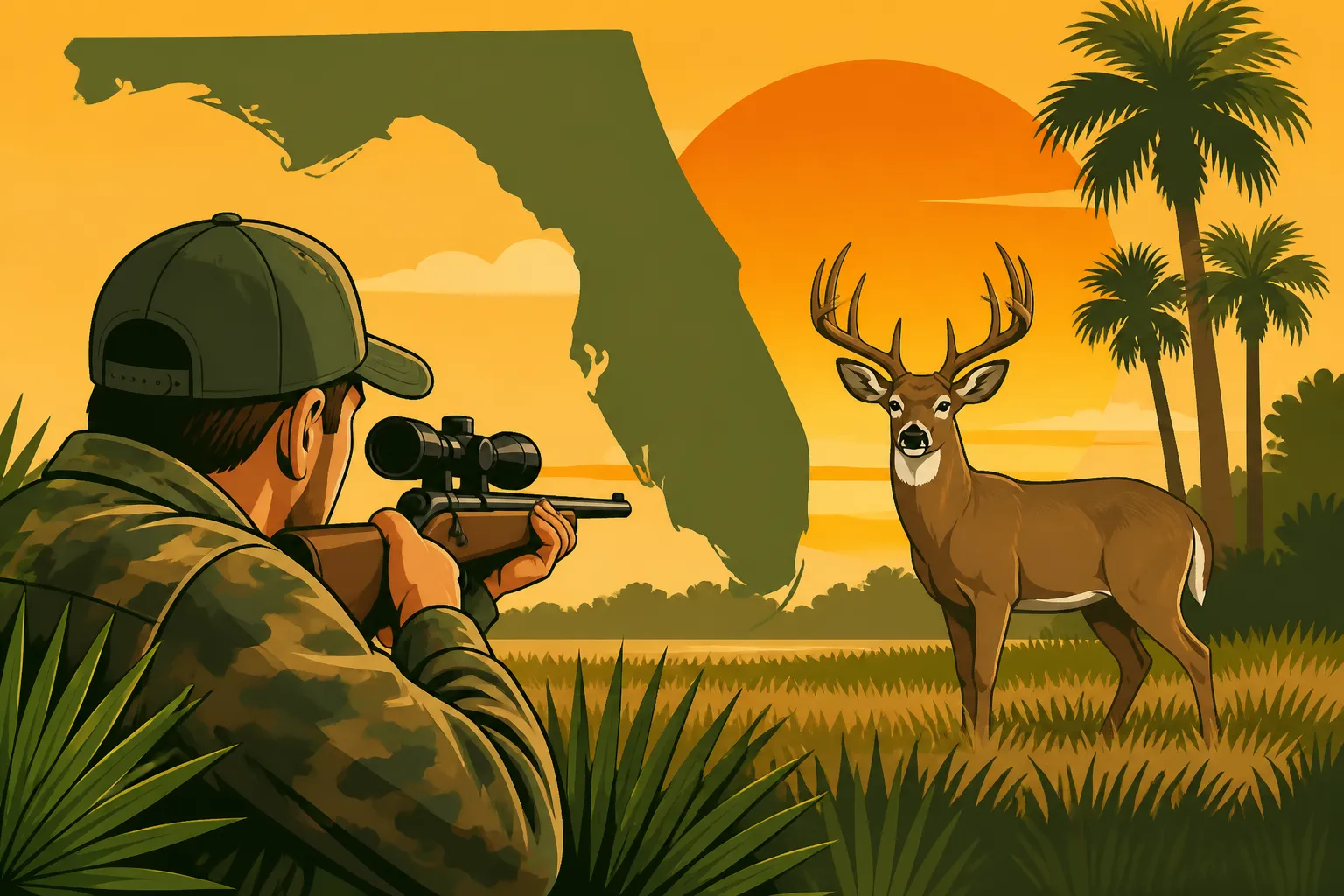
Oh, the dream of a free-range Florida deer hunt! It’s a vision many of us hold dear: slipping through palmetto flats or oak hammocks, glassing a powerline right-of-way, hoping to catch a glimpse of a wary buck in its natural habitat. But let's be real, turning that dream into a successful trip can feel like a monumental task, especially if you're not a local or don't have private land access. This guide is here to cut through the confusion and walk you through everything you need to know about booking an authentic, free-range deer hunting experience here in the Sunshine State.
The Lure of Free-Range Florida Deer
There’s a certain magic that comes with pursuing truly wild animals on their own terms. It’s a challenge that speaks to the core of what hunting is all about, and Florida, with its unique ecosystems, offers a free-range deer hunting experience unlike any other.
Why Free-Range Holds Special Appeal
For many hunters, the appeal of free-range hunting is deeply rooted in the authenticity of the experience. It’s not about guaranteed success; it’s about the raw, unfiltered interaction with nature and the inherent challenge of outsmarting an animal that exists entirely within its natural environment, without the influence of high fences or artificial feeding regimens. When you're in a free-range setting in Florida, every track, every rub, every scrape line you find is a testament to the wildness of the landscape and the deer that call it home.
There's a tremendous sense of accomplishment in harvesting a free-range deer because you know that animal made its own choices, traversed miles of wild country, and was truly a product of its environment. It means immersing yourself in the landscape, learning its nuances, and connecting with the land in a way that feels more profound than a managed, enclosed hunt. It often involves more scouting, more walking, and a deeper appreciation for the small victories that lead to a successful hunt.
Understanding Florida's Deer Dynamics
Florida's deer herd, while not known for the colossal antlers often seen in other states, offers a unique hunting challenge. Our whitetails are generally smaller-bodied, especially as you head south into the more tropical regions. This is often due to environmental factors, soil quality, and genetic traits adapted to our specific climate. For instance, Why South Florida Deer Run Smaller is a topic many hunters ponder, realizing that our local deer have evolved to thrive in dense, often swampy, habitats rather than growing massive racks.
The rut, or breeding season, in Florida is also famously diverse, varying significantly from the Panhandle down to the Everglades. You could be hunting a pre-rut phase in one zone while another is in the full swing of the chase. Understanding When the Florida Rut Peaks by Zone is crucial for planning your trip, as timing your hunt with peak breeding activity can drastically improve your chances of encountering more active bucks. This regional variation adds another layer of complexity and excitement to free-range deer hunting here.
Deciding Between Self-Guided and Guided
When it comes to free-range deer hunting in Florida, you essentially have two main paths: striking out on your own or enlisting the help of a professional guide. Both have their merits and challenges, and the best choice often depends on your experience, budget, and desired level of adventure.
The Self-Guided Adventure: Pros and Cons
Going self-guided on a free-range deer hunt can be incredibly rewarding. The primary draw for many is the cost savings; you're not paying for a guide's expertise or private land access, which can make the trip much more budget-friendly. There's also an unparalleled sense of freedom. You set your own schedule, choose your own spots, and learn the land directly through your own efforts. For the hunter who loves the challenge of discovery, breaking down a new piece of ground, and relying solely on their skills, this is the ultimate experience.
However, the self-guided route demands a significant investment of time and effort. Most free-range self-guided hunts occur on Public Hunting Land in Florida, which means you'll be dealing with potential hunting pressure, often challenging access, and the necessity of extensive pre-season scouting. You'll need to master mapping tools, understand Florida's diverse habitats, and interpret deer sign in unfamiliar territory. Success often hinges on your ability to perform thorough Scouting Florida Public Land Before Season, which can involve multiple trips or a deep dive into aerial imagery and FWC resources. Without a guide, every decision, from where to hang your stand to how to approach a specific area, falls squarely on your shoulders.
Benefits of a Guided Free-Range Hunt
Opting for a guided free-range deer hunt can significantly alleviate many of the challenges associated with self-guided trips, especially for non-residents or those new to Florida's unique hunting environment. The most substantial benefit is the guide's invaluable local knowledge. They understand the deer patterns on their specific properties, know the best spots to find active bucks, and can read the subtle cues of the Florida landscape that might take years for an outsider to decipher. This expertise dramatically increases your chances of a successful and enjoyable hunt.
Furthermore, guides often have access to private land. This is a huge advantage in Florida, as much of the prime deer habitat is privately owned. Hunting on private land generally means less pressure from other hunters, better deer management, and often more robust deer populations. A good guide will handle all the logistical headaches – securing lodging, providing transportation to and from hunting areas, setting up stands, and often assisting with field dressing and tracking. This allows you to focus purely on the hunt itself, absorbing the experience without the stress of planning every single detail. It truly transforms the trip into a focused hunting vacation rather than an intensive scouting mission.
Finding and Vetting Free-Range Outfitters
Once you’ve decided that a guided free-range deer hunt is for you, the next crucial step is finding an outfitter that aligns with your expectations and offers a quality experience. This process requires diligent research and a keen eye for detail.
Researching Reputable Outfitters
Starting your search for a free-range Florida deer outfitter means hitting the digital pavement. Begin with online searches, looking for outfitters specifically advertising "free-range" or "fair chase" deer hunts in Florida. Many reputable outfitters have well-maintained websites detailing their operations, hunting areas, and what's included in their packages. Pay close attention to the language used; an outfitter focused on ethical, free-range hunting will often highlight their commitment to fair chase principles and the wildness of the experience.
Hunting forums and social media groups dedicated to Florida hunting are also goldmines of information. Here, you can read real-world reviews, ask for recommendations, and get firsthand accounts from hunters who have already been on similar trips. Websites like BookYourHunt or GoHunt can be excellent resources, acting as platforms where you can browse multiple outfitters, compare offerings, and read verified reviews from past clients. These aggregators often provide a good starting point to narrow down your options, giving you a diverse selection of guides to consider based on location and hunt style. Don’t hesitate to reach out to people directly if they’ve shared a positive experience; most hunters are happy to talk about their successful trips.
Key Questions to Ask Prospective Guides
Once you’ve identified a few potential outfitters, it's time to pick up the phone and have a real conversation. This is your opportunity to ask probing questions and gauge their professionalism and suitability for your hunt. Begin by asking about their success rates – but dig deeper than just a percentage. Ask how they define success: is it harvesting any deer, a mature buck, or simply having shot opportunities? Inquire about the specific land you'll be hunting: Is it private land, and how many acres? What kind of habitat is it? What's the typical guide-to-hunter ratio? You want to know if you'll have a dedicated guide or if one guide will be juggling multiple hunters.
Clarify what's included in the package price. Are meals, lodging, and transportation to and from the hunting grounds covered? Are there any hidden fees or extra charges for things like field dressing, caping, or tracking a wounded animal? Most importantly, ask for recent references – not just names, but contact information for hunters who have hunted with them in the past year or two. A reputable outfitter will be transparent and eager to connect you with satisfied clients. For a more comprehensive list of things to discuss, check out our guide on Questions to Ask a Florida Outfitter.
Recognizing Red Flags
As you conduct your research and speak with potential guides, it’s vital to be aware of red flags that might signal a less-than-reputable operation. The biggest warning sign is often vague or evasive answers to your direct questions. If an outfitter is unwilling to provide specific details about their land, their success metrics, or, critically, references, that should raise an immediate alarm. Any promises that sound too good to be true, such as guaranteed trophy bucks on a free-range hunt, are almost certainly a fabrication. Free-range hunting, by its very nature, involves uncertainty and challenge.
Another red flag is a lack of proper licensing or an inability to clearly articulate their adherence to Florida's hunting regulations. All outfitters operating on private land should be able to provide proof of their business licenses, and those guiding on public lands need to be especially clear about required permits. If they pressure you for a large, non-refundable deposit without clear terms and conditions, or if their communication is consistently unprofessional, it's probably best to walk away. Trust your gut; if something feels off, it likely is. Our article on Red Flags When Booking a Florida Hunt dives deeper into these warning signs.
Understanding Hunt Packages and Costs
Booking a free-range Florida deer hunt means navigating various package options and understanding the associated costs. It's not just the sticker price of the hunt; there are often other expenses to factor in to ensure you're fully prepared.
What's Typically Included in a Free-Range Deer Hunt Package
When you're looking at free-range deer hunt packages in Florida, what's included can vary widely, but a standard offering usually covers the core elements of the hunt itself. Most reputable outfitters will provide guide services, meaning you'll have an experienced local hunter leading you to prime areas, assisting with scouting, and helping with tracking and recovery if you harvest a deer. Often, lodging is part of the package, ranging from rustic bunkhouses on the property to more comfortable cabins or even local hotels.
Meals are also frequently included, especially for multi-day hunts, often featuring hearty home-cooked fare. Transportation within the hunting property, from camp to your stand or hunting area, is usually provided. Basic field dressing of your harvested deer, such as gutting and getting it ready for transport to a processor or taxidermist, is also a common inclusion. Always confirm these specifics with your chosen outfitter to avoid any surprises once you arrive.
Deciphering the Cost Structure
The cost of a guided free-range Florida deer hunt can vary based on several factors, including the duration of the hunt, the quality of the accommodations, the time of year (e.g., peak rut vs. late season), and whether it's a semi-guided or fully guided experience. Generally, you'll find options ranging from day rates for a quick hunt to multi-day packages that include everything from lodging to meals. It’s important to understand What a Guided Florida Deer Hunt Costs can be influenced by the exclusivity of the private land access and the guide's reputation.
Unlike some high-fence operations, trophy fees are less common on free-range deer hunts, as the focus is more on the fair chase experience than a guaranteed "big one." However, always clarify this point. Most importantly, remember that the cost of your hunting license and permits is almost universally not included in the outfitter's package price. These are separate purchases you'll need to make directly through the Florida Fish and Wildlife Conservation Commission (FWC).
Additional Expenses to Budget For
Beyond the outfitter's package price, there are several other essential expenses you'll need to budget for to ensure a smooth and complete hunting trip. First and foremost are your Florida Hunting Licenses and What They Cost. You'll need a Florida hunting license and a deer permit, and if you plan to hunt any public lands (even with a guide), you might need a WMA (Wildlife Management Area) permit. For non-residents, these costs can add up, so factor them in early.
Then, there's the travel to and from Florida. Consider airfare, gas for driving, and any rental car expenses once you arrive. Gratuities for your guide are a significant part of the hunting culture; it's customary to tip for their hard work and dedication. Our article on Tipping a Florida Hunting Guide offers guidance on appropriate amounts. Finally, don't forget costs for meat processing and taxidermy if you're fortunate enough to harvest a deer. These services are typically separate from your hunt package and can vary widely in price depending on the size of the animal and the complexity of the work.
| Expense Category | Self-Guided Hunt | Guided Free-Range Hunt | Typical Inclusions |
|---|---|---|---|
| Hunting Licenses/Permits | Yes | Yes | None (Purchased separately) |
| Outfitter Fees | No | Yes | Guide service, sometimes lodging/meals |
| Travel (Air/Gas) | Yes | Yes | None |
| Food & Drink | Yes | Sometimes (in guided packages) | Meals for multi-day guided hunts |
| Lodging | Yes (Camping/Hotel) | Sometimes (in guided packages) | Rustic to comfortable accommodation |
| Gear & Supplies | Yes | Yes | None |
| Gratuities | No | Yes | None (Customary tip for guide) |
| Meat Processing/Taxidermy | Yes | Yes | None (Optional services) |
| Vehicle/ATV Rental | Sometimes | Sometimes (Provided by outfitter) | Transportation within hunting area |
Preparing for Your Florida Free-Range Deer Hunt
Successfully navigating a free-range deer hunt in Florida requires more than just booking an outfitter; it demands thoughtful preparation. From the clothes on your back to the licenses in your pocket, every detail counts.
Essential Gear and Clothing
Florida's climate is famously warm, even during deer season, which can stretch into cooler months up north but often remains quite mild in central and south Florida. This means your clothing choices are paramount. Think lightweight, breathable camouflage that wicks moisture away from your body. Layers are always a good idea, as mornings can be cool but midday temperatures can soar, especially if you're in the deep woods. Hot-Weather Sitting Strategy in Florida goes into depth on how to dress and prepare for our typically warm conditions.
Insect repellent is not optional; it's absolutely crucial for battling mosquitoes, no-see-ums, and ticks. Look for repellents with high DEET content or permethrin-treated clothing. Good quality, waterproof (or at least water-resistant) footwear is a must, as you're likely to encounter damp ground, morning dew, or even standing water in many parts of the state. Binoculars, a good knife, a headlamp, and a reliable backpack for carrying essentials round out the list. Remember, you'll be covering varied terrain, so sturdy, comfortable gear is key.
Physical and Mental Readiness
Florida's deer hunting can be physically demanding, even on private land with a guide. You might be still-hunting through thick palmetto scrub, navigating dense pine flatwoods, or walking through muddy cypress swamp edges. The heat and humidity, even in fall and winter, can be draining, and the thick cover can turn a short walk into a strenuous workout. Being in reasonable physical condition will greatly enhance your enjoyment and endurance during the hunt. This means being able to walk several miles with your gear, climb into a treestand comfortably, and handle the exertion of tracking a deer.
Mentally, patience is your greatest asset. Free-range deer, especially mature bucks, are masters of evasion. Opportunities might be few and far between, and you might spend hours in a stand without seeing much. The mental fortitude to remain focused, quiet, and optimistic, even when the woods seem quiet, is vital. Trust your guide's judgment, stay positive, and embrace the experience for what it is – a challenging pursuit in a wild environment.
Licensing and Permit Requirements
Before you even step foot in Florida with your hunting gear, you need to ensure you have all the necessary licenses and permits. This is non-negotiable and strictly enforced by the FWC. Every hunter, resident or non-resident, needs a base Florida hunting license. On top of that, you'll need a deer permit to legally harvest a whitetail. If your guided hunt takes you onto public lands, such as a Wildlife Management Area (WMA), you'll also need a WMA permit.
The process is straightforward: you can purchase these online through the FWC website, at a tax collector's office, or at many retail sporting goods stores. It's always best to purchase them well in advance to avoid any last-minute stress. For residents, understanding your Florida Resident License Options can save you money, especially if you plan to hunt multiple species or for many years. Non-residents, on the other hand, should carefully review their Florida Nonresident License Options to choose the best package for their specific trip duration and target species. Always carry proof of your license and permits with you while hunting, whether it's a physical copy or stored digitally on your phone via the FWC app.
What to Expect During the Hunt
Florida's free-range deer hunting offers a unique flavor, shaped by our distinct ecosystems and the behaviors of our whitetails. Knowing what to expect in terms of hunting methods and terrain will help you arrive mentally prepared for the adventure.
Typical Hunting Methods
When you embark on a free-range deer hunt in Florida, your guide will likely employ methods that are well-suited to our dense cover and often subtle deer movements. Still-Hunting Florida Palmetto Flatwoods is a classic approach, involving slow, deliberate movements through the thick undergrowth, pausing frequently to scan for deer. This method requires intense focus and stealth, as deer can seemingly materialize out of nowhere in the dense vegetation. It's a true cat-and-mouse game.
Stand hunting from elevated box blinds, ladder stands, or even strategically placed ground blinds is also very common, especially on private lands with established food plots, travel corridors, or pinch points. Our guide on Using a Ground Blind on Florida Public Land shares some timeless tactics, many of which apply to private land setups too. These setups allow hunters to cover specific areas for extended periods, waiting for deer to move naturally. On some larger private ranches, very light deer drives with a few hunters might be utilized to push deer from dense cover towards standers, but this is less common for guided "trophy" hunts and more for population management. The method will depend heavily on the specific property and the guide's preferred strategies.
Navigating Florida's Diverse Terrain
Florida's landscape is incredibly varied, and a free-range deer hunt can take you through an array of unique habitats. You might find yourself still-hunting through vast stretches of pine flatwoods, where longleaf pines tower over an understory of palmetto and wiregrass. These areas often have sandy soil and can be deceptively open in places, making stealth a priority. Or, you could be hunting dense oak hammocks, islands of hardwoods that offer vital food sources like acorns, especially during the fall.
Perhaps the most iconic and challenging terrain is the cypress swamp. Hunting in these areas can involve wading through shallow water, navigating cypress knees, and dealing with incredibly dense cover. It's physically demanding and requires specialized footwear and a good sense of direction. Our article on Hunting Florida Cypress Swamp Edges provides insight into the unique challenges and rewards of these environments. Regardless of the specific habitat, expect thick vegetation, uneven terrain, and the possibility of encountering plenty of Florida's diverse wildlife, from wild hogs to various wading birds.
The Importance of a Good Guide-Hunter Relationship
A successful guided hunt isn't just about the guide's knowledge; it's also about the relationship you build with them. Clear and open communication is absolutely paramount. Before and during the hunt, don't be afraid to voice your expectations, physical limitations, or any concerns you might have. A good guide wants you to have a positive experience and will work with you. Conversely, listen intently to your guide's instructions and advice; they know the land and the deer better than anyone.
Trust your guide's judgment regarding stand locations, hunting times, and strategies. They are making decisions based on years of experience and current conditions. Finally, maintaining realistic expectations is key. Free-range hunting, by definition, isn't a guaranteed harvest. The thrill is in the pursuit, the challenge, and the immersion in nature. Appreciate the opportunity to hunt wild deer in a unique environment, and understand that success is measured not just by a harvested animal, but by the memories made and the lessons learned in the great outdoors.
Disclaimer
This article is for general informational purposes only and does not constitute professional advice. Laws, prices and regulations vary by location and change over time. Consult a qualified professional for guidance on your specific situation.