Airboat Access for Backcountry Hog Hunts
Trying to access some of Florida's wildest, most remote backcountry for feral hogs can feel like an impossible task. You might spend hours slogging through cypress swamps or dense palmetto, only to find the hogs have moved on, or the terrain is simply impenetrable. This guide is all about one of the most effective, albeit unique, ways to conquer these inaccessible areas: using airboats to get into those hidden pockets of prime hog habitat.
Why Florida's Backcountry Demands Specialized Access
Florida's landscape is a diverse tapestry of environments, but a significant portion of it—especially where hogs thrive—is wet, wild, and incredibly difficult to navigate with conventional vehicles or even on foot. Forget your typical deer woods; we're talking about vast wetlands, sloughs, and dense, tangled vegetation that can swallow a truck whole.
The Challenge of Traditional Methods
When you picture hunting, you might think of ATVs or walking trails, but in many parts of Florida, those simply won't cut it. Imagine trying to drive a four-wheeler through knee-deep water for miles, or trying to walk through thick, mucky ground where every step pulls your boot off. It's exhausting, slow, and often unproductive. The sheer physical toll can make a hunt miserable before it even begins. Roads often don't exist, and even if they do, they rarely penetrate deep enough into the truly untouched territories where hogs feel safe and unpressured. This is why specialized equipment becomes not just a luxury, but a necessity for serious hunters looking to go where others can't.
The Airboat Advantage in Florida Terrain
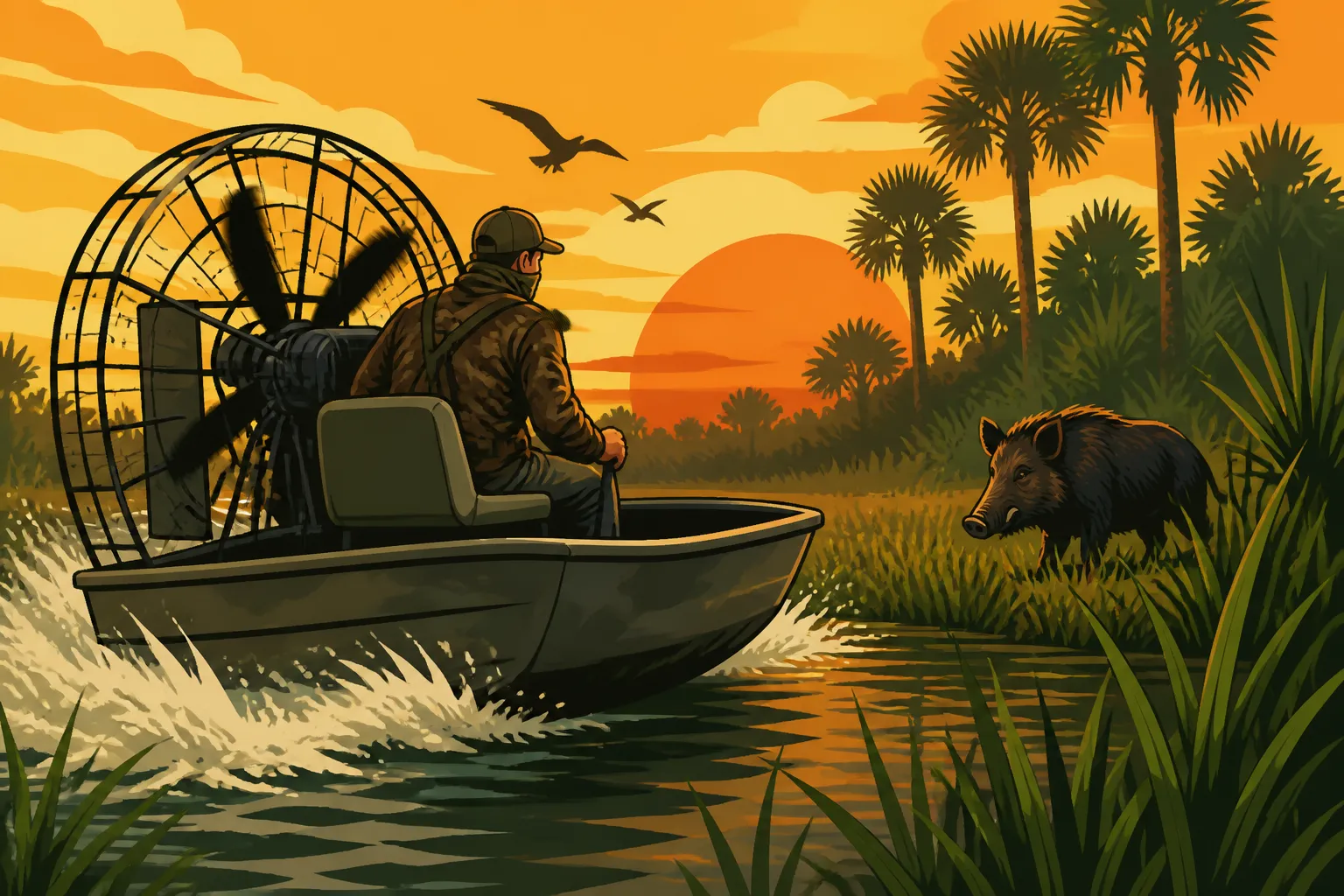
This is precisely where airboats come into their own. These marvels of engineering are designed to glide effortlessly over shallow water, wet grass, and even dry ground for short stretches. Their flat bottoms and powerful, propeller-driven engines allow them to traverse terrain that would stop any wheeled vehicle dead in its tracks. For Year-Round Hog Hunting in Florida, especially in areas like the vast marshes of the Everglades or the sprawling cypress heads of the Green Swamp, an airboat isn't just an option—it's often the only option. It allows hunters to cover vast distances quickly and quietly once they shut down the engine, getting them into areas that literally only see a handful of hunters each year, if any. The ability to access these hidden pockets means encountering hogs that are far less wary and often present in higher densities.
Prime Florida Terrains for Airboat Hog Hunting
Not all hog hunting in Florida requires an airboat, but certain landscapes make them absolutely indispensable. These are the places where the terrain itself is the biggest barrier, and an airboat acts as your key to unlock them.
Everglades and Big Cypress Swamps
When you hear "Everglades," you probably picture airboats, and for good reason. The sheer scale of the Everglades and the neighboring Big Cypress National Preserve means endless sawgrass prairies, cypress strands, and watery sloughs. These areas are incredibly rich in wildlife, including thriving populations of feral hogs. Traditional access is almost nonexistent here. The water levels can vary, from just a few inches to several feet, making walking or using vehicles impractical. An airboat allows you to skim across the surface, navigating the intricate waterways and getting deep into the heart of Hunting the Everglades and Big Cypress. You can cover dozens of miles in a short amount of time, pushing into spots where hogs have likely never seen a human hunter. The ability to quickly traverse these vast, open water and grass expanses means you can follow sign or move to new areas without wasting precious hunting time slogging through the muck.
Remote Cypress and Palmetto Flatwoods
Beyond the vast open marshes, Florida also features extensive cypress swamps and palmetto flatwoods that are often perpetually wet. Think about areas like the Green Swamp Wilderness Preserve or other large public land tracts where dense palmetto merges with standing water and scattered cypress trees. These ecosystems are classic hog habitat, providing ample cover, food, and water. However, the ground can be a mix of soft mud, standing water, and tangled roots, making walking a chore and ATVs prone to getting stuck. Airboats can be used to penetrate these wet flatwoods, especially after heavy rains have filled the low areas. They can push through dense vegetation where a boat couldn't float and a truck couldn't drive, depositing hunters in strategic locations. You might find yourself dropped off on a small, dry island within a large swamp, offering a perfect vantage point for Still-Hunting Florida Palmetto Flatwoods or ambushing hogs moving through the water.
Deep Marsh Systems and River Floodplains
Florida has numerous river systems, like the St. Johns or Suwannee, with extensive floodplains that remain wet for much of the year. These marshy areas and flooded river bottoms are often teeming with feral hogs that feed on aquatic vegetation, acorns from water oaks, and other resources. Accessing these areas from the river by conventional boat can be difficult due to shallow water, submerged obstacles, and dense bankside vegetation. From land, it's often a quagmire. Airboats provide the agility to navigate these complex, shallow water environments. They can skim over weed beds and through narrow channels that would bog down a traditional prop boat, allowing you to get into the really thick stuff. Imagine silently cutting the engine deep within a vast marsh, listening for the telltale sounds of rooting hogs, or spotting them moving through the reeds. This kind of access can also be incredibly effective for Waterfowl Hunting Florida's Marshes, proving the versatility of these vessels.
What to Expect on an Airboat Hog Hunt
An airboat hog hunt is an experience unlike any other. It combines the thrill of high-speed travel across wild landscapes with the primal pursuit of a notoriously tough game animal. It's not your grandpa's deer stand hunt, that's for sure!
The Journey into the Backcountry
First off, the ride itself is an adventure. Airboats are loud, powerful machines, and you'll typically be wearing ear protection for the entire ride in and out. The sensation of gliding over water and vegetation at speed is exhilarating. Your guide will expertly navigate through dense sawgrass, around cypress trees, and over shallow flats, often at speeds that would make a conventional boat impossible. This isn't a slow cruise; it's a dynamic, wind-in-your-face journey that quickly transports you far from any signs of civilization. Expect to feel the wind, maybe get a little wet, and be absolutely amazed at where these machines can take you. It’s an essential part of the experience, reminding you just how remote your destination is. Many outfitters specialize in this kind of deep access, and you can often find reputable guides by searching platforms like BookYourHunt for "airboat hog hunts."
Hunting Tactics from the Airboat
Once you reach your hunting spot, the tactics can vary. Sometimes, the guide will cut the engine and drift or pole the airboat into position, allowing for a stealthy approach if hogs are spotted. Other times, the airboat might be used to traverse a vast area, looking for fresh sign or rooting activity, before shutting down the engine to begin a spot-and-stalk. Often, hunters will disembark in a remote location—a small island, a cypress head, or a dry patch in the marsh—and proceed on foot from there. The airboat acts as a rapid transport, not necessarily a shooting platform, though shots from the boat can happen in specific scenarios where it's safe and legal. Hogs in these remote areas are often less pressured, making daytime movement more common. Keep in mind that Night Hunting Hogs With Lights in Florida is also a popular airboat tactic, as the airboat can efficiently cover ground and shine lights across vast open areas to locate animals. The key is adapting to the specific environment and the hogs' behavior.
Essential Gear and Preparation
Because you're heading into extremely remote and often wet areas, your gear choices are critical. Waterproof everything is a good starting point. Here's a quick rundown of essentials:
| Item | Description | Why It's Crucial |
|---|---|---|
| Waterproof Boots/Waders | Neoprene or rubber boots, or full waders for deep water. | You will get wet; protect your feet and stay comfortable. |
| Rain Gear | Durable, waterproof jacket and pants. | Florida weather can change in an instant, and rain means being miserable without protection. |
| Ear Protection | Hearing protection (muffs or plugs). | Airboats are extremely loud; this is non-negotiable for safety and comfort. |
| Bug Spray | Strong insect repellent. | Mosquitoes and other biting insects are omnipresent in Florida wetlands. |
| Navigation Tools | GPS device, physical map, or reliable app like GoHunt on your phone. | Easy to get disoriented in vast, featureless terrain once off the airboat. |
| Headlamp/Flashlight | With extra batteries. | If you're out past dark or start before dawn. |
| Water & Snacks | Plenty of hydration and high-energy snacks. | You're far from amenities; stay fueled. |
| First-Aid Kit | Basic supplies for cuts, scrapes, and snake bites. | Remote locations mean help is far away. |
| Sun Protection | Hat, sunglasses, sunscreen. | Open airboat rides and bright Florida sun can lead to severe sunburn. |
| Knife/Processing Gear | Sharp knife, game bags, and basic field dressing tools. | Be ready to process your hog quickly in warm temperatures. |
Beyond these, consider a dry bag for electronics, extra layers of clothing, and any personal medications. Always communicate with your guide about specific gear recommendations for your particular hunt.
Finding and Vetting Airboat Outfitters
The success of your airboat hog hunt hinges almost entirely on finding a reputable and experienced outfitter. This isn't a venture to undertake lightly or with an inexperienced guide. Safety, legality, and effectiveness all depend on the outfitter's expertise.
Researching Reputable Guides
Start your search online. Many Florida outfitters advertise their airboat hog hunting services. Look for guides who specifically highlight their experience with airboats and access to remote areas like the Everglades, Green Swamp, or other vast wetlands. Websites like BookYourHunt can be a great starting point, as they often feature reviews and detailed descriptions of what different outfitters offer. Don't just look at the shiny pictures; read the text carefully to understand their hunting methods, what's included, and their philosophy. Pay attention to how long they've been in business and if they have a history of successful and ethical hunts. Word-of-mouth is also huge in the hunting community, so ask around on forums or social media groups dedicated to Florida hunting. You'll often find recommendations, or warnings, about specific operators.
Key Questions to Ask an Outfitter
Once you've narrowed down a few potential guides, it's time to pick up the phone and ask some detailed questions. Don't be shy; this is your investment in an experience, and you deserve clear answers.
- Experience and Credentials: How long have they been guiding airboat hog hunts specifically? Are they licensed? What kind of safety training do they have? Do they have all necessary permits to operate in the areas they hunt?
- Hunting Areas: What specific areas do they hunt? Are these public or private lands? If public, what are the Florida WMA Quota Permit System rules for those areas, and are they assisting with that? How far into the backcountry do they typically go?
- Success Rates and Expectations: Be realistic. A good outfitter won't guarantee a harvest, but they should be able to discuss their average success rates and what factors contribute to them. What happens if you don't harvest a hog? Is there a second chance or a reduced rate for a future hunt?
- What's Included: Does the price include transportation to the airboat launch, meals, lodging, field dressing, or meat processing? What about licenses or permits? It's crucial to understand the full cost and what you're responsible for. What's Included in a Hog Hunting Package can vary wildly, so clarify everything.
- Safety Protocols: What are their safety procedures for airboat operation, dealing with wildlife, and medical emergencies in remote areas? What kind of communication devices do they carry (satellite phone, two-way radio)?
- References: A reputable outfitter should be happy to provide references from past clients. Take the time to call these references and ask about their experiences, both positive and negative.
Red Flags to Watch Out For
While most outfitters are legitimate, a few bad apples exist. Be wary of guides who:
- Promise a Guaranteed Kill: Hunting is never a guarantee. If an outfitter promises a trophy hog every time, they might be cutting corners or operating in an unethical manner.
- Lack of Specificity: If they're vague about their hunting areas, methods, or what's included, it's a warning sign.
- No References or Poor Reviews: A lack of verifiable testimonials or a string of negative reviews should make you reconsider.
- Unrealistic Prices: While airboat hunts can be more expensive due to specialized equipment and expertise, be wary of prices that seem too good to be true, or exorbitantly high without clear justification. Always ask for an itemized breakdown.
- Operate Illegally: Ensure they have all required licenses and permits for both guiding and airboat operation. Don't risk being involved in an illegal hunt.
Pros and Cons of Airboat Hog Hunting
Like any specialized hunting method, airboat access for hog hunting comes with its unique set of advantages and disadvantages. Understanding these can help you decide if this type of hunt is right for you.
Advantages of Airboat Access
The benefits of utilizing an airboat for hog hunting, particularly in Florida's challenging terrain, are quite compelling for many hunters.
- Access to Unpressured Areas: This is, without a doubt, the biggest draw. Airboats can take you deep into territories that are virtually untouched by foot traffic, ATVs, or even conventional boats. Hogs in these areas are often less wary, more visible during the day, and may exhibit more natural behaviors, leading to a more authentic and potentially more successful hunt. You're getting into the zones others simply can't reach.
- Speed and Efficiency: Covering vast distances quickly is a huge advantage. Instead of spending hours slogging through a swamp, an airboat can get you to a promising area in minutes. This maximizes your actual hunting time and allows for scouting large swaths of land or moving between different spots if the initial area isn't producing. For those with limited time for a hunt, this efficiency is invaluable.
- Unique Experience: Let's be honest, riding an airboat through the Florida wilderness is an incredible experience in itself. It’s thrilling, loud, and unforgettable. It adds a distinct adventure element to the hunt that you won't get from a traditional walk-in hunt or even a truck-based expedition. It’s part of the Florida charm.
- Higher Success Potential: Due to reduced hunting pressure and increased efficiency, the likelihood of encountering and harvesting hogs can be higher on an airboat hunt compared to other methods in these specific remote environments. When you're in an area where Feral Hogs Across Florida thrive without constant human disturbance, the opportunities just open up.
Disadvantages and Considerations
However, it's not all smooth sailing. There are definitely aspects of airboat hunting that might not appeal to everyone or require specific considerations.
- Cost: Airboat hunts generally come with a higher price tag than other hog hunting methods. The specialized equipment (the airboat itself, maintenance, fuel) and the expertise required to operate it safely in remote terrain mean a significant investment for the outfitter, which is reflected in the hunt cost. If you're on a tight budget, this might be a prohibitive factor. For a comprehensive overview, you might look into Average Cost of an Airboat Hog Hunt.
- Noise Factor: Airboats are LOUD. While you wear hearing protection, the constant roar of the engine means stealth during active airboat operation is impossible. This means hogs must be spotted from a distance, or you must rely on the airboat for transport to a remote drop-off point where you then proceed silently on foot. The noise can also detract from the "peace and quiet" aspect some hunters seek.
- Limited Stealth during Travel: The loud nature of airboats means you're alerting every animal within a significant radius when you're actively moving. This makes true "spot and stalk from the boat" challenging unless the hogs are accustomed to the noise or you're operating at night, where the noise disturbance is less of a factor for daylight movement patterns.
- Weather Dependency: Like all open-air watercraft, airboats are susceptible to weather conditions. High winds can make travel dangerous, and severe thunderstorms, which are common in Florida, can force cancellations or delays. This means flexibility in your schedule is sometimes necessary.
- Environmental Impact Concerns: While highly effective, airboats can have an impact on fragile wetland ecosystems if not operated responsibly. Reputable outfitters will adhere to regulations and best practices to minimize disturbance. Hunters who are highly focused on minimal impact might prefer other methods.
Safety and Regulations for Airboat Hog Hunting
Safety should always be your top priority when heading into the backcountry, especially on an airboat. Florida has specific regulations for both hunting feral hogs and operating airboats, which must be strictly followed.
Essential Safety Measures
Hunting from an airboat, or using an airboat to access hunting grounds, comes with inherent risks due to the environment and the equipment involved.
- Wear a Life Vest: Even if you're a strong swimmer, unexpected stops or equipment malfunctions can occur in deep or alligator-infested waters. Always wear a properly fitted personal flotation device (PFD) while the airboat is in motion. Your guide should provide one, but it's good to confirm.
- Hearing Protection is Mandatory: As mentioned, airboats are incredibly loud. Prolonged exposure without protection will lead to hearing damage. This isn't optional; it's a critical safety measure.
- Stay Seated and Follow Instructions: Airboats can make sudden turns and stops, especially when navigating dense vegetation or obstacles. Always remain seated when the boat is moving and listen carefully to your guide's instructions. They know the terrain and the boat best.
- Communicate and Be Prepared: Inform your guide of any medical conditions or concerns. Ensure you have adequate water, first-aid supplies, and sun protection. In such remote areas, self-sufficiency for minor issues is important, and clear communication with your guide about any problems is paramount.
- Firearm Safety: Always handle firearms responsibly, especially on a moving or confined platform. Ensure your firearm is unloaded until you are in a safe hunting situation, and always keep the muzzle pointed in a safe direction.
Florida Hunting and Airboat Regulations
Florida has clear guidelines for both hunting and airboat operation. Ignorance of the law is never an excuse, and violations can lead to serious penalties.
- Hog Hunting Regulations: Feral hogs in Florida are not considered game animals by the state wildlife agency (FWC) on private lands, meaning there are generally no bag limits, size restrictions, or closed seasons. However, on public lands, such as Wildlife Management Areas (WMAs), specific rules often apply, including designated hunting seasons, weapon restrictions, and sometimes even bag limits or checking requirements. Always check the specific WMA regulations for Hunting Hogs on WMA Land in the Off-Season or during regular seasons.
- Airboat Operation: Airboats themselves are regulated as vessels in Florida. This includes requirements for registration, safety equipment (like navigation lights, fire extinguisher, sound-producing devices), and proper operation. There are also specific rules about operating airboats in certain environmentally sensitive areas or within designated zones on WMAs. Your guide should be fully compliant with all these regulations.
- Licenses and Permits: While a Florida hunting license is generally required for hunting game animals, it's a good idea to ensure you have at least a base hunting license even for hogs, especially if hunting on public land, or if the outfitter operates under any specific permit that requires it. For specifics on what you might need, exploring Florida Hunting Licenses and What They Cost is a good first step. If you're on a private ranch where hogs are being managed as nuisance animals, the requirements might be different, but a responsible outfitter will clarify all this upfront.
- Weapon Restrictions: Be aware of any weapon restrictions in the specific hunting area. While centerfire rifles are generally legal for hogs, some public lands might have "shotgun only" or "muzzleloader only" regulations during certain seasons. Always verify with your guide and the FWC regulations for the specific area.
By understanding and adhering to these safety measures and regulations, you can ensure your airboat hog hunting adventure in Florida is not only successful but also safe and legal. It’s an unforgettable way to experience the wild heart of the Sunshine State and pursue some of its most tenacious quarry.
Disclaimer
This article is for general informational purposes only and does not constitute professional advice. Laws, prices and regulations vary by location and change over time. Consult a qualified professional for guidance on your specific situation.