Still-Hunting Florida Palmetto Flatwoods
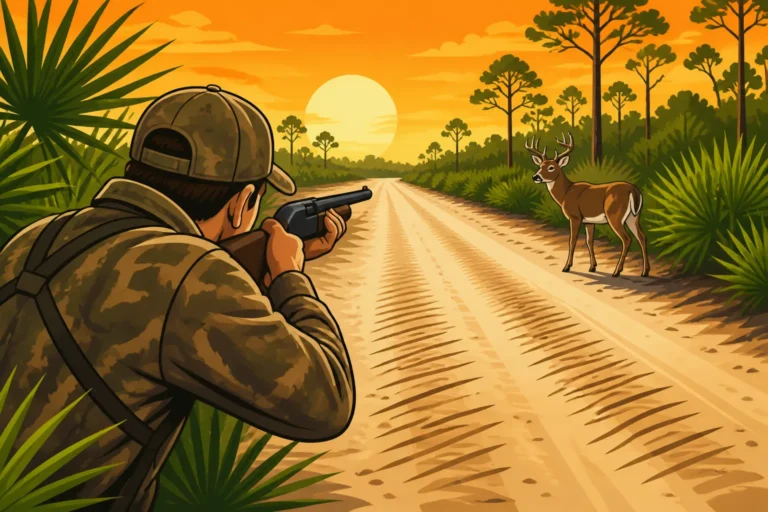
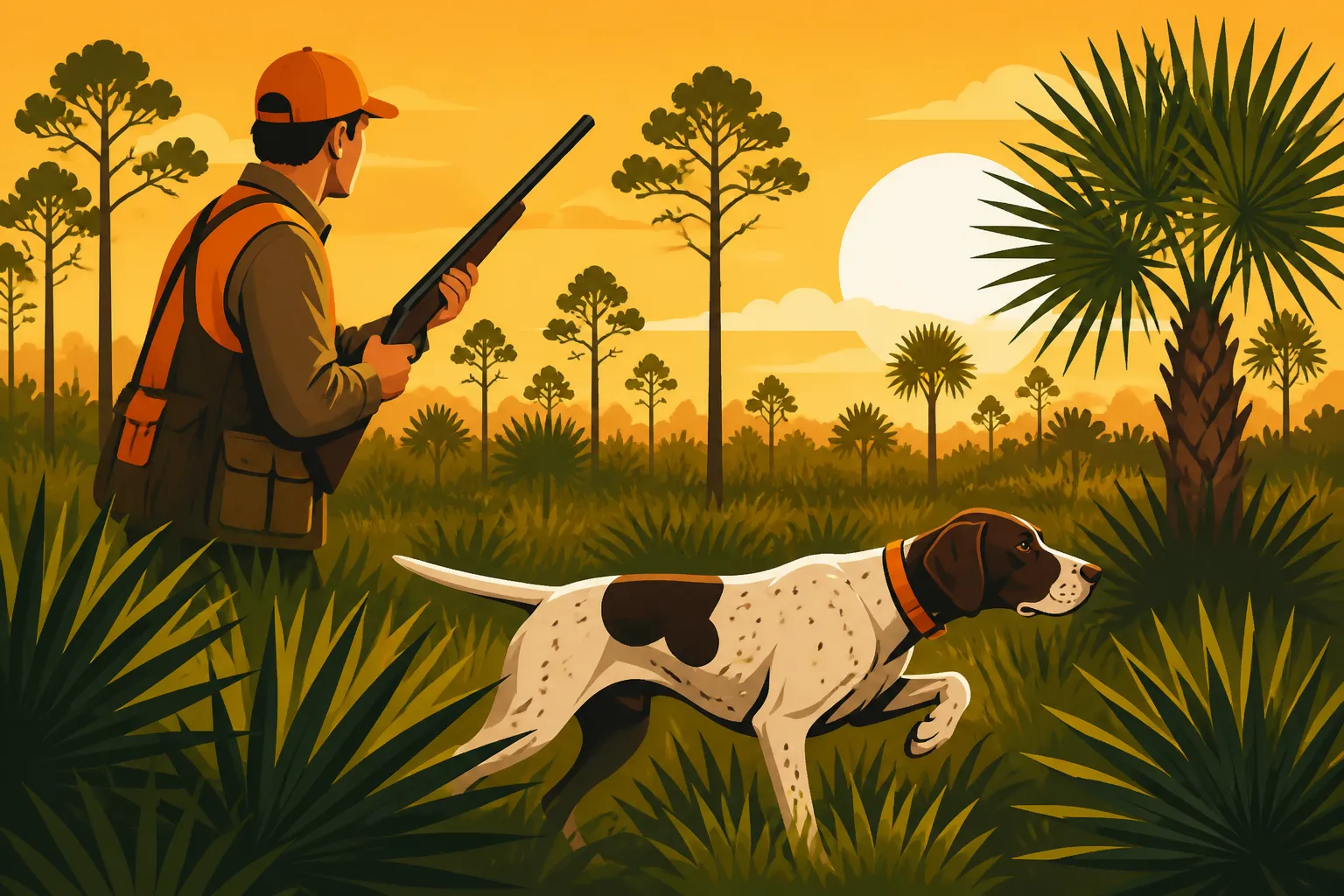
Still-hunting in Florida's vast palmetto flatwoods can feel like an impossible task. The sheer density of the vegetation, the lack of traditional landmarks, and the persistent crunch of palmetto fronds underfoot make it incredibly frustrating to move quietly and locate game. This comprehensive guide is designed to break down the unique challenges and provide you with actionable strategies to effectively still-hunt deer, hogs, and even turkeys in the often-overlooked palmetto country of Florida.
Understanding the Palmetto Flatwoods Ecosystem
Before you can effectively still-hunt, you need a deep understanding of the environment you're stepping into. Florida's palmetto flatwoods are far from uniform, but they share common characteristics that dictate how game lives and moves through them.
Habitat Characteristics and Wildlife Movement
Imagine miles of seemingly endless saw palmetto, often interspersed with sparse pine trees, ranging from knee-high to shoulder-high or even taller. This isn't your typical open hardwood forest. The saw palmetto, with its fan-shaped fronds and often sharp, serrated stems, creates an incredibly dense understory. It’s a perfect hiding place for all manner of wildlife, but also a formidable barrier for hunters trying to move quietly.
Deer, hogs, and turkeys don't just wander aimlessly through this thick cover. They navigate it with purpose, using the densest areas for bedding and security during the day, and moving to more open edges or specific feeding spots when they feel safe. Understanding how game animals perceive this habitat is key. Deer, especially mature bucks, will gravitate towards the thickest palmetto heads or sloughs for bedding, knowing they can hear you coming long before you see them. Hogs will root extensively in these areas, particularly where the sandy soil provides easy access to tubers and invertebrates, leaving clear signs of their presence. Turkeys, while more visible, will also use the edges of palmetto thickets for strutting and feeding, especially in the cooler parts of the day. Recent prescribed burns or natural wildfires can significantly alter these patterns, creating temporary openings and exposing new food sources, which savvy hunters can capitalize on.
Reading the Terrain for Game Sign
One of the biggest frustrations in palmetto flatwoods is the monotonous landscape. It can all look the same, making it hard to find those crucial pinch points or travel corridors. However, if you train your eye, subtle elevation changes and drainage patterns become apparent, offering vital clues to game movement. A slight rise in elevation, even just a foot or two, can mean the difference between wet and dry ground, influencing where game chooses to walk or bed. Look for areas where water tends to collect after a rain; these might be preferred travel routes or even seasonal food plots if they hold moisture longer, leading to lusher vegetation.
Identifying game trails in palmetto requires a keen eye. Unlike the well-worn paths in open woods, trails here might be subtle depressions in the sand or pathways where palmetto fronds have been consistently pushed aside. Rubs and scrapes, while less frequent than in hardwood forests, are often found along the edges of denser palmetto thickets or along old logging roads and fire breaks that cut through the flatwoods. These linear features are crucial funnels. When you find these signs, don't just note them – analyze them. Are the rubs fresh? Is the scrape being actively worked? This tells you not just that game is here, but when they are active. Tools like the onX Layers for Florida Land Status can be incredibly helpful for identifying these subtle changes, such as old roads, power lines, or property boundaries that create natural travel corridors that game will use. The more you study the land, the more the "monotony" reveals its hidden highways.
Essential Gear for Still-Hunting Palmetto
Still-hunting is physically demanding and requires you to be completely self-sufficient. Your gear choices can make or break your success and comfort in the Florida palmetto flatwoods.
Footwear and Clothing for Stealth and Comfort
When you're still-hunting, every step matters. The crunch of dry palmetto fronds or twigs can alert game from a considerable distance. This means your clothing needs to be quiet above all else. Avoid noisy fabrics like stiff nylons or crinkly synthetics. Soft-shell materials, fleece, or even quiet cotton blends are preferable. Layering is also important, as Florida mornings can start cool, but the midday sun quickly heats up, especially when you're moving. You'll want to shed layers as the day progresses to manage sweat and stay comfortable.
Footwear is arguably the most critical component for still-hunting in palmetto. You need boots that are waterproof, comfortable for miles of walking, and, most importantly, quiet. Many seasoned Florida hunters opt for snake boots, not just for protection against venomous snakes common in this habitat, but also because their stiffer soles and durable construction can offer better protection against sharp palmetto stems. The ground can vary from soft, dry sand to muddy, water-filled depressions, so good traction is essential. A quiet sole is also paramount; avoid aggressive treads that pick up debris and crunch excessively. Before hitting the woods, practice walking in your chosen footwear to identify and mitigate any squeaks or noises.
Optics and Navigation Tools
In dense palmetto, your line of sight is often limited to a few yards. This makes quality optics invaluable. A good pair of binoculars (8x or 10x magnification is usually sufficient) will allow you to scan ahead, pick apart distant patches of cover, and spot the subtle twitch of an ear or a horizontal line that doesn't belong in a vertical world of palmetto fronds. Instead of looking for an entire deer, focus on identifying small parts – a patch of hide, the curve of an antler, the flick of a tail. This technique is especially effective in the broken visibility of thick cover.
Navigation in palmetto flatwoods can be disorienting. One clump of palmetto can look just like the next, and without prominent landmarks, it's incredibly easy to get turned around. A reliable GPS unit or a smartphone with a robust hunting app like GoHunt is non-negotiable. These tools allow you to pinpoint your exact location, track your movement, mark significant game sign, and safely navigate back to your vehicle. I always recommend downloading offline maps before you go, as cell service can be spotty in remote areas. On top of that, a compass and physical map are excellent backups, especially if your electronics fail. Don't forget a rangefinder; while shots in palmetto are often close, knowing your precise distance to an animal when a narrow shooting lane presents itself can be the difference between a clean kill and a missed opportunity.
The Art of Still-Hunting: Techniques and Mindset
Still-hunting is more than just walking slowly; it's a deliberate and meditative process that demands extreme patience and acute observation skills. It's about blending into the environment and letting the woods reveal themselves to you.
Slow Movement and Observation
The cardinal rule of still-hunting is to move at the "pace of a snail." This isn't just a saying; it's a literal instruction. You should spend far more time standing still, observing, and listening than you do actually moving. A good rule of thumb is to take no more than 10-20 steps, then stop for several minutes, scanning your surroundings. This allows game that might have been bumped by your previous steps to settle down, and it gives you time to detect subtle movements or sounds.
When you stop, don't just glance around. Systematically scan your environment, from the ground level up to eye level, and even into the canopy if you're hunting turkeys. Look for anything that seems out of place: a horizontal line in a predominantly vertical landscape, a shadow that looks too solid, or a patch of hide that isn't palmetto fronds. Use your binoculars constantly to pick apart dense cover. Listen intently for subtle sounds – a rustle in the palmetto, a twig snap, a grunt, or the gentle swish of a tail. These are the telltale signs that game is nearby and often unseen. Remember, you're not just looking for a whole animal; you're looking for parts of an animal. This approach is particularly effective when you are Hunting a Funnel Between Two Palmetto Heads, where game movement is often concentrated.
Wind, Thermals, and Scent Management
Florida's flat terrain often means less predictable winds and thermals compared to mountainous regions. While thermals generally rise in the morning and fall in the evening, local conditions, especially proximity to water bodies or large clearings, can create swirling, unpredictable air currents. This makes scent management incredibly challenging but even more critical. Always try to hunt into the wind or with a quartering wind, but be prepared for it to shift unexpectedly.
Advanced scent control strategies are paramount in Florida's heat and humidity. This isn't just about using scent-eliminating sprays; it's about a holistic approach. Shower with unscented soap, wash your hunting clothes in scent-free detergent, and store them in an airtight container or bag with natural elements like pine needles. Consider using ozone generators (if legal in your area) or specialized scent-blocking clothing. Even with these precautions, assume that an animal downwind of you will eventually pick up your scent. That's why being excruciatingly slow and observant, constantly monitoring wind direction with a puffer bottle, is so important. For a deeper dive, check out our guide on Wind and Thermals in Flat Florida Terrain.
Sound Discipline and Visual Camouflage
The palmetto flatwoods are a symphony of rustles and crunches, and your goal is to add as little to that symphony as possible. Every step should be deliberate. Before placing your foot down, look for the quietest spot – often bare sand or pine straw rather than dry palmetto fronds. Lift your feet rather than dragging them. If you hear a squirrel or bird making alarm calls, freeze and assess. They might be alerting you to game, or they might be alerting game to you.
Visual camouflage isn't just about wearing the right pattern; it's about how you move and present yourself. Break up your silhouette by using the sparse pine trees, palmetto clumps, or even slight rises in the terrain as cover. Avoid walking in open areas for too long. If you move from shade to sun, pause and let your eyes adjust. Florida's palette is predominantly greens and browns, but often with stark shadows and bright sunlight. A camouflage pattern that blends well with these contrasts, like Mossy Oak Bottomland or patterns with a good mix of light and dark, can be very effective. Remember, the goal is not to disappear, but to appear as part of the natural environment, moving so subtly that any observing eyes dismiss you as a non-threat.
Locating Game in Dense Palmetto
Finding game in the seemingly endless sea of palmettos requires knowing where they prefer to hide, feed, and travel. It's about understanding their daily patterns within this specific environment.
Identifying Bedding Areas
Deer, especially older bucks, are masters of concealment, and the dense palmetto flatwoods provide ideal bedding cover. They're looking for security and comfort, which often means the thickest, most impenetrable clumps of palmetto, especially those with a slight rise in elevation to stay dry, or shaded spots under a cluster of pines. These areas often have multiple escape routes, allowing a deer to slip away undetected if a threat approaches. You won't typically see a clear "bed" like in a leaf litter forest; instead, you might notice areas where palmetto fronds are bent over, or a small depression in the sand.
To find these bedding areas, focus on the edges of large, dense palmetto thickets, especially those adjacent to potential food sources or water. Also, look for subtle changes within the thickets themselves—a slightly taller patch of palmetto, a small, isolated hammock of oaks, or a subtle drain that offers a bit more moisture. These are natural draws for bedding animals. Often, the best way to locate these spots is to identify fresh sign leading into or out of such thickets. A well-used trail suddenly disappearing into a wall of palmetto is a huge clue. Our article on Where Florida Bucks Bed in Thick Palmetto goes into even greater detail about these hidden sanctuaries.
Pinpointing Feeding and Watering Sites
While palmetto provides excellent cover, animals still need to eat and drink. Understanding the food sources available in the flatwoods is crucial for still-hunting success. Deer will browse on young palmetto shoots, various forbs, and the tender new growth of pines. They also eagerly seek out acorns from scattered oak hammocks or individual oak trees within the flatwoods. Hogs, being opportunistic omnivores, will extensively root in the sandy soil for tubers, roots, and invertebrates. Their rooting patterns are unmistakable—churned-up ground where they've dug for food.
Water is another critical element. In many palmetto flatwoods, natural depressions can hold water after heavy rains, creating temporary ponds or sloughs. These become vital watering holes for all game. Look for tracks leading to and from these areas. During drier periods, game will concentrate around more permanent water sources like creeks, ponds, or even man-made ditches. Knowing the seasonal availability of food sources is also important. For example, during a mast crop year, focus on areas with oaks. In leaner times, animals will be more reliant on persistent browse or whatever greens are available, perhaps in damper areas. Understanding these seasonal shifts helps you pinpoint Late-Season Food Sources for Florida Whitetails when natural forage might be scarce.
Using Game Trails and Transition Zones
Game animals, just like us, prefer the path of least resistance. While they can push through dense palmetto, they'll readily use established game trails, old logging roads, fire breaks, and the edges of different habitat types. These transition zones are often high-traffic areas and excellent places to still-hunt. A well-worn game trail cutting through a palmetto flat is a superhighway for deer and hogs. These trails often connect bedding areas to feeding grounds or watering holes.
Edges are particularly productive. Think about where a dense palmetto thicket meets a pine plantation, a cypress swamp, or an agricultural field. These interfaces create natural funnels where game animals feel comfortable moving. For example, Hunting Florida Cypress Swamp Edges can be incredibly effective because animals use the edge of the water as a travel corridor, and the dense swamp offers nearby security. When you locate these trails and transition zones, move even slower, paying extra attention to tracks and droppings to determine the direction and recency of travel. A fresh track pointing into a thicket tells you something entirely different than an old track heading out. GoHunt is excellent for identifying these habitat transitions on a map before you even step foot in the woods.
Executing the Shot and Recovery in Palmetto
The dense cover of palmetto flatwoods presents unique challenges for taking an ethical shot and, perhaps even more critically, for successfully recovering your game.
Shot Opportunities and Ethical Considerations
Still-hunting in palmetto means that shot opportunities are often fleeting and presented in very tight windows. Unlike open timber hunting, you rarely get a broadside animal standing in the clear for an extended period. More often, you'll see parts of an animal, or it will be moving through a narrow lane between thick palmetto clumps. Patience is paramount here. It's incredibly tempting to rush a shot when an animal finally appears, but an ethical hunter waits for the best possible opportunity.
Before you even raise your weapon, clearly identify your target and ensure there are no obstructions in your shooting lane. You might only have a few seconds, so being mentally prepared is key. Practice shooting from various positions – standing, kneeling, or even leaning against a tree – to be ready for whatever the moment demands. For deer, aim for the vitals (heart/lungs). For hogs, while the shoulder offers a lot of meat, the preferred vital shot is typically behind the ear or low behind the shoulder. Avoid marginal shots, especially if the animal is quartering away or obscured. If you're unsure, let the animal walk. There will always be another opportunity, and ensuring a humane harvest is always the priority.
Tracking and Recovery in Thick Cover
This is where the real test begins in palmetto flatwoods. Even a well-placed shot can result in a short blood trail that quickly disappears into the dense vegetation. Marking your shot location precisely is the single most important step after the shot. Pick out a prominent landmark (a distinct tree, a specific palmetto clump, a broken branch) directly in line with where the animal was standing and where it ran. You can even tie a piece of surveyor's tape to a nearby sapling to mark the spot.
Once you've marked the shot location, give the animal time, especially if it's a marginal hit. For deer, 30 minutes to an hour for a good hit, and several hours (or even overnight) for a suspected gut shot, is generally recommended. Hogs are notoriously tough, and sometimes need even more time. When you begin tracking, move slowly and methodically. Look for blood on both sides of the trail, on leaves, and even on the tops of palmetto fronds where the animal might have brushed against them. If you lose the trail, implement a systematic grid search pattern around the last confirmed sign. Having a tracking dog can be a game-changer in these dense environments. Many areas of Florida allow the use of leashed tracking dogs for recovery, and they can significantly increase your chances of finding an animal. For more detailed advice, refer to our articles on Tracking a Deer in Sandy Florida Soil and Blood Trailing After Dark in Florida, which offer crucial tips for challenging recovery scenarios.
Special Considerations for Palmetto Flatwoods
Hunting in Florida's palmetto flatwoods isn't just about deer and hogs; it's about navigating a unique set of circumstances that require careful planning and safety precautions.
Public Versus Private Land Tactics
The approach you take to still-hunting palmetto can vary significantly depending on whether you're on public or private land. Florida boasts extensive public hunting opportunities, including numerous Wildlife Management Areas (WMAs) and National Forests. However, these areas often experience higher hunting pressure. On WMAs, you might find specific rules regarding vehicle access, camping, or even where you can place a tree stand. Utilizing resources like the FWC's interactive maps or platforms such as GoHunt, which often integrates WMA boundaries and regulations, is crucial for planning your public land still-hunt. When Scouting Florida Public Land Before Season, pay close attention to access points, interior roads, and areas that might see less pressure due to difficult terrain or longer walks. Sometimes, the most productive spots are those that require a bit more effort to reach.
Private lands, on the other hand, often offer less pressure and potentially higher game density, but they come with their own set of challenges, primarily access. Whether you're hunting on a leased property or have gained permission from a landowner, understanding the specific property boundaries and rules is paramount. Still-hunting on private land often allows for more flexibility in terms of scouting and habitat modification (e.g., small food plots), but always with the landowner's permission. In both scenarios, but especially on public land, consider how other hunters might affect game movement. Still-hunting early in the morning or late in the afternoon, or even during weekdays, can help avoid crowded conditions.
Adapting to Weather and Environmental Factors
Florida's weather is notoriously unpredictable and often extreme, which significantly impacts still-hunting. Heat and humidity are constant companions for much of the hunting season. This means proper hydration is absolutely critical. Carry plenty of water, and consider electrolytes. Hunting during the cooler parts of the day – dawn and dusk – is often more comfortable and productive. Our guide on Hot-Weather Sitting Strategy in Florida can offer some excellent tips for managing the heat.
Rain can be a blessing and a curse. A light rain can quiet your footsteps, making it easier to move stealthily through dry palmetto. However, heavy rain can create widespread standing water, making travel difficult and potentially washing away fresh sign. Following a rain, animals often become more active, moving to feed and seeking out drier bedding areas. Always be mindful of insects; mosquitoes, gnats, and ticks can be relentless. Insect repellent is a must-have, and permethrin-treated clothing can offer significant protection against ticks. Keep an eye on local weather forecasts, especially for pop-up thunderstorms, which can be dangerous in the flat, open country.
Safety First in Dense Terrain
The dense nature of palmetto flatwoods, combined with Florida's often warm weather and diverse wildlife, means that safety should always be your top priority. First and foremost, adhere to all blaze orange requirements, especially during general gun seasons. Even when not legally required (e.g., archery season), wearing a blaze orange hat or vest can significantly increase your visibility to other hunters. For specifics, consult our article on Florida Blaze Orange Requirements.
Always let someone know where you are hunting and when you expect to return. Carry a fully charged cell phone (with offline maps downloaded), a whistle, and a basic first-aid kit. Be aware of venomous snakes like rattlesnakes and cottonmouths, especially when stepping over logs or into dense vegetation. Snake boots offer excellent protection. Pay attention to your surroundings; while rare, Florida is home to black bears, and knowing how to react if you encounter one is important. Given the disorienting nature of the terrain, getting lost is a real possibility. Having multiple navigation tools and knowing how to use them can literally be a lifesaver. Never take unnecessary risks, and always prioritize your safety over filling a tag.
Palmetto Flatwoods Game Sign Summary
Understanding what to look for and what it means is critical for still-hunting success in the unique palmetto environment.
| Sign Type | Description | Indication in Palmetto Flatwoods | Primary Species |
|---|---|---|---|
| Tracks | Impressions left in the sand or mud by hooves or paws. | Look for fresh, clear tracks, especially after a rain. Deer tracks often appear paired. Hog tracks are typically rounder and often show dew claws. Turkey tracks are unmistakable. Direction of travel is key. | Deer, Hog, Turkey, Coyote, Bobcat |
| Droppings | Feces of the animal, varying in size, shape, and consistency. | Deer droppings are typically pelleted (though can be clumped with diet changes). Hog droppings are more cylindrical and often contain undigested plant matter. Turkey droppings are J-shaped (toms) or spiraled (hens). Freshness indicates recent presence. | Deer, Hog, Turkey |
| Rubs | Scrapes on trees where deer have rubbed their antlers. | Often found on small pine trees or palmetto stems along trails or edges of thick cover. Indicates buck activity. Fresh rubs mean a buck is actively marking territory. | Deer (Bucks) |
| Scrapes | Areas cleared on the ground, often with an overhanging branch, marked with urine and scent. | While less common in palmetto than in open woods, scrapes indicate breeding activity. Look for them on open patches of sand along travel corridors or fire breaks. A fresh scrape with fresh tracks is a prime location. | Deer (Bucks) |
| Rooting | Areas of disturbed soil where hogs have dug for food. | Highly characteristic of hog activity. Can range from small patches to extensive areas. Indicates active feeding. Fresher rooting means recent activity. Often found near water or where soil is softer. | Feral Hog |
| Trails | Pathways created by repeated animal travel through vegetation. | Look for subtle depressions in the sand or pushed-aside palmetto fronds. Often connect bedding areas to feeding/watering sites. Can be harder to spot than in open woods, requiring a keen eye. Funnels are crucial. | Deer, Hog, Turkey |
| Feathers/Dusting Bowls | Shed feathers (often primary wing feathers), or bare spots in sand where turkeys dust bathe. | Turkey feathers, especially large ones, can indicate roosting or strutting areas. Dusting bowls are common in dry, sandy areas and show recent turkey activity. Often found near palmetto edges or pine trees. | Turkey |
| Beds/Lays | Depressions or flattened areas in vegetation where animals rest. | In palmetto, these are often subtle. Look for flattened palmetto fronds, small depressions in pine needles or grass. Often found in the thickest cover for security, especially for deer. | Deer, Hog |
| Vocalizations | Sounds made by animals (grunts, snorts, clucks, gobblers). | Listening is crucial. Deer snorts or grunts, hog woofs, and turkey gobblers or yelps are all indicators of presence. Pay attention to alarm calls from smaller animals (squirrels, birds) as they often indicate an approaching predator (which could be you or other game). | Deer, Hog, Turkey, Coyote (howls) |
Disclaimer
Always consult the latest Florida Fish and Wildlife Conservation Commission (FWC) regulations before engaging in any hunting activities. Rules and seasons can change, and it is the hunter's responsibility to be fully informed and compliant with all state and local laws.