What a Landowner-Guide Arrangement Looks Like
It can be incredibly frustrating to spend countless hours scouting public land, only to find it hammered with pressure or simply devoid of the game you're after. Many hunters dream of private land access, but outright ownership or expensive leases aren't always in the cards. This guide dives deep into a practical, often overlooked solution: the landowner-guide arrangement, explaining exactly what it entails and how it can open up new hunting opportunities in Florida.
Understanding the Landowner-Guide Dynamic in Florida
A landowner-guide arrangement isn't your typical high-end, all-inclusive outfitter package, nor is it simply knocking on a farmer's door for permission. It's a unique hybrid that blends the intimate knowledge of a private landowner with some level of guided assistance, offering a distinct hunting experience. Essentially, it’s when a private landowner, often someone with a passion for hunting their own property, decides to leverage their land and expertise to guide a limited number of hunters. They might not operate a full-blown commercial outfitting business with a dedicated lodge and staff, but they possess invaluable local knowledge and access to prime habitat.
Imagine a cattle rancher in Central Florida who has spent decades observing deer patterns on his thousands of acres, knows every oak hammock, and where the hogs like to root after a rain. Instead of just leasing his land outright, he offers a more hands-on experience, personally guiding a few hunters each season. This could mean he helps you scout, points out stand locations, provides transportation around the property, or even calls in a turkey for you. It’s a more personal, often more intimate experience than a large operation might offer, and it can be a fantastic way to access quality private land without the commitment of a full lease.
What Differentiates It from a Full Outfitter or Just Asking Permission
The key to understanding a landowner-guide arrangement is recognizing where it sits on the spectrum of hunting access. On one end, you have the completely self-sufficient public land hunt or the old-school method of Asking a Florida Landowner for Permission. In those scenarios, you're entirely responsible for your scouting, planning, and execution. You might get lucky and gain access, but there's often no formal guidance or infrastructure.
On the other end, you have the full-service outfitter. These operations typically involve a well-established business, a comprehensive package that might include lodging, meals, multiple guides, and all the bells and whistles. They often have extensive leased properties or large tracts of land dedicated solely to hunting. While incredible, these can also come with a heftier price tag and a more commercial feel.
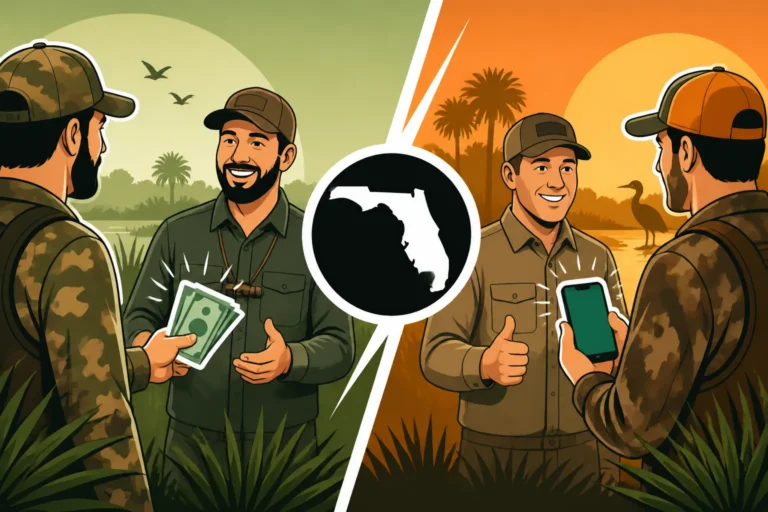
The landowner-guide arrangement sits comfortably in the middle. You're not just getting permission; you're getting the benefit of the landowner's experience. They might not provide a gourmet meal or a heated blind, but they'll share decades of hunting wisdom specific to their property. This often means better odds, less wasted time, and a more authentic connection to the land and the hunt. For instance, a landowner-guide specializing in Hunting Florida's Osceola Turkey on his private ranch might know exactly which roost trees birds favor and the best approach to call them off the limb, knowledge a first-time hunter would take years to acquire.
Why Landowners Choose This Model
There are several reasons why a private landowner might choose to offer guided hunts rather than simply leasing their land. For many, it's about control and passion. They've invested years, sometimes generations, into their property, managing habitat and fostering healthy game populations. Leasing it out to a group of hunters, sight unseen, can feel like relinquishing that control. By guiding, they maintain direct oversight of who is on their land, how they're hunting, and how the resource is being managed. This ensures their land is treated with respect and that harvest quotas, if any, are met responsibly.
Financially, it can also be a more lucrative model. While a lease provides steady income, guided hunts often command a higher daily rate, especially for sought-after species or prime hunting dates. This allows them to generate income from their land while actively participating in the hunt and sharing their knowledge. Plus, some landowners genuinely enjoy the camaraderie and satisfaction of helping another hunter succeed. They love their land, they love the game, and they love sharing that experience with others who appreciate it. It's an opportunity to pass on traditions, meet new people, and ensure the future of their property is intertwined with responsible hunting practices.
Benefits and Drawbacks for Hunters
Considering a landowner-guide arrangement for your next Florida hunt? It’s a choice that comes with its own set of advantages and potential downsides. Understanding these can help you decide if this particular model aligns with your hunting goals and expectations. For many, the unique blend of access and personalized expertise is a game-changer, but it’s not for everyone.
Advantages of Hunting with a Landowner-Guide
The primary advantage is undeniable: access to private land. In Florida, where public land can sometimes be heavily pressured, securing private ground is gold. A landowner-guide opens doors to properties that might otherwise be completely inaccessible. This means less competition, potentially higher game populations, and more natural animal behavior. You won't be bumping into other hunters every morning, which can make all the difference, especially during peak seasons like Hunting the Zone B Rut in November.
Beyond access, you're tapping into unparalleled local knowledge. A landowner has an intimate understanding of their property that no map or satellite image can fully replicate. They know where the big bucks consistently travel, which food plots are drawing deer, where the turkeys roost, or which sloughs are thick with hogs. This insight can dramatically increase your chances of success and save you countless hours of scouting. Imagine not having to guess about Wind and Thermals in Flat Florida Terrain or Reading Aerial Photos for Florida Deer; your guide already knows.
Often, these arrangements also offer more flexibility than large outfitters. Because it's a smaller, more personal operation, you might find more room to customize your hunt dates, duration, or even the type of game you're pursuing within reason. It can feel less like a commercial transaction and more like hunting with a knowledgeable friend, fostering a richer overall experience. This personal touch often leads to repeat bookings and a deeper connection to the land and the people.
Potential Downsides and Considerations
However, it's crucial to go into any landowner-guide arrangement with realistic expectations. One potential drawback is that the "guiding" aspect might be less structured or comprehensive than with a full-time outfitter. While they know their land, their primary business isn't always guiding, so their services might be more limited. They might point you to a stand but not sit with you, or offer advice but expect you to do much of the grunt work yourself. This isn't necessarily a negative, but it's important to clarify upfront what level of guidance is included.
Another consideration is facilities. Unlike dedicated hunting lodges, a landowner-guide might not offer lodging, meals, or other amenities. You might be responsible for your own accommodations, food, and transportation to and from the property. This means you need to factor in additional costs and logistics, which can impact your overall budget and planning. It’s vital to ask detailed questions about what is and isn't included in the arrangement.
Finally, while generally a benefit, the personalized nature of these hunts means that the guide's personality and communication style are a huge factor. A mismatch in expectations or communication can lead to a less enjoyable experience. Always vet your potential guide thoroughly, ask for references, and ensure you have a clear understanding of the agreement before committing. Platforms like BookYourHunt or GoHunt can sometimes help connect hunters with such guides, but direct communication is always key.
What to Expect from the Landowner-Guide
When you enter into a landowner-guide arrangement, you're not just paying for access; you're often paying for expertise and an experience rooted deeply in a specific piece of Florida ground. It's important to understand the typical services they might offer and, just as crucially, what responsibilities you, as the hunter, will need to take on. This clarity prevents misunderstandings and ensures a successful hunt for both parties.
Typical Services Offered by a Landowner-Guide
While every landowner-guide operates a bit differently, there are common threads in the services you can typically expect. First and foremost, you're getting access to their private property. This usually means exclusive hunting rights for the duration of your trip, free from competition from other hunters on that specific tract of land. This alone is a huge advantage over the crowds often found on public lands or Hunting a Florida Green Swamp Slough.
Beyond access, the "guide" aspect comes into play. This often includes sharing their intimate knowledge of the land and its game. They might show you where to set up your stand, point out fresh deer sign, or explain historical game movement patterns. They could assist with getting you to and from hunting locations, perhaps using an ATV or truck on their property's trail system. For instance, if you're Hunting an Osceola Gobbler in Palmetto Scrub, they might know the specific clearings or transition lines where gobblers tend to strut.
Many landowner-guides will also offer help with game recovery and field dressing. Imagine bagging a hog or a deer and having an experienced hand there to help you track, retrieve, and even get it back to camp or a processing facility. This can be invaluable, especially in Florida's challenging terrain and warm weather conditions where Blood Trailing After Dark in Florida can be tricky. They may also be able to recommend local meat processors or taxidermists, streamlining the post-hunt logistics. Always confirm these details beforehand; never assume a service is included unless explicitly stated.
Your Responsibilities as a Hunter
Just as the landowner-guide has responsibilities to you, you have a crucial role to play in ensuring a smooth and respectful hunt. Your primary responsibility is to adhere strictly to all Florida hunting regulations, as well as any specific rules the landowner has for their property. This includes understanding Florida Hunting Licenses and What They Cost, bag limits, legal weapons, and safety protocols. The landowner is putting their trust, and potentially their reputation, on the line by allowing you to hunt, so respecting their wishes is paramount.
You'll also be responsible for bringing all your own hunting gear, weapons, and personal supplies. Unless explicitly included in your agreement, expect to provide your own tree stands, ground blinds, ammunition, clothing, food, and water. If you're coming from out of state, ensure you understand Florida's specific requirements for nonresident licenses and permits. It's also wise to clarify your expectations for the hunt in advance. Communicate your preferred hunting style (e.g., Still-Hunting Florida Palmetto Flatwoods versus sitting a stand), your target species, and your physical capabilities. This open dialogue helps the landowner-guide tailor the experience to your needs and manage their own expectations of you.
Finally, proper etiquette and respect for the landowner's property are non-negotiable. This means leaving no trace, respecting fences and gates, and being mindful of any livestock or farming operations. A good relationship with a landowner-guide can lead to long-term hunting opportunities, so treating their land and their hospitality with the utmost respect is key.
Finding and Vetting a Landowner-Guide for Your Florida Hunt
The idea of hunting private land with the expertise of a local landowner is enticing, but how do you actually find these unique opportunities? And once you do, how can you be sure you're making a good choice? Finding the right landowner-guide in Florida requires a bit of detective work and thorough vetting.
Where to Look for Landowner-Guide Opportunities
While landowner-guides might not always have extensive online marketing campaigns like larger outfitters, there are several avenues to explore. Online hunting forums and social media groups focused on Florida hunting can be excellent resources. Many times, hunters will share positive experiences or recommend individuals they’ve hunted with. Be sure to engage respectfully and ask for recommendations specific to the type of hunt you’re looking for, whether it’s Year-Round Hog Hunting in Florida or chasing turkeys.
Specialized hunting booking platforms are also increasingly featuring these types of arrangements. Websites like BookYourHunt or even broader outdoor travel sites might list landowner-guide services, particularly for popular species. These platforms often provide reviews and contact information, making the initial connection a bit easier. While these sites can be a great starting point, always remember to verify information directly with the guide.
Networking within the hunting community is another powerful tool. Attend local hunting expos, sportsmen's clubs, or even visit smaller, independent outdoor gear shops in rural Florida towns. These places are often hubs for local hunters and landowners, and word-of-mouth recommendations can be incredibly valuable. You might stumble upon a hidden gem – a landowner who offers a few deer hunts a year on his family property near the Green Swamp Wilderness Preserve Hunting area, but doesn't advertise widely. Don't underestimate the power of simply asking around.
Key Questions to Ask Before Booking
Once you've identified a potential landowner-guide, a thorough interview process is critical. Think of it like vetting any other significant investment. Start by clarifying the specific game animals they offer, the duration of the hunt, and the exact dates available. Ask about the total cost, what exactly is included (e.g., guiding, transportation on property, game recovery, field dressing), and what is not included (e.g., lodging, meals, licenses). Remember, we can't discuss specific costs, but you need to understand the full financial picture.
It's also vital to ask about the success rates for their past clients, and understand what "success" means to them. Is it seeing game, getting a shot opportunity, or harvesting an animal? Ask about the typical hunting methods used (e.g., stand hunting, still-hunting, Deer Drives With Three or Four Hunters) and if they align with your preferences. Inquire about the size of the hunting property and how many other hunters, if any, will be on the property simultaneously during your hunt. This gives you a clear picture of the hunting pressure you can expect.
| Aspect of the Hunt | Landowner-Guide Arrangement | Full-Service Outfitter | Self-Guided Public Land Hunt |
|---|---|---|---|
| Access | Private property, often exclusive for your hunt | Private leases or owned land, multiple groups possible | Public access, high hunter density possible |
| Guidance Level | Direct, personal guidance from the landowner; local expertise | Professional guides, dedicated staff; structured hunting plans | No guidance; reliant on your own scouting and skills |
| Amenities | Often minimal (no lodging/meals); check specifics | Usually includes lodging, meals, transport, processing | None; bring everything yourself |
| Cost Structure | Typically per-day/per-animal fee; often more affordable than full outfitters | Package deal (all-inclusive); generally higher price point | Licenses/permits only, plus gear and travel |
| Flexibility | Often more flexible on dates/details due to personal nature | Less flexible due to structured schedule and multiple bookings | Complete flexibility in planning (within regulations) |
| Local Knowledge | Deep, generational knowledge of specific property | Extensive knowledge of multiple leased properties | Requires significant personal scouting and research |
| Relationship Type | Personal, often one-on-one; can foster long-term connection | Professional, client-guide relationship | Independent; no direct relationship |
Red Flags and Due Diligence
As with any significant hunting investment, performing due diligence is crucial. First, always ask for references from past clients. A reputable landowner-guide will be happy to provide contact information for hunters who can speak to their experience. Be sure to follow up with these references and ask specific questions about the hunt, the guide's communication, and their overall satisfaction.
Be wary of guides who are vague about details, unwilling to put an agreement in writing, or demand full payment upfront without a clear cancellation policy. Also, if they promise unrealistic success rates or guaranteed trophy animals, it might be a red flag. Hunting is unpredictable, and while a good guide increases your odds, no ethical guide can guarantee a harvest. Ensure they are operating legally and have all necessary permits or licenses for guiding, if required in Florida. A quick check with the Florida Fish and Wildlife Conservation Commission (FWC) can often confirm this.
Finally, trust your gut. If something feels off, it probably is. A good landowner-guide will be transparent, responsive, and genuinely interested in ensuring you have a positive and ethical hunting experience. Do your homework, ask the right questions, and you'll be well on your way to a memorable Florida hunt.
Disclaimer
This article is for general informational purposes only and does not constitute professional advice. Laws, prices and regulations vary by location and change over time. Consult a qualified professional for guidance on your specific situation.