Quail Hunting Florida Plantation Country
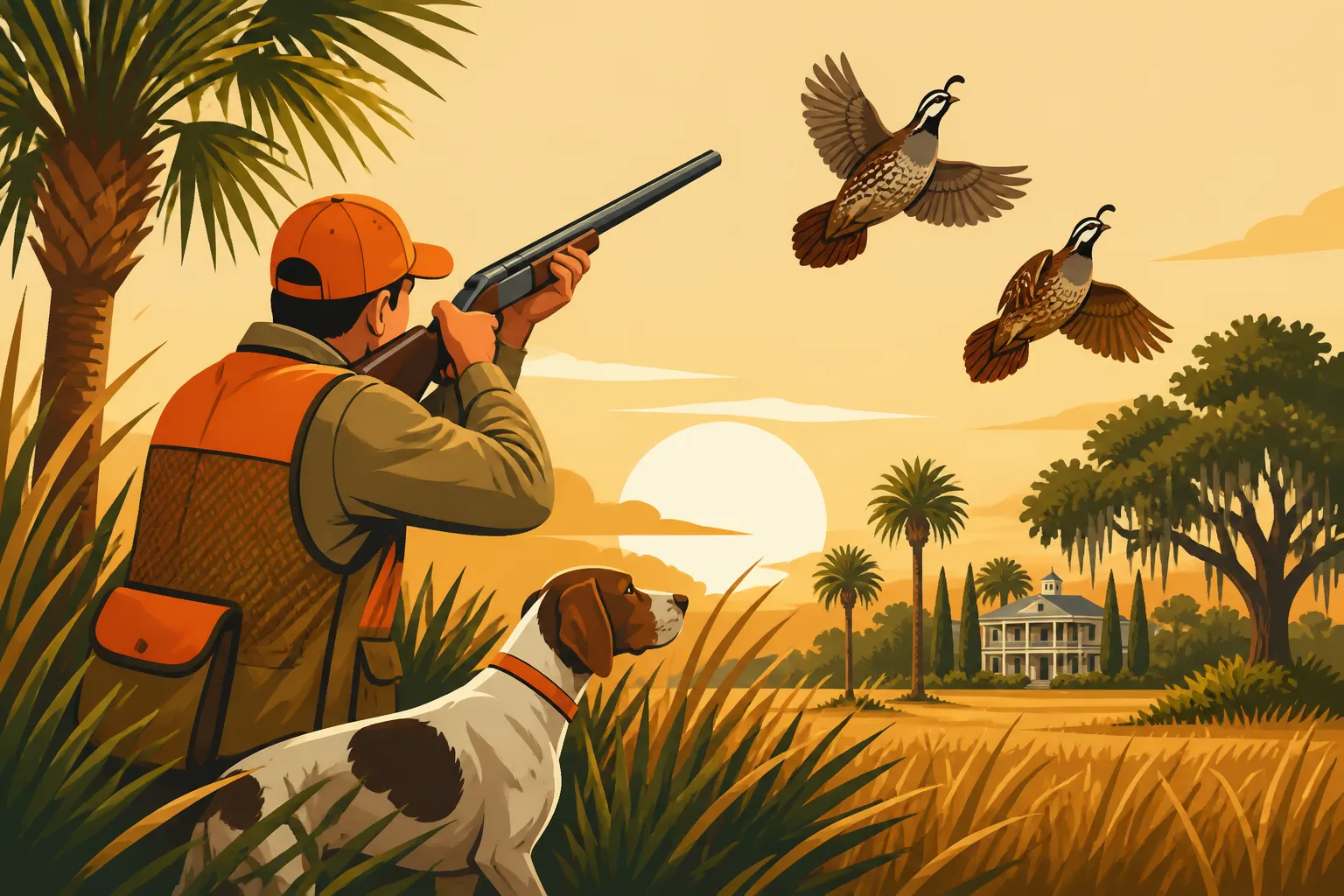
The crisp air of a North Florida morning, the anticipation as the dogs work a field, and then the electrifying moment of a covey flush—there are few hunting experiences quite as iconic as quail hunting. However, for many, the dream of a classic bobwhite quail hunt seems out of reach, overshadowed by declining wild populations and the sheer effort required to find huntable birds on public land. This guide aims to bring that dream into focus, offering a comprehensive look at what makes quail hunting in Florida's plantation country a truly special, and often necessary, experience for those seeking abundant birds and unparalleled tradition.
The Enduring Appeal of Florida Quail Hunting
Florida's reputation for hunting often centers around its deer, hogs, or even alligators, but for a select group of enthusiasts, the true gem lies in its quail heritage. The state’s unique landscape, particularly in the northern regions, has historically fostered a rich tradition of bobwhite quail hunting that continues to thrive on private plantations today, offering an experience that harkens back to a bygone era.
A Glimpse into Florida's Quail Hunting Legacy
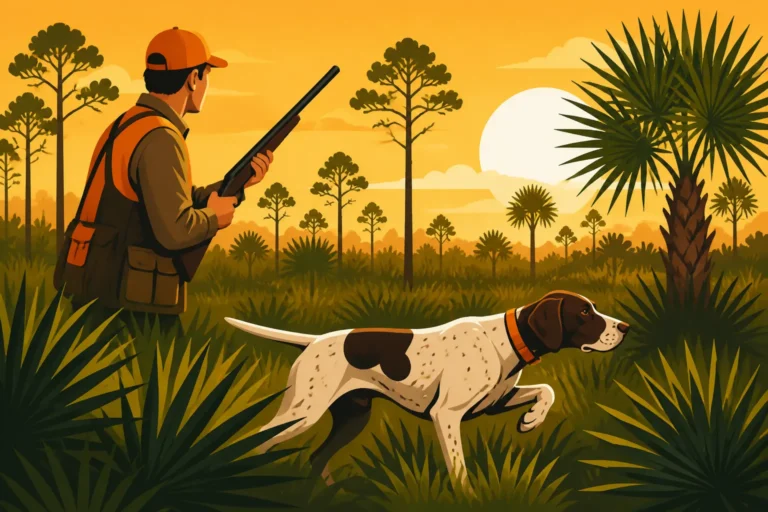
For generations, the vast pine forests and open fields of North Florida and the Panhandle were prime habitat for robust populations of bobwhite quail. Large tracts of land, often managed for timber or agriculture, also provided ideal conditions for these beloved game birds. Hunting quail was not just a sport; it was a social event, a way of life, and an integral part of the region's culture. Families would gather, skilled dog handlers would showcase their prized pointers and setters, and the crisp reports of shotguns would echo through the longleaf pines. The sheer abundance of wild birds allowed for a more casual approach, where finding a covey was often a matter of simply walking a field edge.
However, as agricultural practices changed, forests were fragmented, and fire suppression became more common, wild bobwhite populations across much of the state saw significant declines. This led to a stark reality where finding a truly productive wild quail hunt became a rare and arduous endeavor. For more insight into this, you can look into the history of Florida Bobwhite Quail Decline and how habitat changes have impacted them, especially when considering Where Wild Quail Faded From Central Florida. This shift made the dedicated management efforts of private plantations even more critical for preserving the classic quail hunting experience.
Why Plantation Country Stands Apart
Today, the most consistent and memorable quail hunting in Florida is undoubtedly found on its meticulously managed private plantations. These aren’t just large farms; they are often vast estates specifically cultivated for wildlife, with a primary focus on quail habitat. They represent the last bastions of abundant bobwhite populations, thanks to intensive habitat management, prescribed burning, supplemental feeding, and carefully controlled hunting pressure.
What sets plantation country apart is the entire ecosystem of the hunt. It's not just about pulling the trigger; it's about the tradition, the professionalism, and the sheer joy of watching well-trained dogs work. On these properties, you're stepping into a world where every detail is considered, from the quality of the bird dogs to the expertise of the guides and the comfortable lodging. You'll often find yourself driving across expansive fields in custom buggies, following a brace of pointers as they methodically search for scent. When they lock up on point, it’s a moment of pure magic, a testament to generations of breeding and training. This curated experience ensures high success rates and provides an immersive dive into the sport that's increasingly difficult to replicate in truly wild settings. For many, it's the only way to genuinely experience the grandeur of a classic quail hunt, especially when considering the ongoing Florida Quail Habitat Restoration Efforts that some of these plantations lead.
Understanding Florida's Bobwhite Quail and Their Habitat
To truly appreciate the hunt, it's vital to understand the target species itself: the bobwhite quail. These small, charismatic game birds are masters of camouflage and burst into flight with surprising speed, offering a challenging yet incredibly rewarding target for wingshooters. Their survival and proliferation are intimately tied to specific habitat requirements, which are often the driving force behind plantation management.
The Life and Times of the Florida Bobwhite
The bobwhite quail ( Colinus virginianus ) is a small, ground-dwelling bird, typically weighing between 5 to 7 ounces. Males are distinguished by a prominent white stripe above the eye and a white throat patch bordered by black, while females have a buff-colored stripe and throat. They are known for their distinctive "bob-WHITE!" call, which is a classic sound of the Southern countryside, though it's less commonly heard during hunting season.
Bobwhites are primarily seed-eaters, consuming a wide variety of seeds from grasses, forbs, and legumes. They also supplement their diet with insects, especially during the breeding season, which provides crucial protein for egg production and chick development. They are social birds, forming coveys of usually 10-20 individuals outside of the breeding season, which provides safety in numbers from predators. When disturbed, a covey will explode from cover in a sudden, noisy flush, scattering in all directions. This explosive flush is what makes them such an exciting game bird, challenging a hunter's reflexes and shooting skills. Their life cycle is relatively short, with high turnover rates, meaning good reproduction is essential for maintaining healthy populations. This is why habitat and predator management on plantations are so crucial.
Ideal Habitat on Plantation Lands
On managed plantations, the habitat is meticulously crafted to meet the specific needs of the bobwhite quail. This often involves a mosaic of different cover types, each serving a vital purpose.
- Open Pine Woodlands: Longleaf pine forests, often thinned and managed with prescribed fire, provide crucial overhead cover from aerial predators while maintaining an open understory for easy movement. The fire helps to control woody brush and encourages the growth of beneficial forbs and grasses that produce food and cover.
- Early Successional Fields: These are fields that are regularly disked, planted with native warm-season grasses, legumes, and food plots specifically chosen to provide abundant seeds and insects. Think of areas planted with partridge pea, ragweed, beggar's lice, and various millets. These fields offer prime foraging opportunities and dense nesting cover.
- Thicket and Shrubby Edges: Quail need dense cover to escape predators like hawks, bobcats, and coyotes. Patches of palmetto, gallberry, wax myrtle, or thick plum thickets provide essential "escape cover" or "loafing cover" where coveys can retreat for safety and to rest during the day.
- Water Sources: While quail can get much of their water from dew and their diet, access to nearby water sources, especially during dry spells, is beneficial.
The key is variety and interspersion. Quail need to be able to move easily between feeding areas, nesting cover, and escape cover, often within a relatively small home range. Plantations achieve this through strategic planting, disking, and most importantly, prescribed burning. Fire is an ancient tool in Florida's landscape, and on quail plantations, it’s used carefully to rejuvenate habitat, control invasive species, and stimulate the growth of preferred quail foods. This integrated approach ensures that the quail have everything they need to thrive, allowing for sustainable hunting opportunities year after year.
Essential Gear and Canine Companions for Plantation Quail
A successful and enjoyable quail hunt in Florida plantation country relies on having the right equipment and, perhaps most importantly, the right four-legged partners. Unlike still-hunting deer or calling turkeys, quail hunting is a fast-paced, dog-centric sport where your gear and your dogs are your primary tools.
Shotguns, Ammunition, and Field Apparel
When it comes to shotguns for quail, lighter is generally better, as you'll be carrying it for several hours, and quick handling is key for those explosive flushes. Most hunters opt for a 20-gauge, 28-gauge, or even a .410 bore. These smaller gauges deliver enough punch for quail without excessive recoil, making for a more pleasant day in the field, especially if you're taking a lot of shots. Over/under or side-by-side shotguns are traditional favorites, offering two quick shots. Semi-automatics are also popular for their recoil reduction and three-shot capacity.
For ammunition, typically a light game load of #7.5 or #8 shot is ideal. These smaller shot sizes provide a dense pattern, which is crucial for consistently hitting fast-flying quail. You'll want to bring plenty, as a good covey rise can mean several shots fired in quick succession. A vest or shell pouch that can comfortably hold a box or two of shells is a must.
Your field apparel needs to prioritize comfort, durability, and protection from the elements and vegetation. Florida can be warm, even in winter, so breathable layers are essential.
- Upland Vest or Coat: A good vest with large pockets for shells, game bags for birds, and often a water bottle holder is invaluable.
- Briar-Resistant Pants: You'll be walking through brush, grass, and sometimes light briars, so sturdy pants designed for upland hunting are highly recommended. Filson and Orvis are popular brands known for their rugged upland gear.
- Comfortable Boots: Waterproof, supportive, and comfortable boots are paramount. You'll be covering miles on foot, so break them in well before your trip.
- Blaze Orange: While not always strictly required on private land, wearing some blaze orange (a hat or vest) is always a good safety practice, making you visible to fellow hunters and guides.
- Eye and Ear Protection: Absolutely non-negotiable. Shooting glasses protect from stray shot and branches, and hearing protection is essential for preventing hearing damage.
The Indispensable Role of Pointing Dogs
You simply cannot have a classic quail hunt without well-trained pointing dogs. They are the heart and soul of the experience, and their performance is often the highlight of the day. Plantations typically provide their own string of experienced dogs and professional handlers, which is a significant part of the value.
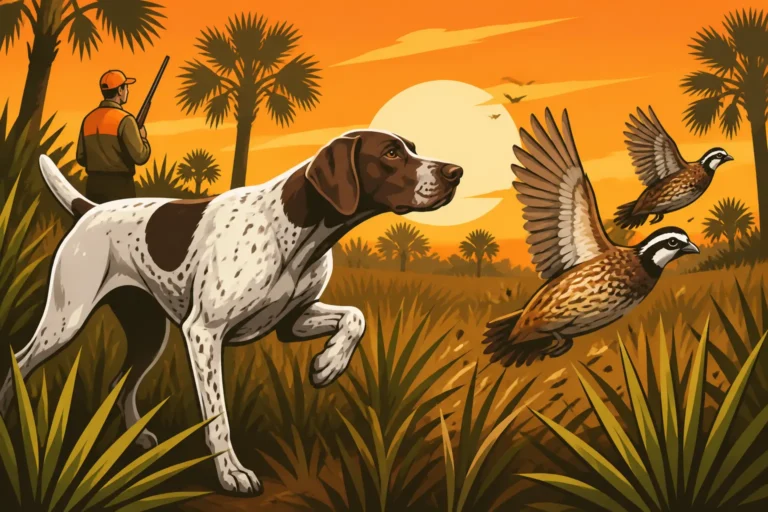
These dogs, often English Pointers, Brittanys, English Setters, or German Shorthaired Pointers, are bred and trained for generations to find and "point" game birds. Their job is to range out ahead, using their superior sense of smell to locate a covey of quail. Once they catch scent, they will "point" – freezing in a dramatic, often statuesque pose, indicating the birds' exact location. This allows the hunters to walk in, flush the birds, and get ready for the shot.
The beauty of a good pointing dog is their steadiness. They hold their point even as hunters approach, and ideally, they remain steady through the flush and shot. After the shot, a good retrieving dog (sometimes a separate dog, but often the pointer itself) will then find and bring back any downed birds. Observing the dogs work, seeing their intensity on point, and celebrating their retrieves is incredibly satisfying. These dogs are true athletes and dedicated partners, and their skill is a critical component of what makes a plantation hunt so special. For more about this, explore articles like Quail Hunting Behind Pointing Dogs and Running Pointing Dogs on Florida Bobwhites. You’ll appreciate the artistry involved.
Tactics and Etiquette for a Successful Plantation Hunt
Quail hunting on a managed plantation is a highly structured experience, designed to maximize your enjoyment and success. While it’s certainly about shooting birds, it’s also about immersing yourself in the tradition, working seamlessly with your guide and dogs, and observing proper field etiquette.
Working With Your Guide and Dogs
On a guided plantation hunt, your guide is your expert and your host. They know the property, they know the dogs, and most importantly, they know where the birds are likely to be. Listening to and following your guide's instructions is paramount for safety and success.
Typically, the guide will lead the way, directing the dog handler (who may be the guide themselves or a separate individual) to work specific areas. Hunters usually walk in a line, often flanking the dogs, staying within visual contact and shooting range of each other. When a dog goes on point, the guide will direct hunters where to position themselves. This is crucial:
- Positioning: You'll be asked to approach the dog's point from a specific angle, usually walking slightly ahead of the dog or to its side, to ensure you're in a safe shooting lane when the birds flush. Never walk directly in front of a pointing dog or ahead of the guide's instructions.
- Safety First: Always be aware of your fellow hunters, the guide, and the dogs. Know your safe shooting zone, which typically means only shooting at birds that are rising away from the group and not flying low across the line of hunters. Never swing your gun barrel past another person.
- The Flush: When the birds flush, try to pick out a single bird. The initial explosion can be overwhelming, but focusing on one bird increases your chances. Don't rush; take a moment to shoulder your gun properly and swing.
- Retrieval: Once a bird is down, mark its location as best you can. The guide or dog handler will send the retrieving dog to find it. Do not rush in to help; let the trained dog do its job. If you mark it well, you can assist the handler in directing the dog to the fall.
Remember, the guide and dogs have often spent countless hours together. Trust their instincts and enjoy the show they put on. They are professionals, and a good guide will make your day seamless and exciting.
Safety, Courtesy, and the Sporting Experience
Beyond the mechanics of the hunt, upholding a high standard of safety and courtesy ensures a positive experience for everyone.
Safety Considerations:
- Muzzle Control: Always be aware of where your shotgun muzzle is pointing. When walking, carry your gun in a safe, controlled manner, typically with the muzzle pointed towards the sky or the ground, never towards another person.
- Loaded Chambers: Keep your shotgun unloaded until you are in the field and instructed to load. Open your action when crossing fences, getting into or out of vehicles, or anytime you are not actively hunting.
- Target Identification: Be absolutely sure of your target and what is beyond it. Quail can sometimes fly low, and you need to ensure you have a safe backdrop for your shot.
- Communication: Announce your movements or if you need to pause for any reason. Clear communication prevents accidents.
Field Etiquette and Courtesy:
- Respect the Dogs: Never discipline or interfere with the guide's dogs. They are highly trained, and inconsistent commands can confuse them.
- Follow Bag Limits (if applicable): Plantations often have their own daily limits or may operate on a bird-release model. Always adhere to the established rules.
- Tip Your Guide: Tipping is customary and greatly appreciated, acknowledging the hard work of the guide and dog handler. A typical tip for a good day is 15-20% of the hunt cost.
- Enjoy the Company: Quail hunting is often a social sport. Engage with your fellow hunters and guide. Share stories, learn from each other, and appreciate the camaraderie.
- Conservation Mindset: Remember that these plantations are actively managing habitat for the long-term health of the quail population. Appreciate their efforts and understand that your hunting dollars contribute to these vital conservation initiatives.
By adhering to these principles, you not only ensure a safe and successful hunt but also honor the rich traditions of wingshooting in Florida's plantation country.
Finding and Booking Your Florida Quail Plantation Experience
Once you’re ready to embark on this classic Southern hunting experience, the next step is finding the right plantation. Florida is home to several top-tier quail hunting operations, primarily concentrated in the northern part of the state. It requires some research, but the rewards are well worth it.
Researching Reputable Plantations
Florida boasts a number of renowned quail hunting plantations, especially in the Panhandle and North Florida region. Areas around Tallahassee, Thomasville (just over the border in Georgia but often part of the same hunting culture), and toward Gainesville are prime locations. Some well-known names often include places like Gilchrist Club, Pine Hill Plantation, or Dixie Plantation. These establishments have long-standing reputations for excellent habitat, top-notch dog strings, and experienced guides.
When researching, look for plantations that emphasize habitat management and conservation. A reputable operation will be transparent about their practices, whether they primarily hunt wild birds, supplement with released birds, or a combination of both. Many plantations actively participate in efforts to improve wild quail populations and often showcase strong management plans for their properties. You can also use hunting platforms like GoHunt to filter for outfitters that specialize in quail hunting in Florida, often providing reviews and package details to help your search.
Key factors to consider during your research:
- Type of Hunt: Do they offer traditional horseback hunts, wagon hunts, or walk-in hunts? Each offers a slightly different experience.
- Bird Numbers: While wild birds are the gold standard, many operations supplement with released birds to guarantee a productive hunt. Understand their approach.
- Accommodation and Amenities: Many plantations offer luxurious lodging, gourmet meals, and other amenities that enhance the overall experience. Consider what level of comfort and service you desire.
- Reputation and Reviews: Check online reviews, testimonials, and if possible, ask for references from past clients. Hearing directly from other hunters can provide invaluable insight.
- Proximity: While the experience is key, consider how far you're willing to travel. Many excellent options are available if you are Finding Access Near Tallahassee or other major northern Florida cities.
Understanding Packages and Inclusions
Quail hunting on a plantation is typically offered as a package deal, and understanding what's included is crucial. These packages can vary widely in price and offerings, but generally include some combination of the following:
| Feature | Typical Inclusion Level (Basic to Premium) |
|---|---|
| Hunting Days | Half-day or Full-day hunts. Multi-day packages common. |
| Birds Per Hunter | Specific bag limit per hunter OR a set number of birds in the field to be harvested by the group. Some offer unlimited birds, with a premium price. |
| Guide & Dogs | Always included. Professional guide and well-trained dogs are standard. |
| Shotgun Rental | Often available for an additional fee, sometimes included in premium packages. |
| Ammunition | Usually an additional cost, though some all-inclusive packages may include a certain amount. |
| Lodging | Can range from basic cabins to luxurious suites, often included in multi-day packages. |
| Meals | Many multi-day packages include breakfast, lunch, and dinner, often featuring Southern cuisine. |
| Bird Cleaning & Packaging | Typically included. Birds will be cleaned, breasted out, and sometimes vacuum-sealed for your travel home. |
| Transportation (on-site) | Custom hunting vehicles (buggies, jeeps) for field access, usually included. |
| Licenses/Permits | Not typically included. You will need a valid Florida hunting license and possibly a migratory bird permit (if hunting migratory quail). Check Florida Quail Season Dates and license requirements well in advance. |
When you consider What a Plantation Package Includes, remember to clarify any potential hidden costs, such as ammunition, shotgun rental, or additional bird fees if you exceed a certain limit. Also, understand their cancellation policy and what happens in case of inclement weather. It's also important to confirm if licenses are included or if you need to purchase them separately. Many outfitters on platforms like GoHunt will clearly lay out their package details, but a direct call to the plantation is always the best way to get all your questions answered. Booking in advance, especially for prime dates during the Florida Quail Season Dates, is highly recommended as the best operations fill up quickly.
Disclaimer
Please remember that hunting regulations and seasons can change. Always consult the latest Florida Fish and Wildlife Conservation Commission (FWC) regulations before planning any hunting trip. This guide is for informational purposes only and does not supersede state or federal hunting laws.