Hunting the Zone A Split Gun Season Gap
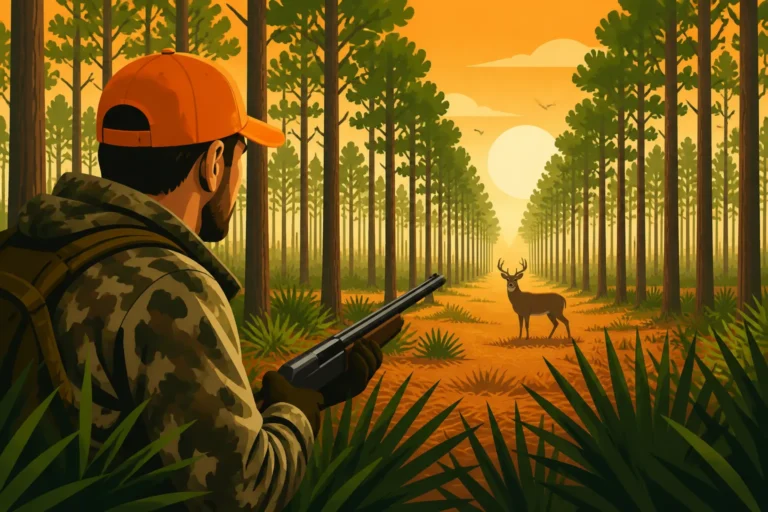
The Florida Zone A split gun season can feel like a riddle wrapped in a puzzle, especially when you're trying to figure out how to stay in the woods and actually be successful during that tricky middle ground. Many of us get fired up for the early gun opener, only to feel deflated when it slams shut, leaving a gap before the next firearms opportunity. This guide is all about dissecting that "gap" period – the often-overlooked stretch between Zone A's first gun season and its later restart – and equipping you with the knowledge and tactics to make the most of those interim weeks.
Understanding the Zone A Split Gun Season Structure
Florida's deer hunting seasons are designed with a lot of thought behind them, taking into account things like deer breeding cycles, habitat conditions, and hunter access across our diverse state. Zone A, encompassing much of the southwestern and central parts of the peninsula, often presents unique challenges and opportunities due to its subtropical climate and, yes, its distinct season structure. That "split" in the gun season isn't just a random inconvenience; it's a deliberate management tool.
The Initial Gun Season and Why It's Short
If you hunt in Zone A, you know that initial rush of the first gun season. It's usually a short burst, often just a week or two, designed to give hunters an early opportunity while also managing pressure. This early season usually coincides with warm weather, which can be a real challenge for meat care and scent control. It also tends to create a flurry of activity in the woods, with hunters hitting public lands and private parcels hard. This concentrated effort means deer quickly adapt, becoming more nocturnal and seeking out the densest cover. The short duration helps prevent excessive harvest pressure on the deer herd right off the bat, especially given the varying rut timings across the zone. For those who live for the sound of a rifle, this short window can be frustratingly brief. You barely get warmed up before it's time to put the centerfire away.
The Importance of the Archery and Muzzleloader Periods Between Splits
After that initial gun season closes, Zone A doesn't just go silent. Oh no, that's when the archery season, and often a muzzleloader season, take center stage. This interim period, the "gap" we're talking about, is where the dedicated hunter can really shine. While rifles are put away, bows and muzzleloaders offer a quieter, more intimate way to pursue deer. This shift in weaponry often means a shift in hunter numbers as well; while Florida's Four Deer Management Zones Explained dictates the overarching schedule, fewer hunters are typically out with traditional archery gear or black powder guns compared to the general gun season. This can translate to less pressure on the deer, even if the deer are still feeling the lingering effects of the early gun opener. Mastering these alternative weapon types isn't just about adhering to regulations; it's about extending your time afield and embracing a different kind of hunting challenge. Many hunters find these periods incredibly rewarding, offering a chance to truly connect with the woods on a more primitive level.
How the FWC Structures Seasons for Zone A Deer
The Florida Fish and Wildlife Conservation Commission (FWC) meticulously crafts these season structures, like the one that defines Florida Zone A Season Dates, with a lot of data and biological considerations. Their goal is to maintain healthy deer populations while providing ample hunting opportunities. Zone A's split gun season, for instance, reflects the FWC's understanding of deer behavior, breeding cycles, and hunter impact. The early gun season might target a segment of the population before the full rut kicks in, while the later gun season often aligns with or follows the peak breeding activity, allowing for different hunting strategies. The archery and muzzleloader seasons tucked in between serve as crucial tools for both hunter access and managing deer in a less impactful way than general gun season. It's a balancing act, and understanding their rationale can help you predict deer movement and anticipate hunting pressure. These regulatory decisions, while sometimes feeling restrictive, are ultimately designed to ensure sustainable hunting for years to come.
Navigating the Challenges of the Gap Period
The period between the Zone A initial gun season and its resumption presents its own set of unique hurdles. It's not just about changing your weapon; it's about changing your entire approach. Deer are smarter now, the woods are quieter but the memories of pressure linger, and the weather might still be playing tricks on you.
Dealing with Increased Hunting Pressure During Open Seasons
Let's be honest, Florida hunting, especially on public land, can get crowded. That initial gun season opener in Zone A often sees a significant influx of hunters, and that pressure doesn't just vanish when the season closes. Even though the "gap" means fewer hunters for archery and muzzleloader, the deer remember. They've been pushed, bumped, and perhaps even shot at. This means deer become warier, often moving more in low light or staying locked down in dense cover during daylight hours. You're not hunting unpressured deer anymore. This requires a much more stealthy approach, focusing on entry and exit routes that minimize disturbance. It means knowing when Hunting Pressure on Florida Public Land is at its peak and trying to find those overlooked pockets of habitat where deer might seek refuge. You've got to be willing to go where others won't, or to wait them out.
Deer Behavior Shifts After Initial Pressure
Once those first gunshots echo through the woods, deer fundamentally change their patterns. They learn quickly. Daytime movement shrinks, and they often become almost entirely nocturnal, especially if food sources are open and exposed. They'll abandon easy-to-access food plots or trails and retreat into the thickest palmetto heads, cypress swamps, or pine plantations they can find. If you were sitting over a well-worn trail during the early gun season, don't expect the same results now. You'll need to re-evaluate their bedding areas and transition routes, looking for those subtle signposts of where they feel safe. This is where detailed scouting becomes paramount. Tools like GoHunt maps can be incredibly useful here, allowing you to pour over satellite imagery to identify dense cover, water sources, and potential bedding areas that are tucked away from typical human activity. Understanding these shifts is key to intercepting deer that are actively avoiding detection.
Equipment Considerations for the Interim Seasons
The shift to archery or muzzleloader hunting during the Zone A gap demands specific equipment adjustments. If you're a bowhunter, your setup needs to be dialed in for accuracy, whether it's a compound, recurve, or longbow. Broadhead selection is critical, ensuring proper penetration for a clean kill. For muzzleloader hunters, it's about knowing your rifle, your powder, and your projectiles intimately. You'll want to practice extensively to ensure confidence in your shot at various ranges. This isn't the time to experiment with new gear. Reliability is paramount. Also, consider quieter clothing and gear, as deer are hypersensitive after being pressured. Even a squeaky treestand component or a noisy zipper can blow your hunt. Don't forget the importance of quality optics to pick apart dense cover, especially in the low light of dawn and dusk when pressured deer are most likely to move.
Effective Strategies for Hunting the Gap
Now that we understand the challenges, let's talk about how to tackle them head-on. Success during the Zone A split gun season gap isn't about luck; it's about smart, adaptable strategies. It's about outthinking those wary whitetails and often, outthinking your fellow hunters.
Scouting and Stand Location Adjustments
After the initial gun season, any previous scouting data you had might be outdated. Deer have shifted. This means it's time to put boots back on the ground, but with a different mindset. Look for fresh sign away from obvious trails and food plots. Focus on dense cover, particularly areas that offer multiple escape routes. A great resource for this is Reading Aerial Photos for Florida Deer. Utilize platforms like GoHunt that layer public and private land, showing topography and vegetation, to identify overlooked pockets of habitat.
When choosing stand locations, think stealth. You want to be able to get in and out undetected. Avoid ridge tops or open areas that expose you to the deer's view. Instead, position yourself along subtle terrain features, faint creek bottoms, or the edges of thick palmetto islands. Often, the best stand is one that allows you to catch a deer moving between a secure bedding area and a less pressured food source, even if that food source is just a patch of native browse. Consider Using a Ground Blind on Florida Public Land as a low-impact option, brushed in naturally to blend with the surroundings.
Leveraging Legal Weaponry During the Gap
The shift to archery or muzzleloader isn't a downgrade; it's an opportunity. The quieter nature of these weapons allows for a more intimate hunt. For bowhunters, this means perfecting your close-range shots and focusing on ambush points within dense cover. You might need to adjust your setup for tighter shooting lanes. For Muzzleloader Deer Hunting in Florida, the challenge often lies in single-shot precision and managing the smoke and reload time, which demands careful shot placement.
During this period, you'll want to review Florida's specific regulations for Legal Weapons During Florida Archery Season. This means understanding projectile types, draw weight limits (for bows), and powder restrictions (for muzzleloaders). The effectiveness of these weapons in the hands of a skilled hunter is undeniable, and the feeling of harvesting a deer with a bow or a smoke pole is incredibly satisfying, especially when you've overcome the added challenge of hunting pressured deer. Embrace the change in weaponry as a chance to hone different skills.
Focus on Food Sources and Cover
Deer are driven by two primary needs: food and security. After the initial gun pressure, security becomes paramount. They'll prioritize dense cover, often relocating to areas that offer maximum concealment from human activity. Your job is to identify these sanctuaries and then find the food sources closest to them that are still attracting deer.
This might mean abandoning large, open food plots for smaller, hidden patches of native browse like greenbriar, muscadine, or acorns if it's been a good mast year. Late-Season Food Sources for Florida Whitetails are often different from early-season fare, so keep an eye out for what's actually available and being eaten. Areas within a cypress slough or along the edges of a thick palmetto flat can be goldmines. Look for sign where deer are nibbling on new growth or pawing through leaf litter for acorns. GoHunt's mapping features can help you identify these pockets of cover and possible food sources that might otherwise be overlooked, allowing you to plot a strategic approach that minimizes disturbance. It's not always about the biggest food source, but the safest one.
Key Considerations for Public and Private Land
Whether you're hunting public lands like a WMA or have access to private property, the Zone A split gun season gap demands different tactical considerations. Each offers unique advantages and challenges that need to be understood.
Adapting Tactics for Wildlife Management Areas (WMAs)
Hunting Public Hunting Land in Florida, especially WMAs, during the gap period can be incredibly rewarding, but it requires a strategic mindset. WMAs often see heavy pressure during the initial gun season. When that season closes, many hunters simply pack it in until the next gun opener. This creates an opportunity for those willing to stick it out with archery or muzzleloader gear.
On WMAs, deer will have retreated into the hardest-to-reach, thickest sections. Don't be afraid to put in the miles and penetrate deeper into areas like Hunting Florida's Green Swamp or other dense, less-accessible spots. Look for small islands of high ground, secluded creek bottoms, or overlooked timber blocks. These are the places deer will feel safe. Use mapping tools to identify remote areas far from parking lots and main roads. Focus your scouting efforts on finding bedding areas first, then look for subtle trails leading to preferred browse. You'll likely need to hunt tight to cover, perhaps even utilizing a natural ground blind or a very compact treestand that can be packed in deep.
Private Land Advantages During the Split
If you're lucky enough to have access to private land during the Zone A split, you have a distinct advantage. Private land generally experiences less overall pressure than public land, and during the gap, that pressure can drop even further. This often means deer on private parcels may return to more "normal" patterns sooner, or at least be less nocturnal.
On private land, you can often control the hunting pressure, strategically rotating stand locations or restricting access to specific bedding areas to keep deer feeling secure. Food plots, if present, can become magnets during this period, especially if they are secluded. If you're managing a property, consider planting small, remote plots with Late-Season Food Sources for Florida Whitetails like clover or winter peas to provide a safe buffet for deer. You also have the flexibility to deploy trail cameras without public land restrictions, giving you valuable intel on deer movement and patterns. GoHunt's property line feature is invaluable for ensuring you stay on your designated hunting ground while also observing deer movement on adjacent parcels. Use this time to observe and understand how deer are using the landscape when not under constant threat from multiple hunters.
Zone A Split Season Weapon and Date Overview
Understanding the exact dates and legal weapons for Zone A during this dynamic period is absolutely critical. This table provides a simplified overview, but always double-check the current FWC regulations for the most up-to-date information, as dates can shift slightly year to year.
| Season Segment | Typical Dates (Approximate) | Legal Weapons | Key Considerations |
|---|---|---|---|
| Archery Season | Mid-September to Mid-October | Bows (compound, recurve, longbow, crossbows) | Minimal pressure, intimate hunting, warm weather. |
| Initial General Gun Season | Mid-October (short window) | Rifles, Shotguns, Muzzleloaders, Bows | High hunter pressure, deer quickly go nocturnal. |
| Muzzleloader Season (Gap) | Late October to Early November | Muzzleloading Rifles & Shotguns, Bows | Reduced pressure from rifle hunters, focused on primitive gear. |
| Second General Gun Season | Mid-November to Mid-January | Rifles, Shotguns, Muzzleloaders, Bows | Pressure returns, often coincides with rut peak, cooler weather. |
Note: These dates are approximate. Always consult the latest FWC Florida Zone A Season Dates for precise information.
Disclaimer
The information provided in this article is for general guidance and informational purposes only. Hunting regulations, season dates, and license requirements in Florida are subject to change by the Florida Fish and Wildlife Conservation Commission (FWC). It is the hunter's responsibility to consult the most current FWC regulations and local ordinances before participating in any hunting activity. Always prioritize safety and ethical hunting practices.