Florida Fall Turkey Zone Availability
Florida's fall turkey hunting landscape can feel like a bit of a mystery, especially with its distinct zones and often-overlooked season opportunities. Many hunters, accustomed to the springtime gobbler frenzy, aren't entirely sure where they can even chase turkeys once autumn colors start to hint at a change. This guide aims to clear up that confusion, meticulously detailing Florida's fall turkey zone availability, specific season dates, and crucial regulations to help you plan a successful and rewarding hunt in the Sunshine State.
Understanding Florida's Unique Turkey Zones for Fall Hunting
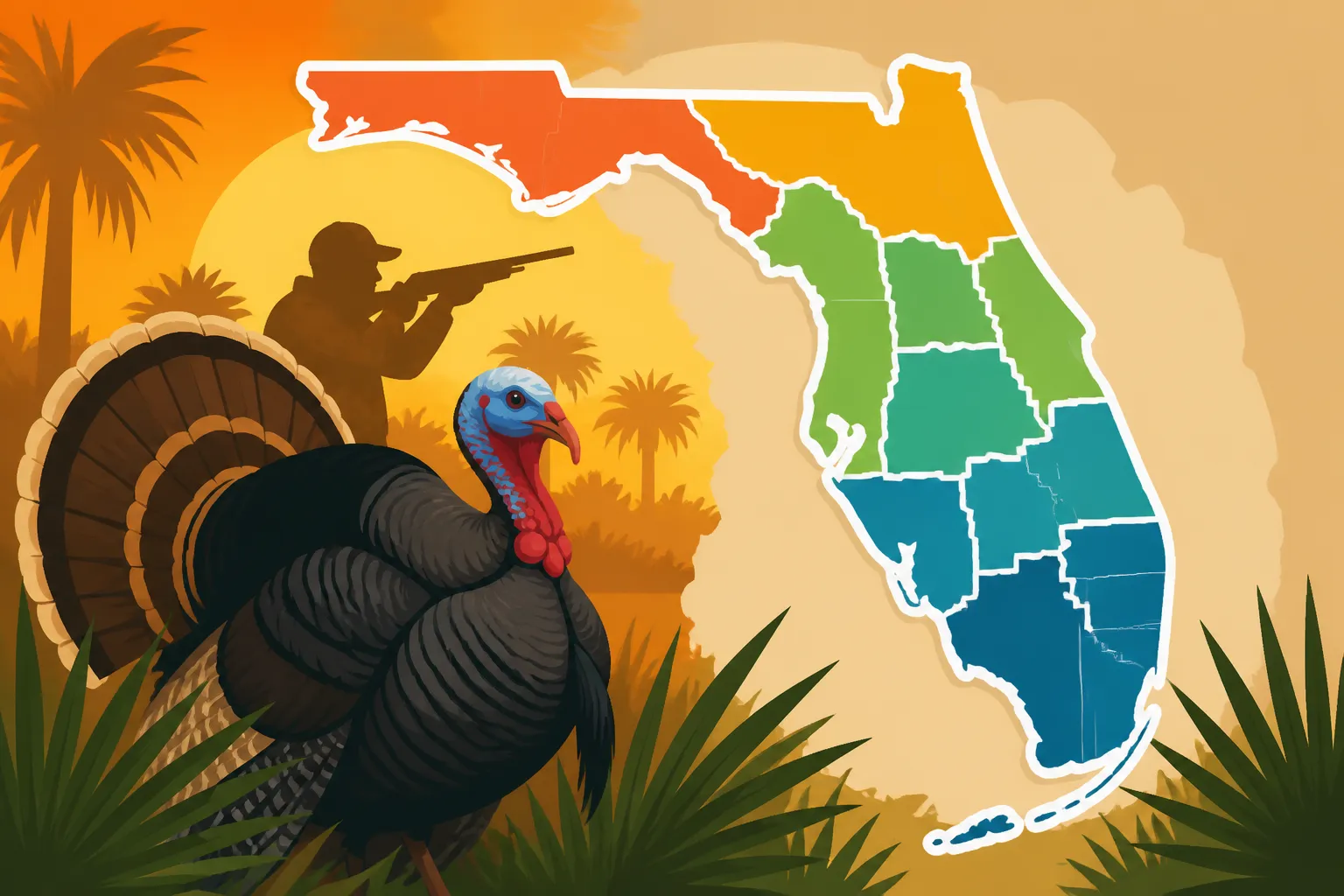
Florida is a truly unique state when it comes to wild turkeys, primarily known for being the sole home of the pure Osceola subspecies. This distinction shapes how and where you can hunt, even in the fall. While the spring season draws clear lines, the fall presents a slightly different picture, with specific zones offering opportunities and others remaining closed. It's crucial to know which zone you're in, or planning to hunt, before even thinking about packing your calls.
The Osceola Zone: Peninsular Florida's Fall Opportunities
The Osceola zone, which covers the majority of peninsular Florida, from approximately State Road 70 northward, offers limited but exciting fall turkey hunting. Historically, fall turkey seasons in this zone have been significantly shorter and more restricted than the spring gobbler hunts. The focus during the fall is often on breaking up flocks and calling in birds that are more interested in regrouping than breeding. You'll find these birds in areas like oak hammocks, pine flatwoods, and palmetto scrub, often feeding on acorns or chufa. Counties like Highlands, Polk, and Marion, for example, typically fall within this zone and may offer some public or private land opportunities. However, hunters must always check the current Florida Fish and Wildlife Conservation Commission (FWC) regulations, as these seasons are subject to change, sometimes annually, based on population dynamics and management goals. The real challenge and reward here is the chance to interact with the legendary Osceola, a bird known for its wary nature and distinct calls.
The Eastern Zone: Panhandle Fall Turkey Seasons
Moving into the Florida Panhandle, you enter what's known as the Eastern zone, home to the Eastern wild turkey. This region often sees a more traditional fall turkey season, though still distinct from the spring. The habitat in the Panhandle, with its rolling hills, mature pine forests, and hardwood bottomlands, provides excellent cover and food sources for these birds. Counties such as Leon, Gadsden, and Jackson commonly host fall turkey opportunities, both on public Wildlife Management Areas (WMAs) and extensive private timberlands. The dynamics of hunting Eastern Turkeys in the Florida Panhandle in the fall often revolve around scouting food sources and understanding flock behavior as birds prepare for winter. While still challenging, Eastern fall turkey hunting can be a bit more predictable than its Osceola counterpart due to different population densities and habitat types. It's a chance to experience classic fall turkey hunting without leaving the state, offering a different flavor than the more celebrated spring Osceola hunt.
The Absence of a Fall Season in Zone E
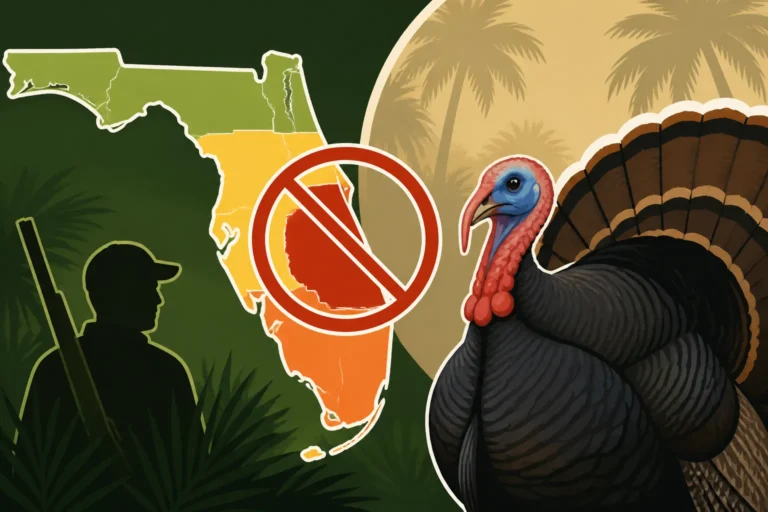
Here's where it can get a bit confusing for new hunters or those crossing state lines: Zone E, located in the southernmost portion of Florida, typically has no fall turkey season whatsoever. This zone encompasses counties like Collier, Monroe, and parts of Palm Beach and Hendry, extending into the Everglades. While this area might be rich in other wildlife, including deer and hogs, it's a no-go for fall turkeys. The reasons for this often relate to lower turkey densities in these highly specialized subtropical environments, management decisions to protect existing populations, or simply the focus on spring breeding seasons. It's an important detail to remember, as venturing into Zone E with the intention of fall turkey hunting would be a wasted effort and a potential violation of state hunting laws. Always double-check your specific location against the FWC's official zone maps to avoid any confusion and ensure you're hunting legally.
Navigating Fall Turkey Season Dates and Regulations
Once you understand which zones offer fall turkey hunting, the next step is to nail down the exact season dates and regulations. Florida's hunting calendar can be complex, with different species, zones, and even public land (WMA) rules dictating when and how you can hunt. Fall turkey season is no exception, and paying close attention to the details will save you headaches and ensure a legal, enjoyable hunt.
General Fall Season Dates Across Open Zones
Florida's fall turkey season dates vary not only by zone but also between general gun seasons and specific WMA regulations. In the open zones (Osceola and Eastern), the fall turkey season usually coincides with portions of the general gun season for deer. For example, in the Eastern zone, you might see fall turkey season running for a few weeks in November, often overlapping with the peak of deer hunting activity. The Osceola zone's fall season, when available, might be even shorter, perhaps just a few days or a weekend. These seasons are designed to allow a limited harvest without impacting the overall population health, especially considering the intense pressure spring gobbler seasons already bring. It’s imperative to consult the current FWC hunting regulations handbook or their website for the most up-to-date information on Florida Fall Turkey Season Dates. These dates are set annually and can shift slightly, so never rely on last year's calendar. Staying informed is your best defense against missing an opportunity or, worse, hunting out of season.
Bag Limits and Legal Shooting Hours
The bag limit for fall turkeys in Florida is generally much more conservative than the spring. While spring hunters often pursue two gobblers, the fall bag limit is typically limited to one turkey, regardless of sex, per season. This "any turkey" rule means you can harvest a hen or a gobbler, but it's crucial to ensure you're making a positive identification. Given that hens often travel in larger groups in the fall, it’s not uncommon for them to be the primary target for some hunters. Legal shooting hours for fall turkey hunting align with most other game species: half-hour before sunrise to half-hour after sunset. This generous window allows for both morning and evening hunts, but remember that turkeys are creatures of routine, often found on their roosts at dawn and dusk. As for legal weapons, shotguns (10-gauge to 20-gauge, using shot sizes 2 to 7.5), bows, and crossbows are generally permitted, mirroring spring season rules. However, always verify any specific WMA regulations, as some areas might have additional restrictions.
Licensing Requirements for Fall Turkey Hunting
Before you even step foot in the woods, ensuring you have the correct licenses and permits is non-negotiable. For any fall turkey hunt in Florida, you'll need a valid Florida hunting license. For residents, this is a relatively low-cost Florida Hunting Licenses and What They Cost base license. Non-residents, however, will face higher fees, which can vary depending on whether they opt for an annual or short-term license. In addition to the base hunting license, a Florida Turkey Permit is required for anyone hunting wild turkeys, regardless of the season. If you plan to hunt on any of Florida's extensive Wildlife Management Areas (WMAs), you will also need a WMA permit. These are all available through the FWC website, county tax collectors' offices, or authorized license agents like Walmart or sporting goods stores. Furthermore, if you were born on or after June 1, 1975, you must complete a FWC-approved hunter education course before purchasing a Florida hunting license, unless you are hunting under the direct supervision of a licensed adult through the apprentice hunting license program. It's a system designed to ensure safety and responsible hunting practices across the state.
Public and Private Land Opportunities for Fall Turkeys
Florida offers a mix of public and private lands for fall turkey hunting, each with its own advantages and challenges. Understanding where you can go and what to expect will greatly influence your hunting strategy and overall success. While private land often holds higher densities of birds and less pressure, public lands provide accessible opportunities for all hunters willing to put in the work.
Wildlife Management Areas WMA Fall Turkey Access
Florida's Florida Wildlife Management Areas are a cornerstone of public hunting in the state, offering vast tracts of land for various species, including turkeys. However, fall turkey opportunities on WMAs are often more restricted and may require quota permits. Unlike the broader general season for deer, fall turkey hunting on many WMAs is managed through a lottery-based Florida WMA Quota Permit System. This means you have to apply months in advance for a chance to draw a permit for a specific WMA and hunt period. Popular WMAs like Blackwater River State Forest in the Panhandle or Big Cypress WMA in the south might offer some fall opportunities, but access could be limited and highly sought after. Tools like GoHunt can be invaluable here, helping you research specific WMA regulations, identify potential hunting blocks, and understand the historical draw odds. It's not as simple as just showing up; diligent research and planning are essential. Always check the FWC's WMA-specific regulations brochure for the area you intend to hunt, as rules can vary wildly from one WMA to another, including weapon restrictions, hunt dates, and bag limits.
Private Land Hunting and Gaining Access
For many seasoned Florida turkey hunters, private land is where the most consistent fall turkey action can be found. Large timber company leases, cattle ranches, and family properties often hold healthy turkey populations that see less pressure than public lands. Securing access to these lands, however, can be the biggest hurdle. Without personal connections, it often involves a lot of legwork: knocking on doors, sending letters, or joining a hunting club. The article Getting Private Land Permission in Florida delves deeper into these strategies. In the fall, with deer season in full swing, landowners might be more hesitant to grant access for turkey hunters, but it's always worth a polite inquiry. Another option is booking a guided hunt through an outfitter who has access to prime private land. While this comes with a cost, it can be a highly effective way to experience quality fall turkey hunting without the headaches of securing access yourself. These private land opportunities often allow for more flexible hunting dates within the season, subject to the landowner's rules and state regulations.
Differences in Pressure Between Public and Private Land
Hunting pressure is a massive factor in fall turkey behavior. On public WMAs, especially those with general gun deer seasons, you can expect significantly higher hunter numbers. This can make turkeys extremely wary and push them into thicker, harder-to-reach cover. They'll be more prone to becoming "gobbler-shy" or completely silent, making traditional calling techniques less effective. Hunters on public land might need to employ more aggressive scouting tactics, using platforms like GoHunt to analyze aerial photos for remote pockets of habitat that might hold less-pressured birds. In contrast, private lands typically offer a more secluded hunting experience. Turkeys on private property that see limited hunting might be more responsive to calls and less skittish. This reduced pressure can lead to better success rates and a more relaxed hunting environment. However, even on private land, if deer hunters are actively moving through the woods, turkeys can be displaced or put on high alert. Adapting your strategy to the specific pressure level of your chosen hunting grounds is crucial for a successful fall turkey hunt.
Fall Turkey Tactics and Considerations
Fall turkey hunting is a beast entirely different from the spring. Gone are the days of aggressive gobblers strutting into every call. In the fall, turkeys are often focused on food and flock cohesion, requiring a different set of tactics. Understanding these nuances is key to filling your tag when the leaves begin to change.
Locating Fall Flocks and Calling Strategies
The primary goal in fall turkey hunting is often to locate and break up a flock of birds, then call them back together. Unlike the spring, when you're targeting lone, breeding-minded gobblers, fall hunting often involves large groups of hens and their poults, or smaller bachelor groups of gobblers. Once you find a flock—either by spotting them, hearing them, or finding fresh sign like droppings and tracks—the classic strategy is to rush in and scatter them in all directions. The goal is to make them disoriented and eager to regroup. After the dust settles, wait patiently for 30 minutes to an hour, then start making soft assembly calls. The "kee-kee run" is a quintessential fall call, mimicking a lost young bird trying to find its family. Soft clucks, purrs, and yelps can also be effective. The article Breaking Up a Fall Turkey Flock offers excellent insights into mastering this technique. Focus on enticing a response from any bird in the scattered flock, as even a hen coming in can often bring other birds with her. Remember, persistence and patience are paramount; fall birds won't always come rushing in like spring longbeards.
Scouting and Patterning Fall Birds
Successful fall turkey hunting starts long before you ever step into the woods with a gun. Pre-season scouting is absolutely critical. In the fall, turkeys are driven by food availability. They will concentrate in areas rich with acorns, chufa fields, persimmon trees, or agricultural fields where grains like corn or peanuts might have been harvested. Look for fresh turkey droppings, tracks, and scratched-up areas under oak trees. Roosting sites are also important; turkeys will typically roost in the same general areas, often tall pines or cypress trees near water. Observing these patterns will tell you where birds are spending their time. Using scouting tools, including apps like GoHunt or onX Hunt, can help you identify potential food sources, locate roosting cover, and pinpoint travel corridors. Understanding these daily movements and food preferences is often more important than calling in the fall. The article Fall Turkey Tactics in the Panhandle provides excellent regional advice that can be applied to fall scouting across the state, emphasizing the importance of adapting to local conditions and food sources. The more you know about what they're eating and where they're bedding, the better your chances of intercepting a flock.
Weapon Choices and Safety Gear
For fall turkey hunting, the legal weapon choices are generally the same as the spring season. Shotguns remain the most popular option, with 12-gauge and 20-gauge being prevalent, loaded with heavier shot sizes like #4, #5, or #6 to ensure adequate penetration. Bows and crossbows are also excellent choices for a quieter, more challenging hunt, especially if you're hunting in areas with high deer hunter traffic. Regardless of your weapon, safety is paramount. When hunting during the general gun deer season, which often overlaps with fall turkey season, remember that Florida Blaze Orange Requirements come into play. Hunters on public lands are typically required to wear a minimum of 500 square inches of hunter orange above the waist, visible from all sides. Even on private land, it's a wise precaution to wear orange to ensure you are clearly visible to other hunters. This is not just a legal requirement but a critical safety measure to distinguish yourself from game. Always identify your target positively and be aware of your surroundings, especially when other hunters might be in the vicinity.
Common Challenges and Troubleshooting for Fall Turkey Hunters
Even with careful planning, fall turkey hunting in Florida comes with its own set of challenges. From sharing the woods with other hunters to unpredictable weather and sometimes silent birds, being prepared to troubleshoot common issues can make or break your hunt.
Dealing with Overlapping Deer Seasons
One of the most significant challenges of fall turkey hunting in Florida is the overlap with general gun deer season. This means you'll likely be sharing the woods with a lot more hunters, especially on public lands. Increased hunter presence can make turkeys incredibly wary, pushing them into denser cover and making them less responsive to calls. It also means you need to be extra vigilant about safety. Always assume other hunters are in the area, and take every precaution to identify your target and its backdrop before taking a shot. The article Florida Deer Season Overlap With Small Game highlights the complexities of these concurrent seasons. It's often beneficial to scout areas that are harder to access, or to hunt during weekdays when pressure tends to be lower. Knowing which areas are popular with deer hunters and trying to find pockets less frequented can give you an edge. Sometimes, the noise and movement from deer hunters can even inadvertently push turkeys your way, so staying alert is always key.
Weather Fluctuations and Their Impact
Florida's fall weather is notoriously unpredictable. One day you might be sweating in 80-degree heat, and the next could bring a cold front with temperatures dipping into the 40s. These dramatic shifts can significantly impact turkey behavior. Warm, muggy days might make birds less active and less vocal, preferring to loaf in shady areas. Cold fronts, however, can sometimes stimulate feeding activity as birds stock up on energy. Rain, especially heavy downpours, will often send turkeys to roost early or seek shelter, making hunting challenging. Adapting your gear is essential. Layering clothing is a must, allowing you to shed or add layers as the day progresses. Waterproof outerwear is also a good idea. Beyond comfort, understanding how weather influences turkey movement – for instance, where they feed after a heavy rain or where they seek shelter from strong winds – can help you adjust your strategy. You might find birds feeding more aggressively in clearings after a front, or tucked into thick cypress heads during a prolonged drizzle.
The "Go-Quiet" Phenomenon and Adapting
Unlike the boisterous spring gobblers, fall turkeys can often be incredibly quiet. They might not gobble much, if at all, and their general vocalizations can be very subtle. This "go-quiet" phenomenon is particularly frustrating for hunters accustomed to using aggressive calling to pinpoint birds. When faced with quiet birds, you'll need to adapt your approach. Instead of relying solely on calling, shift your focus to scouting and patience. Spend more time glassing open fields or clearings at dawn and dusk, watching for birds to pitch down from roosts or enter feeding areas. Walking and stalking slowly, pausing frequently to listen and observe, can also be effective. You might need to cover more ground than in the spring, focusing on fresh sign and predicting turkey travel routes. Decoys can still work, particularly a lone hen or jake decoy to draw in curious birds, even if they aren't vocal. The key is to be less of a caller and more of a woodsman, using your eyes and ears to outsmart these often-silent, but still callable, fall turkeys.
Disclaimer
The information provided in this guide is for general informational purposes only and does not constitute legal advice. Hunting regulations, season dates, and permit requirements are subject to change by the Florida Fish and Wildlife Conservation Commission (FWC). It is the hunter's sole responsibility to consult the most current official FWC regulations prior to any hunting activity to ensure compliance with all applicable laws and rules. We are not responsible for any errors or omissions, or for the results obtained from the use of this information. Always hunt safely and ethically.