Florida Zone A Archery Opening Day
For many deer hunters in Florida, the start of archery season isn't just another date on the calendar; it's the culmination of months of anticipation, scouting, and dreaming. But with Florida's unique deer management zones and often sweltering early season conditions, understanding exactly when and where you can pursue whitetails with a bow can feel like navigating a palmetto thicket blindfolded. This comprehensive guide will walk you through everything you need to know about Florida Zone A Archery Opening Day, ensuring you're prepared for a successful, legal, and truly Floridian hunting experience.
Understanding Florida's Deer Management Zones
Florida's diverse landscape, ranging from the cypress swamps of the south to the pine forests of the Panhandle, means that deer populations and their behaviors vary significantly across the state. The Florida Fish and Wildlife Conservation Commission (FWC) has established a system of deer management zones to address these regional differences, tailoring hunting seasons to local biological cycles and population dynamics. This thoughtful approach ensures sustainable hunting opportunities while managing the herd effectively.
Why Florida Divides the State into Zones
It might seem complicated to have different opening days and season structures across a single state, but there's a good reason behind it. Florida's vast north-south expanse and varied ecosystems mean that deer populations experience the rut, or breeding season, at different times. For instance, deer in the Panhandle often rut much earlier than those in South Florida. By dividing the state into zones—A, B, C, and D—the FWC can set seasons that align with these local biological peaks. This maximizes hunter success during prime activity periods while minimizing pressure during vulnerable times for the deer, such as the fawning season. It's a pragmatic approach to managing a statewide resource that truly acts like several different regional resources. You can dive deeper into this topic with our guide on Florida's Four Deer Management Zones Explained.
Locating Zone A on the Map
Zone A is located in the westernmost part of the Florida Panhandle. Think of the counties bordering Alabama and the western stretch of the Gulf Coast. Specifically, Zone A includes all or portions of Escambia, Santa Rosa, Okaloosa, Walton, Holmes, Washington, Bay, Jackson, Calhoun, Gulf, and Gadsden counties, as well as parts of Liberty and Franklin counties west of the Apalachicola River. If you're planning to hunt anywhere from Pensacola eastward toward Panama City, or inland up to the state line, chances are you'll be in Zone A. It's crucial to confirm Which Zone Covers Your Florida County before heading out, especially if you're near a zone boundary, as boundaries can sometimes follow natural features like rivers or specific road systems rather than neat county lines. Always double-check the most current FWC regulations and maps to avoid any unintentional missteps.
The Anticipation of Archery Opening Day in Zone A
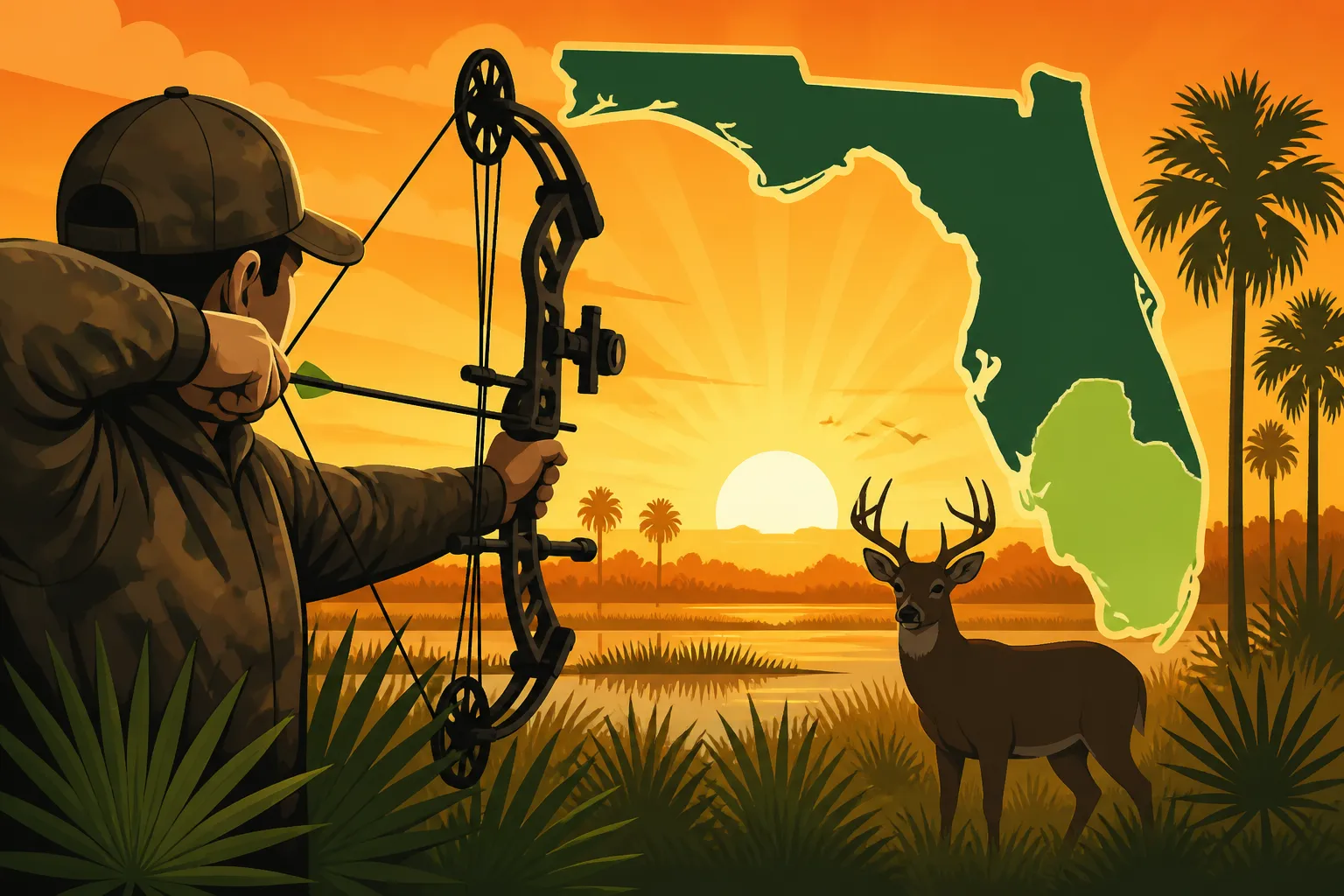
For bowhunters, there’s nothing quite like the crisp (or in Florida's case, often humid) air of opening morning, bow in hand, waiting for legal shooting light. Zone A offers some of the earliest opportunities to pursue whitetails in Florida, making it a highly anticipated time for many.
Key Dates and Calendar Planning
The archery season in Florida's Zone A typically kicks off in late July or early August. For example, in recent years, the opening day has fallen on the last Saturday in July or the first Saturday in August. This early start means hunters are often contending with the full force of Florida's summer heat and humidity, which presents unique challenges and requires specific strategies. It's essential to consult the FWC's official harvest regulations each year, as dates can shift slightly due to calendar alignment. You don't want to be caught off guard by a schedule change, so always mark your calendar based on the most current official FWC publications. Planning around these dates allows you to schedule scouting trips, gear checks, and perhaps even secure time off work, ensuring you're ready when the moment arrives.
Legal Equipment and Regulations
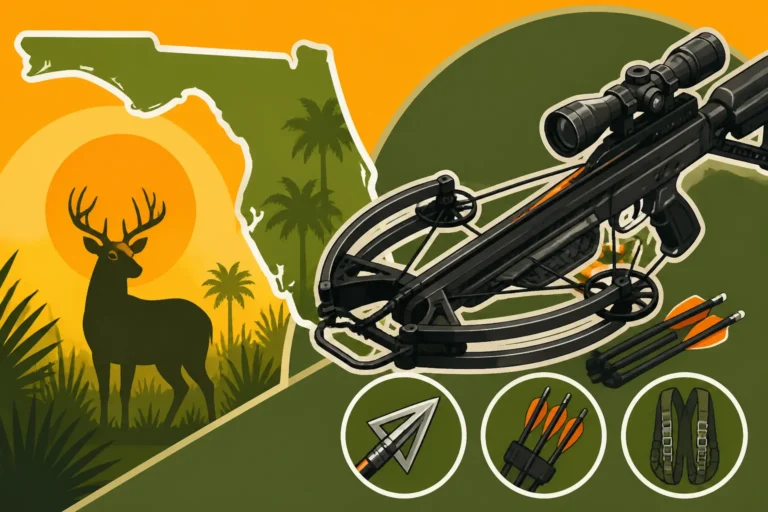
When you step into the woods for the Zone A archery opener, it's vital to know exactly what's permitted. During Florida's archery season, you can use a longbow, recurve bow, compound bow, or crossbow. There are no minimum draw weight requirements for bows, but broadheads must have at least two sharpened edges with a minimum cutting diameter of 7/8 inch. Mechanical broadheads are absolutely legal, provided they meet the minimum cutting diameter when expanded.
For those considering crossbows, Florida is pretty progressive. Crossbows are permitted during the entire archery season for all hunters, which isn't the case in every state. This offers a great option for hunters who may have physical limitations with a traditional bow or simply prefer the added stability and range of a crossbow. However, it's important to remember that general gun season rules regarding firearms do not apply during archery season. You cannot carry a firearm during archery season unless you possess a valid concealed weapon permit, and even then, it can only be for personal protection, not for taking game. Always review the detailed Legal Weapons During Florida Archery Season and Crossbow Hunting During Florida's Archery Season guidelines to ensure full compliance. Remember, a responsible hunter is a knowledgeable hunter, and that means understanding the letter of the law.
Strategies for a Successful Archery Opener
Hunting during Florida's early archery season in Zone A is a unique challenge. The heat, the mosquitoes, and the often-thick vegetation require a well-thought-out approach. It’s not your typical crisp fall deer hunt; it’s a true test of grit and preparation.
Early Season Scouting and Prep
Success on opening day isn't born on opening day itself; it's earned through diligent pre-season work. Florida's thick cover means deer can be elusive, making scouting even more critical. Start by identifying prime food sources. Early season deer are often focused on lush vegetation, acorns (if they've started dropping), and any planted food plots. Look for signs like tracks, droppings, and rubbed trees, paying close attention to travel corridors between bedding areas and food.
Trail cameras are your best friend here. Set them up on active trails, around suspected bedding cover edges, or overlooking any natural funnels. Checking these cameras regularly, especially in the weeks leading up to the opener, will give you invaluable insight into deer movement patterns, preferred feeding times, and the presence of any mature bucks. This information can help you decide on the best stand placement and times to hunt. Tools like GoHunt can be invaluable here, offering detailed aerial maps to identify potential bedding areas, water sources, and travel routes, helping you narrow down your scouting efforts significantly. Knowing your public land boundaries is also key; Scouting Florida Public Land Before Season can save you a lot of grief by ensuring you're on legal ground.
Weather Considerations and Hunting Tactics
The biggest hurdle for early season Zone A archery hunters is undoubtedly the weather. August in the Florida Panhandle means high temperatures, oppressive humidity, and sudden, torrential thunderstorms. This isn't just uncomfortable; it impacts deer behavior. Deer will often become more nocturnal to avoid the heat, and their movement patterns will revolve heavily around water sources and dense, shady cover.
Your hunting tactics need to adapt. Focus your efforts on the very first hours of daylight and the last hour before dark. These are the cooler periods when deer are most likely to move. Consider setting up near water sources or along shaded travel corridors that lead to evening feeding areas. Hydration is paramount for you, the hunter. Carry plenty of water and electrolytes. Mosquitoes are also a serious nuisance; reliable bug repellent or a Thermacell device is an absolute must to maintain focus and comfort in the stand. For stand selection, a well-placed ladder stand or a comfortable ground blind can make those long, hot sits more bearable. Check out our advice on Using a Ground Blind on Florida Public Land for tips on effective deployment. Adapting your approach to the heat is vital for both your comfort and your chances of success; more tips can be found in Hot-Weather Sitting Strategy in Florida.
Post-Harvest Requirements and Responsible Hunting
Taking an animal with a bow is a tremendous accomplishment, especially during Florida's challenging early season. But the work doesn't end when the arrow flies. Responsible hunting includes properly reporting your harvest and ensuring the meat is cared for to maintain its quality.
Deer Reporting in Florida
Florida has a mandatory deer harvest reporting system, and it's a critical part of the state's deer management efforts. After you've successfully harvested a deer, you are legally required to report it to the FWC. This can be done through the FWC's website, via a mobile app, or by calling a toll-free number. You'll need to provide information such as the date of harvest, the county and zone where it was taken, whether it was a buck or doe, and the antler points if it was a buck. This data helps biologists monitor deer populations, track harvest trends, and make informed decisions about future hunting regulations. The reporting deadline is usually within 24 hours of harvest, so don't delay. Familiarize yourself with the process outlined in Florida Deer Reporting Requirements before you head out, so you're not scrambling when you have a deer on the ground.
Meat Care in Warm Climates
This is arguably the most crucial post-harvest step, especially with Zone A's early season heat. Venison can spoil rapidly in warm temperatures. As soon as your deer is down, the priority is to get it field-dressed quickly to allow the carcass to cool. This involves removing the entrails to stop the internal organs from generating heat and accelerating bacterial growth.
Once field-dressed, get the deer out of the woods and to a cooler environment as fast as possible. If you're on an extended hunt, having large coolers filled with ice ready at camp is non-negotiable. Quarter the deer and get the meat on ice immediately, ensuring all surfaces are well-covered. Air circulation is your enemy here; avoid sealing warm meat in bags before it's thoroughly chilled. Consider using frozen water bottles or jugs instead of loose ice directly on the meat if you plan to transport it, as they can keep things cooler longer and prevent waterlogging. Professional processing is highly recommended, and finding a local processor who understands hot-weather venison care can make all the difference. For more detailed advice, refer to Field Dressing a Deer in Hot Weather to preserve your hard-earned venison.
Zone A Archery Season Overview
| Feature | Details |
|---|---|
| Location | Western Florida Panhandle (Escambia, Santa Rosa, Okaloosa, Walton, Holmes, Washington, Bay, Jackson, Calhoun, Gulf, Gadsden, parts of Liberty and Franklin west of Apalachicola River) |
| Opening Day | Typically late July or early August (verify FWC current regulations annually) |
| Legal Weapons | Longbow, recurve bow, compound bow, crossbow |
| Broadhead Specs | Minimum 2 sharpened edges, 7/8 inch cutting diameter (mechanicals allowed) |
| Firearms | Not permitted for hunting; concealed carry allowed with valid permit for personal protection only |
| Deer Reporting | Mandatory within 24 hours via FWC website, app, or phone |
| Key Challenges | High heat, humidity, mosquitoes, rapid meat spoilage |
| Tactics Focus | Early morning/late evening hunts, water sources, dense cover, diligent pre-season scouting |
Final Thoughts on Zone A Archery
The Florida Zone A archery opener is an exciting, albeit challenging, time to be in the woods. It demands diligence, patience, and a solid understanding of both deer behavior and FWC regulations. From knowing your zone to mastering hot-weather hunting tactics and responsibly managing your harvest, every detail contributes to a successful experience. Whether you're a seasoned Florida hunter or just getting started, remember to always prioritize safety, ethical hunting practices, and enjoying the unique wilderness that Florida offers. Make sure you've completed your Florida Hunter Education Requirements and have all your Florida Resident License Options in order before you step into the woods.
Disclaimer
The information provided in this guide is for general informational purposes only and is subject to change. Always consult the most current Florida Fish and Wildlife Conservation Commission (FWC) regulations and local ordinances before engaging in any hunting activities. Hunting regulations can vary by specific Wildlife Management Areas (WMAs), so always check area-specific rules, including any Florida WMA Management Area Permit requirements. The author and publisher are not responsible for any actions taken based on the information in this guide.