Florida Zone A Gun Season Split Dates
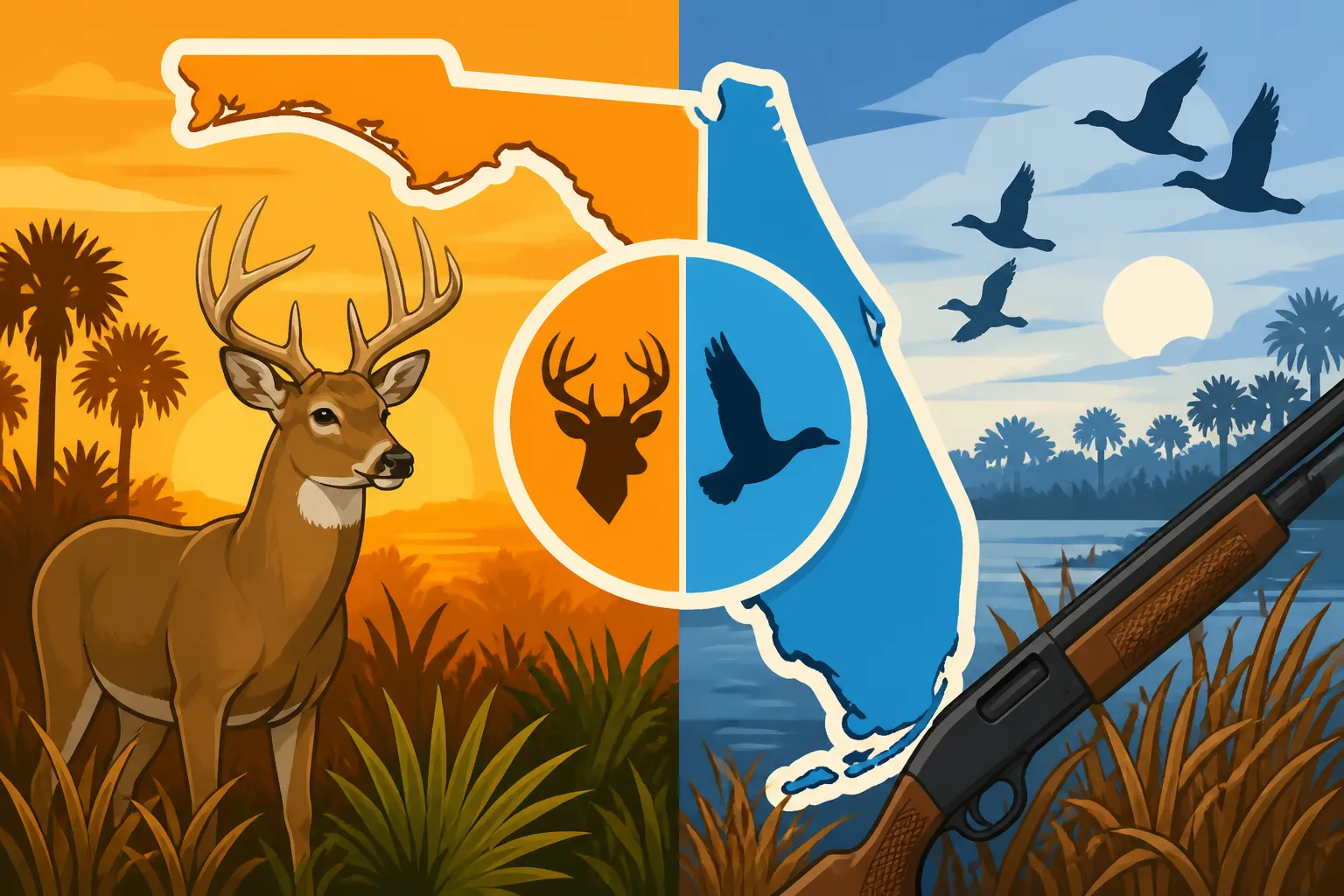
Navigating Florida’s deer hunting seasons can sometimes feel like trying to solve a puzzle with constantly shifting pieces, especially when you factor in the state’s distinct deer management zones. Many hunters, particularly those eyeing the Panhandle, get frustrated trying to pin down the exact dates for Zone A’s general gun season, which isn't just one continuous stretch. This guide is here to untangle that confusion, giving you a clear breakdown of Florida Zone A’s gun season split dates so you can plan your hunt confidently and make the most of your time in the woods.
Understanding Florida's Deer Zones and Zone A's Uniqueness
Florida isn't like many other states where one statewide deer season applies to everyone. Instead, our state is divided into four distinct deer management zones: A, B, C, and D. This system, established by the Florida Fish and Wildlife Conservation Commission (FWC), is a practical approach designed to align hunting seasons with the varied biological characteristics of the deer herd across our wonderfully diverse landscapes. You see, the rut — that critical breeding period for deer — can happen at vastly different times from the northern Panhandle all the way down to the Everglades. Trying to impose a single set of dates statewide would be counterproductive, either missing the peak rut in some areas or putting undue pressure on deer in others. For a deeper dive, you might find this explanation of Why Florida's Deer Seasons Vary So Much by Zone particularly illuminating.
Zone A itself is a unique slice of Florida, encompassing the westernmost reaches of the Panhandle, generally west of the Apalachicola River. This region includes counties like Escambia, Santa Rosa, Okaloosa, Walton, and parts of Washington and Bay. For many hunters, this area represents the "traditional" Florida hunting experience, often featuring pine flatwoods, hardwood hammocks, and creek bottoms that resemble landscapes found further north in Alabama or Georgia. If you're ever unsure which specific zone your hunting spot falls into, figuring out Which Zone Covers Your Florida County is always a good first step. The FWC has done a lot of work to manage these zones effectively, and understanding Zone A is key for anyone looking to hunt this productive part of the state.
Unlike Zones B, C, and D, which generally have more straightforward, albeit different, season structures, Zone A is notable for its split general gun season. This means the season isn't one long, uninterrupted stretch. Instead, it opens for a period, closes, and then reopens for another segment later in the year. This split isn't arbitrary; it's a management strategy designed to balance hunter opportunity with wildlife conservation, often influenced by factors like deer biology, hunting pressure, and the availability of other species' seasons. It means you can't just look at a calendar and assume open season from start to finish. You have to be meticulous with your planning, which is why getting these dates right is so important.
The Specifics of Zone A's Gun Season Split Dates
Alright, let's get down to brass tacks: the actual dates. Zone A's general gun season is definitely a "tale of two seasons," offering hunters distinct opportunities separated by a closed period. This structure demands careful attention to your calendar, as missing a date could mean missing out on prime hunting time or, worse, hunting illegally.
Historically, the first segment of the Zone A general gun season typically kicks off in late November, usually around Thanksgiving week. This early segment often coincides with the tail end of the rut in some parts of the Panhandle, or at least a period of increased deer activity as bucks are still recovering and does are being bred. Hunters during this first stretch might experience cooler temperatures, making for more comfortable hunts and better deer movement. It's a fantastic time to be in the woods, with the excitement of the opening weeks still fresh.
Following this initial burst of hunting, there's a mandated closure period. This "gap" can be frustrating for those who want continuous access, but it serves an important purpose. It allows deer to settle down after the initial hunting pressure, giving them a reprieve and allowing hunters to regroup and potentially scout new patterns. This is the period you really need to mark on your calendar, because failing to observe it can lead to serious legal trouble.
Then, after this short closure, the season reopens for its second, usually much longer, segment. This later stretch typically begins in mid-December and extends all the way through late February. This extended late-season opportunity allows hunters to pursue deer when other states' seasons have long since closed. While the primary rut might be winding down or over, the colder weather (for Florida, anyway!) can keep deer active, and late-season food sources become crucial. It's a different kind of hunt, requiring patience and often a focus on feeding areas.
Here's a general overview of the typical gun season split in Zone A, but always, always double-check the current FWC regulations for the exact dates as they can shift slightly year to year.
| Season Segment | Typical Start Date | Typical End Date | Notes |
|---|---|---|---|
| First Gun Segment | Late November | Early December | Often coincides with Thanksgiving week. Bucks can still be active. |
| Closed Period | Early December | Mid-December | No general gun hunting for deer permitted. |
| Second Gun Segment | Mid-December | Late February | Extended late-season opportunity. Focus shifts to food sources. |
During both segments of the general gun season, legal methods of take typically include centerfire rifles, shotguns, muzzleloaders, and bows. Be sure to check for any specific weapon restrictions on particular Wildlife Management Areas (WMAs) within Zone A, as their rules can sometimes differ. Also, keep an eye out for "antlerless days" or specific antler restrictions that might be in place, especially on public lands. This table provides a snapshot, but for precise, current-year dates, always consult the official FWC hunting regulations handbook or their website directly.
Planning Your Hunt Around Zone A's Split
Hunting a zone with a split season like Zone A requires a bit more strategic thinking than a continuous season. It’s not just about showing up when the season opens; it’s about understanding the nuances of deer behavior, land use, and weather patterns across these different segments.
Scouting and Timing Your Efforts
The split season dramatically impacts how you approach scouting. For that first gun segment in late November, your scouting efforts should focus on pre-rut and early-rut sign. Look for scrapes, rubs, and active travel corridors that bucks are using to find does. Areas with natural food sources like acorns, if they’re dropping, will be hotspots. It’s crucial to get in there before the season and identify these key areas.
However, once the first segment closes, deer behavior can shift. The pressure from the initial hunt might push deer into thicker cover, and their patterns around food sources could change. When the season reopens in mid-December, your scouting focus might need to pivot. Instead of solely looking for rut sign, you'll want to prioritize late-season food sources. This could be green fields planted by private landowners, overlooked oak hammocks that are still dropping acorns, or even agricultural fields like peanuts or soybeans that offer browse. Deer are often more focused on recovery and nutrition after the rut. Using mapping tools like GoHunt, you can really drill down into satellite imagery to identify potential food plots or thick cover that might become sanctuaries during hunting pressure. This kind of detailed planning is what separates successful hunters from those who are just hoping for luck.
Weapon Choices and Tactics for Each Segment
While legal weapons remain the same throughout the gun season, the split might influence your tactical approach. For that initial late November period, when deer activity can be high and bucks are still cruising, more aggressive tactics like rattling or grunting might be effective in drawing in a curious buck. You’re trying to capitalize on their breeding instincts. If you haven't filled your tag during the gun season, you might consider Muzzleloader Deer Hunting in Florida as an alternative weapon choice during earlier muzzleloader seasons.
As the season progresses into the second, longer segment (mid-December through February), you'll often find deer are more wary due to increased pressure. Tactics might need to become more passive. Still-hunting through prime bedding areas during midday or setting up over a reliable food source are often productive. The longer season also provides opportunities for those who enjoy the challenge of Hunting Florida's Zone A Split Gun Season Gap, although this is specifically about bow/muzzleloader during that break. Consider how deer might move between different types of cover as temperatures fluctuate. On colder days, deer might move more in the open; on warmer days, they might stick to shaded, dense areas.
If you’re hunting public land, expect competition, especially during the early part of the first segment. Being willing to walk further, use stealth, and adapt to deer movement can make all the difference. For private land hunters, the extended season is a boon, offering ample time to harvest deer and manage your local herd. Even when the season seems to stretch on into February, like Hunting Into a Zone B February Close, the late season presents unique opportunities for persistent hunters.
Important Regulations and What to Keep in Mind
Beyond just the dates, understanding the supporting regulations is crucial for a safe, legal, and enjoyable hunting experience in Florida Zone A. Florida's FWC works hard to ensure sustainable hunting, and that means rules around licensing, reporting, and safety.
License Requirements and Deer Reporting
Before you even step foot in the woods, make sure your paperwork is in order. You'll need a valid Florida hunting license, along with a deer permit. Florida offers various resident and nonresident options, and knowing Florida Hunting Licenses and What They Cost upfront will save you headaches. You can typically purchase these online through the FWC website, at tax collectors' offices, or through licensed vendors like Walmart or sporting goods stores. Always carry proof of your license while hunting, whether it's a physical copy or stored digitally on your phone via the Go Outdoors Florida app.
One of the most critical requirements for deer hunters in Florida is mandatory deer harvest reporting. Every deer you harvest in Florida, regardless of zone or type of land (public or private), must be reported to the FWC. This data is vital for wildlife management, helping biologists track harvest rates, population trends, and overall herd health. The good news is that reporting is simple and can be done quickly through the Go Outdoors Florida app or the FWC's website. You'll need to report within 24 hours of harvest. For a detailed rundown, check out the guidelines on Florida Deer Reporting Requirements. It's a small task that makes a huge difference for Florida's deer management program.
WMA Specifics and Safety Gear
While this guide focuses on Zone A's general gun season, it's paramount to remember that if you plan to hunt on public lands, specifically Wildlife Management Areas (WMAs), additional rules and permits often apply. Many WMAs have specific quota hunts, different season dates, or special regulations concerning legal weapons, bag limits, and even vehicle access. An FWC The Florida WMA Management Area Permit is generally required for hunting on WMAs, even if you have a statewide license. Always check the specific WMA brochure for the area you intend to hunt, as their rules supersede general zone regulations. You can find these brochures on the FWC website.
Safety is non-negotiable when hunting, and in Florida, wearing blaze orange (or blaze pink) is often a requirement during gun seasons, especially on public lands. This high-visibility clothing helps prevent accidents by making hunters more visible to each other. During general gun seasons, all hunters, including those accompanying hunters, are typically required to wear at least 500 square inches of solid blaze orange or blaze pink material, which must be visible above the waist. This is not just a suggestion; it's a legal requirement designed to keep everyone safe in the field. Make sure you understand How Much Blaze Orange Florida Requires before heading out. Always identify your target and what is beyond it, and treat every firearm as if it's loaded. Adhering to these simple safety rules ensures a successful day afield for everyone.
Disclaimer
Please remember that hunting regulations, including season dates and bag limits, are subject to change by the Florida Fish and Wildlife Conservation Commission (FWC). While this guide provides general information and typical season structures, it is your responsibility to consult the most current and official FWC regulations handbook or website before planning and engaging in any hunting activities. Always prioritize safety and legal compliance.