Florida Bear Hunting Hours
Figuring out the exact legal hunting hours for a specific game animal in Florida can feel like deciphering a secret code, especially when you're trying to plan a successful hunt. Nobody wants to risk a citation because they misread a regulation. This guide is here to untangle the complexities of Florida bear hunting hours, ensuring you're fully prepared for your time in the woods and understand exactly when you can hunt.
Decoding Florida's Bear Hunting Hours
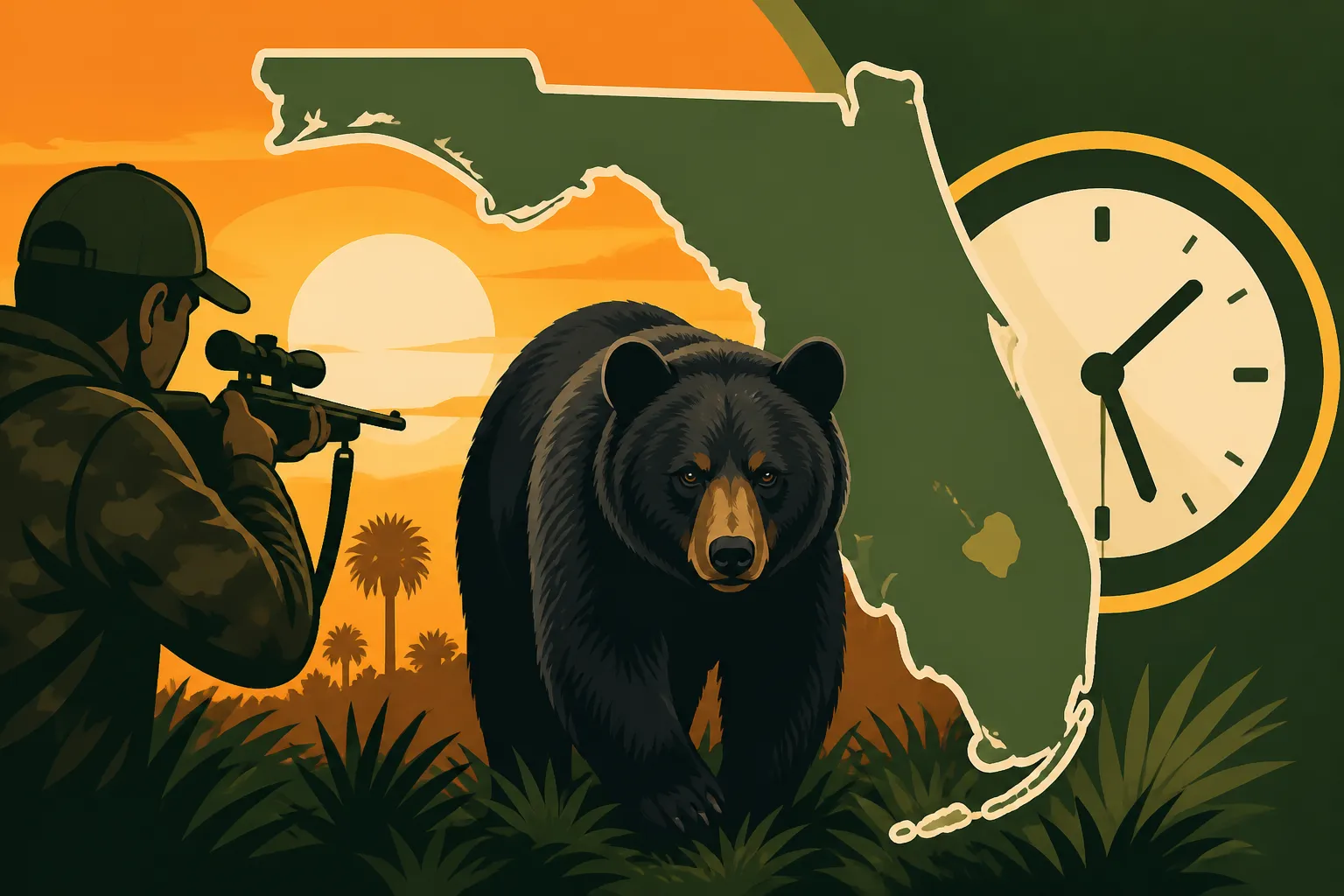
It’s easy to get lost in the sea of regulations, but when it comes to legal hunting hours for black bears in Florida, the rule is pretty straightforward, mirroring many other game species. You're typically allowed to hunt from 30 minutes before official sunrise until 30 minutes after official sunset. This window is consistent across the state for bear hunting when a season is open. However, understanding what "official" means and why these times are set is crucial for responsible and successful hunting.
The Standard Legal Window for Bear Hunting
The Florida Fish and Wildlife Conservation Commission (FWC) sets these precise timeframes to ensure fairness, promote ethical hunting practices, and, most importantly, provide a clear legal boundary. Unlike some states that might have variations for different species or even different zones, Florida's bear hunting hours have historically stuck to this well-established "half-hour before to half-hour after" rule. This means if the sun rises at 7:00 AM, you can begin hunting at 6:30 AM. If it sets at 6:00 PM, you can hunt until 6:30 PM. It sounds simple, but the devil is in the details of how you determine those official sunrise and sunset times, which aren't always what your phone's default weather app might show.
The intent behind this standard window is largely about visibility. Before sunrise and after sunset, light conditions can be tricky, making positive identification of your target more difficult. This rule helps to ensure that hunters have adequate natural light to clearly identify their target and the surroundings, reducing the risk of mistaken identity or unsafe shots. It's not just about the bears; it's about hunter safety and public perception too. You can learn more about specific regulations in our comprehensive guide on Florida's Reinstated Bear Hunting Season to get a full picture of the rules governing these hunts.
Understanding Sunrise and Sunset Calculations
So, how do you determine the "official" sunrise and sunset? It's not just a general estimate. The FWC typically refers to times published by the U.S. Naval Observatory (USNO) or similar reputable sources. These times can vary by a few minutes depending on your precise geographic location within Florida, especially from east to west. While your smartphone's weather app is a good starting point, many dedicated hunting apps, like those often recommended by GoHunt, offer hyper-local sunrise and sunset times based on your GPS coordinates, which is far more accurate and what you should rely on.
It's a common mistake to assume a blanket time for the entire state. For instance, sunrise in Pensacola in the Florida Panhandle might be different by several minutes compared to Miami in South Florida. Those few minutes can literally be the difference between a legal shot and a violation. Always verify the precise times for your specific hunting area on the day you are hunting. Checking these details diligently is just as important as knowing the Florida Bear Permit Application Process itself. This attention to detail reflects a responsible hunter.
Why These Specific Hours Are Enforced
The "30 minutes before sunrise to 30 minutes after sunset" rule isn't arbitrary. It's a carefully considered regulation rooted in safety, ethics, and biology. From a safety standpoint, adequate natural light is paramount. Hunting in low light increases the risk of misidentifying a target, shooting at unsafe backdrops, or failing to see other hunters or non-game animals. Bears, while large, can be hard to spot in dense Florida cover during twilight hours.
Ethically, this window ensures that animals are pursued and harvested under conditions where hunters have the best chance to make a clean, humane shot. It reduces the likelihood of wounded animals that are difficult to track in the dark. Biologically, black bears are often most active during dawn and dusk. This regulation allows hunters to be in the woods during prime bear movement periods, increasing opportunity while still maintaining a controlled and safe hunting environment. The FWC has to balance opportunity with conservation, and these hours play a part in managing the Florida Bear Population Estimate effectively.
The Critical Role of Timing in Bear Hunting Strategy
Understanding the legal hunting hours is only the first step; integrating them into your actual hunting strategy is where the real work begins. Florida's black bears have distinct activity patterns that often align perfectly with these legal windows, making thoughtful planning even more important.
Prime Activity Times for Florida Black Bears
Just like many other wildlife species, Florida black bears are often most active during the twilight hours of dawn and dusk. They're moving between bedding areas and food sources, whether that's acorns, palmetto berries, or other forage. In the cooler temperatures of the early morning before the sun gets high, or as the heat of the day starts to break in the late afternoon, bears are more likely to be up and about, foraging, traveling, and interacting. This natural behavior aligns conveniently with the legal hunting window.
However, bears are also opportunistic. They might move throughout the day, especially in more remote areas with less human pressure or if a prime food source becomes available. Still, for a strategic hunter, focusing efforts during those first and last hours of legal light dramatically increases the odds of an encounter. Knowing the Average Weight of a Florida Black Bear means you know you're dealing with a large animal, and you want to be able to identify it clearly and make a good shot. Being aware of their typical behavior patterns can help you anticipate their movements during these critical times.
Adapting Your Approach to the Legal Hunting Window
To maximize your chances, you need to be in your stand or blind well before the legal shooting light begins in the morning and remain there until the last legal minute in the evening. This often means navigating to your spot in the dark and exiting in the dark.
Planning your entry and exit routes to be as quiet and scent-free as possible is paramount. For morning hunts, this could mean setting up your blind the day before or scouting your path thoroughly using a reliable mapping application. GoHunt offers excellent mapping tools that allow you to mark entry and exit routes, potential bedding areas, and food sources, helping you to move efficiently and silently in low light. For evening hunts, this means being prepared for a potentially difficult pack-out in the dark if you are successful, especially when considering the large size of a Florida black bear. Always have a good headlamp and backup light source.
| Time of Day | Bear Activity Level (General) | Hunter Strategy | Legal Considerations |
|---|---|---|---|
| Pre-Dawn | Increasing movement, heading to feeding areas | Be in stand/blind early, silent entry, prepare for first light. | Must be 30 minutes before official sunrise to begin shooting. |
| Morning | Moderate to high, feeding then bedding down | Focus on food sources, trails to bedding, patience. | Hunt within legal hours, pay attention to exact sunrise. |
| Mid-day | Lower activity, resting in thick cover | Ideal for scouting, strategic re-positioning, or tracking. | Illegal to hunt during mid-day if beyond 30 min after sunrise/before sunset. |
| Afternoon | Increasing movement, heading to feeding areas | Get to stand/blind early, quiet entry, focus on evening activity. | Must be 30 minutes before official sunset to continue shooting. |
| Dusk | High activity, active feeding | Remain vigilant until legal closing time, prepare for low light. | Hunt until 30 minutes after official sunset, then unload weapons. |
| Night | Primary feeding/traveling in secure areas | Strictly illegal to hunt. | Hunting bears at night is prohibited. |
Safety Considerations and Visibility
Hunting in low light, even within the legal 30-minute windows, demands heightened awareness. Always use binoculars or a spotting scope to positively identify your target before raising your weapon. In Florida's diverse habitats, from palmetto scrub to cypress swamps, bears can sometimes blend surprisingly well with their surroundings. The use of optics can help you determine if it's indeed a bear, if it's a sow with cubs (illegal to harvest), and if you have a clear, ethical shot.
Furthermore, communicating your location to other hunters, especially on public lands, becomes even more important. While Florida requires Florida Blaze Orange Requirements for deer hunting on public lands, it's always wise to err on the side of caution and wear sufficient visible clothing, even during bear season, to make yourself visible to others during these low-light conditions. Your personal safety and the safety of those around you should always be your top priority.
Beyond the Clock: Key Bear Season Regulations
While understanding bear hunting hours is fundamental, it’s just one piece of the regulatory puzzle. Florida's bear season has several other critical rules that every hunter must know to participate legally and ethically. Ignoring these can lead to severe penalties, regardless of how well you adhere to the time restrictions.
Important Permit and Zone Specifics
First and foremost, you cannot just wake up and decide to go bear hunting. Participation in Florida's bear hunt requires a specific permit obtained through a lottery system, and these permits are typically quota-based. This means there's a limited number of tags issued for specific bear management units or zones. You need to apply during the designated Florida Bear Permit Application Window and hope to draw a tag. Without a valid bear permit, you cannot hunt a bear, even if you have other hunting licenses.
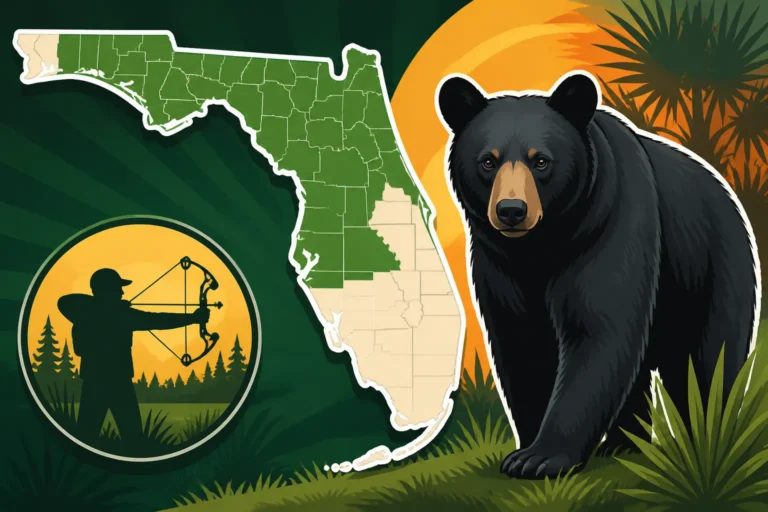
Furthermore, Florida's bear hunting is zoned, often aligning with the FWC's bear management units. These units are distinct and don't necessarily correspond to the state's deer management zones. For example, some years, only specific regions or Florida's Thirty-One Bear Hunting Counties might be open for hunting, or certain zones might close earlier if their quota is met. Always check the current year's regulations to ensure the zone you plan to hunt is open and has not met its quota. The season itself is typically very short, often lasting only a few days or until the Florida's One-Hundred-Eighty-Seven Bear Quota is filled, whichever comes first. This fast-paced nature means you need to be ready to hunt as soon as the season opens.
Weaponry and Methods of Take During Bear Season
Just like other regulated hunts, there are specific legal weapons and methods of take for Florida black bears. Historically, these have included bows, crossbows, muzzleloaders, and certain firearms. However, specific calibers, minimum poundage for bows, and magazine capacities can apply. It's crucial to consult the current FWC hunting regulations handbook for the precise details regarding legal weaponry for the bear season. You cannot use bait to attract bears, nor can you use dogs to pursue them during the hunt. This contrasts sharply with hog hunting, where Dog Hunting Hogs in Florida is a popular method.
Using dogs for bear hunting is a contentious topic and has been restricted in Florida. Understanding these limitations is important for responsible participation. Similarly, spotlighting or using artificial lights to locate or take bears is strictly prohibited. The "30 minutes before sunrise to 30 minutes after sunset" rule applies to the actual taking of the animal, meaning lights are generally for navigation, not for hunting. Ignorance of these rules is not an excuse, so read the FWC's official guide cover-to-cover.
Staying Informed with Current FWC Guidelines
The FWC is the authoritative source for all Florida hunting regulations. While resources like this guide can help clarify common questions, the official FWC website and their annual hunting regulations handbook are your ultimate references. Regulations can change from year to year, especially for a managed species like the black bear where seasons might be reinstated or altered based on population data and public input.
It's a good practice to download the FWC's hunting app or frequently visit their website to stay updated. They often publish news releases or emergency orders that might affect season dates, quotas, or even specific area closures. Don't rely on word-of-mouth or outdated information. Being a responsible hunter means proactively seeking out and understanding the most current rules. If you're planning a trip, be sure to check the specific guidelines for Hunting the December Bear Season or any other short season window to ensure you have the latest information.
Planning Your Bear Hunt: Resources and Preparation
A successful bear hunt isn't just about showing up with a weapon; it's about meticulous planning, preparation, and knowing how to utilize the resources available to you. Given the brief and often quota-limited nature of Florida's bear season, every detail counts.
Utilizing Digital Tools for Regulation and Timing
In today's age, digital tools are indispensable for hunters. As mentioned, specialized hunting apps like those found on GoHunt are incredibly useful. These applications often integrate detailed mapping layers, including public and private land boundaries, topography, and even property owner information. Crucially, many provide precise, GPS-based sunrise and sunset times, eliminating guesswork about legal hunting hours in your exact location.
Beyond timing, these apps can help you scout remotely, mark potential bear sign, identify travel corridors, and plan your approach and exit routes to minimize disturbance. You can also often access FWC regulations directly through some of these platforms, ensuring you have the most current information at your fingertips, even when you're deep in the woods without cell service (if you've downloaded maps offline). Utilizing such technology isn't just a convenience; it's a strategic advantage for hunters looking to make the most of their limited time. Combining this with understanding Florida Hunter Education Requirements can really set you up for success.
Scouting and Setup within Legal Parameters
Effective scouting is paramount for bear hunting. While bear hunting season is very short, you can scout year-round. Look for sign like scat, tracks, rub trees, and overturned logs where bears have foraged. Identify consistent food sources in your chosen bear management unit. Areas rich in acorns or palmetto berries in the fall are often prime locations. However, remember that any activity you engage in, including scouting, must respect land access rules. On public lands, be aware of Scouting Florida Public Land Before Season dates and rules.
Once you’ve identified a promising area, your stand or blind setup needs to be mindful of both bear behavior and legal hunting hours. Bears have an incredible sense of smell and can be extremely wary. Positioning your setup for prevailing winds is critical. Furthermore, ensure your chosen spot offers clear shooting lanes for ethical shots within the legal light windows. You might need to trim some limbs or clear brush, but always check land-specific rules before altering any vegetation, especially on public lands. Remember, bears are large, powerful animals, and a well-placed shot is essential.
What to Do After a Successful Harvest
Harvesting a Florida black bear is a significant accomplishment, but the work doesn't stop when the animal is down. There are immediate and critical steps you must take, again, within legal frameworks. First, you must immediately validate your bear tag. The tag often needs to be physically attached to the bear. Then, you generally have a specific timeframe—often within 12 or 24 hours—to report your harvest to the FWC. This reporting can usually be done online or through a phone call. This is different from the reporting for deer, where Florida Deer Reporting Requirements have a different process.
The FWC will often require you to bring the bear to a designated check station or FWC office for biological sampling. This is vital for their ongoing research into Florida Bear Population by Subpopulation Zone and helps ensure the season is managed sustainably. Be prepared for the physical labor of field dressing and extracting a large animal like a bear, especially if you're alone or deep in the woods. Have a plan for meat processing and hide care, especially in Florida's often warm weather. Knowing What an Outfitted Bear Package Includes might be helpful if you opt for a guided hunt, as they often handle many of these post-harvest logistics. Always remember to retrieve all parts of the harvested animal and leave no trace behind.
Disclaimer
The information provided in this guide is for general informational purposes only and does not constitute legal advice. Hunting regulations in Florida are set by the Florida Fish and Wildlife Conservation Commission (FWC) and can change. Hunters are solely responsible for knowing and abiding by all current FWC regulations, statutes, and local ordinances before participating in any hunting activity. Always consult the official FWC website and current hunting handbooks for the most accurate and up-to-date information.