Florida Deer Population Estimate
It’s no secret that trying to pin down exactly how many white-tailed deer roam the vast, diverse landscapes of Florida can feel like chasing a ghost through a palmetto thicket. Hunters across the state often wonder about the health and size of the herd they pursue, especially with the ever-changing habitat and increasing development pressures. This comprehensive guide will peel back the layers on Florida's deer population, helping you understand the numbers, the challenges in estimating them, and what these figures mean for your time in the woods.
Understanding the Challenges of Estimating Florida's Deer Population
Let's be honest, counting deer isn't like counting oranges in a crate. Florida's environment presents some truly unique hurdles when wildlife agencies try to get a solid handle on population numbers. It's a complex dance between dense cover, diverse ecosystems, and the very nature of these elusive animals.
The Elusive Nature of Florida Whitetails
Unlike some of their northern cousins who might frequent wide-open crop fields, Florida's white-tailed deer are often masters of stealth, particularly in our thick, subtropical habitats. They spend their lives hunkered down in dense palmetto, cypress swamps, and pine flatwoods, making aerial surveys or roadside counts incredibly difficult and often inaccurate. You could walk through a stretch of woods and never know how many deer you just walked past. Their natural wariness, combined with a landscape that offers endless hiding spots, means that any direct counting method is immediately at a disadvantage. It’s not just about seeing them; it’s about reliably not seeing them and still knowing they’re there. This inherent elusiveness means that wildlife managers have to rely on a mosaic of data points rather than a single, definitive headcount, which is a major source of frustration for hunters looking for a straightforward answer.
Unique Habitat Complexity
Florida isn't just one type of landscape; it's a patchwork quilt of incredibly diverse habitats, each presenting its own challenges for deer population estimation. From the vast, open expanses of the Everglades to the rolling pine hills of the Panhandle, and the dense oak hammocks of Central Florida, deer distribution is rarely uniform. A method that might work in a more open agricultural area up north simply won't cut it in our cypress bottoms or thick palmetto scrub. For example, a thermal drone survey might be somewhat effective in a recently burned pine flatwood, but it would be utterly useless in a dense, multi-canopy swamp. This ecological complexity means that FWC biologists can't just apply a single "deer per square mile" formula across the entire state. Each unique habitat type requires a tailored approach, or at least careful consideration of its influence on the data collected, adding layers of difficulty to the overall estimation process.
Data Collection Limitations
The sheer scale of Florida's hunting grounds, both public and private, also creates significant data collection limitations. While Florida Fish and Wildlife Conservation Commission (FWC) personnel do an incredible job gathering information, they can't be everywhere at once. Gathering robust, consistent data across millions of acres, much of which is difficult to access, requires a combination of methods, each with its own inherent biases and limitations. Think about trying to track movements and populations in areas like the vast Apalachicola National Forest Hunting or the expansive Everglades Wildlife Management Area Access – it's a monumental task. Limited funding, personnel, and the sheer time required to survey such diverse and extensive areas mean that the "true" number is always an estimate based on the best available science, rather than a precise census. This reliance on statistical modeling and extrapolated data is necessary, but it means there's always a margin of error that needs to be understood.
Current FWC Deer Population Estimates and Methodology
Despite the challenges, the FWC works diligently to provide hunters and conservationists with the most accurate deer population estimates possible. They employ a variety of scientifically sound methods to piece together the puzzle of Florida's deer numbers, giving us a clearer picture than if we just relied on anecdotal evidence from the hunting camp.
How FWC Arrives at Its Numbers
The FWC doesn't just guess; they use a multi-pronged approach to estimate the Florida Deer Herd Size. This typically involves a combination of harvest data analysis, spotlight surveys, trail camera studies, and habitat assessments. When you report your deer harvest, whether it’s through the FWC app or their online portal, that information feeds directly into these population models. This data provides crucial insights into deer age structures, antler development, and overall herd health. Additionally, specialized surveys are conducted in various regions. For instance, in some areas, controlled spotlight surveys might be used to count deer along specific transects, especially during certain times of the year when deer are more visible. These counts are then extrapolated based on habitat type and deer behavior patterns. It’s a painstaking process, but it’s how the FWC attempts to quantify what feels unquantifiable. You can even learn more about How FWC Counts the Florida Deer Herd in detail to appreciate the effort involved.
Interpreting Statewide and Zonal Estimates
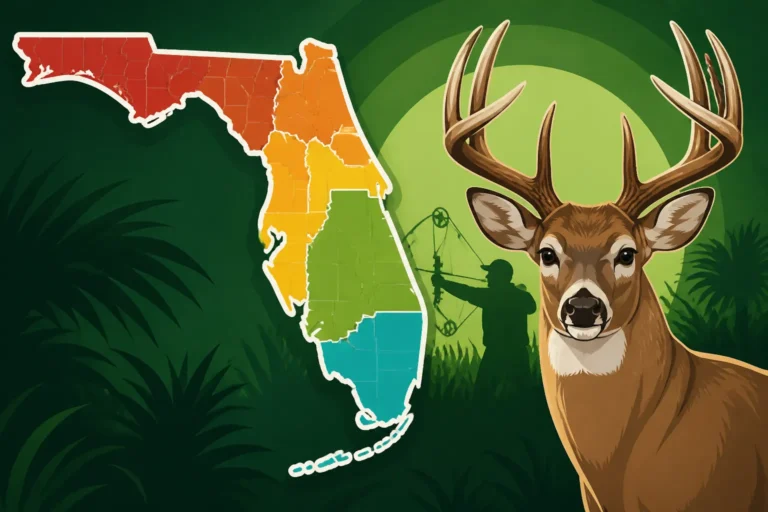
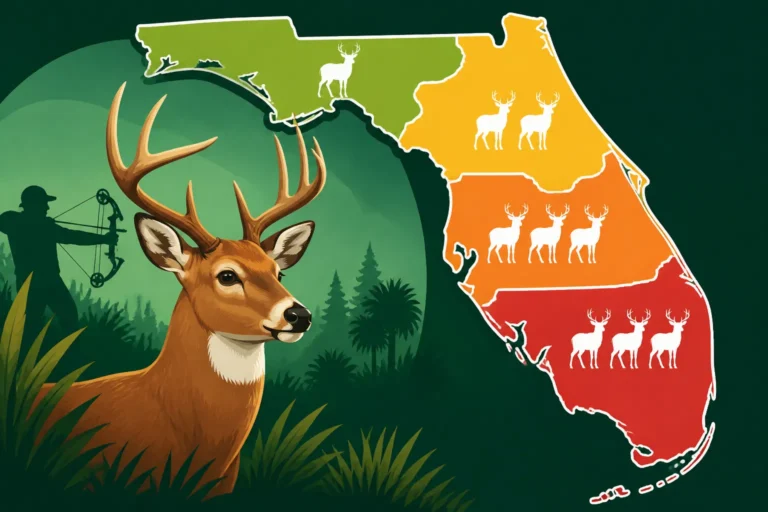
While a single, precise statewide number is elusive, the FWC does provide estimates and trends that are incredibly valuable. Instead of a hard number like "X million deer," they often focus on density estimates – how many deer per square mile – and population trends (increasing, decreasing, or stable). These are usually broken down by Florida's four deer management zones: Zone A, Zone B, Zone C, and Zone D. Understanding these zones is critical because deer populations and their dynamics vary significantly from the Panhandle to South Florida. For example, the Panhandle counties, part of Zone D, often exhibit higher deer densities and larger body sizes compared to the smaller-bodied deer found in the extensive, nutrient-poor landscapes of South Florida's Zone A. When FWC talks about "healthy and stable populations," they're often referring to these zonal breakdowns, providing more localized and actionable information for hunters. You can dive deeper into Deer Density by Florida Zone to see how these numbers shake out where you hunt.
The Role of Harvest Data
Harvest data collected from hunters is arguably one of the most critical components of Florida's deer population estimation. Every time a hunter successfully harvests a deer and reports it, they contribute to a massive dataset that helps the FWC understand herd health, recruitment rates, and population trends. This isn't just about counting how many deer are killed; it's about the sex, age, and location of those animals. For instance, a high percentage of young bucks or a skewed buck-to-doe ratio in harvest data can indicate specific population dynamics that require management adjustments. This information helps FWC biologists identify areas where populations might be thriving, or conversely, areas where conservation efforts or different hunting regulations might be needed. The FWC encourages all hunters to faithfully report their harvests, understanding that this participation is vital to effective wildlife management. Tools like GoHunt can help you stay on top of regulations and reporting requirements, ensuring your harvest contributes to accurate data. This crucial data feeds into documents like the Florida Deer Harvest Records, offering a historical perspective on the health of the herd.
Factors Influencing Florida's Deer Population Dynamics
Florida's deer population is a constantly shifting entity, influenced by a myriad of environmental and ecological factors. Understanding these dynamics is key to appreciating why deer numbers fluctuate and why management strategies are so important. It's not just about how many deer are born, but how many survive and thrive in their environment.
Habitat Quality and Availability
Just like us, deer need good places to live and eat. The quality and availability of suitable habitat are paramount to the health and size of Florida's deer population. A healthy habitat provides ample food sources (like acorns, browse, and forage), adequate cover for bedding and fawning, and reliable water. Unfortunately, Florida's rapid development often leads to habitat fragmentation and loss, shrinking the available space for deer. Conversely, responsible land management practices, such as prescribed burning in pine forests, can rejuvenate food sources and improve habitat, leading to healthier and more abundant deer. Areas with strong mast crops from oaks in the fall, like those found in parts of the Panhandle, often support higher deer densities. Without sufficient, high-quality habitat, deer populations will struggle, regardless of other factors. Knowing how to read aerial maps and identify key habitat features using mapping apps like GoHunt can significantly improve a hunter's understanding of deer distribution in specific areas.
Predation Pressure and Its Effects
While habitat provides the foundation, predation plays a significant role in regulating deer populations, particularly fawn survival. Florida is home to several natural predators that regularly prey on deer, with coyotes being a primary concern for fawns, and black bears occasionally taking fawns or even adult deer. Alligators can also be a threat in wetland areas. While predators are a natural part of the ecosystem, an imbalance can lead to increased fawn mortality and impact overall deer recruitment. The FWC monitors predator populations and their impact, especially in areas where deer populations are struggling. It's a delicate balance; predators help keep the herd healthy by removing weaker animals, but too much pressure, especially on fawns, can hinder population growth. Hunters often express concerns about predator numbers, and the FWC takes this into account when assessing deer population trends, understanding that Florida Predator Impact on Fawn Recruitment is a real factor.
Disease and Environmental Impacts
Deer populations are also susceptible to various diseases and environmental stressors. Chronic Wasting Disease (CWD) is a persistent concern, even though Florida has only had Florida's Single Confirmed CWD Case in Holmes County. Other diseases, while not as widely publicized as CWD, can also impact localized populations. Environmental factors like severe droughts, prolonged floods, or exceptionally cold winters (though rare in most of Florida) can also stress deer, making them more vulnerable to disease or reducing forage availability. These natural events can lead to temporary dips in population numbers. The FWC monitors disease prevalence and environmental conditions closely to understand their potential impact on deer health and population dynamics, adapting management strategies as needed to ensure the long-term health of the herd.
Regional Differences in Florida Deer Density
Florida's vast geographical span and diverse ecosystems mean that deer populations aren't evenly distributed. What you find in the Big Bend region might be vastly different from what you encounter in the Everglades. These regional variations are crucial for hunters to understand when planning their hunts and setting expectations.
The Panhandle's Denser Deer Concentrations
If you're looking for areas with typically higher deer densities and often larger-bodied deer, many hunters will point you towards the Florida Panhandle. This region, encompassing areas like the Apalachicola National Forest Hunting and other northern counties, often boasts richer soils, more diverse timber operations, and a longer history of traditional deer management. The habitat here frequently includes extensive pine forests, hardwood hammocks, and agricultural fields that provide excellent food sources. The Panhandle generally experiences a more pronounced seasonal change, which can also influence deer behavior and nutritional intake, leading to larger animals. Deer in this region tend to have a more predictable rut, often peaking in October or November, similar to states further north. This combination of factors generally results in more robust deer populations per square mile compared to the southern parts of the state, making it a popular destination for deer hunters.
Central and South Florida's Unique Challenges
Moving south, particularly into Central and South Florida, deer populations face a different set of challenges, often resulting in lower overall densities and smaller-bodied deer. The habitats here can be incredibly thick, like the sprawling palmetto flats and cypress swamps of areas such as the Green Swamp Wilderness Preserve Hunting or the J.W. Corbett Wildlife Management Area. While these areas offer tremendous cover, the nutrient-poor soils and sparse forage in many regions mean deer don't grow as large. The rut in these southern zones can also be highly variable, stretching from July through January, which can make predicting deer movement more complex. Furthermore, extensive wetland systems in these regions can present access challenges for hunters and make population surveys more difficult. The unique conditions mean that hunting in these areas requires different tactics and a solid understanding of local deer behavior, which is often tied to very specific habitat features.
Hot Spots and Low-Density Areas
Even within broad regions, deer density can vary dramatically, creating "hot spots" where deer are abundant and "cold spots" where they are scarce. These localized variations are often due to micro-habitats, land management practices, and hunting pressure. For instance, a private tract with managed food plots, regular prescribed burns, and limited hunting pressure might hold a significantly higher density of deer than an adjacent public land parcel that sees heavy pressure and has less diverse forage. Conversely, urban encroachment can sometimes create pockets of higher deer density in unexpected places, as deer adapt to suburban environments where natural predators are scarce and food sources (like landscaping) are abundant. Understanding these localized variations is critical for hunters. Resources like GoHunt can help identify potential hot spots by showing habitat types, property lines, and sometimes even recent harvest data if available, allowing hunters to target areas with greater potential. When considering where to hunt, remember that Best Florida Counties for Big Bucks might not always align with the highest deer density, but rather specific habitat quality and age structure.
The Hunter's Role in Deer Management and Data Collection
Hunters are not just participants in Florida's deer season; they are integral partners in the state's wildlife management efforts. Their activities and contributions provide critical data and financial support that directly influence how deer populations are understood and managed.
Hunter Harvest Reporting and Its Importance
The act of reporting your deer harvest, whether it's a buck or a doe, is far more than just a bureaucratic requirement – it's a vital contribution to Florida's deer management program. Each reported harvest provides the FWC with crucial data points: the date, location (by county or WMA), sex, and sometimes even the age class of the harvested deer. This information helps biologists track trends in the overall Florida Annual Deer Harvest, assess herd health, monitor the effectiveness of season structures, and understand the impacts of various regulations. Without this data, the FWC would be largely blind to real-time changes in deer populations, making informed management decisions significantly harder. It's a simple act that has a profound impact on the future of deer hunting in Florida. Make sure you understand Florida Deer Reporting Requirements to ensure your hunt contributes to this valuable dataset.
Ethical Hunting as a Management Tool
Beyond data collection, ethical hunting itself serves as a crucial management tool for maintaining healthy deer populations. In Florida, where deer don't face the harsh winters that naturally cull northern herds, regulated hunting helps prevent overpopulation, which can lead to habitat degradation, increased disease transmission, and deer-vehicle collisions. By removing a controlled number of animals, hunters help keep populations in balance with the carrying capacity of the land. This ensures that the remaining deer have adequate food and resources, leading to healthier animals with better antler growth potential. Furthermore, selective harvest strategies, often guided by FWC recommendations, can help achieve specific management goals, such as balancing buck-to-doe ratios or targeting specific age classes of deer. This responsible stewardship by hunters is a cornerstone of conservation in Florida.
Supporting Conservation Through License Purchases
Every hunting license, permit, and tag purchased in Florida contributes directly to wildlife conservation efforts, including those focused on deer. The funds generated from these sales are channeled into the FWC to support habitat restoration, law enforcement, research, and population monitoring programs. This "user-pays, user-benefits" model is the backbone of wildlife management across the United States. When you buy your Florida Resident Base License Cost or a special permit, you're not just buying access to hunt; you're investing in the future of Florida's wildlife. This financial contribution ensures that the FWC has the resources to conduct the necessary science, enforce regulations, and manage public lands, all of which directly benefit deer and other game species. It's a powerful reminder that hunters are truly among the most dedicated conservationists.
The Ongoing Impact of Chronic Wasting Disease CWD Monitoring
The discovery of Chronic Wasting Disease (CWD) in Florida has cast a shadow over deer management, adding a new layer of complexity to population estimates and conservation efforts. While currently an isolated incident, the FWC is taking proactive steps to monitor and prevent its spread, which could significantly alter future deer populations if not contained.
Florida's Proactive CWD Surveillance
Florida's wildlife agencies are on high alert regarding CWD, a fatal neurological disease affecting deer, elk, and moose. Following the single confirmed case in Holmes County, the FWC immediately implemented extensive surveillance measures. This involves increased CWD testing for harvested deer, especially within designated CWD Management Zones, and actively encouraging hunters to submit their deer for testing. The goal is to detect any further spread early, which is absolutely critical for containment. This proactive approach aims to safeguard Florida's CWD-Monitored Deer Herd and ensure the long-term health of our state's deer. Hunters play a vital role in this by cooperating with sampling efforts at check stations and following carcass movement restrictions. Without diligent testing, the true prevalence and impact of CWD on population estimates would remain unknown, making effective management impossible.
Understanding the CWD Management Zone Boundaries
To contain the spread of CWD, the FWC established specific CWD Management Zone Boundaries around the detected case in Holmes County. These zones are not arbitrary lines on a map; they are carefully determined areas where special regulations apply to deer and other cervids. Within these zones, there are often restrictions on the movement of deer carcasses, certain parts of harvested deer, and even specific feeding or baiting rules. These measures are designed to minimize the risk of the disease spreading to new areas. Hunters operating within or near these zones need to be acutely aware of and adhere to these regulations, as they are crucial for preventing further transmission. The FWC regularly updates information about these zones, and it's imperative for hunters to check the latest guidelines before heading afield. You can find detailed information on Florida's CWD Management Zone Boundaries on the FWC website.
How CWD Could Affect Future Estimates
The potential long-term effects of CWD on Florida's deer population estimates are significant. If CWD were to become widespread, it could lead to substantial declines in local deer populations, as the disease is invariably fatal. This would necessitate major shifts in management strategies, including potentially more aggressive culling in infected areas to reduce transmission rates. Such measures would, by their nature, directly impact population numbers and hunting opportunities. For now, with Florida's robust surveillance and immediate response to the single case, the hope is to keep CWD from becoming a major factor in statewide population declines. However, the threat remains, and the FWC's ongoing monitoring is a critical component of ensuring the sustained health and viability of Florida's white-tailed deer for generations to come.
Here's a look at the estimated deer density by Florida's four deer management zones, reflecting the varying habitat and population characteristics:
| Deer Management Zone | General Location | Estimated Deer Density (Deer per sq. mile) | Typical Deer Size | Key Influencing Factors |
|---|---|---|---|---|
| Zone A | South Florida, Everglades | 10-15 deer/sq. mile | Small to Medium | Extensive wetlands, nutrient-poor soils, dense cover, unique rut timing (late summer/early fall in some areas, potentially prolonged). |
| Zone B | Southwest Florida, Central West | 15-20 deer/sq. mile | Medium | Mix of agriculture, pine flatwoods, and urban edges; variable habitat quality; more traditional fall rut. |
| Zone C | Northeast Florida, Central East | 20-25 deer/sq. mile | Medium to Large | Mix of pine forests, agricultural lands (e.g., Hunting a Standing Peanut Field), and oak hammocks; good food sources; distinct fall rut. |
| Zone D | Florida Panhandle | 25-35+ deer/sq. mile | Large | Richer soils, extensive timberlands, hardwood bottoms, agriculture; abundant food and cover; traditional fall rut (often peaking in November). |
Note: These are generalized estimates and actual densities can vary significantly within zones based on specific habitat, land management, and local conditions.
Disclaimer
The information provided in this article is for general informational and educational purposes only and is not intended as professional advice. Hunting regulations, seasons, and population estimates are subject to change. Always consult the latest Florida Fish and Wildlife Conservation Commission (FWC) regulations and guidelines before planning any hunting activity.