Which Counties Hold True Osceola Genetics
One of the most talked-about topics among turkey hunters, especially those chasing their Grand Slam, is the quest for a "pure" Osceola gobbler in Florida. It's a genuine frustration, isn't it? You spend countless hours scouting, preparing, and dreaming of that distinct Florida bird, only to wonder if the turkey you're after truly represents the unique genetics of the Osceola subspecies. This guide aims to demystify the conversation around Osceola genetics, identifying the counties where you have the highest probability of encountering these prized birds and offering insights into what makes them so special.
Understanding Osceola Genetics in Florida
The Osceola turkey, Meleagris gallopavo osceola, is a unique subspecies found exclusively within the Florida peninsula. Its isolation from other turkey subspecies, primarily the Eastern wild turkey (Meleagris gallopavo silvestris), allowed it to evolve distinct characteristics over centuries. However, the concept of "pure" genetics can be a bit more nuanced than many hunters realize, and it’s a question that often sparks lively debate around campfires.
The Elusive Nature of "Pure" Osceolas
For many hunters, the pursuit of an Osceola is about more than just bagging a bird; it’s about ticking a box on the Grand Slam, and that means finding a bird that truly embodies the distinct traits of the subspecies. The frustration comes from the gray areas. What exactly constitutes "pure" when a subspecies has been managed and even moved around over decades? Historically, Florida's vast, wild landscapes, particularly the southern and central peninsular regions, naturally kept the Osceola isolated. This geographical separation was the key to their unique genetic makeup.
However, like many wildlife populations, Florida's turkeys have seen their share of human intervention, including stocking efforts in the past to bolster dwindling numbers. While these efforts were crucial for conservation, they sometimes involved turkeys from different regions, potentially leading to some genetic blending in transition zones. This leaves many hunters feeling a bit uncertain, wondering if the bird they're calling in truly represents the pure lineage they're striving for. Understanding these historical nuances helps manage expectations and focus efforts on areas with the highest probability.
Geographical Isolation and Subspecies Development
The very shape of Florida's peninsula acted as a natural barrier, essentially a giant funnel, that isolated the ancestors of the Osceola turkey from the Eastern wild turkey population further north. This prolonged geographical separation, stretching back thousands of years, allowed the Osceola to develop distinct physical and behavioral characteristics. They are generally smaller, darker, and possess less white barring on their wings compared to their Eastern cousins. This differentiation is precisely why the Osceola is recognized as a separate subspecies.
As you move north in Florida, especially towards the "neck" of the peninsula and into the Panhandle, the lines between Osceola and Eastern genetics can become a bit blurry. This is the natural transition zone, where the ranges of the two subspecies historically met and sometimes interbred. For hunters focused on genetic purity, these areas present a challenge. While you can certainly find fantastic hunting in these overlap zones, the probability of encountering a bird with unadulterated Osceola genetics decreases. This makes understanding the precise geographical boundaries, such as Where the Osceola and Eastern Turkey Zones Divide, crucial for those dedicated to the pure Osceola quest.
Key Counties for High Probability Osceola Genetics
When most seasoned Florida turkey hunters talk about "true" Osceola country, they're referring to a specific swath of the peninsula where the turkeys have historically been most isolated from Eastern influence. These are the areas that offer the highest confidence for a hunter seeking that distinct Osceola experience and genetic makeup.
Core Peninsular Strongholds
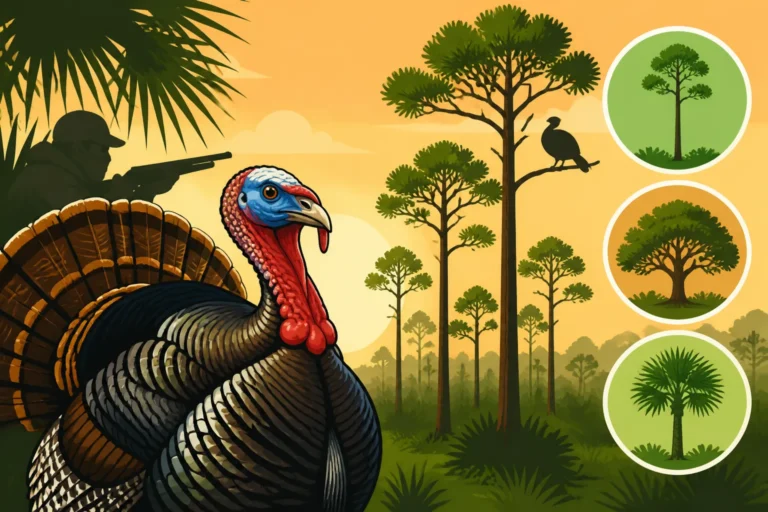
The counties considered the heart of Osceola country are generally south of Gainesville, extending down through central Florida and into the vast wilderness of the south. These regions have been less impacted by historical stocking of Eastern turkeys and retain the habitat characteristics that define the Osceola's domain. Expect to find classic Florida landscapes here: expansive palmetto scrub, open pine flatwoods, and dense cypress swamps. These habitats provide ideal cover and food sources for Osceola Turkeys in Peninsular Florida.
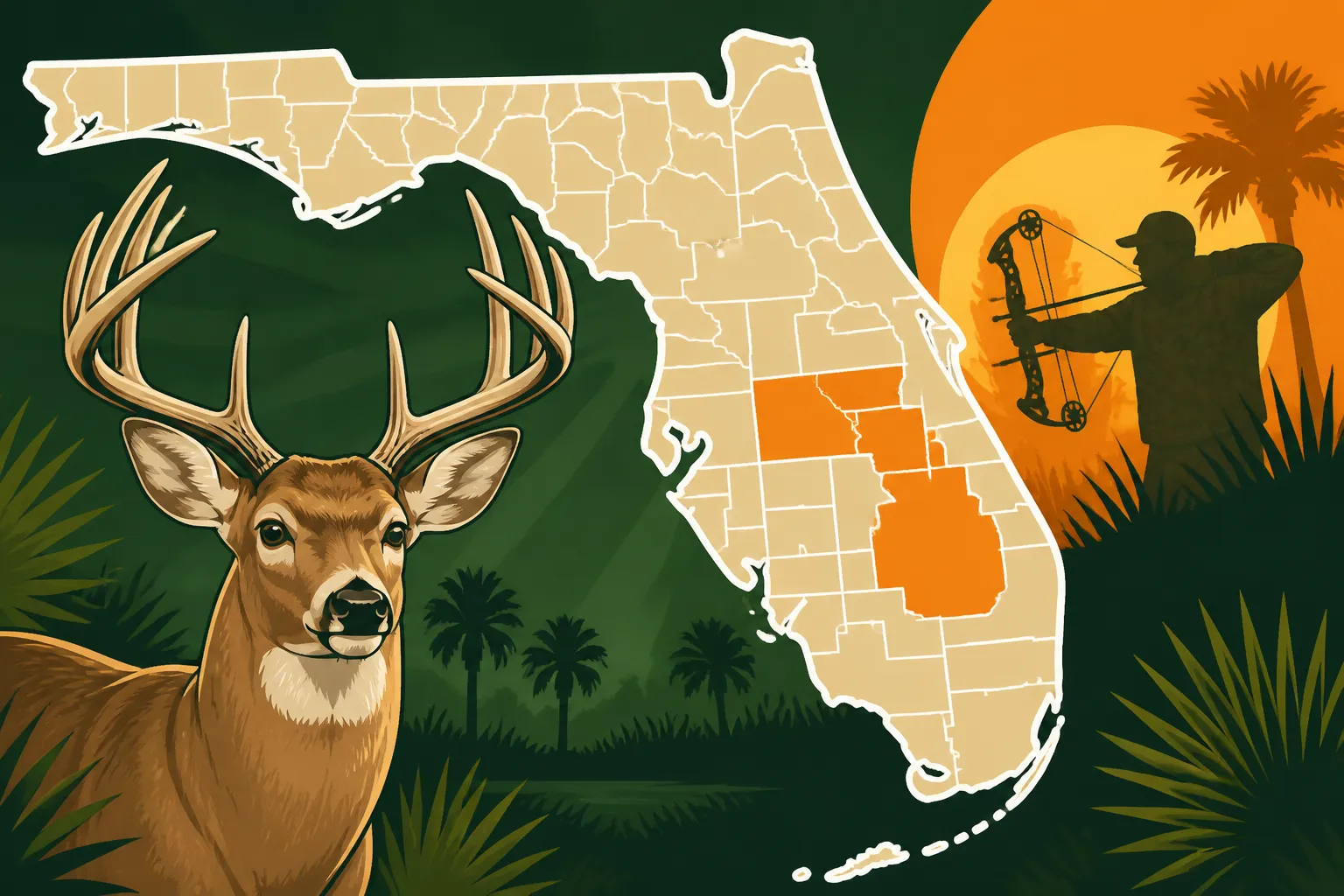
Among the top-tier counties that come to mind for high-probability Osceola genetics are:
- Collier County: Home to vast stretches of Big Cypress National Preserve and other large tracts of wild land, this county offers some of the most remote and untouched Osceola habitat.
- Hendry County: Known for its extensive ranchlands and agricultural operations interspersed with native cover, it's a prime area where turkeys thrive.
- Okeechobee County: Bordering Lake Okeechobee, this area features diverse habitats, from cattle pastures to dense hammocks, providing excellent turkey grounds.
- Polk County: While experiencing more development, Polk still holds significant wild areas, particularly around the Green Swamp, where healthy Osceola populations persist.
- Osceola County: Appropriately named, this county still boasts large ranches and public lands that offer excellent opportunities.
These counties represent the traditional strongholds where generations of Osceolas have roamed, largely undisturbed by external genetic influences. When you're trying to pinpoint the best areas, tools like GoHunt can be incredibly helpful for layering land ownership data with habitat features, allowing you to identify these expansive, suitable tracts whether on public or private land.
Identifying Overlap and Transition Zones
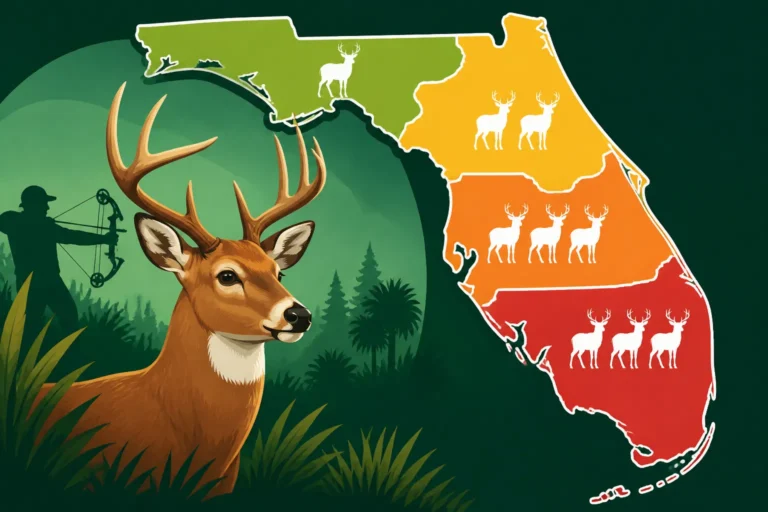
As you venture further north in Florida, the picture becomes a little more complex. The imaginary line that separates the traditional Osceola range from the Eastern turkey range generally runs around State Road 70, sometimes described as crossing through parts of counties like Highlands, Manatee, Hardee, and extending north into areas like Marion, Lake, and Volusia. North of this line, particularly towards the Panhandle, you begin to enter what is considered a transition zone. Here, the historical ranges of the Osceola and Eastern Turkeys in the Florida Panhandle overlapped, and genetic mixing became more likely.
In these transition zones, a turkey might exhibit physical characteristics that lean towards either subspecies, or a blend of both. It's not uncommon to see birds with slightly more white barring on their wings than a classic Osceola, or perhaps a larger body size. This doesn't mean the hunting isn't fantastic – it absolutely can be – but if the absolute "pure" genetic quest is your primary goal for a Grand Slam, these areas might require more careful research and managing expectations. Engaging with local hunters, game wardens, or outfitters who have an intimate knowledge of specific local populations can be invaluable in these border regions. Using a mapping application like GoHunt allows you to zoom in on property lines and habitat types, which can help in understanding specific micro-regions within these broader transition areas.
Factors Influencing Osceola Genetic Purity
The genetic purity of any wild animal population is a dynamic concept, constantly influenced by environmental changes, human activity, and natural biological processes. For Osceola turkeys, several factors have played a significant role in shaping where "true" genetics are most likely to be found today.
Habitat Fragmentation and Management Practices
Florida's rapid growth and development over the last century have inevitably led to habitat fragmentation. Swaths of prime turkey habitat have been divided by roads, housing developments, and agricultural expansion. When large, contiguous areas are broken up, it can isolate turkey populations from one another or, conversely, bring different populations into closer contact. This can affect genetic flow, either restricting it or encouraging interbreeding in ways that didn't occur historically.
However, Florida also has an extensive network of Wildlife Management Areas (WMAs) and large private land holdings, like ranches and timber operations, that prioritize conservation. These managed lands often maintain significant tracts of classic Osceola habitat, such as pine flatwoods, oak hammocks, and cypress heads, which are critical for sustaining healthy turkey populations with their unique genetic traits. Understanding how these areas are managed, and whether they've been subject to stocking, is key. Many public lands require specific permits, so familiarize yourself with Florida Osceola Zone Turkey Permit Rules before you plan your trip. For those serious about self-guided hunts, subscriptions to detailed mapping services like GoHunt offer invaluable insights into terrain, public/private boundaries, and potential habitat corridors that are crucial for scouting.
The Role of Stocking and Translocation
It's easy to forget that at one point, wild turkey populations across North America, including Florida, were in serious decline. To restore these majestic birds, extensive stocking and translocation programs were implemented throughout the 20th century. In Florida, while efforts were made to use native Osceolas for stocking within the peninsula, there were instances in some northern and western areas where Eastern wild turkeys were introduced. These efforts, though vital for turkey recovery, undoubtedly led to some degree of genetic mixing in certain regions, particularly in the state's northern tier.
This historical context is why the core peninsular areas, those counties that were less affected by, or even served as the source for, these stocking efforts, are now considered the most reliable locations for finding turkeys with strong Osceola genetic purity. These are the places where the local populations have been less diluted by external genetic contributions, allowing their distinct traits, which define Osceola Turkey Range and Genetics, to persist relatively undisturbed.
Practical Advice for Hunters Seeking Osceola Turkeys
Embarking on a hunt for an Osceola turkey, especially with the Grand Slam in mind, is an exciting endeavor. To maximize your chances of finding a genetically strong Osceola, a thoughtful approach combining research, scouting, and keen observation is essential.
Researching Specific Hunt Areas
The first step in your Osceola quest is thorough research. Don't just pick a county; delve into specific Wildlife Management Areas (WMAs), state forests, or reputable private land operations within your target counties. The Florida Fish and Wildlife Conservation Commission (FWC) website is an invaluable resource, offering detailed information on public hunting opportunities, season dates like Florida Osceola Spring Season Dates, and often, specific WMA regulations and habitat descriptions.
Beyond official sources, tapping into local knowledge is crucial. Online hunting forums, social media groups focused on Florida hunting, and conversations with local guides or even FWC biologists can provide nuanced insights into where healthy, long-established turkey populations are thriving. Remember, a turkey's behavior can change throughout the season, so understanding local patterns for When Osceola Gobblers Go Quiet in April can make a huge difference. Tools like Scouting With the Florida FWC App and mapping software, such as GoHunt, are indispensable for pinpointing likely spots, identifying terrain features, and even understanding hunting pressure in various areas.
What to Look For in a "True" Osceola
While genetic testing is the only definitive way to confirm subspecies purity, there are physical characteristics that distinguish an Osceola from an Eastern, and these are what hunters typically rely on in the field. Osceolas generally appear smaller and darker overall than Easterns. The key distinguishing feature is often the wing barring. Look for:
- Darker Overall Plumage: Osceolas tend to have a richer, darker body plumage.
- Minimal White Barring on Wings: This is perhaps the most reliable visual clue. The primary and secondary wing feathers of an Osceola will show very little white barring, often appearing almost solid black or dark brown. Easterns, in contrast, have prominent white or buffy barring on these feathers, creating a much lighter appearance when the wings are spread.
- Smaller Body Size: While not always definitive, Osceolas are typically a bit smaller in stature and average weight compared to their Eastern counterparts.
- Less White on Tail Feathers: While both subspecies have dark tail feathers with a sub-terminal band, Osceolas tend to have slightly less prominent white or buffy tips compared to Easterns, though this can vary.
It’s important to remember that these are general guidelines, and individual variations exist. The environment and diet can also influence size and coloration. Ultimately, for the purist, hunting in known Osceola strongholds offers the highest confidence. Combining these visual cues with hunting in the right geographical areas gives you the best chance of encountering and harvesting a truly iconic Florida Osceola. Consider studying past Florida Record Book Gobblers for a better idea of what to expect.
Comparing High Probability Osceola Counties vs. Transition Zones
To help visualize the best areas for your Osceola hunt, here's a general comparison of counties known for high Osceola genetic probability versus those considered transition zones. This isn't an exhaustive list, but it highlights key regions.
| Category | Characteristic Traits | Representative Counties (Examples) | Hunting Notes |
|---|---|---|---|
| High Probability Osceola Genetic Purity | Primarily dark plumage, minimal white wing barring, smaller body size. Historical geographical isolation. | Collier, Hendry, Okeechobee, Polk, Osceola, Glades, Highlands, Martin, Lee, Charlotte | Best chance for "pure" Osceola for Grand Slam purposes. Focus on large, undeveloped tracts, ranches, and public lands. Habitat often includes palmetto, pine flatwoods, cypress. These areas typically have strong Florida Turkey Population Trends. |
| Transition/Overlap Zones | May exhibit mixed characteristics, more white wing barring possible, variable size. Historical interbreeding with Easterns or past stocking. | Marion, Lake, Volusia, Sumter, Citrus, Levy, Alachua, Putnam (further north in these counties) | Still excellent turkey hunting, but genetic purity for the Grand Slam may be debated. Can find larger birds here due to Eastern influence. Good for general turkey hunting, but research specific local populations. |
| Eastern Turkey Dominant | Prominent white wing barring, larger body size, generally lighter plumage. | Most Panhandle counties (e.g., Bay, Walton, Washington, Jackson, Calhoun) | These counties are firmly in the Eastern Turkeys in the Florida Panhandle range. Excellent Eastern turkey hunting, but not for Osceola Grand Slam. |
This table provides a snapshot, but local conditions, specific land management practices, and micro-habitats can always influence what you encounter on any given hunt. When you're ready to head out, remember that Hunting an Osceola Gobbler in Palmetto Scrub is a quintessential Florida experience, regardless of the nuanced genetic discussions.
Disclaimer
This article is for general informational purposes only and does not constitute professional advice. Laws, prices and regulations vary by location and change over time. Consult a qualified professional for guidance on your specific situation.