Best-Eating Game in Florida
One of the most satisfying parts of a successful hunt isn't just the memory of the pursuit, but the delicious reward waiting back home. Many Florida hunters, myself included, spend countless hours afield, and after the effort, we want to ensure the table fare is as good as it can possibly be. It's a common frustration to hear someone say they "don't like venison" or "wild hog is too gamey," when often, it's not the animal itself but the care taken from the moment of harvest to the final plate. This guide is all about helping you understand what makes certain game truly shine culinarily and how to maximize the flavor of your Florida harvest, turning skeptics into fans.
Factors That Influence the Flavor of Your Florida Harvest
Before we even talk about specific species, it's crucial to understand the foundational elements that dictate how good your wild game will taste. It’s not just luck; it’s a combination of biology and meticulous care. These factors are often overlooked, leading to less-than-stellar results that unfairly malign certain species.
Diet and Habitat: What They Eat Matters
Just like domestic livestock, what a wild animal eats profoundly impacts the flavor of its meat. Think about it: a grass-fed beef steak tastes different from a grain-fed one. The same principle applies to Florida's game. Deer that browse on lush acorns in an oak hammock, or hogs that root through peanut fields, will often have a milder, sweeter flavor profile than those that subsist primarily on swamp vegetation or agricultural waste.
Consider a white-tailed deer. If you harvest a buck that’s been feasting on acorns in a mature pine-oak forest, its fat will be whiter, and the meat will tend to be less "gamey" than a deer taken from a dense palmetto thicket where its diet might consist of tougher, more bitter plants. Similarly, feral hogs that have access to corn or pecans can be incredibly delicious, offering rich, flavorful pork. On the other hand, a hog from a deep, muddy swamp might have a stronger, more earthy taste, reflecting its diet of roots and tubers. Waterfowl also fit this pattern; ducks feeding in pristine freshwater marshes on aquatic vegetation might taste different from those in brackish estuaries or rice fields. Scouting areas with abundant preferred food sources, perhaps using tools like GoHunt to analyze satellite imagery for crop fields or oak hammocks, can pay dividends in the flavor department. Hunting a Standing Peanut Field or Hunting After a Poor Acorn Year are key considerations here.
Age and Sex of the Animal
The age and sex of the animal are equally significant contributors to meat quality. Generally, younger animals tend to have more tender meat with a milder flavor. As animals age, their muscles work harder, leading to tougher meat, and they accumulate more metabolic byproducts that can contribute to a stronger "gamey" taste.
For deer, a yearling buck or a mature doe typically offers more tender and less strongly flavored venison than an old, battle-hardened breeding buck. That big old warrior might be a fantastic trophy, but his meat, especially from the hindquarters, might require more careful preparation, such as marinades or slow cooking. With turkeys, a younger "jake" or a hen will usually be more tender than an old, spurred gobbler. While the challenge of calling in a seasoned tom is unmatched, his breast meat might need some extra brining or stewing to achieve optimal tenderness. For hogs, a younger sow or a smaller boar (under 100-150 pounds) is often preferred for table fare, as older boars, particularly during the rut, can develop a strong, unpleasant flavor and scent in their meat due to hormones. This is why many hunters specifically target younger animals if meat quality is their top priority, even if they aren't the biggest trophies.
The Critical Role of Field Care and Processing
This is arguably the most important factor within a hunter's control, yet it's often where things go wrong. Improper field care can ruin even the best-fed, youngest animal's meat. The moment an animal is harvested, bacteria begin to multiply, and enzymes start to break down muscle tissue. Heat is the enemy.
The key is to cool the carcass down as quickly as possible. This means immediate field dressing to remove the entrails, which carry a lot of body heat and bacteria. If you're hunting in Florida's warm climate, this step is paramount. Dragging a deer for miles in 80-degree weather before field dressing it is a recipe for spoiled meat. Getting the hide off quickly helps, too, as fur acts as an insulator. Once field-dressed, getting the animal on ice or into a cooler environment is crucial. For smaller game like hogs or deer, quartering the animal and placing the quarters in coolers filled with ice water can rapidly drop the internal temperature. This "ice bath" method not only cools the meat but also helps to bleed it out further, improving flavor and reducing gamey notes. For those larger deer or hogs, a walk-in cooler or a trip to a local processor is ideal within hours of the harvest. A quick retrieval and proper cooling are far more important for meat quality than any marinade or seasoning later on. Field Dressing a Deer in Hot Weather is a must-read for anyone hunting in our climate.
A Hunter's Guide to Florida's Best-Eating Game Species
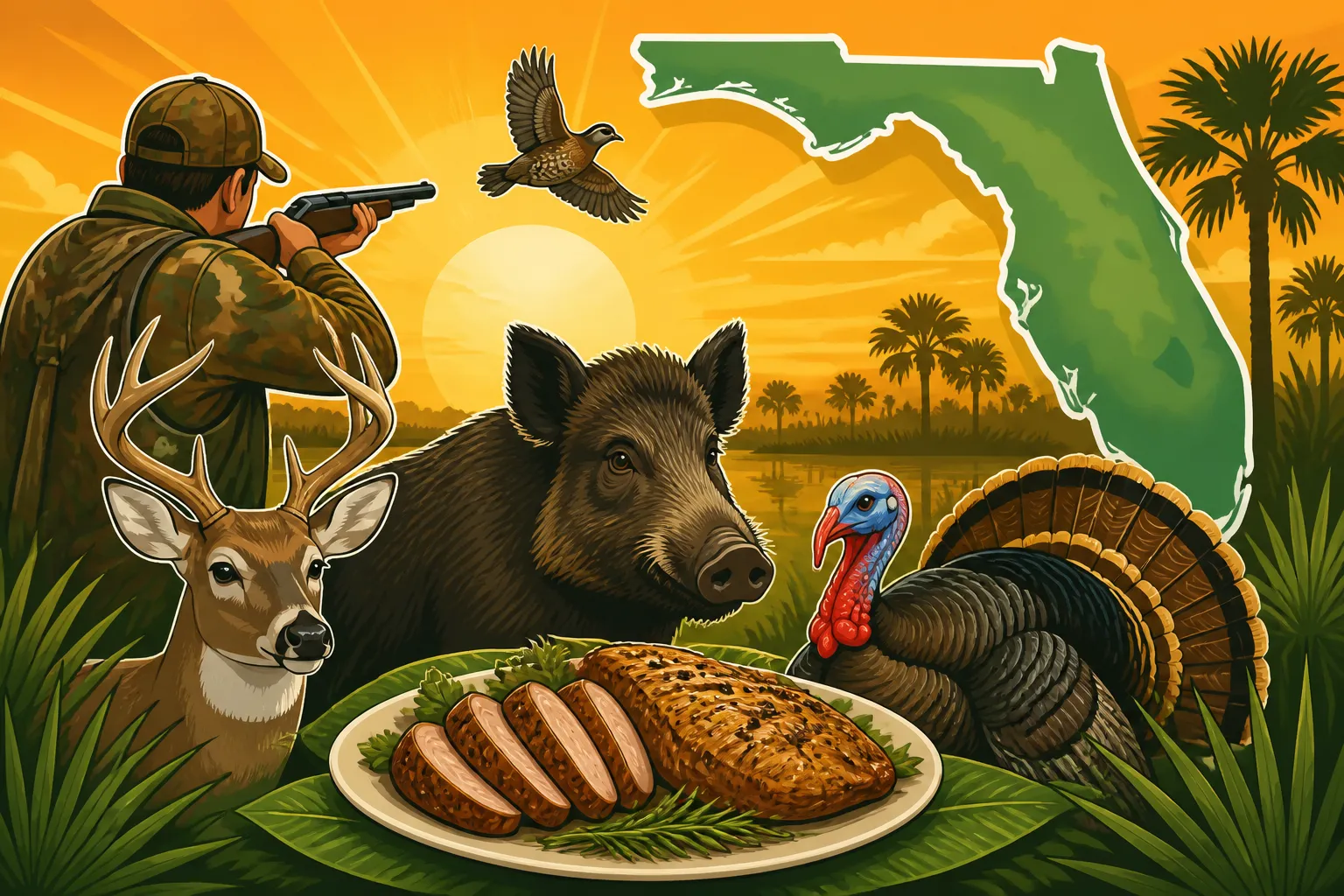
Now that we understand the influencing factors, let's dive into some of Florida's most popular game species and what makes them stand out on the dinner plate. Each offers a unique flavor and texture that, with the right care and preparation, can be absolutely exquisite.
White-Tailed Deer: The Versatile Venison
Florida's white-tailed deer are a staple for many hunters, and their venison is often highly prized. The lean, rich red meat is incredibly versatile, lending itself to everything from steaks and roasts to ground meat for burgers and chili. The flavor of Florida venison can range from mild to robust, depending heavily on the factors we discussed: diet, age, and especially field care. Deer from agricultural areas or those heavily foraging on acorns often yield the mildest meat.
The backstraps and tenderloins are universally considered the prime cuts, offering supreme tenderness and flavor, perfect for quick searing or grilling. Roasts from the hindquarters are fantastic slow-cooked, while ground venison from the trimmings makes excellent sausage, meatballs, or hamburger. Because venison is so lean, it benefits from being cooked quickly to medium-rare or slow-cooked with added moisture or fat to prevent it from drying out. Many hunters blend venison burger with a small percentage of pork fat to improve moisture and flavor. Don't let past bad experiences with "gamey" venison deter you; a properly handled Florida deer can rival the finest cuts of beef. Consider exploring Deer Meat Yield From a Florida Buck to understand what cuts to expect.
Feral Hogs: The Original Wild Pork
Florida is renowned for its abundant feral hog population, offering year-round hunting opportunities and some truly fantastic wild pork. Wild hog meat is darker and leaner than domesticated pork but retains a rich, distinctive flavor that many find superior. Again, diet is a huge factor here. Hogs taken from areas with abundant acorns, pecans, or agricultural crops like peanuts or corn can produce meat that is incredibly delicious, sweet, and mild.
The cuts from a wild hog are similar to domestic pork: loins, shoulders, hams, and ribs. Wild hog ribs, slow-smoked, are a revelation. The shoulders are perfect for pulled pork, and the loins can be pan-fried or roasted. Since wild hogs are often leaner, you might need to add some fat when grinding for sausage or burgers. The key to good wild hog meat is quick cooling and processing, especially for larger boars. If you catch a boar with a strong "boar taint" (a musky, unpleasant smell, particularly noticeable when cooking), it's often most pronounced in the fat; trimming all fat can help. But most younger hogs, or any hog not in the throes of the rut, will yield superb meat. Cooking a Wild Florida Hog provides great ideas for preparing this delicious game. Knowing Florida hog diet and rooting damage can even help you find the best-tasting hogs.
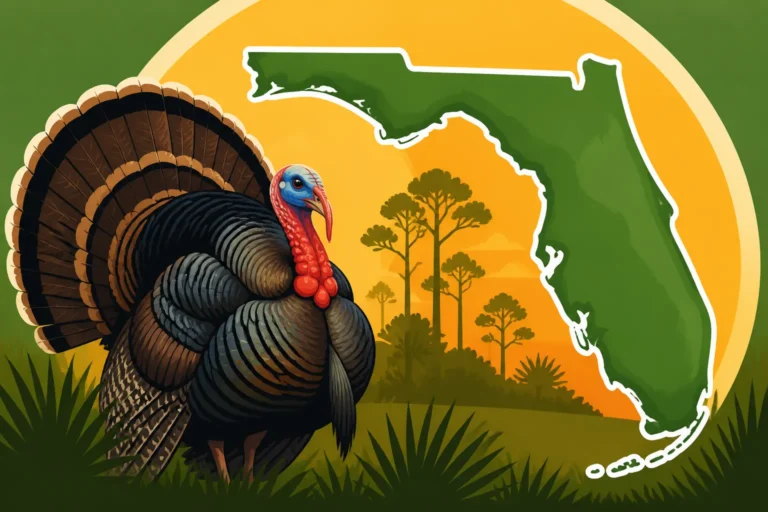
Wild Turkey: A Lean, Flavorful Bird
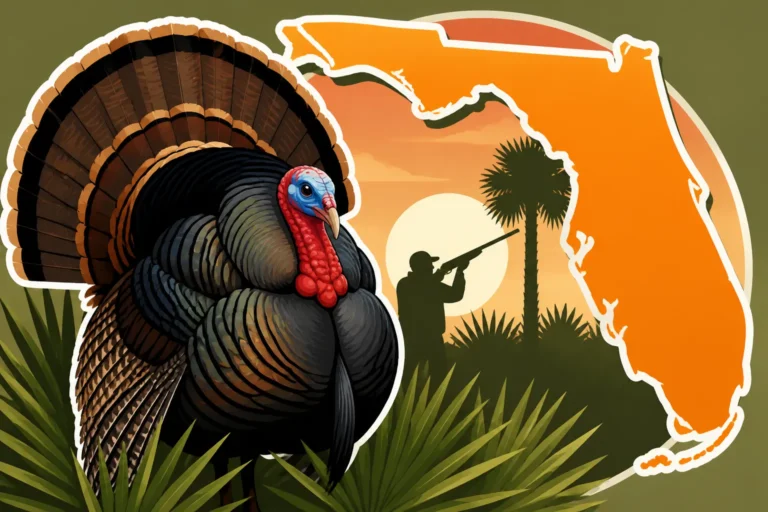
Harvesting a Florida gobbler, whether an Osceola or Eastern, is a thrilling experience, and the reward is a beautiful, lean, and incredibly flavorful bird. Wild turkey meat is a far cry from its domesticated cousin; it's denser, richer, and packed with more character. The breast meat is especially sought after, but the legs and thighs, while tougher, are full of flavor when slow-cooked.
The breast meat from a wild turkey is fantastic fried, roasted, or grilled. Given its leanness, brining the breast before cooking can make a huge difference in moisture and tenderness. The legs and thighs, which are heavily muscled from all that walking and strutting, are perfect for braising, stewing, or grinding for sausages. Many hunters will debone the legs and slow-cook the meat for tacos, chili, or barbecue. The skin, when crisped, is also a delicious treat. A properly prepared wild turkey offers a gourmet experience that truly celebrates the hunt. Don't forget to check out Cooking a Wild Turkey Breast for some fantastic recipes.
Waterfowl and Upland Birds: Ducks, Doves, and Quail
Florida offers fantastic opportunities for bird hunting, and many of these feathered game species are exceptional table fare. Each has its own unique flavor profile, making for a diverse culinary adventure.
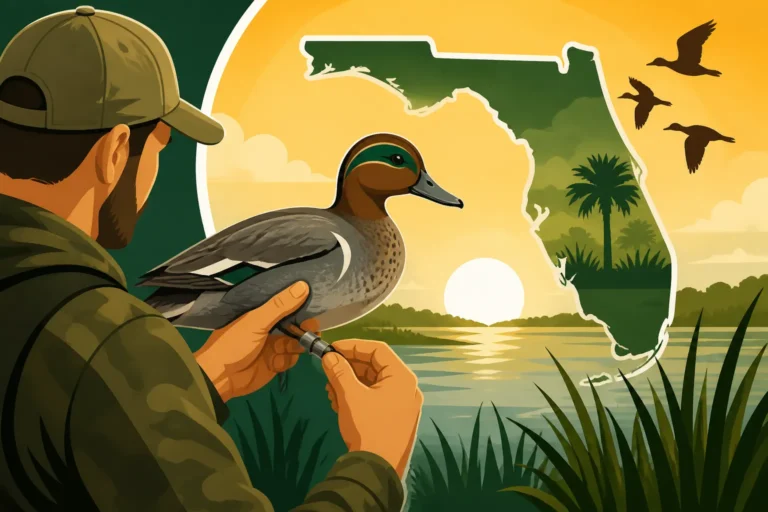
- Ducks: Florida's diverse duck population, including species like wood ducks, teal, and mottled ducks, provides rich, dark meat. The flavor can vary by species and diet, with puddle ducks often having a milder taste than diving ducks. Breast meat is typically seared to a medium-rare to preserve tenderness and flavor. Legs and thighs are excellent for confit or slow-braising. Rapid cooling of ducks is essential to prevent spoilage and ensure the best taste. Early Teal Season Tactics in Florida can lead to some delicious, fast-flying birds.
- Doves: These migratory birds offer small but incredibly tender and flavorful dark meat. Dove breasts are often wrapped in bacon and grilled, pan-fried, or made into delectable poppers. The taste is mild and delicate, making them a favorite for many hunters. Quick cooling after a successful Pass-Shooting Doves on a September Field hunt is vital for such small birds.
- Quail: The bobwhite quail, especially from well-managed wild coveys or even released birds from reputable plantations, offers delicate, tender white meat. Quail are fantastic roasted whole, pan-fried, or grilled. Their subtle flavor makes them a truly elegant dish. Quail Hunting Florida Plantation Country can be a great way to put some of these delicious birds in the freezer.
Alligator: Florida's Unique Table Fare
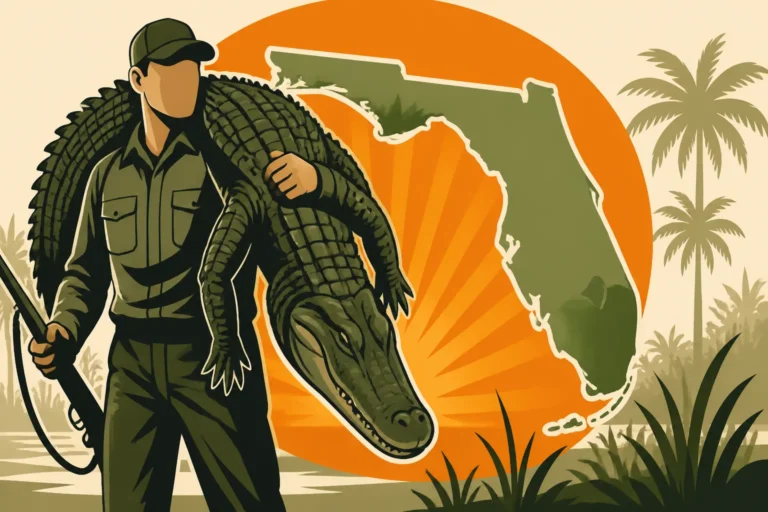
Alligator meat is a true Florida delicacy, and for those who have never tried it, it's often a pleasant surprise. Its flavor is mild, sometimes described as a cross between chicken and fish, with a firm, white texture. The tail meat is the most popular cut, known for its tenderness and versatility.
Alligator meat is lean and absorbs marinades well. It's excellent fried (often cut into nuggets), grilled, or stir-fried. The backstrap from a large gator is also fantastic for grilling. Other parts, like the jowls and leg meat, can be used for slow-cooked dishes like stews or chili. When preparing alligator, remember it's lean, so avoid overcooking, which can make it rubbery. The key, as with all game, is proper field care immediately after harvest. If you're considering harvesting one of these magnificent reptiles, understanding Harvesting an Alligator With a Bang Stick and proper handling are paramount.
From Field to Table: Maximizing the Culinary Potential
The journey from a successful hunt to a delicious meal is a process, and paying attention to each step ensures you get the most out of your harvest. It's not just about the recipe; it's about everything that happens beforehand.
Proper Field Dressing and Cooling Techniques
As mentioned, this is where flavor is truly preserved or lost. For any Florida game, especially during our warmer seasons, speed is your ally.
- Immediate Field Dressing: As soon as the animal is down and secure, begin field dressing. Remove all internal organs. This eliminates a significant source of heat and bacteria. For deer and hogs, this means getting the gut pile out. For birds, remove the entrails and crop.
- Elevate and Air: Once field-dressed, if circumstances allow, hang the animal to promote airflow and further cooling. Even laying it on elevated logs or rocks can help. For smaller game, get them into a cooler quickly.
- Ice is Your Friend: For hogs and deer, if a walk-in cooler isn't immediately available, quartering the animal and submerging the meat in an ice bath (coolers filled with ice and water) can be a game-changer. Change the water daily and replenish ice until the meat is firm and thoroughly chilled, usually 2-3 days. This method not only cools but also helps draw out blood, leading to a cleaner flavor. For smaller game birds, place them on ice in a cooler.
- Cleanliness: Always use clean knives and gloves. Avoid contaminating the meat with dirt, hair, or gut contents.
Taking these steps rigorously, especially in Florida's heat, is the biggest secret to delicious wild game. Using an app like GoHunt to mark your retrieval point and find the quickest way back to your vehicle or camp can minimize the time a harvested animal spends in warm conditions.
Butchering and Aging for Tenderness
Once cooled, the next step is breaking down the animal into usable cuts. You can do this yourself or take it to a professional processor.
- Self-Butchering: Learning to butcher your own game is incredibly rewarding. It gives you full control over the cuts and allows you to trim off any undesirable fat or connective tissue. Make sure your knives are sharp! There are many online tutorials and resources to guide you through the process for various species.
- Professional Processors: If time or skill is an issue, a good wild game processor is invaluable. They have the equipment to handle large animals efficiently and can package your meat to your specifications. Always choose a reputable processor known for their cleanliness and expertise.
- Aging: For deer and some larger hogs, aging the meat can significantly improve tenderness and develop a deeper flavor. This involves holding the carcass or primal cuts in a controlled, cool, and humid environment (typically 34-40°F) for several days to a couple of weeks. This allows natural enzymes to break down muscle fibers. This process requires a controlled environment; otherwise, it can lead to spoilage. Aging Venison in Hot Weather is a nuanced topic that requires careful consideration of temperature and humidity.
Cooking Methods to Bring Out the Best Flavors
Each game species, and even different cuts from the same animal, benefits from specific cooking approaches. The goal is always to respect the meat and highlight its natural characteristics.
- Lean Meats (Deer Backstrap, Turkey Breast, Alligator Tail): These cuts thrive with quick, high-heat cooking to a medium-rare or medium doneness. Think grilling, pan-searing, or broiling. Overcooking will dry them out and make them tough. Marinades can add moisture and flavor without masking the meat's natural taste.
- Tougher Cuts (Deer Roasts, Hog Shoulders, Turkey Legs): These benefit immensely from slow, moist-heat cooking methods. Braising, stewing, slow-roasting, or using a pressure cooker will break down connective tissues, turning tough cuts into incredibly tender and flavorful dishes.
- Ground Meat (Deer, Hog): This is where you can get creative! Burgers, chili, tacos, and sausages are all fantastic applications. Mixing with a small amount of pork fat or bacon fat can enhance moisture and flavor, especially with lean venison.
- Birds (Doves, Quail): Given their small size and delicate meat, quick cooking is usually best. Pan-frying, grilling whole (for quail), or wrapping dove breasts in bacon and grilling are popular methods.
No matter which game you're preparing, remember that wild game has a unique flavor profile that sets it apart from domestic meats. Embrace it, experiment with different seasonings, and don't be afraid to try new recipes. The effort from field to fork truly culminates in a memorable meal.
| Game Species | Typical Flavor Profile | Recommended Cooking Methods | Key Factors for Best Taste |
|---|---|---|---|
| White-Tailed Deer | Lean, rich, earthy (venison) | Grilling, searing (tender cuts); braising, stewing (tougher cuts); grinding | Diet (acorns!), age (younger), rapid cooling, aging (optional) |
| Feral Hog | Leaner, richer than domestic pork | Grilling, roasting, slow-cooking (shoulders), frying (loins); grinding | Diet (corn, peanuts, acorns), age (younger sow/boar), rapid cooling |
| Wild Turkey | Lean, dense, full-bodied poultry | Roasting, grilling, frying (breast); braising, stewing (legs/thighs) | Age (younger), brining, avoiding overcooking |
| Waterfowl | Rich, dark, varied by species/diet | Seared to medium-rare (breast); confit, braising (legs/thighs) | Species, diet, rapid cooling, not overcooking |
| Dove | Mild, delicate, dark meat | Grilling, pan-frying, bacon-wrapped poppers | Rapid cooling, brief cooking |
| Quail | Mild, delicate, white meat | Roasting whole, pan-frying, grilling | Rapid cooling, brief cooking |
| Alligator | Mild, firm, often compared to chicken/fish | Frying (nuggets), grilling, stir-frying, stewing (tougher cuts) | Proper processing, avoiding overcooking |
Disclaimer
This article is for general informational purposes only and does not constitute professional advice. Laws, prices and regulations vary by location and change over time. Consult a qualified professional for guidance on your specific situation.