Florida Black Bear Subspecies Explained
You know, living and hunting in Florida, it's easy to think all black bears are pretty much the same. But if you've ever really paid attention, or perhaps had a close encounter on a trail, you might start to notice subtle differences that make you wonder. This guide is here to clear up any confusion you might have about our local bruins, explaining why Florida's black bears aren't just any black bears, but a truly unique and resilient subspecies with a fascinating story right here in our own backyard.
Unpacking the Florida Black Bear: A Unique Subspecies
When we talk about the Florida black bear, we're not just referring to any black bear that happens to live within our state lines. We're talking about a distinct subspecies, an animal that has evolved in isolation in our unique Floridian ecosystems, leading to some fascinating characteristics. Understanding this distinction is key to appreciating our bears and ensuring their continued health.
What Makes a Subspecies, Anyway?
You might wonder, what's the big deal about a subspecies? Isn't a bear a bear? Well, think of it like this: all domestic dogs are Canis lupus familiaris, but a Chihuahua is very different from a Great Dane. They're the same species, but distinct subspecies or breeds, adapted to different things. In the wild, a subspecies generally refers to a population that has specific physical characteristics, genetic markers, and a distinct geographic range that separates it from other populations of the same species. Over long periods, often due to geographic barriers like mountains or large bodies of water, these groups adapt to their local environment, leading to these unique traits.
For our Florida black bears, it's largely been about geographic isolation. Florida, being a peninsula, provided a natural barrier, and as populations elsewhere expanded and contracted over millennia, the bears that ended up here adapted to our subtropical climate, our specific food sources, and our unique habitat types. This isolation has allowed a specific set of genetic traits to become dominant, setting them apart from their northern cousins. It's a testament to nature's incredible adaptability, shaping animals to thrive in even the most challenging environments.
The Ursus americanus floridanus Distinction
Our Florida black bear proudly carries the scientific name Ursus americanus floridanus. The "Ursus americanus" part tells you it's a North American black bear, just like those found across the continent. But that "floridanus" appendage? That's what marks them as truly special to us. It signifies their unique classification as a distinct subspecies, endemic to Florida and parts of southern Georgia and Alabama. This isn't just a fancy Latin name; it represents thousands of years of evolutionary history, where these bears developed specific traits that allowed them to flourish in Florida's diverse habitats.
These adaptations include a slightly leaner build, often a less dense coat than bears further north (makes sense in our heat!), and a diet highly tuned to Florida's seasonal bounty of acorns, palmetto berries, and even saw palmetto hearts. This scientific classification is incredibly important for conservation efforts because it highlights the need to protect this specific genetic lineage. Without careful management, the unique genetic integrity of Ursus americanus floridanus could be diluted or lost, which would be a real shame for Florida's natural heritage.
Geographic Range and Habitat Preferences
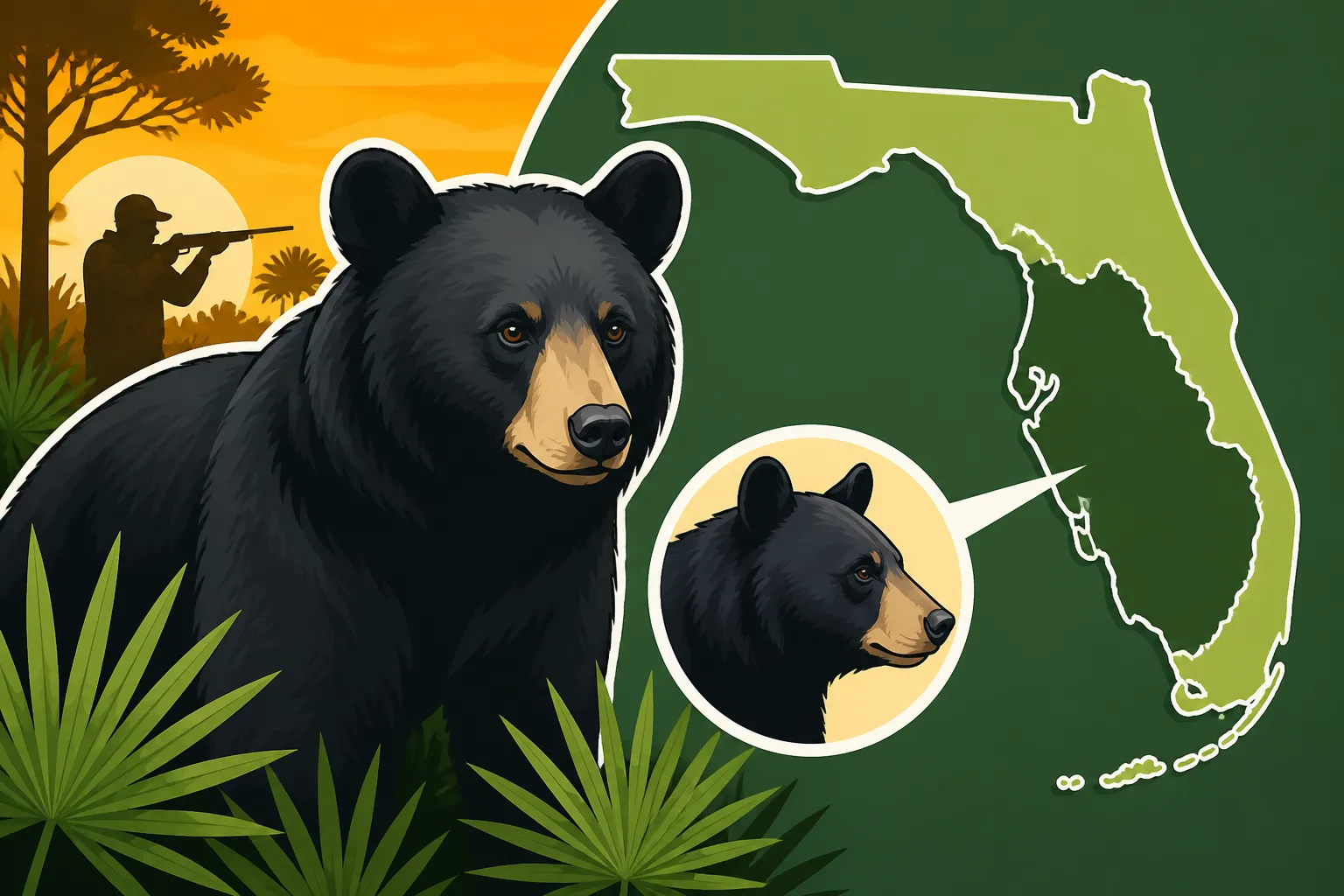
The Florida black bear isn't spread evenly across the entire state. While you might spot one crossing a road in unexpected places, their core populations thrive in large, interconnected patches of habitat that provide ample food, water, and cover. Their primary strongholds include big, contiguous tracts of land like the Ocala National Forest, the Apalachicola National Forest, and the vast wilderness of the Everglades and Big Cypress National Preserve. You'll find them in the Green Swamp, too, where dense cypress and pine flatwoods offer perfect seclusion.
These bears are incredibly adaptable, making use of a mosaic of habitats. They love thick palmetto scrub for bedding and foraging, dense hardwood hammocks for acorns, and cypress swamps for water and escape cover. Rivers and creeks that weave through these areas act like natural highways for them. Even though Florida is rapidly developing, these bears have managed to hang on by using remaining wild corridors, sometimes surprising folks by showing up in suburban areas that border these larger natural areas. Understanding their preferred habitats is crucial, especially when we consider human development and the need to protect these vital connections. If you're using a mapping tool like GoHunt to scout areas, looking for these specific habitat types will give you a real edge in predicting bear presence.
Historical Journey and Conservation Success
The story of the Florida black bear is one of incredible resilience and a shining example of successful conservation. Not too long ago, many feared we might lose these magnificent animals from our landscape forever. Their journey from the brink to a thriving population is something we can all be proud of.
From Near Extinction to Resurgence
It's hard to imagine now, but the Florida black bear population once faced a truly dire situation. In the mid-20th century, habitat loss due to agricultural expansion, timbering, and urban sprawl, combined with unregulated hunting, pushed their numbers to dangerously low levels. Estimates put the population as low as a few hundred individuals by the 1970s. This wasn't just a decline; it was a crisis that sparked serious concern among wildlife biologists and conservationists.
Thankfully, dedicated efforts reversed this trend. Protective measures, including ending hunting seasons in many areas and strict enforcement against poaching, were critical. But perhaps even more impactful was the establishment and expansion of large public land holdings and wildlife corridors. The Florida Fish and Wildlife Conservation Commission (FWC) played a pivotal role, implementing comprehensive management plans that focused on habitat preservation, research, and public education. This concerted effort allowed bear populations to slowly, but steadily, rebound. You can learn more about this recovery in How Florida's Bear Population Rebounded Since the 1970s. It's a testament to what can be achieved when people commit to protecting our natural heritage.
The Role of Florida's Ecosystems in Bear Survival
Florida's unique ecosystems have been the lifeblood for the black bear's survival and resurgence. Unlike the vast, unbroken forests found in other parts of North America, Florida's landscape is a patchwork of distinct habitats, each playing a crucial role. Our longleaf pine forests, with their open understory, provide crucial denning sites in hollow logs and dense palmetto thickets. The expansive cypress swamps and wet flatwoods offer not only protective cover but also vital water sources and unique food items like frog fruit and aquatic vegetation.
Then there are the oak hammocks and sand pine scrub, which are absolute buffet lines when acorns and palmetto berries ripen. These mast crops are absolutely essential, providing a high-calorie energy boost that helps bears put on weight for denning and cub-rearing. The sheer diversity of our plant life means that even if one food source has a bad year, there are usually other options available. This ecological resilience, coupled with the connectivity of large natural areas, ensures that Florida's bears have the resources they need to thrive, from the Ocala National Forest Hunting grounds to the dense cover of Hunting the Everglades and Big Cypress.
Current Population Status and Monitoring Efforts
Today, the Florida black bear population is a conservation success story. The FWC regularly conducts rigorous monitoring efforts to estimate their numbers and track their health. These efforts include extensive genetic sampling, mark-recapture studies, and the use of trail cameras and hair snares to gather data without disturbing the animals. These studies have shown a remarkable recovery, with current estimates suggesting a robust and growing population across the state. This wasn't always the case, and the journey to get here has been a long one.
You can find current information on their population in Florida Bear Population Estimate. The monitoring doesn't just count bears; it helps biologists understand their distribution, reproductive success, and how they interact with human development. This data is critical for making informed management decisions, whether it's setting hunting seasons or planning for wildlife crossings on new roads. These ongoing efforts are why, despite increasing human population, Florida's black bears continue to be a visible and vibrant part of our wild landscape.
Behavior, Characteristics, and Living Among Them
Understanding the behavior and characteristics of the Florida black bear is not only fascinating but also essential for anyone who spends time outdoors in Florida. Knowing what makes them tick helps us coexist safely and appreciate these amazing animals even more.
Key Physical Traits
The Florida black bear, Ursus americanus floridanus, shares many general characteristics with other North American black bears, but it also has its own unique flair. Generally, they are medium-sized bears, with adults typically weighing between 200 to 400 pounds, though some large males can push past 500 pounds. Females are usually smaller, around 120 to 250 pounds. Compared to their northern counterparts, Florida bears tend to be a bit leaner and lankier, an adaptation to our warmer climate.
Their fur, as the name suggests, is predominantly black, but it's not uncommon to see a brown muzzle, and sometimes a distinctive white or tan patch on their chest, often shaped like a "V" or a blaze. This chest blaze is a common trait among many of our bears. Their eyes are typically brown, and their ears are relatively small and rounded. Unlike grizzlies, black bears have a straight facial profile and no shoulder hump. Their claws are shorter and more curved, perfect for climbing the pines and oaks they frequent. If you ever have the chance to see one in person, perhaps while Scouting Florida Public Land Before Season, you'll notice their powerful build and agile movements. For more on their typical size, check out Average Weight of a Florida Black Bear.
Diet and Seasonal Foraging
One of the most defining aspects of the Florida black bear's life is its diet, which is heavily dictated by the seasons and what Florida's natural larder provides. These bears are omnivores, and opportunistic eaters, meaning they'll pretty much eat anything they can get their paws on, but their primary diet consists of plants. During the spring, when things start to green up, they'll forage on tender new shoots, berries, and even the hearts of saw palmetto. As summer progresses, fruits like blueberries, blackberries, and wild plums become important.
However, fall is the real feast, and it's absolutely crucial for their survival. This is when acorns from our various oak species and the high-energy berries of saw palmetto ripen. Bears will spend a huge amount of time gorging on these mast crops, packing on the fat reserves they need to sustain them through the leaner winter months and, for females, to support cub development during denning. They'll also eat insects, grubs, and occasionally small mammals or carrion. Their seasonal foraging habits mean that a bear's movements can change dramatically throughout the year, often following the availability of their preferred food sources. It's truly incredible how tuned in they are to the rhythms of our natural environment.
Bear-Human Interactions and Coexistence
As Florida's human population continues to grow and our natural areas become more fragmented, interactions between people and black bears are becoming more common. Most bears are naturally shy and will avoid humans, but when they become accustomed to finding food near people, problems can arise. The biggest issue is usually unsecured trash, pet food left outdoors, or even bird feeders. A bear's sense of smell is incredible, and they'll quickly learn where the easy calories are.
The key to coexistence is preventing these conflicts before they start. Secure your garbage in bear-resistant containers, bring pet food inside, and clean up any outdoor grills. If you're camping or hiking, store food properly and never approach or feed a bear. If you do encounter a bear, make noise, make yourself look big, and slowly back away. Never run! Running can trigger a chase response. It’s important to remember that these bears aren't looking for trouble; they're simply looking for food. By taking simple precautions, we can help keep both bears and people safe, ensuring that our unique Ursus americanus floridanus can continue to thrive alongside us. This effort is essential for avoiding future scenarios that might necessitate a repeat of Florida's Reinstated Bear Hunting Season if populations become unsustainable in certain zones.
Dispelling Common Myths and Misconceptions
There are a lot of ideas floating around about Florida black bears, and not all of them are accurate. As someone who spends a lot of time in Florida's woods, I've heard my share of tall tales and misunderstandings. Let's clear up a few of the most common ones so we can all have a more realistic picture of our amazing bears.
Are Florida Bears the Smallest?
This is a common one, and while there's a kernel of truth to it, it's often exaggerated. Florida black bears, Ursus americanus floridanus, are indeed generally considered one of the smaller black bear subspecies in North America. They tend to have a more slender build and might not reach the sheer mass of bears found in colder climates, where abundant food sources and the need for a thicker fat layer often lead to larger individuals. However, "smallest" doesn't mean tiny.
We're still talking about powerful, wild animals that can reach impressive sizes. As mentioned, adult males can routinely hit 300-400 pounds, and some individuals can certainly exceed that. It's more accurate to say they are on the smaller end of the black bear spectrum, rather than being universally "small." Their size is an adaptation to our subtropical climate and food availability. The fact that they aren't massive doesn't make them any less formidable or deserving of our respect and careful management.
Black, Brown, or Cinnamon?
When people think of "black bears," they often picture a universally jet-black animal. And while most Florida black bears are indeed, well, black, it's a misconception that this is their only color. Just like people, bears can have variations in their fur color! While rare in Florida, you might occasionally see a bear with brownish fur, or even a cinnamon hue. These color variations are more common in other black bear subspecies further west, but the genes for these colors can pop up anywhere.
The most consistent feature you'll see on our Florida bears, besides their predominant black coat, is often a lighter, brownish muzzle and sometimes that distinctive white or tan blaze on their chest. So, don't be surprised if you see a bear that isn't perfectly raven black; it's still very much a Florida black bear. It's just showing a little genetic diversity, which is a healthy sign for a wild population.
The "Lazy Florida Bear" Stereotype
I've heard people joke about Florida bears being "lazy" because they don't hibernate in the same way bears do up north. This is a classic misunderstanding of how bears adapt to their environment. True hibernation, where an animal enters a deep, prolonged state of torpor with severely lowered body temperature and metabolic rate, is typically a response to long periods of extreme cold and scarcity of food. Florida doesn't have that! Our winters are mild, and while some food sources might be less abundant, there's rarely a complete lack of food.
So, instead of a deep, multi-month hibernation, Florida black bears engage in what's often called "winter lethargy" or "denning." They might retreat to a den for shorter periods, especially pregnant females, or during particularly chilly (for Florida!) weather. But they can and will wake up, forage, and move around during the winter months, especially if food is available. They don't need to put on the same extreme fat reserves as a bear in Montana, but they still need to manage their energy. Far from being lazy, they are incredibly efficient at adapting their metabolism and behavior to our unique subtropical climate. When it comes to finding food, especially during the fall season after a good acorn crop, these bears are anything but lazy! Understanding their seasonal activity helps you anticipate their movements, which can be critical whether you're observing them or perhaps Hunting the December Bear Season in a specific zone.
| Trait | General North American Black Bear (Ursus americanus) | Florida Black Bear (Ursus americanus floridanus) |
|---|---|---|
| Average Size | Varies widely by region, can be very large in northern areas. | Generally on the smaller, leaner end of the black bear spectrum. |
| Typical Weight | Males 200-600+ lbs, Females 100-300 lbs. | Males 200-400 lbs, Females 120-250 lbs (though larger exist). |
| Fur Color | Wide range: black, brown, cinnamon, blonde, even white (Kermode). | Predominantly black, with common brown muzzle; white chest blaze frequent. |
| Hibernation Cycle | True, deep hibernation in colder climates, lasting months. | Winter lethargy/denning, shorter periods; may be active year-round. |
| Geographic Range | Widespread across North America. | Endemic to Florida and parts of southern Georgia and Alabama. |
| Habitat Adaptations | Adapted to various forest types, mountains, and cold weather. | Adapted to subtropical forests, swamps, palmetto scrub, heat. |
Disclaimer
This article is for general informational purposes only and does not constitute professional advice. Laws, prices and regulations vary by location and change over time. Consult a qualified professional for guidance on your specific situation.