Florida Fawn Survival Rates
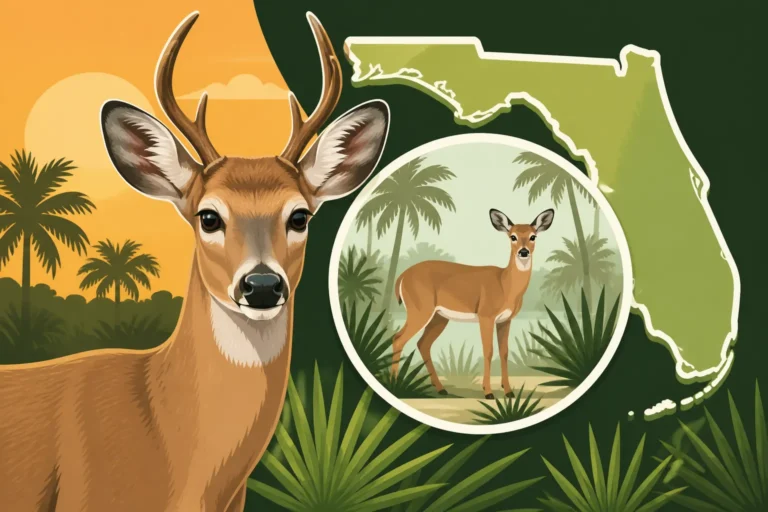
It's a genuine concern for many of us who cherish Florida's natural beauty and its magnificent wildlife: what happens to those tiny fawns born each spring? The survival rates of these vulnerable young deer are a critical indicator of our overall herd health and a direct predictor of future hunting opportunities. Understanding the myriad factors influencing whether a fawn makes it to adulthood isn't just a biological curiosity; it’s fundamental to being a responsible steward of our wild places.
The Precarious Start: Why Fawn Survival is Such a Challenge in Florida
If you've ever stumbled upon a newborn fawn lying motionless in the palmettos or cypress knees, you instantly grasp just how fragile and vulnerable these creatures are. From the moment they hit the ground, they're thrust into a high-stakes game of survival, and their ability to navigate those first few critical months largely determines the vitality and future of our state's deer populations. Many folks assume Florida, with its dense vegetation and vast wild spaces, would be a nursery paradise, but the reality is often far more challenging, presenting a gauntlet of threats for these tiny whitetails.
The Vulnerability of Newborn Fawns
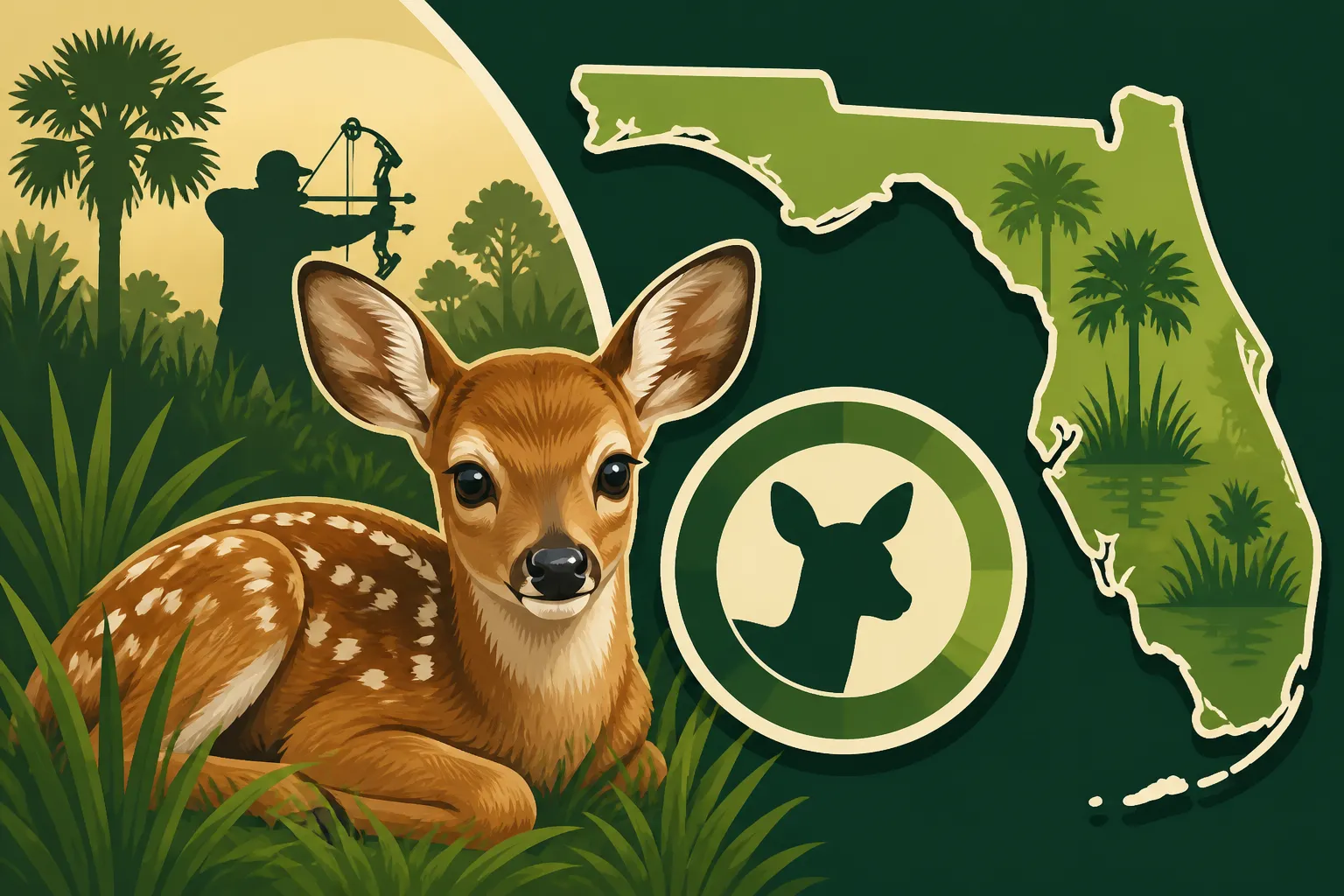
Picture this: a tiny, spotted bundle, fresh into the world, trying to make its way in a landscape teeming with potential dangers. A Florida fawn's primary defense mechanism in those initial days and weeks is pure, unadulterated stillness and camouflage. They are practically scentless for the first week or so, a remarkable adaptation that helps them hide from predators by simply not moving. They'll often be left alone by the doe for hours, sometimes even a full day, relying on this innate ability to blend seamlessly into a dense thicket, a patch of tall grass, or the shadows of a cypress stand. This strategy is brilliant against a keen-nosed coyote, but it leaves them utterly defenseless against other, less natural threats. A fawn lying perfectly still is easily overlooked by a human on foot, but it has no defense against a brush hog clearing a field edge, the wheels of a vehicle, or the rapid advance of a prescribed fire. It’s an incredibly short window where their survival hangs by a thread, making every day a triumph for those that make it.
Predation Pressure: Florida's Natural Control
Let's be realistic: Florida is a wild state, and that means it's home to a healthy population of natural predators, all of whom view a newborn fawn as a high-calorie meal ticket. Coyotes are certainly a major player, constantly patrolling for easy prey, but bobcats are also incredibly efficient, especially in dense scrub or palmetto flatwoods. Even black bears, particularly sows with cubs that need ample protein to grow, will capitalize on the opportunity if they stumble upon a vulnerable fawn. It’s an undeniable part of the food web, a harsh truth of nature’s balance. We've discussed the overall Florida Predator Impact on Fawn Recruitment before, and it bears repeating: these predators are not just incidental threats; they are an integral part of the ecosystem, and their presence directly influences how many fawns make it to adulthood each year. While it can be tough to witness, it's a natural mechanism that helps keep deer populations healthy by culling the weak or unlucky.
Environmental Hurdles and Habitat Quality
Beyond the immediate, visceral threat of predation, Florida's environment itself presents a unique array of challenges for young fawns. Our subtropical climate, while often mild, can swing to extremes, particularly during the critical fawning season. Sudden, torrential summer downpours can lead to rapid flooding in low-lying areas or cypress swamps, potentially drowning fawns that are too young or weak to move to higher ground. Conversely, prolonged droughts can stress lactating does, reducing their milk production and weakening their fawns, making them more susceptible to disease or predation. And then there's the relentless march of human development. A pristine patch of pine flatwoods or an isolated oak hammock, once a perfect fawning bed, can quickly become a construction site, displacing deer and increasing their exposure to traffic, domestic animals, and human disturbance. High-quality habitat, rich with dense cover for hiding and abundant, nutritious forage for does, is absolutely non-negotiable for fawn survival. Losing or fragmenting these essential areas makes the already tough task of survival even harder.
The Data Behind Survival: Factors Influencing Fawn Success
So, what are the actual chances? It’s not a single, static number, as fawn survival rates fluctuate considerably based on a complex web of environmental, biological, and anthropogenic factors. Wildlife biologists, including those with the FWC, dedicate significant effort to studying these rates, often employing advanced techniques like radio telemetry to tag fawns shortly after birth and monitor their movements and ultimate fates. These studies are invaluable, providing us with a scientific lens through which to view the often-hidden lives of young deer and, crucially, to understand where our conservation and management efforts can have the greatest impact.
Maternal Health and Age: A Fawn's First Advantage
Perhaps the most foundational element in a fawn’s survival story is its mother. A healthy, well-nourished doe is simply better equipped to succeed. She’s more likely to conceive and carry a robust fawn (or twins, which are common in Florida), her milk production will be stronger, and she'll have the energy and vigor to actively defend her offspring from perceived threats. Furthermore, an older, more experienced doe often exhibits higher fawn survival rates. She has learned the landscape, knows the safest bedding areas, understands prime escape routes, and has developed a keen sense for avoiding predators. Contrast this with a young, first-time mother, who may be less efficient at finding nutritious forage, more easily spooked, or less adept at leading her fawn to safety. This direct link between doe health and fawn success underscores why a balanced Florida Buck-to-Doe Ratio by Zone and a healthy age structure within the herd are so vital for overall deer management and long-term population stability.
Habitat: The Ultimate Nursery and Safe Haven
I've said it before, and I'll keep saying it: habitat is the absolute bedrock of wildlife survival, and for fawns, it's everything. Imagine a fawn's ideal world: a dense mosaic of ground cover – palmettos, thick briers, regenerating pine saplings, or thickets of wax myrtle – offering immediate concealment from prying eyes and hungry noses. Add to that readily available, nutritious forage for the lactating doe, keeping her healthy and her milk flowing. Water sources are also crucial, especially in our hot climate. Areas with diverse habitat, where dense bedding cover transitions into feeding areas, create a vital buffer for young deer. On lands where habitat is degraded, fragmented, or heavily disturbed, fawns are exposed for longer periods, forced to move across open spaces, and have fewer secure places to bed down. This is precisely why initiatives like Habitat Work on Florida Wildlife Management Areas are so incredibly important. When land managers conduct prescribed burns, plant native food sources, or thin timber to promote undergrowth, they are creating critical safe zones and feeding grounds that directly boost fawn survival. Utilizing mapping tools, like those found on GoHunt, can help you visualize these habitat features, identifying areas with dense cover that might serve as ideal fawning grounds.
Predation Intensity and Management
The level of predation in a specific area can be a dramatic swing factor for fawn survival. While predators are natural, their populations aren’t always static or perfectly balanced. If local coyote numbers are exceptionally high, or if a particular area has a dense concentration of efficient bobcat hunters, fawn recruitment can be significantly suppressed. This isn't to say we should seek to eliminate predators, but rather to understand their impact and, in some cases, explore management strategies. On private lands, landowners might implement localized predator control efforts as part of their overall deer management plan. On public lands, the focus tends to be more on providing ample escape cover and diverse habitat, allowing fawns the best possible chance to evade detection. It's a nuanced discussion, often driven by the specific dynamics of a given region. Understanding these local dynamics is key, and tools that offer aerial imagery and topographic maps, like GoHunt, can help hunters and managers assess the vulnerability of certain areas to predation based on available cover.
| Factor Contributing to Fawn Survival | Positive Impact on Survival | Negative Impact on Survival |
|---|---|---|
| Maternal Health | Strong, robust fawns; adequate milk; effective defense | Weak, sickly fawns; poor milk production; ineffective defense |
| Doe Age/Experience | Learned safe zones; efficient foraging; predator awareness | Inexperience; higher risk of exposure; less effective care |
| Habitat Quality | Dense bedding cover; diverse, nutritious forage; water | Open, fragmented areas; poor nutrition; lack of water |
| Predator Density | Healthy ecosystem balance; natural selection of fittest | High localized predation; significant reduction in fawn numbers |
| Weather Events | Mild temperatures; consistent, moderate rainfall | Extreme heat/cold; flash floods; prolonged droughts |
| Human Activity | Proactive habitat management; controlled disturbance | Urban encroachment; vehicle collisions; uncontrolled access |
What Fawn Survival Rates Mean for Florida Hunters
For those of us who spend our time Hunting Florida's Four Deer Zones or eagerly anticipating the next season, fawn survival rates are far more than just dry statistics; they are a vital heartbeat for the future of our passion. These numbers directly translate to the health of our deer populations, the quality of our hunting experiences, and the long-term sustainability of the sport we cherish.
Population Health and Future Deer Numbers
Simply put, if fawns aren't surviving at healthy rates, the deer population will eventually decline. It's a straightforward equation: fewer fawns mean fewer yearlings two years down the line, and fewer mature animals available to breed and continue the cycle. This directly impacts the overall Florida Deer Population Estimate and, crucially, the density of deer you'll encounter in the woods. A robust fawn crop ensures a steady recruitment of new deer into the herd, which is essential for maintaining a healthy age structure and providing ample hunting opportunities. If you're wondering about the availability of deer in your favorite hunting spots, or even the Florida Deer Herd Size in a particular WMA, the survival rates of the fawns born in previous seasons hold a significant part of the answer. Consistent low survival, year after year, can be a major red flag for the long-term viability of the herd.
Informing Management Decisions and Hunting Regulations
Wildlife agencies, most notably the Florida Fish and Wildlife Conservation Commission (FWC), meticulously track and analyze fawn survival rates as a cornerstone of their comprehensive deer management plans. This data, combined with harvest records, spotlight surveys, and other population metrics, provides the critical information needed to make informed decisions about hunting seasons, bag limits, and specific regulations across Florida's diverse landscapes. For example, if survival rates are consistently low in a particular zone or region, it might prompt the FWC to adjust antlerless harvest opportunities, implement targeted habitat improvement projects, or even modify weapon restrictions to help the population recover. This is why understanding Why Florida's Deer Seasons Vary So Much by Zone is so important; these variations are often a direct reflection of local deer population dynamics, including fawn recruitment success. Every time you check the regulations or apply for a Florida WMA Management Area Permit, remember that these rules are rooted in scientific data designed to ensure a sustainable future for our deer and our hunting heritage.
The Hunter's Role in Conservation
As Florida hunters, we are, by definition, conservationists. Our passion for the outdoors and the game we pursue compels us to contribute to its health and longevity. Our license and permit fees directly fund vital wildlife research, habitat restoration, and enforcement efforts that benefit deer and countless other species. Beyond financial contributions, ethical hunting practices are paramount. Adhering to bag limits, understanding the specific regulations for each zone, and making responsible harvest decisions—such as passing on young bucks to allow them to mature, which can lead to stronger genetics and more robust fawns down the line—all contribute to a healthier herd. Engaging in practices like Scouting Florida Public Land Before Season with an eye for deer sign and habitat quality helps us better understand the local conditions affecting fawn survival. We are more than just harvesters; we are active participants in managing and sustaining a precious natural resource, ensuring that future generations can also experience the thrill of chasing Florida whitetails.
Supporting the Next Generation of Florida Deer
It's clear that the journey from newborn fawn to mature deer is fraught with peril, but we are not helpless observers. There are concrete, impactful ways we, as Floridians and especially as hunters, can contribute to the success of the next generation of deer. It's about taking a proactive, long-term approach to conservation and understanding our role in the broader ecosystem.
Habitat Restoration and Enhancement
Hands down, one of the most significant impacts we can have is by supporting and actively participating in habitat restoration and enhancement projects. Think big picture: advocating for the preservation of large tracts of wild land, or supporting initiatives that acquire and manage new public hunting areas. On a more local scale, whether you hunt private land or spend time on WMAs, projects that focus on creating dense bedding cover are invaluable. This includes encouraging selective timber harvesting that promotes understory growth, establishing diverse native food plots that provide year-round nutrition for does, and managing water features. Properly managed prescribed burns, a common tool in Florida, are incredibly beneficial; they clear out overgrown undesirable vegetation and encourage a flush of fresh, nutritious browse that deer love. These kinds of Habitat Work on Florida Wildlife Management Areas are the backbone of healthy deer populations. When you’re spending time in the woods, use tools like GoHunt to identify potential areas for habitat improvement or to locate natural features that offer ideal fawn cover, thinking about how you can support these crucial areas.
Responsible Hunting and Predator Dynamics
Our approach to hunting directly influences herd health. This means not only adhering strictly to all FWC regulations, taking clean ethical shots, and meticulously Blood Trailing After Dark in Florida to recover every animal, but also understanding the overall health and dynamics of the deer in your specific hunting area. Sometimes, exercising patience and passing on a younger buck can allow it to contribute to the gene pool for more years, potentially producing stronger, more viable fawns. When it comes to predators, the discussion is often complex and sometimes contentious. While maintaining a balanced ecosystem is the ultimate goal, and predators are a natural and necessary component, localized predator management can sometimes be considered, particularly on private lands where fawn recruitment is demonstrably suppressed due to extremely high predator densities. However, simply removing predators without concurrently addressing habitat deficiencies is rarely a sustainable long-term solution. A holistic approach that prioritizes robust habitat and healthy deer is always the most effective strategy.
Education and Community Involvement
Finally, one of the most powerful tools we have is knowledge and the willingness to share it. Educating ourselves and others—especially younger hunters and non-hunters—about the intricate biology of deer, the challenges fawns face, the importance of ethical hunting, and the value of conservation efforts is paramount. Supporting organizations that fund wildlife research, habitat initiatives, and educational programs is another excellent way to get involved. This could mean volunteering your time for a local conservation group, attending public meetings about wildlife management, or simply having informed conversations with friends and family. The more Floridians understand the delicate balance required for a thriving ecosystem and the critical importance of fawn survival, the greater the collective effort will be towards implementing effective, science-based conservation strategies. After all, ensuring a strong future for Florida's deer herds is not just about our hunting opportunities today; it's about preserving a vital piece of our natural heritage for generations to come.
Disclaimer
This article is for general informational purposes only and does not constitute professional advice. Laws, prices and regulations vary by location and change over time. Consult a qualified professional for guidance on your specific situation.