Florida Beaver Population and Damage
The persistent gnawing and dam-building habits of beavers can cause significant headaches for landowners, farmers, and even public land managers across Florida, leading to everything from flooded timber tracts to blocked culverts. This comprehensive guide will delve into Florida's beaver population, the various types of damage they inflict, and, most importantly, effective strategies for managing their presence and mitigating their impact.
Florida's Beaver Population and Its Reach
While beavers might not be the first animal you think of when envisioning Florida wildlife, these industrious rodents are certainly present and thriving in many parts of the state. Once nearly extirpated from much of the Southeast due to unregulated trapping in the 19th and early 20th centuries, beavers have made a remarkable comeback, establishing strong populations where suitable habitat exists.
Where Beavers Thrive in Florida
Beavers are masters of their environment, capable of transforming flowing water into still ponds. In Florida, this means they prefer areas with ample water sources, such as rivers, streams, canals, and ditches, particularly those bordered by deciduous trees. You'll find them most commonly in the northern and central parts of the state, where hardwood forests provide the necessary food and building materials. The extensive network of wetlands, creeks, and even man-made drainage systems offers prime real estate for beavers to set up shop. Think of those slow-moving blackwater rivers or the edges of cypress swamps, and you're likely envisioning ideal beaver habitat.
They aren't as prevalent in the southernmost extremes of Florida, where the availability of preferred tree species for dam building and food sources might be less consistent. However, anywhere there's a reliable water source and softwoods or hardwoods like sweetgum, willow, or young pines, you can expect beavers to eventually make an appearance. They're incredibly adaptable, and with the right resources, they'll carve out a territory.
Historical Context and Current Trends
Beavers, specifically the North American beaver (Castor canadensis), were historically abundant across much of Florida prior to European settlement. Their pelts were highly sought after during the fur trade era, leading to significant population declines by the late 1800s. However, conservation efforts, reintroductions, and improved wildlife management practices in the 20th century allowed their numbers to rebound dramatically. Today, the population is generally considered stable and robust throughout their suitable range in the state.
This rebound is a double-edged sword for some. While ecologically beneficial in many ways, the increased beaver presence also means increased potential for human-wildlife conflict. Land managers and private landowners often find themselves grappling with the consequences of beaver activity, highlighting the need for informed management strategies. Understanding these population trends helps frame the current challenges and the importance of effective intervention.
Understanding Beaver Damage in the Sunshine State
Beavers are engineers of the natural world, and their dam-building prowess, while fascinating, can become a serious problem when their efforts conflict with human infrastructure or land management goals. The damage they cause isn't just cosmetic; it can be economically significant and even hazardous.
Flooding and Infrastructure Impact
Perhaps the most immediately recognized form of beaver damage is flooding. A beaver dam across a ditch, culvert, or small stream can quickly back up water, inundating roads, fields, and even residential properties. Imagine a county road, perfectly passable one day, suddenly submerged under several feet of water because beavers decided a culvert was the ideal spot for their new home. This isn't just an inconvenience; it can damage roadbeds, compromise bridge foundations, and create dangerous driving conditions. Local governments spend significant resources annually battling these persistent aquatic architects.
Beyond roads, agricultural fields are particularly vulnerable. A beaver dam can flood valuable crop acreage, destroy planted timber, or make pastures unusable for livestock. Drainage systems, designed to keep water off land, become beaver magnets, turning intended runoff channels into impoundments. If you're a landowner trying to manage water levels on your property, a beaver colony can undo years of work in a matter of weeks. The diligent use of mapping tools, like those found on GoHunt, can help landowners identify potential beaver hotspots along waterways before major damage occurs.
Timber and Agricultural Losses
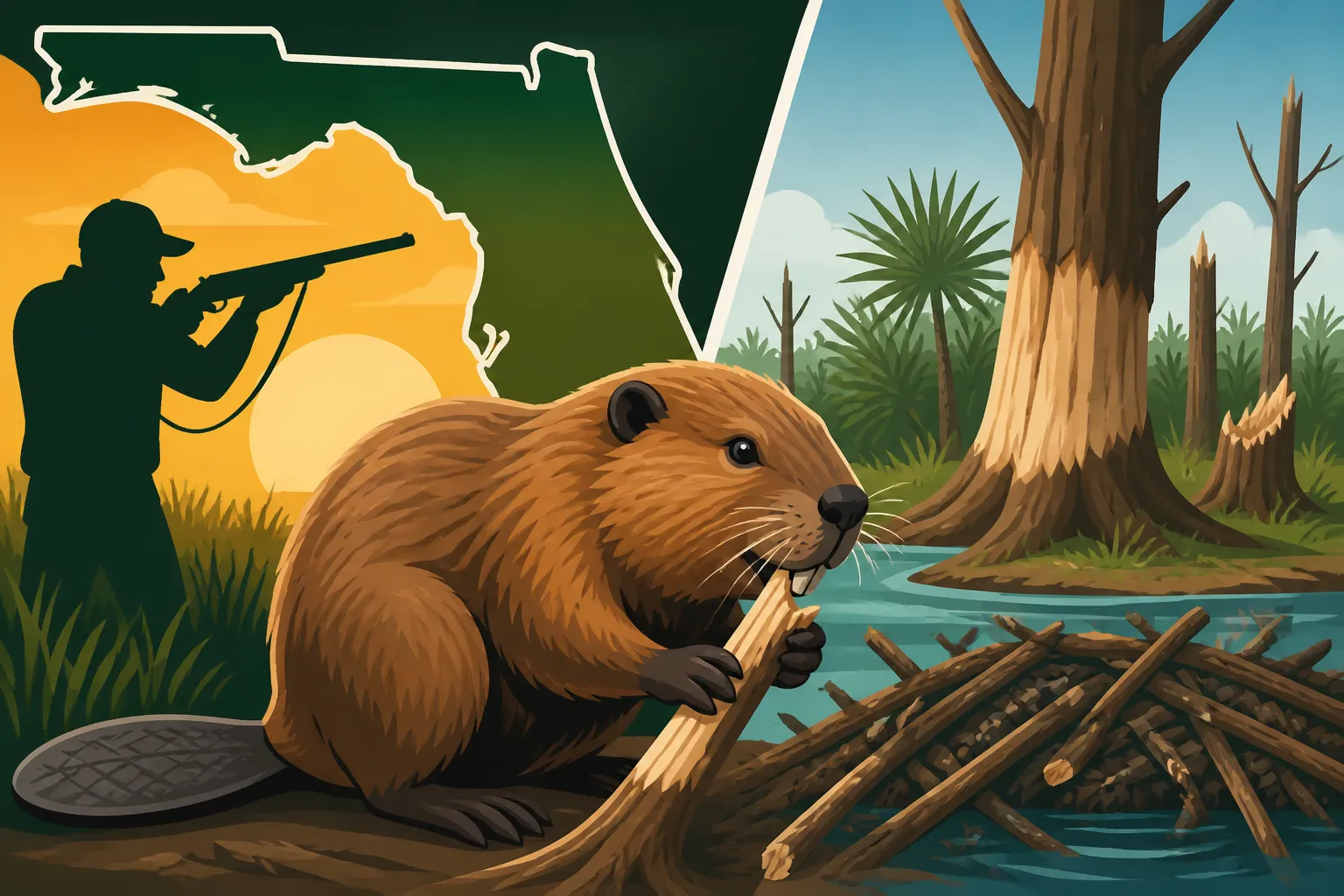
Beavers don't just build dams; they also cut down trees, and not just small saplings. They're capable of felling mature trees, often preferring species like sweetgum, willow, maple, and even pine, which they use for food, dam construction, and lodge building. A stand of valuable timber, planted for future harvest, can be decimated by a beaver colony in a relatively short period. They girdle trees, chew them down, and sometimes even fell them across roads or fences, creating additional hazards and cleanup costs.
For agricultural producers, the damage extends beyond flooding. Beavers will feed on certain crops if accessible, but their primary impact is often indirect: through flooding, they make fields unplantable or ruin harvests. Young fruit trees or ornamental plants near water sources are also at risk. The financial implications can be substantial, making beaver control a critical aspect of land management for many Florida operations. Knowing Which Counties Have the Most Hogs can sometimes overlap with areas of high beaver activity, as both thrive in certain wetland or agricultural fringe habitats.
Ecosystem Alteration and Indirect Effects
Beaver activity fundamentally alters aquatic and riparian ecosystems. Their dams create ponds and wetlands, which can be incredibly beneficial for certain wildlife species, such as waterfowl, amphibians, and fish. These impoundments can increase biodiversity and create new habitats. However, these changes aren't always desirable from a human perspective. Flooding can kill valuable mature timber, converting forest into open water or marshland, which might not align with a landowner's management goals.
Furthermore, altered hydrology can affect water quality, nutrient cycling, and sediment transport in downstream areas. Increased standing water can also contribute to mosquito populations, which is always a concern in Florida. While beavers are a keystone species that create habitat, their localized effects can sometimes lead to an ecological imbalance that requires careful management to protect specific land uses or existing ecosystem types. Understanding these broader impacts is essential for holistic wildlife management.
Managing Beaver Damage in Florida
Dealing with nuisance beavers requires a multi-pronged approach, balancing legal regulations, effective control methods, and sometimes, a desire for coexistence. It's not always about eradication, but often about mitigation and managing their presence to minimize conflict.
Legal Considerations for Beaver Control
Before you start any beaver control efforts, it's absolutely critical to understand Florida's regulations. Beavers are classified as furbearers in Florida, but they can be taken year-round on private lands by a landowner or their agent without a permit if they are causing damage to property. This provision is vital for prompt response to nuisance issues. However, when it comes to public lands, or if you intend to trap and sell pelts, more stringent rules apply. A Florida trapping license is required for commercial harvest, and specific seasons for furbearers like Florida Fox and Bobcat Trapping Season exist. For general nuisance control on your own land, the rules are more lenient, but it's always best to consult the Florida Fish and Wildlife Conservation Commission (FWC) regulations or their website to ensure compliance. Ignorance of the law is never an excuse.
If you're looking into professional help, make sure your chosen trapper or nuisance wildlife operator is properly licensed. There's a lot of helpful information on understanding habitat and legal aspects of trapping that can be found through resources like GoHunt, which often have sections dedicated to regulations in various states.
Lethal Control Methods
When beavers are causing significant, ongoing damage, lethal control methods are often the most direct and effective solution.
Trapping
Trapping is by far the most common and effective method for removing nuisance beavers. Body-gripping traps, such as Conibear-style traps, are highly effective when placed correctly in runways, dam breaches, or lodge entrances. Snares can also be used, particularly in underwater sets or where other traps might be difficult to conceal. Live traps are less common for beavers due to their size and the difficulty of relocating them (relocation is often illegal and simply moves the problem to another location). Professional trappers understand beaver behavior and habitat, ensuring traps are set safely and efficiently. Trapping Florida Furbearers provides a good overview of general trapping principles, many of which apply to beavers. The key to successful trapping is persistent effort and a deep understanding of the animal's habits. This isn't a "set it and forget it" endeavor; it requires regular checking and adjustments.
Shooting
Shooting can be an option for beaver control, particularly at night with the aid of artificial lights, where legal. This typically requires spotlights and accurate marksmanship, often from a boat or a concealed position near an active dam or feeding area. However, discharging firearms carries significant safety considerations and often requires specific permits or adherence to local ordinances, especially if the property is near residences or public access points. It's usually more practical for isolated populations or as a supplementary method to trapping. Remember, specific rules about Florida Firearms Discharge Setback Rules apply. Shooting is generally less effective for widespread population control compared to trapping, as beavers are largely nocturnal and can be wary.
Non-Lethal Deterrents and Exclusion
Sometimes, lethal control isn't the first choice, or it needs to be combined with other strategies. Non-lethal methods focus on deterring beavers or excluding them from specific areas.
Flow Devices
These innovative solutions, sometimes called "beaver deceivers" or "pond levelers," allow water to flow through a beaver dam or culvert at a controlled rate, preventing flooding while allowing the beavers to remain in the area. These devices typically involve a perforated pipe placed through the dam, protected by a fence or cage that prevents beavers from plugging it. While they can be expensive and labor-intensive to install initially, flow devices offer a long-term solution to prevent recurrent flooding without having to remove beavers constantly. They are particularly useful in areas where beaver benefits (like wetland creation) are desired, but the flooding impact needs to be managed.
Fencing and Tree Protection
To protect individual trees or small stands, fencing can be an effective deterrent. Wrapping the base of trees with heavy-gauge wire mesh (like hardware cloth) up to about 3 feet high can prevent beavers from gnawing on them. For larger areas or sensitive crops, perimeter fencing can be installed, though this becomes much more costly and difficult, especially in wetland environments. Fencing needs to be robust and deeply set to prevent beavers from burrowing under it. Chemical repellents are generally not effective against beavers, as their drive to build and eat is too strong. When combined with understanding their movement patterns, which can be gleaned from tools like GoHunt's satellite imagery, fencing can be strategically deployed.
Here's a quick comparison of common beaver control methods:
| Method | Pros | Cons | Best Use Case |
|---|---|---|---|
| Trapping (Lethal) | Highly effective for population reduction | Requires skill, knowledge of regulations, and time; potentially controversial | Direct removal of problem beavers, widespread population control |
| Shooting (Lethal) | Quick removal of visible animals | Limited to specific conditions, safety concerns, less effective for long-term population control | Opportunistic removal, supplementary to trapping |
| Flow Devices (Non-Lethal) | Prevents flooding, allows beaver presence, long-term | High initial cost and installation effort; beavers may still try to plug them | Managing water levels where beaver habitat is desired or removal is difficult |
| Fencing/Tree Wraps (Non-Lethal) | Protects specific assets, environmentally friendly | Can be costly for large areas, requires maintenance, not effective for widespread flooding | Protecting individual trees, culverts, or small high-value areas |
Remember that persistent monitoring and adaptation are key to any successful beaver management plan. Beavers are incredibly persistent, and what works one season might need adjustment the next. Integrating strategies and routinely checking for new activity is crucial for keeping their impact under control. Learning about Running a Trapline in Rural Florida can offer further insights into managing furbearer populations effectively.
Disclaimer
This article is for general informational purposes only and does not constitute professional advice. Laws, prices and regulations vary by location and change over time. Consult a qualified professional for guidance on your specific situation.