Florida Turkey Gobbling Activity Timing
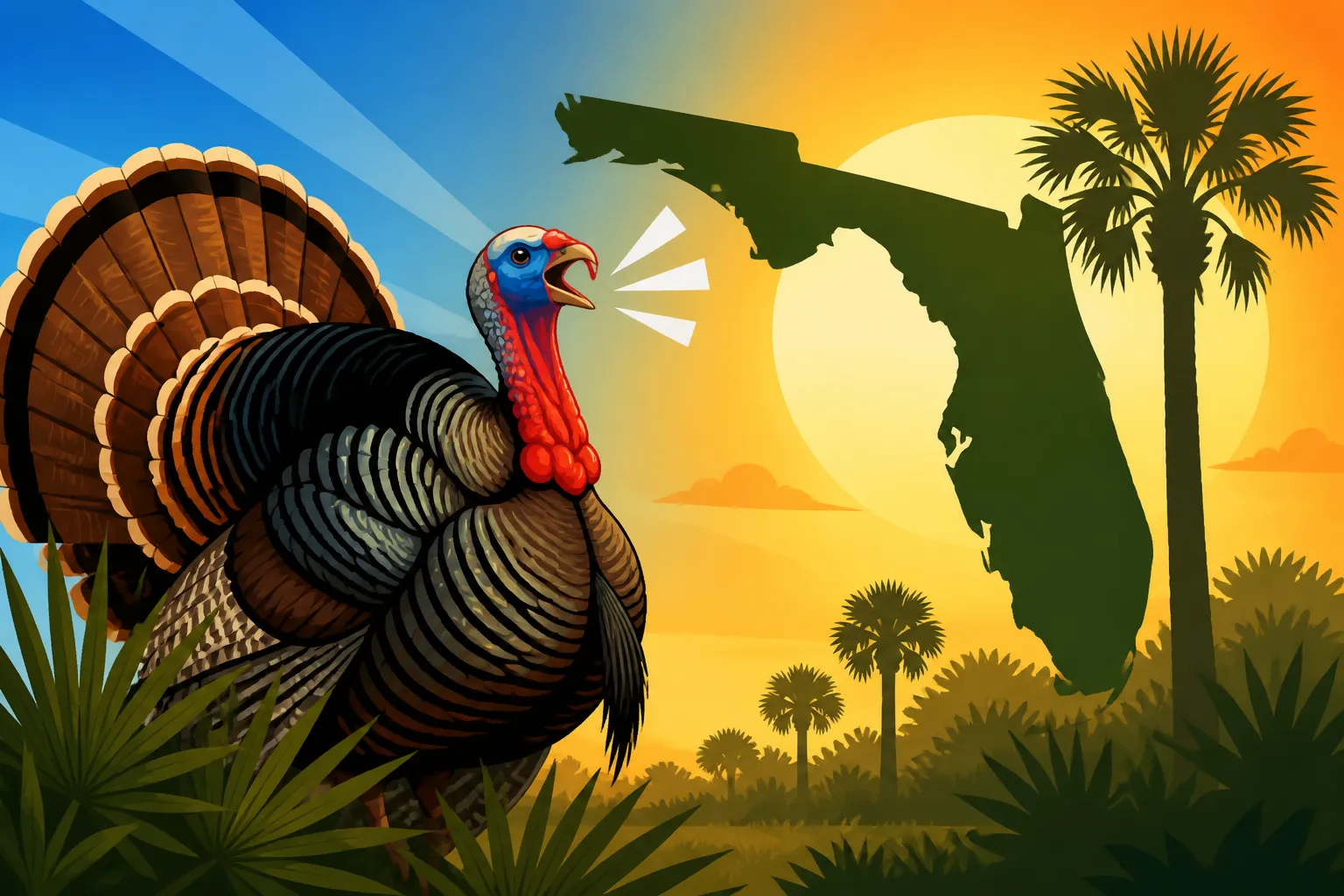
One of the biggest frustrations for turkey hunters, especially here in Florida, is trying to pinpoint when those gobblers are actually going to sound off. You can scout for weeks, find fresh sign, and then sit in your blind at dawn, only to hear nothing but the chirping of crickets. It’s enough to make you pull your hair out! Understanding the nuances of Florida turkey gobbling activity – when it peaks, when it fades, and what influences it – can make all the difference between a silent, frustrating morning and a successful, thrilling hunt. This guide is going to dive deep into the factors that dictate when and why Florida gobblers decide to make some noise, helping you plan your hunts more effectively and adapt to real-time conditions in the field.
The Rhythm of the Florida Spring: Gobbling Peaks and Plateaus
Florida's turkey seasons, particularly for the elusive Osceola and robust Eastern subspecies, are unique. We often get an earlier start than many other states, meaning our gobbling patterns can also differ. It's not just a switch that flips; it's a gradual build, a peak, and then a slow decline, all influenced by the birds' biological clock and the changing environmental conditions around them.
Early Season Excitement: February and Early March
When the season first opens, especially in our southern Osceola zones, there's often a burst of gobbling activity. The long wait is over, and these birds, having been relatively undisturbed, are keen to announce their presence. This early window is often characterized by a lot of "roost gobbling" – birds sounding off intensely right before they fly down from their night perches. They're establishing dominance and trying to attract hens that are just starting to come into their breeding cycles.
During this time, gobblers might be with hens early in the morning, making them less responsive to calls once they hit the ground. However, as the morning progresses and hens begin to slip away to nest or feed, the gobblers might become lonely and start actively searching, increasing their gobbling throughout the mid-morning. It's a fantastic time to be in the woods, but you need to be strategic. Sometimes, a well-placed decoy or a subtle call can pull a bird away from his harem, especially if he thinks he's intercepting a new hen. Remember, those first few weeks are often prime, as birds haven't been pressured heavily yet.
Peak Gobbling: Mid-March to Early April
This is often considered the sweet spot for gobbling activity across much of Florida, particularly when the majority of hens are laying eggs or sitting on nests. When hens are preoccupied, gobblers find themselves more solitary and are therefore more eager to gobble, hoping to locate any available receptive hens. This period is when you'll hear the most consistent and aggressive gobbling throughout the morning.
Birds are more likely to respond to calls, venture into open fields, and commit to setups. The urgency in their calls is palpable, reflecting their strong desire to breed. You'll likely hear gobblers sounding off from the roost, continuing to gobble on the ground, and even intermittently throughout the late morning and early afternoon as they cruise their territories. This is when patience and strategic calling, perhaps with a touch more aggression, can really pay off. It's the time many hunters dream of, and it’s why good scouting with tools like the GoHunt app to mark roost sites is so crucial before the season. Florida Osceola Spring Season Dates and Florida Eastern Spring Season Dates will show you exactly when these peak opportunities generally fall.
Late Season Lull and Secondary Peaks: Mid-April Through May
As spring progresses into late April and May, gobbling activity can become more sporadic. Many hens are now fully committed to nesting, and the initial breeding frenzy has waned. Gobblers might still be present, but they become "henned up" more easily, meaning they spend less time alone and are less inclined to gobble on their own. This is when you might hear the dreaded scenario where a gobbler sounds off once or twice on the roost, flies down, and immediately shuts up because he's joined a group of hens.
However, don't despair! Late season can still offer fantastic hunting, often presenting a "secondary peak" in gobbling. As some hens finish their first clutch of eggs and potentially become receptive again, or if they lose a nest and re-nest, gobblers can get a second wind. These birds might be harder to locate, and their gobbling can be more subtle, requiring more persistent calling or aggressive run-and-gun tactics to cover ground and find a lonesome tom. This is also When Osceola Gobblers Go Quiet in April explains how to adjust your strategy. You'll need to work harder, but the reward of a late-season gobbler is incredibly satisfying.
Environmental Factors and Their Influence on Gobbling
It’s not just the calendar that dictates when a turkey gobbles. Our Florida weather, often unpredictable, plays a huge role. Understanding how factors like temperature, precipitation, and even wind can affect a gobbler’s vocalizations will help you anticipate their behavior and adapt your hunting plan.
Weather: The Unpredictable Conductor
Clear, Calm Mornings: These are universally loved by turkey hunters, and for good reason. Calm, clear mornings with light winds and rising temperatures are often synonymous with increased gobbling. The sound carries further, and birds feel more secure sounding off when they aren't battling wind or rain. When the air is still, a gobbler's deep "gobble-obble-obble" echoes across the flatwoods, making it easier to pinpoint his location. This is often when a bird will gobble repeatedly from the roost, giving you plenty of time to set up.
Cold Fronts and Temperature Drops: A sudden cold snap can definitely put a damper on gobbling. Turkeys, like most wildlife, respond to significant weather changes. A sharp drop in temperature can make them less vocal, more concerned with feeding or seeking shelter. However, after a cold front passes and high pressure moves in, the days following can sometimes be exceptional. Once the immediate chill subsides and the sun warms things up, turkeys can become very active and vocal, almost making up for lost time. Don't let a frosty morning scare you away; that afternoon or the next day could be stellar.
Rain, Wind, and Fog: Generally, these conditions suppress gobbling. Heavy rain makes birds less likely to gobble, and it also makes it harder for them to hear. Strong winds can drastically reduce how far a gobble carries, frustrating both the bird trying to attract a hen and the hunter trying to locate him. On windy days, gobblers might still be vocal, but they'll often gobble less frequently and their calls won't travel as far. You'll need to be closer, and often use louder, more aggressive calls to cut through the wind. Fog, while beautiful, can also muffle sound, making pinpointing a bird difficult. If you're out in these conditions, focus on visual cues, use your knowledge of turkey travel routes, and be prepared for closer encounters.
| Condition | Gobbling Activity Level | Notes |
|---|---|---|
| Clear, Calm, Mild Temp | High | Optimal conditions; gobbling from roost, consistent on ground. |
| Light Wind | Moderate to High | Gobbling present but slightly reduced; calls may not carry as far. |
| Heavy Wind | Low | Significantly reduced gobbling; birds seek shelter, harder to hear. |
| Cold Front (During) | Low | Birds often shut down; prioritize feeding/shelter. |
| Cold Front (After) | Moderate to High | Often a burst of activity as conditions stabilize. |
| Light Rain | Low to Moderate | Intermittent gobbling, often muted; focus on visual. |
| Heavy Rain | Very Low | Almost no gobbling; birds hunkered down. |
| Fog | Moderate | Gobbling present but muffled; difficult to pinpoint direction. |
Hunting Pressure: The Silent Inhibitor
Here in Florida, especially on public land, hunting pressure is a very real factor that impacts gobbling activity. A gobbler that has been called to, missed, or spooked multiple times by hunters will quickly become "call shy" or simply stop gobbling altogether. He learns that making noise often leads to trouble.
Public Lands vs. Private Lands: On WMAs and other public access areas, gobblers might be less vocal because they've heard it all before. They might gobble once or twice on the roost, then hit the ground and go completely silent, hoping to slip away unnoticed. This requires a much different hunting strategy, often involving more patience, aggressive scouting, and sometimes even running and gunning to find unpressured birds. Tools like GoHunt's mapping features can help you identify areas with less obvious access, potentially leading to less pressured birds. Hunting Pressure on Florida Public Land is a good read for developing tactics here.
Adapting to Pressure: If you're on heavily hunted land, don't expect the birds to gobble their heads off all morning. Focus on subtle calling, letting the bird come to you, or setting up on known travel corridors without calling at all. Sometimes, the silent approach is the deadliest. A smart gobbler that rarely gobbles might still be receptive to a hen walking past him or a soft series of yelps that sounds realistic and non-threatening. Remember, even if they aren't gobbling, they're still turkeys, and their instincts are still there.
Time of Day: When to Expect the Most Action
Gobbling isn't a constant throughout the day; it ebbs and flows with the sun. Understanding these daily patterns is key to being in the right place at the right time and maximizing your chances of a successful hunt.
Roost Gobbling: The Dawn Chorus
This is arguably the most exciting part of turkey hunting. Just before and after daylight, while still on the roost, gobblers will sound off with booming calls. They're announcing their presence to the world, establishing their pecking order, and trying to gather hens before flying down. This is your primary opportunity to pinpoint a bird's location.
You want to be in your setup, or at least in the general vicinity, well before first light. Listen intently, try to determine which way the bird is facing, and how many are gobbling. Sometimes, a series of soft tree yelps from your call can even get a roosted bird to gobble, confirming his position. But be careful not to overcall. Once a bird flies down, the dynamic changes entirely. Your goal during roost gobbling is primarily location and strategic setup for when he hits the ground. Calling an Osceola Off the Roost offers more insights here.
Mid-Morning Movement: The Search for Lonely Hens
After flying down, gobbling can continue for a while, especially if the gobbler is alone or trying to pull hens away from rivals. As hens eventually leave to go about their daily routines of feeding and nesting, the gobbler often finds himself alone and becomes more vocal again. This mid-morning period, roughly from 8:00 AM to 11:00 AM, can be incredibly productive.
Gobblers will travel more, search more actively, and be more responsive to calls during this time. They're often covering ground, looking for any receptive hen they might have missed. This is a great time for "run-and-gun" tactics, where you move, call aggressively for a few minutes, listen, and if nothing responds, move again. You're effectively trying to intercept a lonely gobbler on his rounds. Don't give up after the early morning; many birds are harvested between these hours.
Afternoon Intermittence: The Sporadic Sound Off
As the day progresses into the early afternoon, gobbling tends to slow down significantly. The sun is higher, temperatures are warmer, and the initial breeding urgency has often passed. However, it's not impossible to hear a gobble. A gobbler might sound off intermittently, especially if he's cruising an area he hasn't checked, hears another bird, or gets a sudden urge.
If you're hunting later in the day, consider setting up near food sources, water, or known strutting zones. Don't expect a lot of noise, but be ready if a bird decides to speak up. Sometimes, a soft, seductive series of calls can tempt a bird that wouldn't respond to aggressive calling. The key is persistence and knowing that while less frequent, those afternoon gobbles can still lead to a shot opportunity.
Evening Roosting: The Last Call
Just before sundown, as gobblers prepare to fly back up to their roost trees, you might hear a final flurry of gobbling. Similar to the morning, they're often announcing their presence and location as they settle in for the night. This is a prime time for scouting for the next morning's hunt.
Being in the woods during this period allows you to pinpoint roost trees, understand travel patterns to the roost, and get an idea of where birds will be at first light. You won't typically hunt during this time, but it's invaluable information. Knowing exactly where a gobbler roosts can give you a significant advantage the following morning, allowing you to set up perfectly before he even leaves his branch. Remember, sometimes the best hunting starts the day before!
Strategies for Different Gobbling Scenarios
Since gobbling activity is so dynamic, having a flexible strategy is crucial. You can't just hunt the same way every time and expect consistent success. Being able to adapt to what the turkeys are telling you – or not telling you – is a hallmark of a good Florida turkey hunter.
When They're Gobbling Their Heads Off
This is the scenario every turkey hunter dreams of! When birds are hot and vocal, you have a distinct advantage. Your primary goal is to get into a position where you can intercept the bird, usually by calling him to your setup.
- Aggressive Setup: If a bird is gobbling hard from the roost, try to get as close as safely possible without spooking him. Set up your decoys (if using them) in a visible spot.
- Reading the Response: Call sparingly at first. Let the gobbler tell you how interested he is. If he's cutting off your calls, he's hot. Increase your calling intensity if needed, but always let him dictate the conversation.
- Patience is Key: Even if he's gobbling constantly, he might be hanging up just out of sight, waiting for the "hen" (you) to come to him. Be patient, stay still, and be ready. If he stops gobbling, don't panic; he might be coming in silently.
When They're Gobbling Sparingly or Hung Up
This is a much more common scenario, especially later in the season or on pressured public lands. The bird is gobbling, but he's not committing, or he's gobbling far away and not moving towards you. This is where you need to be smart.
- Move and Locate: If a bird is gobbling sporadically and not getting closer, try to reposition. Use the terrain to your advantage to close the distance without being seen. Sometimes, changing your angle or simply getting 50-100 yards closer can make all the difference. Run-and-Gun Turkey Tactics on Florida Public Land is a great resource for this.
- Subtle Calling: When a bird is hung up, often less is more. Switch to softer, more seductive calls. A few soft purrs or clucks can sometimes seal the deal when aggressive yelping has failed. Make him think the hen is losing interest and moving away.
- Decoy Play: If you're using decoys, consider repositioning them to be more visible or to create a different scenario. Sometimes a jake decoy can really tick off an older gobbler that's hung up. Decoy Placement for Pressured Osceola Birds goes into detail on how to make this work.
- Circle and Flank: If you know where a gobbler is and he's completely hung up, consider circling wide around him to get ahead of his likely travel path. Turkeys often have predictable routes, and if you can get in front of him, you might get a shot as he passes. Use satellite imagery on a mapping app like GoHunt to find these potential routes and plan your move.
When They're Silent
The most challenging scenario: nothing is gobbling. This doesn't mean there are no turkeys, it just means you need to adjust your approach dramatically.
- Scout Aggressively: If you're not hearing anything, switch to scouting mode. Look for fresh tracks, droppings, scratch marks, and strut zones. Sometimes finding fresh sign is the best way to locate silent birds.
- Blind Calling/Cold Calling: Move slowly through promising habitat and stop every 100-200 yards to make a series of calls. Listen intently for a response, even a faint one. You're trying to shock a silent bird into gobbling or to simply pique his curiosity enough to come investigate.
- Patience in Known Areas: If you know turkeys are in an area from prior scouting, set up and be patient. Sometimes a silent bird will simply appear. Focus on areas with good cover, food, and water where a bird might naturally pass through.
- Roosting Birds at Evening: As mentioned, spending the evening listening for fly-up gobbling can tell you exactly where to be the next morning, even if the birds were silent all day. This is a critical scouting technique in these situations.
Understanding Florida turkey gobbling activity timing is a marathon, not a sprint. It's about learning the subtle cues, adapting to the conditions, and being persistent. Every hunt is a new lesson, but with these insights, you'll be much better equipped to crack the code of Florida's gobbling giants.
Disclaimer
This article is for general informational purposes only and does not constitute professional advice. Laws, prices and regulations vary by location and change over time. Consult a qualified professional for guidance on your specific situation.