Hunting Standing Cover Left After Harvest
Florida whitetail deer retreating from harvested corn and peanut fields into dense standing cover for daytime survival and security.
Close the distance.
Archery, muzzleloader, and firearm techniques — calling, stand placement, still-hunting, spot-and-stalk, and the weapon rules that change at the state line.
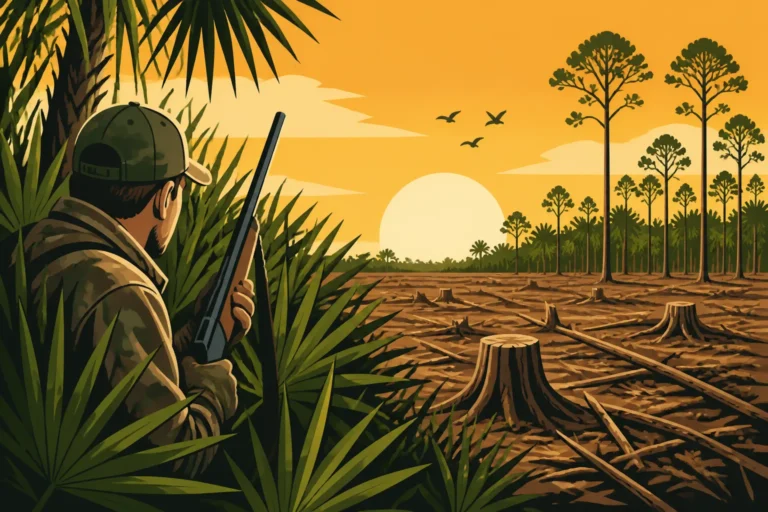
Florida whitetail deer retreating from harvested corn and peanut fields into dense standing cover for daytime survival and security.
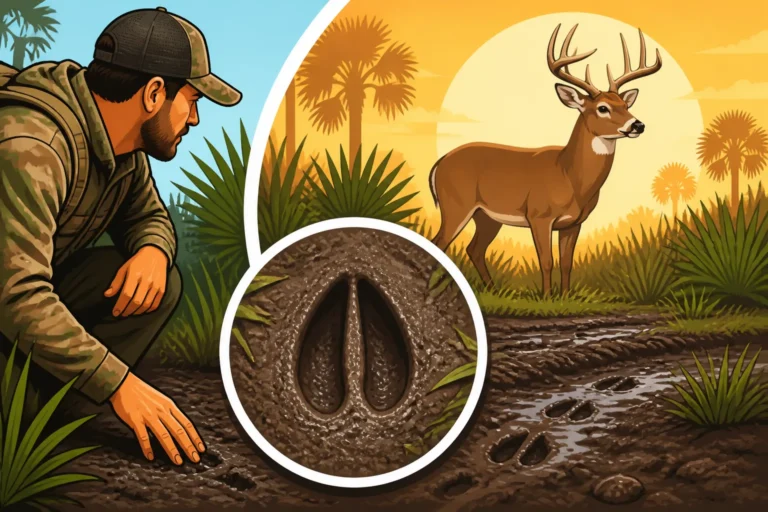
Interpreting Florida sand, clay, and muck tracks helps hunters find fresh whitetail deer movement across varied southern terrain.
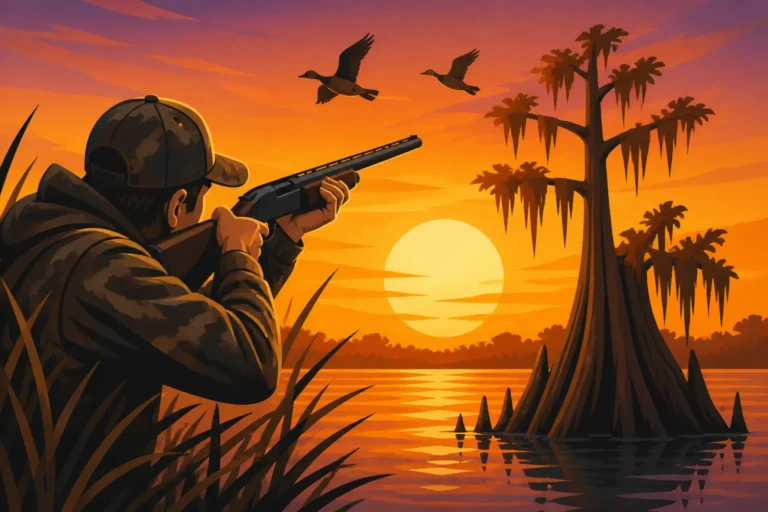
Florida cypress heads provide water, dense cover, and travel corridors, attracting deer during the final minutes before dark.
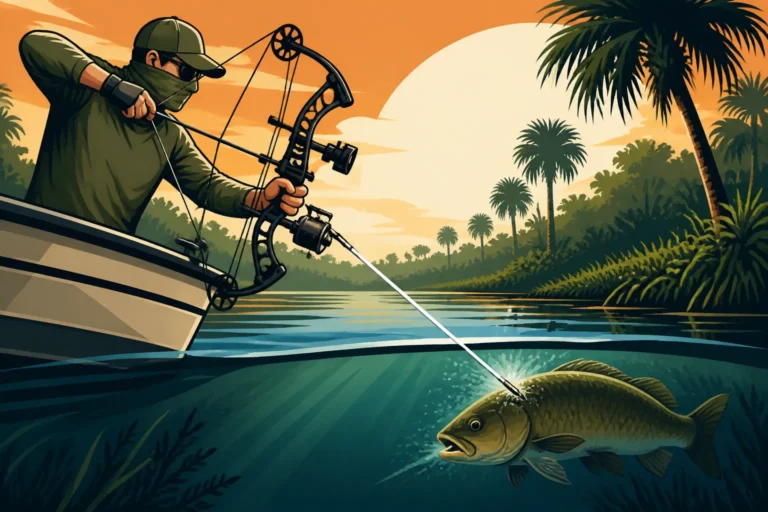
Bowfishing Florida rivers provides year-round outdoor action, targeting invasive species like common carp, tilapia, and armored catfish.
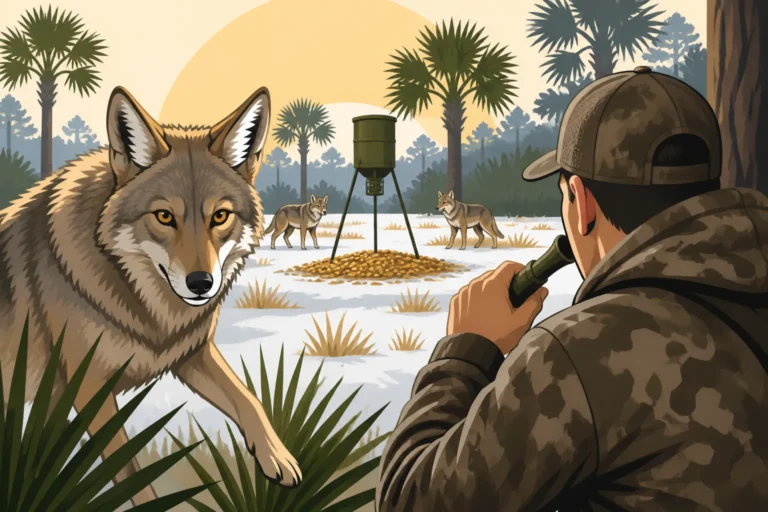
Florida coyote calling strategies help landowners protect livestock and winter feed sites from hungry predators.
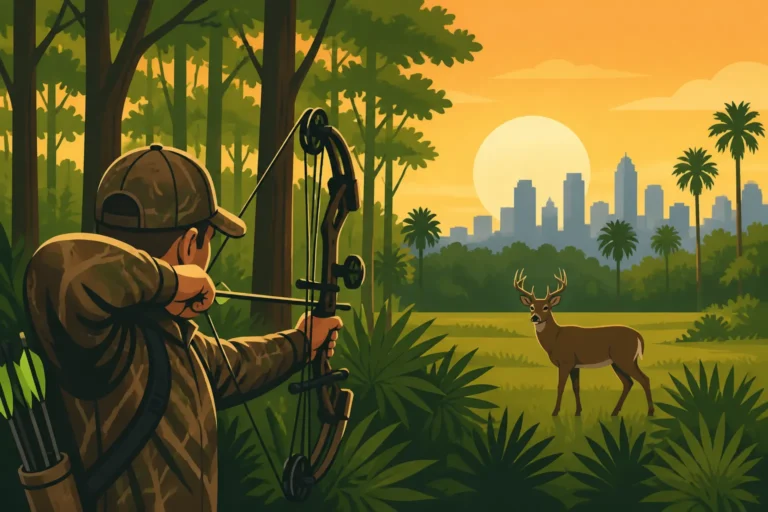
Small Orlando woodlots offer deer hunting opportunities if you map digital boundaries, scout dense cover, and target fragmented habitats.
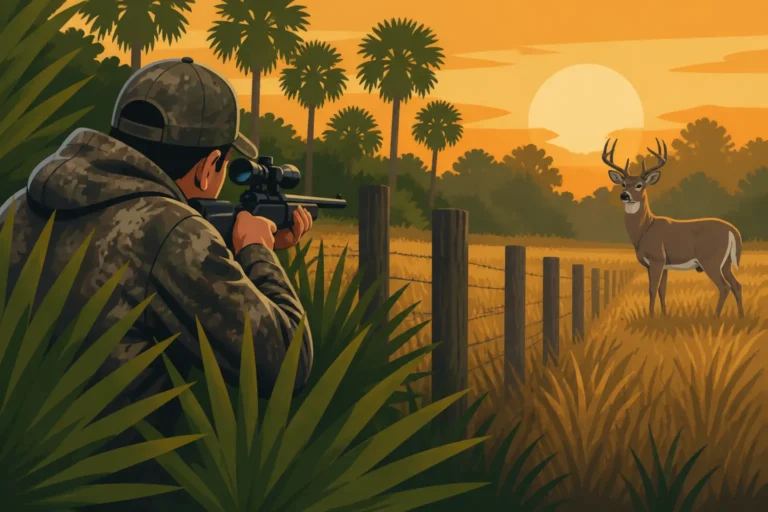
Florida fencerows provide secure cover for pressured deer, connecting bedding areas and late-season food sources during February.
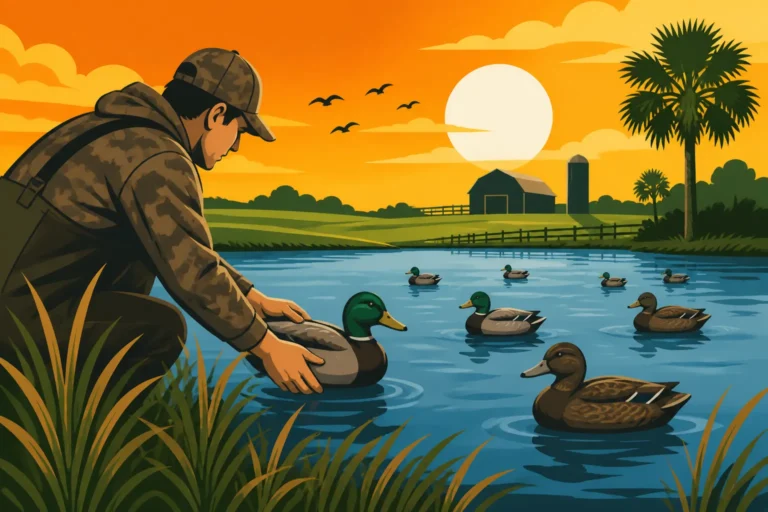
Duck decoy placement on Florida farm ponds for waterfowl hunting, explaining species selection, wind direction, and feeding habits.
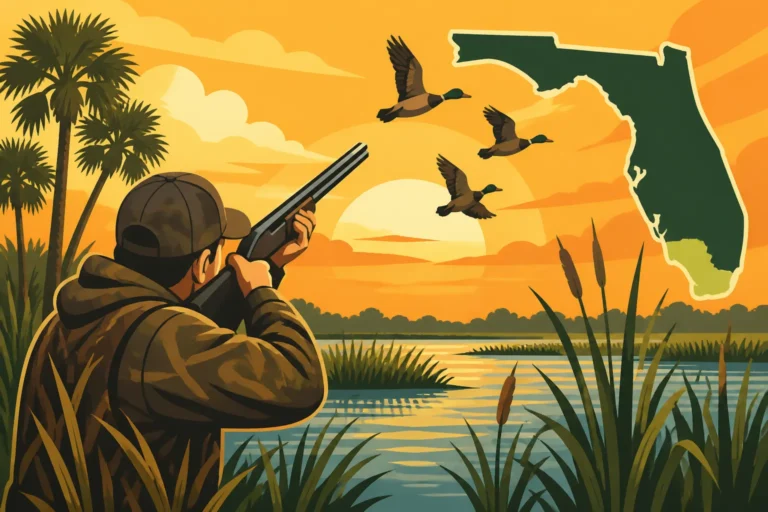
Florida Big Bend marsh hunting strategies, tides, waterfowl, white-tailed deer, and feral hog habitats for coastal hunters.
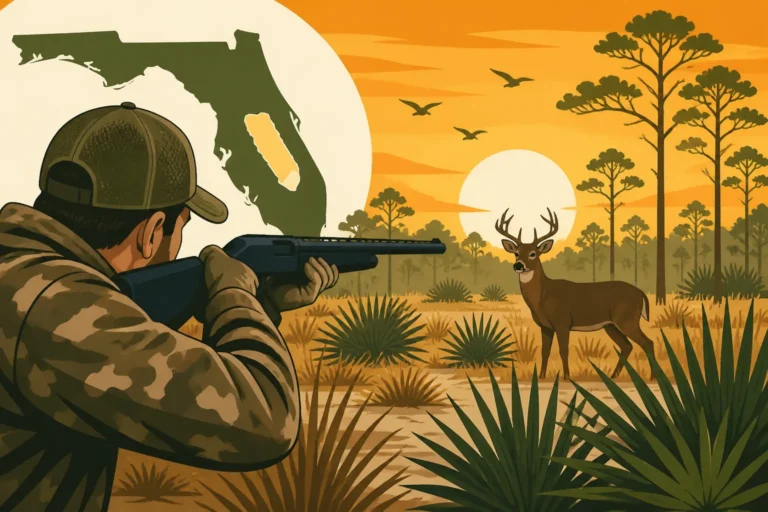
Florida Central Ridge Sandhills hunting strategies explain deer movement patterns, loose sand navigation, and rolling terrain challenges.