Sumter County Public Land for Deer
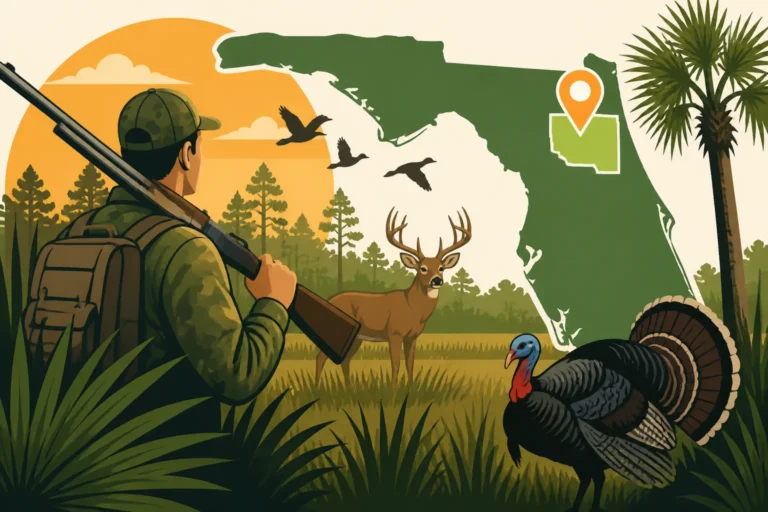
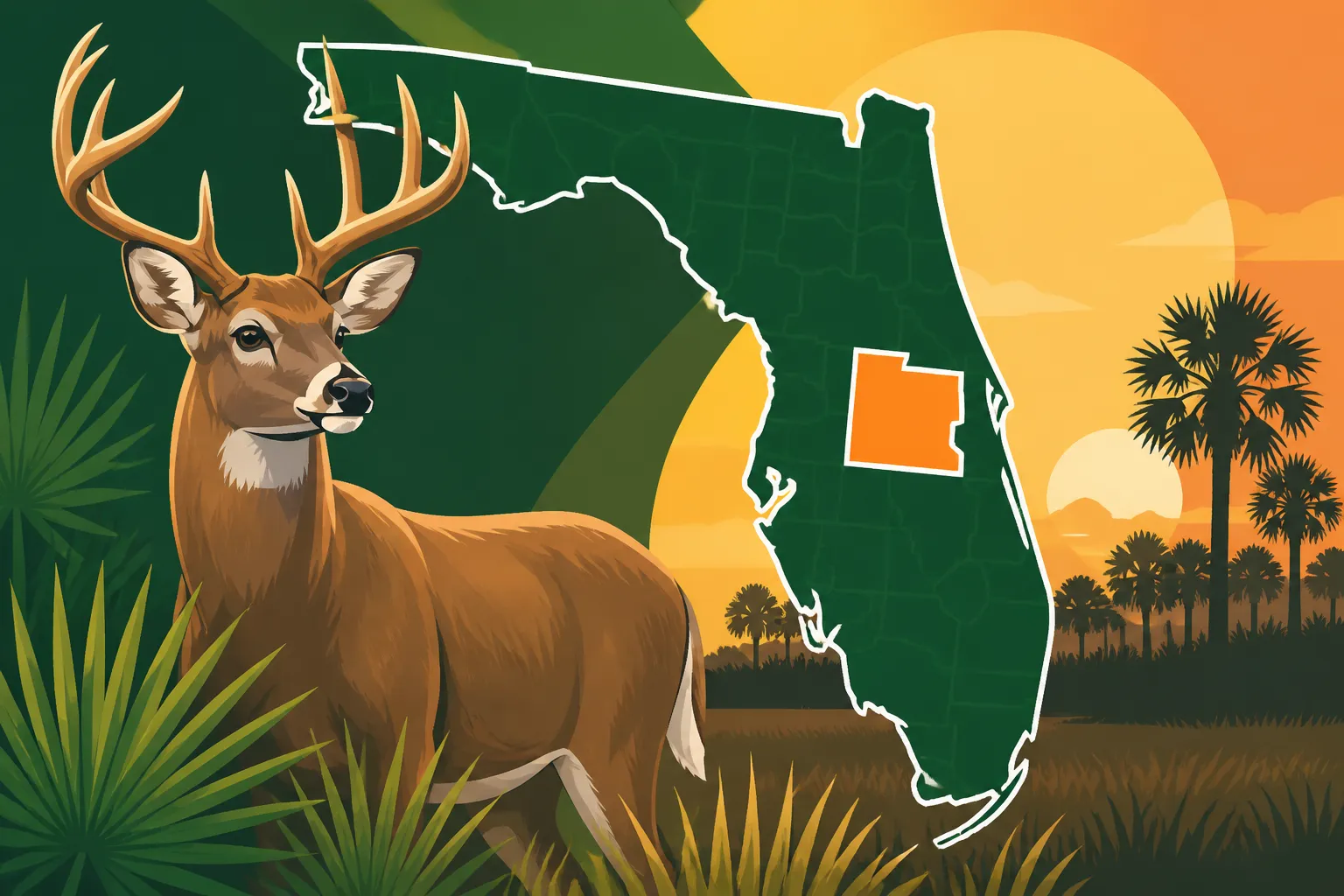
Finding viable public land for deer hunting in Florida can often feel like searching for a needle in a haystack, especially when you're looking for specific opportunities in areas like Sumter County where private land is abundant. Many hunters get frustrated with dense regulations, crowded spots, or just not knowing where to start. This guide aims to cut through that confusion, offering practical advice and insights for successfully pursuing deer on public lands within or immediately accessible from Sumter County.
Understanding Sumter County's Unique Deer Habitat
Sumter County, nestled in the heart of Florida, presents a unique blend of landscapes for deer hunters. It's not the vast, sprawling pine forests of the Panhandle or the deep, murky swamps of the Everglades. Instead, you'll find a patchwork of habitats influenced by its agricultural past and central Florida geography, which directly impacts how and where whitetails live and move.
Geographic Features and Habitat Types
Sumter County's terrain is largely characterized by gently rolling uplands, sandhills, and vast stretches of pine flatwoods. These areas are often interspersed with oak hammocks, which are vital oases of hardwoods providing crucial mast crops like acorns. You'll also encounter cypress sloughs and wetlands, particularly along creek bottoms and in lower elevations, which act as natural travel corridors and bedding areas, especially during drier periods. The agricultural influence means deer often live on the edges of large fields of citrus, row crops, or cattle pastures. This mosaic creates a dynamic environment where deer adapt their movements and feeding patterns to the seasonal availability of food and cover. Understanding these distinct habitat types is the first step in successful scouting. For instance, knowing when and where acorns drop in an oak hammock can be far more productive than still-hunting through a vast, featureless pine plantation, especially after a poor mast crop year.
Deer Behavior in Sumter's Environment
The whitetail deer in Sumter County, much like the rest of central Florida, are hardy, adaptable creatures. Their behavior is heavily dictated by food availability, water sources, and cover, all within the context of Florida's generally warm climate. Unlike northern deer that bulk up for harsh winters, Florida deer are constantly seeking palatable browse and water. During the hotter parts of the year, their activity will naturally shift towards dawn and dusk, seeking the cooler temperatures and less harassment from insects. The rut in this region typically falls later than in some northern states, often peaking in late summer or early fall, which means hunters need to adjust their tactics accordingly. Bucks will rub trees and make scrapes along the edges of these varied habitat types—like where a pine flatwoods meets an oak hammock, or along the dense cover of a cypress head. Knowing the general timing of the local rut is critical for effective stand placement and calling strategies. When the Florida Rut Peaks by Zone is a great resource to understand these local variations.
Navigating Public Hunting Opportunities in Sumter County
While Sumter County might not boast vast federal lands like the Ocala National Forest, it does offer access to public hunting opportunities through various Wildlife Management Areas (WMAs). These areas are managed by the Florida Fish and Wildlife Conservation Commission (FWC) to provide recreational hunting, and they often require specific permits and adherence to unique regulations.
Key Wildlife Management Areas in or Near Sumter County
For deer hunters targeting Sumter County, the primary public hunting opportunities often revolve around the Richloam Wildlife Management Area and the Green Swamp Wilderness Preserve. These WMAs are not directly in Sumter County but are immediately adjacent and offer the most substantial public land access for deer.
- Richloam Wildlife Management Area: While a good portion of Richloam lies in Pasco and Hernando counties, its northern reaches are quite accessible from Sumter and share similar habitat characteristics. Richloam is known for its pine flatwoods, cypress swamps, and oak hammocks. It's a large WMA, offering plenty of room to roam, but it can also experience significant hunting pressure, especially on opening day. Hunters looking for a challenge will find it here, tracking deer through the dense palmetto and wading through wet areas after a good rain.
- Green Swamp Wilderness Preserve: This vast preserve, a significant portion of which is in Polk and Pasco counties, also has sections very close to Sumter. It's a truly wild area, living up to its "swamp" name, with extensive wetlands, cypress domes, and hydric hammocks. Deer hunting here is often a physically demanding endeavor, requiring hunters to be prepared for wet conditions and thick cover. The deer here are masters of their environment, often smaller-bodied but incredibly elusive. Hunting Florida's Green Swamp is an excellent read if you're considering this challenging but rewarding area.
Access to these WMAs is typically via designated entrances and graded roads, though some interior roads might require a high-clearance vehicle, especially after heavy rains. It's always wise to check the FWC website for current road conditions and any area closures before heading out.
Understanding WMA Regulations and Quota Hunts
WMAs operate under specific regulations that often differ from statewide rules. This is where many hunters, especially those new to Florida public land, can get tripped up. Most WMAs require a WMA Management Area Permit in addition to your standard Florida hunting license. Furthermore, many WMAs, including parts of Richloam and Green Swamp, implement quota hunt systems for deer. This means that access during certain hunt periods is limited to a specific number of hunters who have successfully applied for and drawn a permit.
Applying for these quota hunts involves a lottery system and a specific application period, usually well in advance of the season. It’s crucial to pay attention to these deadlines. If you miss the application window, you might miss your chance to hunt during the most desirable times. Even if you don't draw a quota permit, some WMAs offer periods of general gun, archery, or muzzleloader season that are "walk-in" or "no quota" but still require the WMA permit. Always check the FWC WMA brochure for the specific area you plan to hunt – it's your bible for dates, legal methods, bag limits, and access rules. The Florida WMA Management Area Permit and Florida WMA Quota Permit System provide more detailed information on these critical aspects.
Utilizing Mapping Tools for Access
In the dense, often featureless terrain of central Florida's public lands, having a reliable mapping tool is an absolute game-changer. Services like onX Hunt and GoHunt provide invaluable layers that can help you understand property lines, identify different habitat types, and navigate unfamiliar territory with confidence.
These apps allow you to:
- Identify Public vs. Private Land: This is perhaps their most critical function. With just a glance, you can see exactly where public land ends and private property begins, preventing accidental trespassing, which is a serious issue.
- Scout from Afar: Before you even set foot in the woods, you can use satellite imagery to identify potential bedding areas, travel corridors, water sources, and food plots or mast trees. Look for fingers of dense cover, creek drainages, or edges where different habitat types meet. Reading Aerial Photos for Florida Deer can teach you how to interpret what you see.
- Mark Waypoints: As you scout or hunt, you can mark specific features like rubs, scrapes, old logging roads, or your stand locations. This is incredibly helpful for finding your way back in the dark or returning to productive areas.
- Track Your Movement: The GPS functionality lets you see exactly where you've been, helping you learn the contours of the land and ensuring you don't get turned around in thick cover.
While onX Hunt is incredibly popular for its detailed property line data and various layers, GoHunt also offers robust mapping features that can assist in scouting and navigation. Both are worth exploring to see which interface best suits your needs. Using these tools effectively can mean the difference between getting lost and filling a tag, especially when trying to find those overlooked pockets of public land that receive less pressure.
| WMA Feature / Consideration | Richloam WMA (Accessible from Sumter) | Green Swamp Wilderness Preserve (Accessible from Sumter) |
|---|---|---|
| Primary Habitat Types | Pine flatwoods, oak hammocks, cypress swamps | Extensive wetlands, cypress domes, hydric hammocks, some uplands |
| Terrain Difficulty | Moderate to challenging (can be wet) | Highly challenging (very wet, dense, physically demanding) |
| Typical Game Species | Deer, hog, turkey, small game | Deer, hog, small game |
| Hunting Pressure | Moderate to High, especially early season | Moderate, but concentrated in accessible areas |
| Access Requirements | Florida Hunting License, WMA Permit, potentially Quota Permit | Florida Hunting License, WMA Permit, Quota Permit for most hunts |
| Best for Hunter Type | Experienced hunters, those seeking varied terrain | Experienced, physically fit hunters, those who embrace true wilderness |
Essential Tactics for Hunting Deer on Sumter Public Land
Public land deer hunting in Florida, especially in areas like those accessible from Sumter County, presents a unique set of challenges and rewards. The deer are smart, the cover can be incredibly dense, and you’re often competing with other hunters. But with the right approach, success is absolutely achievable.
Scouting Strategies in Sumter's Terrain
Effective scouting is paramount, and it needs to be tailored to the specific environment. Instead of just walking aimlessly, focus your efforts on identifying key deer signs and understanding how deer use the different habitat types.
- Look for Edges: Deer are edge creatures. Concentrate your scouting where different habitat types meet: the edge of a pine flatwoods and a cypress slough, a transition from thick palmetto scrub to a more open oak hammock, or the boundary of public land and private agricultural fields. These edges serve as both travel corridors and feeding areas.
- Find Water Sources: In Florida's heat, water is always a draw. Locate natural seepages, shallow ponds, or even drainage ditches within the WMA. Deer will visit these regularly.
- Identify Food Sources: During the fall, acorns are king in oak hammocks. After a cold front, deer will hit these hard. Look for freshly dropped acorns and signs of deer rooting around for them. In areas bordering agriculture, deer will slip into fields at night, so focus on the trails leading into and out of these areas.
- Seek Out Cover: Florida deer love thick stuff. Palmetto heads, dense young pines, and cypress swamps offer excellent bedding cover. Focus on finding trails leading into and out of these sanctuaries, particularly in the mornings and evenings. Where Florida Bucks Bed in Thick Palmetto will give you more insight into these bedding habits.
- Scrapes and Rubs: While not always indicative of an active buck during early season, fresh scrapes and rubs become incredibly important closer to the rut. Look for these along well-used trails and in transition zones. Scrape Lines Along a Sand Road are often easily identifiable and can tell you about recent buck activity.
Pre-season scouting, hiking deep into potential areas, and observing without disturbing the animals will give you the best chance. Pay attention to wind direction and thermals, even in flat Florida terrain, as these subtle shifts can give you away.
Stand Placement and Hunting Approaches
Once you've done your scouting, choosing the right hunting method and stand location is crucial. Given the dense cover and often challenging terrain of Sumter-adjacent WMAs, you'll need flexibility.
- Ground Blinds: These are incredibly effective in Florida. The thick vegetation often makes treestand placement difficult, and ground blinds offer excellent concealment. Brush them in well, focusing on natural materials from the surrounding area. Sit tight, be patient, and let the deer come to you, especially near food sources, trails, or water. Using a Ground Blind on Florida Public Land details how to get the most out of them.
- Still-Hunting: This is a fantastic method for covering ground and encountering deer in these diverse habitats. Move slowly, taking one or two steps, then stopping for several minutes to observe and listen. Use the dense palmetto and undergrowth to your advantage, melting into the shadows. Focus on hunting into the wind and being aware of any subtle thermals. Still-hunting along the edge of a Hunting a Palmetto Flatwoods Edge or a cypress slough can be incredibly productive.
- Treestands: While challenging to find perfect spots, treestands can still be effective, especially in more open pine or oak stands. Focus on pinch points, funnels, or areas overlooking larger openings. Just be mindful of WMA rules regarding stand placement and removal. Always practice safety and wear a harness.
No matter your method, always prioritize scent control. Florida deer have excellent noses, and the warm, humid air can carry human scent for long distances.
Adapting to Local Deer Pressure
Public land in Florida, even in larger WMAs, can see significant hunting pressure. This pressure makes deer incredibly wary and often shifts their behavior. Don't get discouraged if you encounter other hunters; instead, use it as an opportunity to adapt.
- Hunt the Thickest Cover: Most hunters will stick to easily accessible areas or slightly thinner woods. The deer, however, will retreat into the nastiest, densest cover they can find during hunting hours. Be willing to go where others won't – deep into a cypress head, through a swamp, or into a huge, impenetrable palmetto thicket. This is where you'll often find mature deer hiding out. Hunting Pressure on Florida Public Land explains this phenomenon in more detail.
- Focus on Mid-Day Movement: While morning and evening are prime times, pressured deer might move cautiously during the middle of the day in heavy cover, especially during the rut or on cloudy, cooler days. Don't be afraid to sit all day in a well-chosen spot.
- Use Calling Sparingly: Aggressive rattling or grunting might work in low-pressure areas, but on public land, it can alert other hunters or simply make wary deer even warier. If you do call, use subtle grunt calls or doe bleats, especially during the rut. Grunt Calls in a Florida Oak Hammock can be effective, but gauge the response carefully.
- Utilize Mapping Apps for Low-Pressure Spots: This is where onX Hunt or GoHunt really shine again. Look for areas deep inside the WMA that are furthest from roads, trails, or obvious access points. Often, these "hard-to-reach" spots hold less-pressured deer. Also, identify small, overlooked pockets of public land that might be surrounded by private holdings but are technically accessible. These islands of public ground can be fantastic.
By understanding the terrain, adapting your tactics, and being persistent, you can absolutely find success deer hunting on public lands around Sumter County.
Permits, Regulations, and Resources for Sumter County Hunters
Successfully hunting public land in Florida means not just knowing how to hunt, but also what you need to do legally. Ignoring regulations can quickly turn a great day into a costly mistake.
Required Licenses and Permits
Before you even step foot in the woods, ensure you have all the necessary paperwork.
- Florida Resident or Nonresident Hunting License: This is your base license. Florida offers various options, including annual and multi-year licenses. Non-residents also have short-term options. Florida Resident License Options can help you choose the right one.
- Deer Permit: This permit is required to hunt deer in Florida.
- Wildlife Management Area (WMA) Permit: As mentioned, if you plan to hunt on any WMA, this additional permit is mandatory.
- Quota Hunt Permit: If the WMA and hunt dates you choose are part of a quota system, you must have successfully drawn and possess this specific permit.
Always carry proof of your licenses and permits while hunting. Many hunters use the FWC's Fish/Hunt FL app, which allows you to store your licenses digitally on your phone.
Deer Bag Limits and Reporting
Florida has specific bag limits for deer, which can vary slightly by zone and WMA. Generally, the statewide bag limit for deer is two antlered deer per season, with specific antler point restrictions often in place, particularly on WMAs. Antlerless deer may only be harvested during specific antlerless deer seasons or under special permits. Always consult the FWC WMA brochure for the specific WMA you are hunting, as these regulations can be stricter than general statewide rules.
- Deer Reporting: It is mandatory to report any harvested deer in Florida. This can typically be done through the FWC website or the Fish/Hunt FL mobile app. You'll need to report details such as the date of harvest, county, WMA (if applicable), sex of the deer, and antler points. This data is crucial for FWC wildlife managers to monitor deer populations and make informed decisions about future seasons. Florida Deer Reporting Requirements explains this process in detail.
Crucial Resources for Sumter County Hunters
The FWC is your best friend when it comes to navigating Florida's hunting landscape.
- FWC Website: This should be your first stop for all current regulations, WMA brochures, season dates, application periods for quota hunts, and general information. The site is comprehensive and regularly updated.
- FWC Fish/Hunt FL App: Beyond just storing your licenses, this app can help you find WMAs, check regulations on the go, and report harvests. It's a powerful tool to have in your pocket.
- Local FWC Offices: Don't hesitate to call or visit a regional FWC office if you have specific questions that aren't clearly answered online. Their staff are usually incredibly knowledgeable and helpful.
- Online Hunting Forums and Communities: While not official sources, Florida hunting forums can be a great place to connect with other hunters, ask questions about specific WMAs, and learn about local conditions. Just remember to always verify information with official FWC sources.
- Florida Public Hunting Map: The FWC provides an interactive map that shows public hunting lands, their boundaries, and links to WMA brochures. This is another excellent digital tool for planning your hunt.
By staying informed and adhering to all regulations, you contribute to responsible hunting practices and ensure that future generations can enjoy the challenges and rewards of deer hunting on public lands in and around Sumter County.
Disclaimer
This article is for general informational purposes only and does not constitute professional advice. Laws, prices and regulations vary by location and change over time. Consult a qualified professional for guidance on your specific situation.