Tracking a Deer in Sandy Florida Soil
There's nothing quite like the adrenaline rush after a good shot on a Florida whitetail, followed by the stomach-dropping realization that tracking in our notoriously sandy, often sparse terrain can be a monumental challenge. Unlike the rich, loamy soils up North, Florida's sands, palmetto flats, and pine stands often offer little in the way of clear sign, making recovery an art form. This guide is dedicated to helping you master the nuanced skill of tracking a deer in sandy Florida soil, offering practical, on-the-ground advice to turn uncertainty into a successful recovery.
Immediate Aftermath of the Shot and Initial Steps
The moments directly following your shot are critical, setting the stage for either a swift recovery or a long, arduous search. Rushing in can often do more harm than good, pushing a wounded animal further and obliterating precious initial sign. It’s a test of patience, discipline, and understanding the deer’s natural instincts.
Marking the Shot Location and Direction of Travel
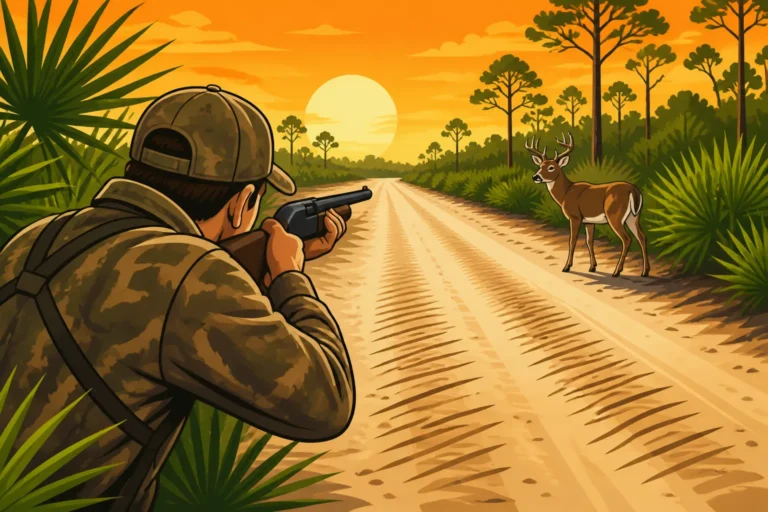
When you release that arrow or pull the trigger, your immediate mental task isn't just watching the deer, but also meticulously noting the exact spot where the deer stood when hit and its exact direction of travel. This sounds simple, but under pressure, it's easily overlooked. Look for a distinctive tree, a palmetto clump, or a specific bush near where the deer was standing. I always pick two landmarks if possible, creating a mental triangulation point. You might even drop a bright piece of flagging tape right there, or use your GPS to mark the spot.
As the deer bolts, try to follow its line of escape with your eyes and mark another landmark in that direction. Did it jump a fence line? Plunge into a thick cypress head? Knowing this initial trajectory is your first, best clue. In sandy Florida soil, where hoof prints might quickly fill with loose sand or be indistinguishable among other deer trails, having a clear idea of the "last seen" location and direction is paramount. This initial observation often saves hours of aimless wandering later. Many hunters have found success by focusing on that initial 50-100 yards, where the most visible sign is usually found before the deer regains its composure and gets sneaky.
Implementing the Waiting Period
This is perhaps the hardest part of tracking: the wait. Every fiber of your being screams to go after it, but restraint is your greatest asset. The waiting period is crucial for allowing the deer to bed down and expire. If you push a deer too soon, especially one that is not mortally wounded, it will often run much further and deeper into impenetrable cover, making your job nearly impossible.
The duration of your wait depends heavily on your shot placement. A solid lung or heart shot might mean 30 minutes to an hour. A less-than-ideal shot, like one through the liver or paunch, could require waiting 4-6 hours, or even until morning if shot late in the day. In Florida's heat, though, waiting too long can also mean spoilage. This is where experience and a critical assessment of your shot come into play. If you saw the deer stumble, tuck its tail, or heard a loud "thwack" that indicates a good hit, you might be able to shorten the wait. But if you're unsure, or suspect a gut shot, err on the side of caution. Give that deer time to lay down. Consider the local conditions; if it's warm, as it often is even in our "winter" months, be mindful of meat spoilage. Hot-Weather Sitting Strategy in Florida can be critical here.
Reading the Sign in Sandy Terrain
Florida's sandy soils and dense vegetation present unique challenges for blood trailing and track identification. You won't always have clear, dark blood on fallen leaves, nor perfectly defined prints in soft mud. It requires a different kind of detective work.
Interpreting Blood Trails in Sand and Pine Needles
Blood in Florida's sandy environment can be notoriously difficult to spot. It might soak into the sand quickly, or be diluted by dew. It won't stand out against dark, rich soil. Instead, look for slight discolorations in the lighter sand, tiny flecks on palmetto fronds, or smears on pine needles or sparse grass. Sometimes, the blood will dry quickly and turn dark, appearing almost black against the pale sand or pine straw.
When trailing, move slowly, almost painstakingly. Don't walk directly on the trail; instead, move parallel to it, scanning the ground ahead and to your sides. Get on your hands and knees if necessary. Pay attention to the type of blood. Bright red, frothy blood often indicates a lung hit. Dark red blood, especially if clotted or mixed with stomach contents, suggests a liver or gut shot. Bone fragments or hair can also provide valuable clues about shot placement. Even a single drop of blood can be a beacon, confirming you're on the right path. As you move, mark each spot of blood you find with flagging tape or a GPS waypoint. This way, if you lose the trail, you can always return to the last confirmed sign. Blood Trailing After Dark in Florida becomes a whole different ballgame, requiring specialized lighting.
Identifying Hoof Prints and Scrapes
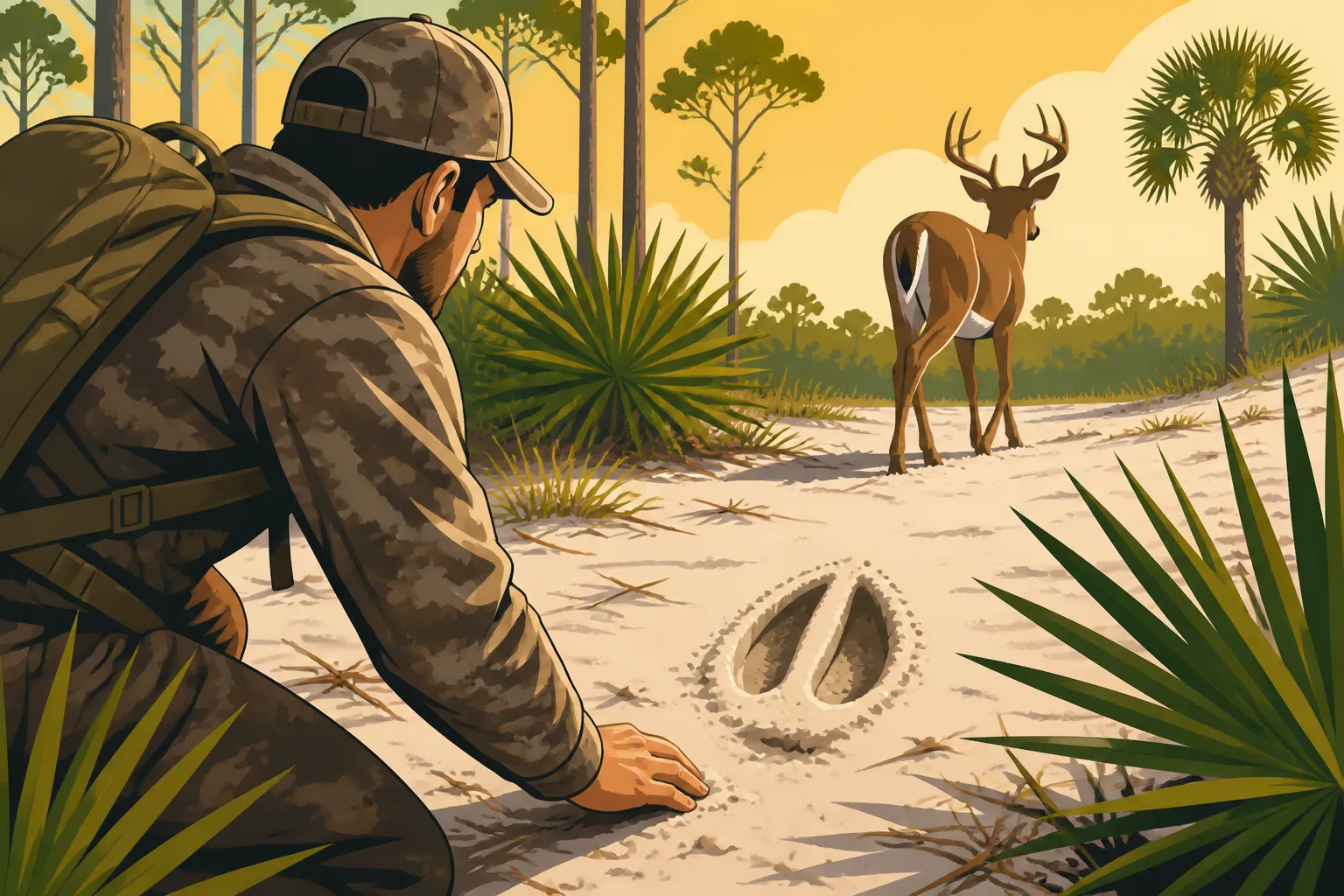
In soft sand, hoof prints can be surprisingly distinct, but they can also be mere smudges. Look for disturbed sand, even if you can't see the full print. A wounded deer will often drag a leg, or step differently, creating a more erratic track than a healthy deer. You might see a "scuff" mark where a hoof dug deeper or scraped the ground. Look for clusters of tracks where the deer paused or stumbled.
It’s also crucial to distinguish your deer's tracks from other deer in the area. Take note of the size, unique characteristics (like a chipped hoof), or the gait. If you're tracking a buck, the prints might be larger and more splayed than a doe's. Often, a wounded deer will choose the path of least resistance initially, but then seek the densest cover available. You might follow a track across an open sandy road, only for it to disappear into a thick palmetto flat. That's when you have to transition from track reading to looking for disturbed vegetation. A useful tool like the GoHunt app can help you mark tracks and blood spots, building a digital breadcrumb trail, especially in areas where visual markers are scarce.
Noticing Disturbed Vegetation and Droppings
Beyond blood and tracks, deer leave a myriad of other subtle signs. Look for bent or broken twigs, scuffed leaves, disturbed pine needles, or bent palmetto fronds that indicate a deer pushed through. A deer might also rub against small trees or bushes, leaving hair or blood behind. These signs can be especially helpful in areas with dense undergrowth or hard-packed sand where tracks are impossible to discern.
Droppings can also tell a story. While not direct evidence of a hit, fresh droppings can confirm recent deer activity in an area and help you understand travel patterns. More importantly, if you find droppings that contain blood or are unusually soft and discolored after a suspected gut shot, it's a strong indicator you are on the right track and that the deer is in distress. Pay attention to every detail, no matter how small; even a few dislodged pebbles or a small divot in the sand could be a clue.
Strategies for Difficult Tracks and Lost Trails
It's almost inevitable that you'll lose the trail at some point, especially in Florida's challenging terrain. This is where having a systematic approach and knowing when to call for help makes all the difference.
The Grid Search and Expanding Circles
When you lose the trail, the worst thing you can do is panic and wander aimlessly. Instead, return to the last confirmed sign and mark it clearly. Then, begin a methodical search. Start by slowly walking small circles around the last sign, gradually expanding your search area. Look for any disturbance, any hint of blood, any broken vegetation in a widening spiral.
If a single person isn't finding it, and you have a hunting partner or two, implementing a grid search is highly effective. Space yourselves 5-10 yards apart, depending on visibility, and walk in a straight line, parallel to each other, away from the last sign. Once you've gone a certain distance (e.g., 50 yards), turn and come back, slightly offset, essentially "mowing the lawn" of the search area. This systematic approach ensures that you cover the ground thoroughly. It takes time and patience, but it dramatically increases your chances of finding that next crucial piece of sign. Remember, Hunting a Funnel Between Two Palmetto Heads or a transition line can be key areas to focus your grid, as deer often travel these features.
Calling for Canine Help or Experienced Trackers
Sometimes, despite your best efforts, the trail simply vanishes. This is when a good tracking dog can be an absolute lifesaver. Many areas, including parts of Florida, allow the use of leashed tracking dogs to recover wounded game. These dogs are specifically trained to follow the scent of wounded deer, often picking up trails that human eyes would never see.
If you don't have access to a tracking dog, consider reaching out to experienced local hunters or a professional tracking service. There are dedicated individuals and groups who specialize in deer recovery, often with years of experience reading cryptic signs in challenging environments like ours. Don't let pride get in the way of recovering your animal. It's far better to ask for help than to let a deer go to waste. Recovering a Deer From a Cypress Slough or other dense cover often requires specialized knowledge or equipment.
Knowing When to Back Out and Resume Later
Deciding to back out is tough, especially when you're emotionally invested. However, it's often the smartest move. If you've been searching for hours, exhaustion can set in, leading to mistakes and frustration. If daylight is fading, or conditions like heavy rain start washing away the trail, continuing to push might do more harm than good.
In cases of questionable shot placement or a completely lost trail, sometimes the best strategy is to back out, give the deer more time, and return with fresh eyes (and maybe more help) after several hours, or even the next morning. If it's a gut shot, a full overnight wait is usually recommended to allow the animal to expire. Just be mindful of temperature for spoilage, particularly in Florida's warmer climate. If you've spent all day on a tough trail, a break can rejuvenate your mind and allow you to see signs you previously missed.
Tools and Techniques to Aid Your Tracking Effort
Modern technology and some old-school wisdom can significantly boost your tracking success in Florida's varied terrain. Don't head into the woods unprepared.
Optics and Lighting for Enhanced Visibility
Good optics aren't just for scouting; they're invaluable for tracking. Binoculars can help you scan ahead from your last sign, sometimes revealing a splash of blood or a disturbed bush 20-30 yards away that you'd otherwise miss. A spotting scope can be even more powerful if you're working a wide-open area or trying to identify if a distant downed animal is yours.
When the sun begins to set, or if you're forced to track after dark, a quality headlamp or flashlight is essential. Many hunters swear by specialized blood-tracking lights that use certain wavelengths to make blood stand out more clearly. While they aren't magic, they can certainly help illuminate subtle signs that normal white light might miss. Just remember that Blood Trailing After Dark in Florida comes with its own set of challenges, including navigating dense cover and avoiding other nocturnal wildlife. Always let someone know your location and plans if you're tracking after dark.
Utilizing GPS and Mapping Applications
In Florida, where many areas can look remarkably similar, a reliable GPS device or a robust mapping app on your phone is non-negotiable. Tools like the GoHunt app or others can be invaluable. Use it to mark your shot location, every piece of blood or sign you find, and the direction of travel. This creates a digital breadcrumb trail that helps you stay oriented, visualize the deer's path, and easily return to the last known sign if you get off track.
Many of these apps also offer satellite imagery and topographic maps that can help you anticipate where a wounded deer might go – perhaps towards a water source, a thick bedding area, or a natural funnel. Reading Aerial Photos for Florida Deer can show you key bedding areas. Knowing the lay of the land, even if it's relatively flat, can give you a strategic advantage when the ground sign is sparse. Always ensure your device is fully charged, and consider carrying a portable power bank, especially for longer searches.
Dragging and Field Dressing Considerations
Once you've successfully located your deer, the work isn't over. In Florida's often hot and humid conditions, getting the deer cooled down and processed quickly is paramount to preserving the meat. If you're deep in the woods, having a plan for extraction is critical. A game cart can be a lifesaver, especially on sandy trails or through moderate palmetto. If the terrain is too rough, a sturdy deer drag harness is essential. Dragging a Deer Out of a Palmetto Head can be exhausting, so having a partner helps immensely.
Field dressing should happen as quickly as possible to begin the cooling process. Get the guts out, open the cavity for air circulation, and if possible, wipe out any excess blood. If you're far from a cooler, consider packing the cavity with ice once you get back to your vehicle. Remember, Florida's warmth means you have a tighter window to get that deer from the woods to cold storage without spoilage. Field Dressing a Deer in Hot Weather is a skill every Florida hunter needs to master.
| Tracking Sign Type | Description in Sandy Florida Soil | Best Conditions to Spot | What it Tells You |
|---|---|---|---|
| Blood Trail | Discoloration in sand, flecks on palmetto, dark smears on pine needles. | Damp ground, after light rain, early morning dew. | Confirms hit, indicates severity (frothy = lung, dark = gut). |
| Hoof Prints / Scrapes | Disturbed loose sand, partial prints, drag marks, deeper impressions. | Soft, moist sand; areas with less foot traffic. | Direction of travel, injured leg, struggling. |
| Disturbed Vegetation | Broken twigs, bent grass, scuffed leaves, hair on brush. | Dense palmetto, thickets, areas with tall grasses. | Deer's path, entry into thick cover. |
| Body Hair | Patches of hair caught on thorns, bark, or scattered on the ground. | After a deer pushes through dense brush; shot entry/exit. | Shot location (dark hair for body, light for belly). |
| Stumble Marks | Deep divots, churned sand, areas where deer dug in. | Any terrain type. | Deer's loss of balance, indicating significant injury. |
Disclaimer
The information provided in this article is for educational and informational purposes only and is not intended to be a substitute for professional advice. Always consult with relevant wildlife authorities, local regulations, and experienced professionals before engaging in hunting activities. Hunting involves inherent risks, and adherence to safety protocols and ethical practices is paramount.