Hunting Into a Zone B February Close
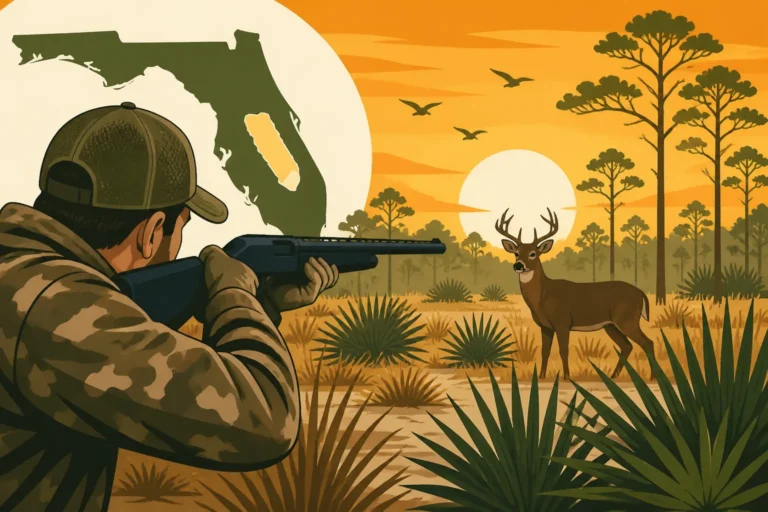
As February rolls around in Florida, many hunters find themselves grappling with the unique challenge of closing out the deer season in Zone B. By this point, deer have seen it all – pressured by hunters for months, the rut is long over, and natural food sources might be dwindling or completely changed. This guide is here to walk you through how to adapt your strategy, gear, and mindset to find success during these tough, final weeks before the Florida Zone B Gun Season Closing Date.
Understanding Florida's Zone B Late Season Dynamics
Hunting in February in Zone B isn't like hunting the opener or even the peak of the rut. The landscape, the deer, and the weather all conspire to make it a completely different game. You're dealing with animals that have been educated, have established escape routes, and are now solely focused on survival until spring.
The Calendar Crunch: Why February is Different
Florida's Zone B generally wraps up its gun season in February, often by the third Sunday. This means you've got a very limited window, and every single day counts. The early season excitement of scouting fresh sign and catching bucks off guard is long gone. Now, it's a grind. The mild Florida winter means deer aren't facing harsh, life-threatening cold fronts, but they're still in recovery mode from the rigors of the rut. Bucks, in particular, have lost significant body weight and are looking to replenish reserves. Does are focused on getting through winter to support their upcoming fawns. This biological shift dictates their movement and priorities, and if you're not paying attention, you'll be left scratching your head.
Furthermore, public lands, which make up a good portion of hunting ground for many in Zone B, have seen relentless pressure since archery season opened. This cumulative pressure means deer are moving less in daylight, sticking to the thickest cover, and are acutely aware of human presence. It's a game of chess, and the deer are playing to win, often staying bedded until the last sliver of daylight or moving entirely under the cloak of darkness. You need to switch your thinking from "where are the deer?" to "where are the deer not being pressured, and what are they really needing right now?"
Pressured Deer Behavior and Survival Instincts
When you're Hunting the Zone B Rut in November, deer behavior is largely predictable, driven by breeding instincts. But by February, those instincts have subsided. What you're left with are highly wary animals. They've learned what human scent means, what vehicle noises signify, and where safe havens exist. These late-season deer often become almost entirely nocturnal, especially if hunting pressure has been intense on a particular tract. They'll spend their days bedded down in the densest palmetto thickets, cypress heads, or even small, overlooked islands of cover that hunters tend to walk past.
Their survival instincts kick into overdrive. Any perceived threat, no matter how small, can send them deeper into hiding. This means your approach needs to be stealthier, your stand access routes more carefully planned, and your scent control absolutely impeccable. A mistake in early season might just push a deer a little further; a mistake in late season might make them disappear entirely from your hunting area for days. They've also established very specific, often subtle, travel corridors between bedding and feeding, usually skirting the edges of swamps, fencerows, or dense replanted pines, using terrain features that offer maximum concealment. Understanding these subtle movements, often just after legal shooting light, is key to success.
Effective Tactics for Closing Out Zone B
With deer being so cautious, your tactics need to be refined. Forget the aggressive calling or wide-open setups of earlier seasons. This is about precision, patience, and adapting to the deer's current needs and fears.
Targeting Remaining Food Sources
One of the most critical factors in late-season success is locating viable food sources. While acorns might have been abundant earlier in the fall, by February, most are long gone, either eaten by deer, hogs, or other wildlife, or decayed into the soil. Deer are now relying on whatever is still available and palatable. This often means focusing on browse, forbs, and any remaining mast crops that mature later or persist longer.
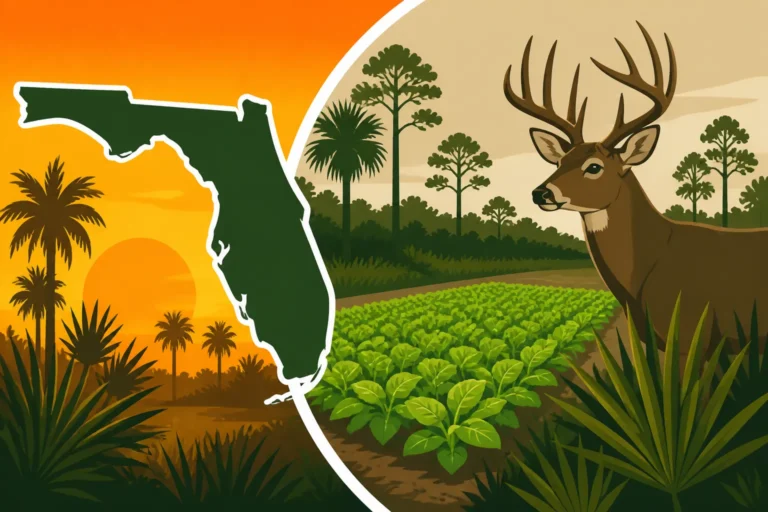
Look for green briar, muscadine vines, and certain fungi. In areas with agriculture, deer might key in on unharvested crops like peanuts or soybeans, or the tender new growth in winter food plots. Pay close attention to areas where new vegetation is sprouting due to recent rain or sunlight penetration. Even seemingly insignificant plants can become a primary food source when other options are scarce. Scouting is absolutely crucial here; forget old assumptions about where deer are feeding. You need to be on the ground, looking for fresh browse lines and droppings in specific areas. Use a tool like GoHunt's satellite imagery to identify agricultural fields or recent clear-cuts that might have new growth, then hit the ground to confirm. A key resource to check out is our guide on Late-Season Food Sources for Florida Whitetails.
Sticking to Cover and Sanctuary Areas
As mentioned, pressured deer prioritize security above almost everything else. This means they will be spending their daylight hours in the densest, nastiest cover they can find. If you're hunting public land, identify those areas that other hunters consistently avoid. This could be a swampy head, a thick palmetto flatwoods patch that requires a brutal walk, or a block of planted pines too thick to walk through comfortably. These are often natural sanctuaries.
Your strategy should revolve around hunting the edges of these sanctuaries, or, if you're feeling particularly bold and the wind is perfect, making a very quiet, slow ingress into the fringes of the cover. This isn't about still-hunting through it; it's about finding a subtle travel corridor within or adjacent to it that connects to a feeding area. Deer might move only a few hundred yards from their bed to a nearby browse patch. Pay attention to changes in elevation or subtle funnels caused by vegetation changes, as deer will exploit these for maximum security. Consider Hunting a Funnel Between Two Palmetto Heads or Where Florida Bucks Bed in Thick Palmetto for more insights on these challenging but rewarding areas.
Patience and Precision in Stand Placement
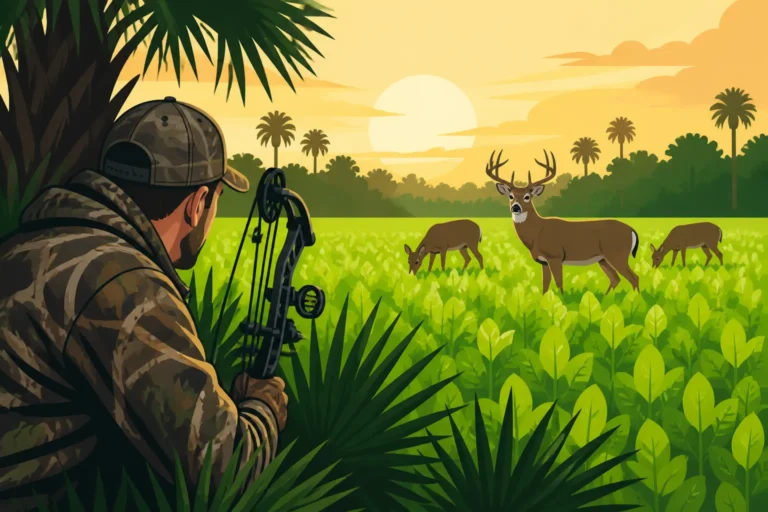
Late season calls for extreme patience. Deer movement can be minimal and unpredictable. You might sit for hours without seeing anything, only to have a buck slip through at the very last minute of legal light. Your stand placement must be absolutely dialed in, as you might only get one shot at a deer that's already on high alert. Focus on pinch points, subtle crossings, or secluded feeding areas that offer a clear shooting lane.
Think about access and exit routes. Can you get into your stand without disturbing the bedding area or alerting deer already in the vicinity? Can you exit without spooking anything? With deer so sensitive, even a slight misstep can ruin a hunt. This often means using natural terrain or existing cover to hide your approach. Using a ground blind that's well-brushed in can be a game-changer for these situations. Our article on Using a Ground Blind on Florida Public Land offers some great tips. Also, remember that Wind and Thermals in Flat Florida Terrain still play a critical role, even if the elevation changes are subtle. A slight shift in wind can carry your scent further than you'd expect in these open, flat landscapes.
Gear and Preparation for the Final Weeks
The last gasp of deer season might not demand extreme cold-weather gear, but it definitely calls for strategic adjustments to your setup and a smart approach to scouting and tracking.
Adjusting Your Setup for Post-Rut Conditions
By February, bucks are no longer cruising for does, so rattling and aggressive grunting are far less effective. Your setup should reflect this. Focus on stealth and scent control above all else. Dress in layers, even if the weather is mild, as mornings can still be crisp before the sun warms things up. Light insulation can be comfortable for those long sits.
Consider compact, lightweight gear that allows for quiet movement. A comfortable saddle hunting setup or a lightweight climber can give you the flexibility to move to new spots quickly if your initial observation reveals different deer patterns. Since deer might be moving extremely late, having quality optics is paramount. Binoculars with good low-light performance or even a monocular can help you pick out a deer's antler tip or ear flick in the fading light. A quality rangefinder is also essential for confirming distances in tricky light, ensuring a clean shot on a wary deer. Make sure your bow or rifle is sighted in perfectly, as these late-season opportunities often come at a premium.
Utilizing Technology for Late-Season Success
Technology can be a powerful ally in these challenging final weeks. Trail cameras, strategically placed on suspected travel corridors or late-season food sources, can give you invaluable insight into nocturnal movement patterns and even help you identify if a specific buck is still in the area. Remember, Florida has specific rules about trail camera use on public land, so always check the FWC regulations.
Mapping apps like GoHunt, or even the Scouting With the Florida FWC App, are indispensable. They allow you to meticulously mark potential bedding areas, current food sources, and ideal stand locations, all while analyzing topo maps and aerial imagery. You can identify subtle changes in vegetation, dense cover pockets, or even old logging roads that deer might be using as discreet travel lanes. Being able to drop pins, measure distances, and visualize the terrain from an overhead perspective helps you plan your approach and escape routes with surgical precision. This detailed pre-hunt planning can save you countless hours of ineffective hunting and increase your chances of being in the right place at the right time. Our guide on Reading Aerial Photos for Florida Deer can offer more advanced tips.
Common Pitfalls and How to Avoid Them
Even seasoned hunters can fall into traps when facing the end of the season. Understanding these common mistakes can help you maintain focus and increase your odds.
Over-Hunting and Burnout
One of the biggest mistakes hunters make in the late season is over-hunting their spots. With fewer deer moving during daylight and increased pressure, it's tempting to sit in the same stand day after day, hoping a buck will eventually show. However, this often does more harm than good. Each time you enter or exit a stand, you leave scent and disturb the area, potentially pushing already wary deer further away or making them even more nocturnal.
Instead, practice a "less is more" approach. Focus on high-percentage sits when conditions are absolutely perfect – a strong, consistent wind for your setup, or a brief cold snap that might encourage more daylight movement. Give your spots time to cool off between hunts. If you hunt a morning, consider letting that spot rest for a day or two before returning, especially if you didn't see anything. This allows deer to relax and potentially resume their patterns. Don't let the dwindling calendar push you into making impatient decisions. Sometimes, the best hunt is the one you don't take, preserving the integrity of your hunting area for a truly opportune moment.
Overlooking Subtle Sign
By February, big, obvious scrapes and rubs are largely a thing of the past. The rut is over, and bucks aren't marking territory with the same fervor. This means you need to recalibrate your eye for much subtler signs. Look for fresh tracks in soft soil around water sources or feeding areas. Small, fresh droppings can indicate recent activity. Pay attention to nibbled browse, especially on tender green shoots. A small, fresh rub, perhaps a buck simply cleaning velvet or easing an itch, might indicate a travel route.
Don't dismiss small, overgrown trails that appear to lead nowhere; these could be discreet deer paths into thick cover. A single, fresh rub on a small sapling might be more valuable than a dozen old, dried-up rubs from October. Also, remember that deer density by Florida Zone can vary, so what's "a lot of sign" in one area might be very different in another. A single, fresh sign can be a golden nugget of information in the late season. Every piece of evidence tells a story about where deer are moving and what they're doing. It’s about detective work, not just looking for billboards.
Zone B Late Season Quick Reference
| Factor | Early-to-Mid Season (Sept-Dec) | Late Season (Jan-Feb) |
|---|---|---|
| Deer Behavior | Rut-driven, more daylight movement, curious | Survival-driven, mostly nocturnal, wary |
| Food Sources | Acorns, early browse, plentiful | Persistent browse, remaining crops, new growth |
| Hunting Pressure | Building, but deer less educated | Intense, deer highly pressured |
| Tactics | Calling, rattling, open areas, aggressive | Stealth, patience, cover, subtle movement |
| Key Sign | Large rubs, scrapes, obvious tracks | Fresh tracks, subtle browse, small droppings |
| Optimal Conditions | Cold fronts, cloudy days | Sustained cold snaps, consistent wind |
| Typical Closing Date | N/A | Usually 3rd Sunday in February |
Disclaimer
Please remember that hunting regulations and season dates can change. Always consult the latest Florida Fish and Wildlife Conservation Commission (FWC) regulations before planning your hunt. This guide is for informational purposes only and does not supersede official FWC guidelines.