Florida Deer Harvest Records
For any hunter in Florida, there's a natural curiosity, almost an obsession, with understanding the overall health and success of our deer herd. It's not just about bragging rights or comparing notes with your buddies around the campfire; it's about seeing the bigger picture of where the deer are, how many are being harvested, and what that might mean for your own season. This guide dives deep into Florida's deer harvest records, helping you make sense of the data and use it to become a more informed, and hopefully, more successful hunter.
Understanding Florida's Deer Harvest Data
Let's be honest, trying to make sense of government data can sometimes feel like trying to track a ghost buck through a palmetto thicket – elusive and frustrating. But the Florida Fish and Wildlife Conservation Commission (FWC) does an incredible job of compiling and presenting deer harvest data, and it's a goldmine of information if you know where to look and how to interpret it. These aren't just dry numbers; they tell a story about our state's deer population, hunting pressure, and the impact of management strategies. Understanding these records can give you a significant edge in your planning and scouting.
Where the Numbers Come From
The backbone of Florida's deer harvest data is the mandatory hunter reporting system. Every time a hunter harvests a deer in Florida, they are required to report it to the FWC. This isn't just a suggestion; it's a critical component of wildlife management. You might think, "Does one deer really make a difference?" But when you multiply that by tens of thousands of individual deer taken across the state, it creates an invaluable dataset. This reporting can be done easily through the FWC's website or their mobile app, which is a lifesaver when you're out in the woods. Without this participation from hunters like us, the FWC would be flying blind when it comes to setting seasons and managing the herd.
Historically, before mandatory reporting, FWC relied more on harvest surveys, check stations, and even physical examinations of deer brought in. While those methods provided good insights, the mandatory reporting system provides a much more comprehensive, real-time snapshot of the harvest. It allows for more precise data collection on specifics like the date of harvest, the county, the management zone, and whether it was a buck or a doe. This granularity is what truly makes the data useful for understanding patterns and trends.
The Importance of Reporting
It might feel like just another step after an exhilarating hunt, but reporting your deer harvest is truly a civic duty for hunters. This data is the lifeblood of wildlife management in Florida. Without accurate and complete reporting, the FWC can't get a true picture of the deer population's health, recruitment rates, or how hunting pressure is affecting different areas. Think of it this way: if a doctor is trying to diagnose an illness, they need all the symptoms. For the FWC, our harvest reports are their symptoms.
If reporting rates are low in a particular area, it could artificially depress the perceived harvest, potentially leading the FWC to believe an area can sustain more hunting pressure or higher bag limits than it actually can. Conversely, if reporting is robust, it allows the FWC to identify areas where the herd might be declining or where specific management actions, like special antlerless deer hunts, might be beneficial. So, when you've just dragged out a deer and your legs are burning, remember that quick report on the FWC app is helping secure the future of deer hunting for all of us. You can find more details on your obligations by looking up Florida Deer Reporting Requirements.
Deciphering the Annual Harvest Reports
Once all those individual reports come in, the FWC compiles them into annual harvest reports. These reports are a treasure trove of information, but they can seem a bit overwhelming at first glance. It’s like trying to find your way through the deepest part of the Green Swamp; you need a map and some guidance. These reports offer a broad overview of the season's success and provide insights into the health and distribution of Florida's deer herd, which is always undergoing changes.
Key Metrics to Look For
When you dive into these reports, you'll want to focus on a few key metrics that really tell the story. First, look at the total number of bucks and does harvested. This buck-to-doe harvest ratio is crucial. A balanced ratio indicates a healthy population with good recruitment, while an imbalance might suggest too much pressure on one sex or another. You'll often see specific numbers for antlered bucks and antlerless deer, including does and button bucks. This breakdown helps understand the impact of antlerless harvest regulations, which are often used to manage herd numbers.
Next, pay close attention to the harvest data broken down by Florida's Four Deer Management Zones Explained. Each zone has different habitat, population densities, and often different season dates and regulations. What's happening in Zone A in the Panhandle might be vastly different from Zone D in South Florida. For example, Zone C, with its earlier archery opener, might see an initial spike in harvest before other zones even begin their gun seasons. Additionally, look at the distinction between harvest on public land (like WMAs and National Forests) versus private land. This often reveals significant differences in hunting pressure and management intensity. Public lands, by their nature, tend to see higher hunter numbers, which can influence harvest rates and buck age structure.
| Year | Total Deer Harvested | Antlered Bucks | Antlerless Deer | Public Land Harvest | Private Land Harvest |
|---|---|---|---|---|---|
| 2022-2023 | 115,420 | 68,550 | 46,870 | 28,120 | 87,300 |
| 2021-2022 | 112,890 | 67,100 | 45,790 | 27,500 | 85,390 |
| 2020-2021 | 118,340 | 70,250 | 48,090 | 29,100 | 89,240 |
Note: These numbers are illustrative and simplified. Actual FWC data reports are more granular and detailed.
Long-Term Trends and What They Mean
Looking at a single year's report is interesting, but comparing data over several years is where the real insights emerge. Long-term trends can reveal a lot about the health and stability of Florida's deer population. Are harvest numbers steadily increasing, declining, or remaining stable? A consistent increase might suggest a growing population or expanding habitat, while a decline could signal habitat loss, increased predation, or disease concerns. Conversely, stable harvest numbers over several years often indicate a well-managed, healthy population that's being harvested sustainably.
For instance, you might notice that even with fluctuations, the overall Florida Deer Population Estimate has remained robust. This speaks to the FWC's adaptive management strategies and the resilience of our deer. Trends also reveal the impact of weather events, like a severe drought or unusually wet season, which can affect fawn survival rates and, consequently, the number of harvestable deer a few years down the line. Analyzing these trends can help you predict future hunting conditions and adjust your strategies. If you're a serious deer hunter, tools like GoHunt can help you visualize these trends and overlay them with other data points like weather and habitat maps, offering a deeper dive into the numbers.
Regional Variations in Deer Harvest
Florida isn't a monolithic block when it comes to deer. Our state is incredibly diverse, from the ancient pine forests of the Panhandle to the vast swamps of the Everglades, and this diversity is reflected in our deer populations and harvest numbers. What works in one region might be completely ineffective in another, and the harvest reports highlight these critical differences. Hunters often find themselves debating which part of the state offers the "best" hunting, and while that's subjective, the harvest data can certainly point to areas with higher deer densities or a history of producing larger bucks.
Panhandle Powerhouses Versus South Florida Strategies
When you look at the harvest numbers, you'll often see distinct patterns emerge between regions. The Florida Panhandle, with its richer soils, more temperate climate, and greater acreage of contiguous timberlands, generally produces deer that are larger in body size and often have more impressive antlers. Counties like Jackson, Holmes, and Washington frequently rank high in terms of total deer harvest and the number of quality bucks taken. This is due to better nutrition, older age structures, and a longer history of hunting traditions that value letting younger bucks walk. You can explore this further by checking out Best Florida Counties for Big Bucks.
In contrast, South Florida, particularly the Everglades and Big Cypress regions, typically sees deer harvested that are smaller in body size, though often still respectable in antler development. The challenge here isn't necessarily a lack of deer, but rather the incredibly dense and often inaccessible habitat. Hunting in these areas often requires specialized tactics, like airboats or extensive tracking through cypress sloughs and palmetto thickets. The harvest numbers reflect these challenges, often showing lower overall take per square mile compared to the more open pine forests up north, but still offering incredible wilderness experiences. This regional breakdown is why the FWC divides the state into zones, each with tailored regulations; for example, understanding Why Florida's Deer Seasons Vary So Much by Zone is key.
Public Land Harvest Challenges and Rewards
Public lands – our Wildlife Management Areas (WMAs), National Forests like Ocala and Apalachicola, and State Forests – are a different beast entirely when it comes to deer harvest. While private lands often account for the bulk of the statewide harvest due to fewer hunters per acre and intensive management, public lands offer accessible opportunities for thousands of hunters. However, this accessibility often comes with higher hunting pressure. This pressure can lead to lower success rates for individual hunters, especially on larger, more mature bucks. It can also influence deer behavior, making them more nocturnal or causing them to Where Florida Bucks Bed in Thick Palmetto in the densest cover.
Despite the challenges, public lands still contribute significantly to the overall harvest and provide invaluable recreational opportunities. Many hunters, myself included, cherish the challenge of punching a tag on public ground. The harvest data for specific WMAs can tell you which areas consistently produce deer, and even which ones might be seeing declining pressure or increasing herd numbers. Analyzing these WMA-specific reports can help you decide where to apply for quota hunts or focus your scouting efforts. For example, understanding the data can inform your strategy for Scouting Florida Public Land Before Season. The rewards of harvesting a deer on public land feel amplified because of the effort and skill it often requires.
How Harvest Data Informs Management Decisions
The FWC isn't just collecting these numbers for fun; they're integral to the science-based management of Florida's deer herd. Every season, countless hours of biologist effort go into analyzing this data, cross-referencing it with other information like deer population surveys, habitat assessments, and hunter input. It’s a dynamic process, not a static rulebook, constantly adjusting to ensure sustainable hunting opportunities for generations to come.
FWC's Role in Sustainable Hunting
The FWC's primary goal, supported by harvest data, is to maintain healthy and sustainable deer populations across Florida. This means ensuring that enough deer survive each hunting season to breed and replenish the herd, while also allowing for reasonable harvest opportunities. They use harvest data to monitor population trends, assess the effectiveness of current regulations, and identify potential issues like overharvest in specific areas or declining fawn recruitment. When the numbers show a consistent decline in an area, the FWC might consider reducing bag limits, shortening seasons, or implementing antler point restrictions to allow more bucks to reach maturity.
Conversely, if data indicates a booming population and healthy age structure, they might consider adding bonus antlerless tags or extending seasons to help manage herd numbers, reduce crop damage, and improve overall herd health by balancing sex ratios. This continuous feedback loop, powered by hunter-submitted data, is what allows Florida to adapt its hunting regulations effectively. It's a testament to the collaborative effort between wildlife managers and the hunting community, underscoring why every single report matters. For a broader overview of how the state manages its game, take a look at How FWC Counts the Florida Deer Herd.
The Impact on Season Dates and Bag Limits
One of the most direct impacts of harvest data is on the setting of season dates and bag limits. The FWC continually reviews harvest success rates in each of Florida's deer management zones, considering factors like peak rut activity and population density. For instance, if data shows that a particular zone consistently experiences high buck harvest early in the season, they might adjust the dates to spread pressure out or align more closely with peak breeding activity, thereby improving hunter success later on. We see these kinds of adjustments reflected in different zones, like the variation between Hunting Florida's Zone A August Opener and Hunting Florida's Zone D Fall Opener.
Similarly, bag limits – how many deer you can harvest in a season – are directly tied to harvest data. If the statewide harvest is consistently pushing against sustainable limits, the FWC might reduce the bag limit to ensure long-term stability. If, however, populations are thriving and habitat can support more deer, they might maintain or even increase bag limits, as we see with our relatively generous antlerless opportunities in some zones. These decisions are not made lightly; they are the result of careful analysis of harvest data combined with biological research and habitat assessments.
Beyond the Numbers: Individual Success and the Broader Picture
It's easy to get lost in the statistics and spreadsheets, but ultimately, deer hunting in Florida is a deeply personal experience. While the harvest records paint a picture of the overall health of our deer, your individual success story contributes to that picture, and in turn, is influenced by it. Understanding the statewide and regional trends can help you tailor your own expectations and strategies.
Personal Best Versus Statewide Averages
Every hunter dreams of that trophy buck, or at least a freezer full of venison. When you look at the statewide harvest averages, you might see that the average antlered buck taken is a 2.5-year-old 6-point, weighing around 120 pounds. For many, harvesting a deer of that caliber or even larger is a significant achievement, a personal best. It's crucial to remember that these averages are just that – averages. They account for everything from yearling bucks taken by new hunters to massive mature bucks harvested on well-managed private lands.
Don't let the statewide average define your success. Instead, use the data to understand what's possible in the areas you hunt. If you see that a specific county or WMA consistently yields larger bucks in the harvest reports, it might be worth dedicating more time to scouting there. Tools like GoHunt can help overlay these harvest data points with public land maps, helping you pinpoint potential hotspots. Remember, your personal best is a reflection of your effort, skill, and a little bit of luck, and it's always a valuable contribution to the overall picture, even if it's below what some might consider "trophy" class.
Contributing to the Future of Florida Deer Hunting
By actively participating in the hunter reporting system, you're doing more than just satisfying a legal requirement; you're directly contributing to the future of deer hunting in Florida. Your harvest data, combined with thousands of others, forms the basis for sound wildlife management. It helps ensure that our children and grandchildren will have the same, if not better, opportunities to chase whitetails across this beautiful state.
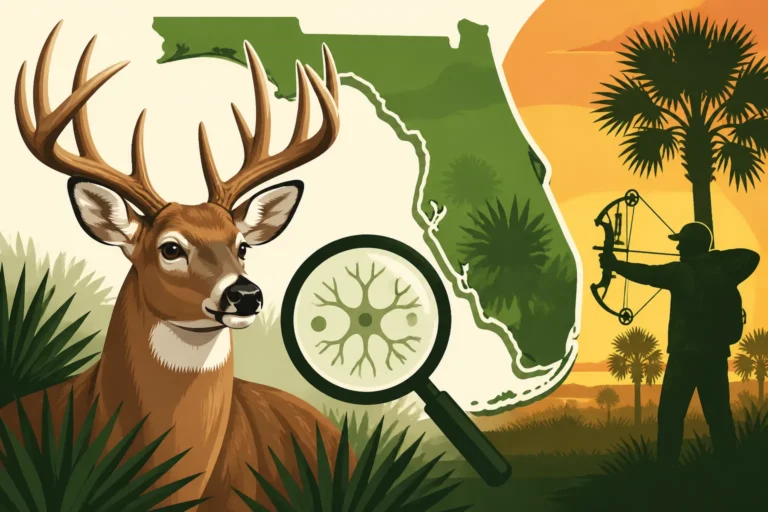
Furthermore, being an informed hunter means understanding the challenges facing our deer herds – from habitat loss to the potential spread of diseases like CWD, which Florida is diligently monitoring. The harvest reports often contain sections detailing disease surveillance efforts and other critical conservation initiatives. By staying informed and advocating for science-based management, you become an integral part of the conservation solution. So, keep hunting, keep learning, and keep reporting. Every reported deer is a step towards a healthier, more vibrant future for Florida's deer and the hunting tradition we all cherish.
Disclaimer
Please remember that hunting regulations and wildlife management data are subject to change. Always consult the latest official Florida Fish and Wildlife Conservation Commission (FWC) regulations and publications before planning any hunting activity. This content is for informational purposes only and should not be considered legal advice.