Florida Deer Herd Size
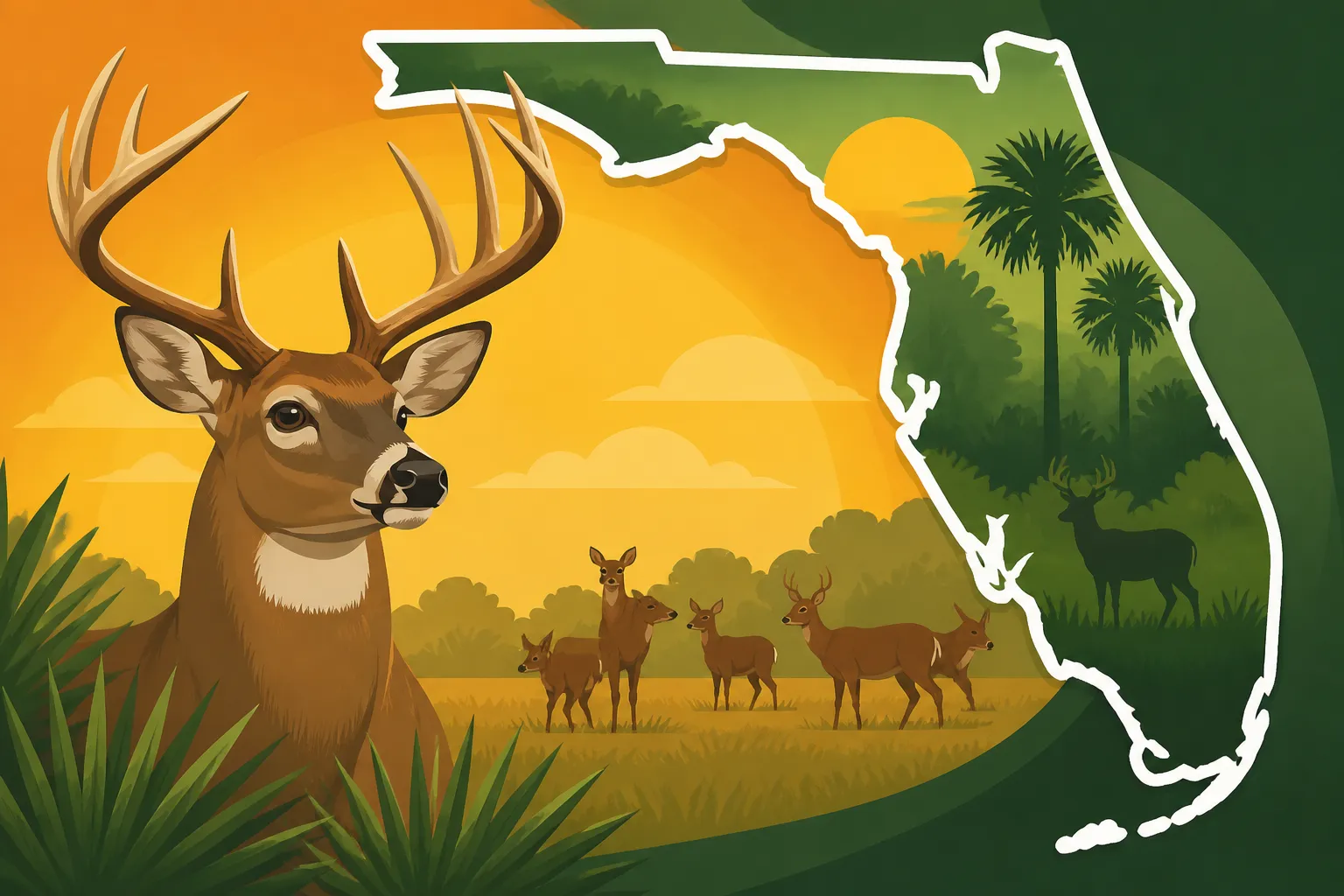
If you've spent any time at all chasing whitetails in the Sunshine State, you know how different Florida deer hunting can be from what you might see up north or out west. One of the biggest questions I hear from fellow hunters, especially those new to our unique environment, is "How many deer are even in Florida?" It's a fair question, because sometimes, you can walk for miles in seemingly perfect habitat and feel like you're in a deer desert. This guide is going to dive deep into how Florida's deer herd is estimated, what influences its size, and why those numbers can vary so dramatically from one part of the state to another.
Understanding Florida's Deer Population Estimates
Trying to get a precise, head-count number for something as wild and widespread as Florida's deer herd is like trying to count every individual blade of saw palmetto in the Everglades—it’s just not practical. However, our wildlife biologists aren't just guessing. They employ a variety of scientific methods to estimate deer populations and trends, giving us a good working idea of where the deer are and how they're doing. It’s a complex undertaking, especially in a state with such diverse and often dense vegetation.
The Challenges of Counting Deer in Florida
Florida presents some unique hurdles when it comes to deer population assessment. Unlike more open landscapes where aerial surveys might be highly effective, our dense cypress swamps, palmetto thickets, and pine flatwoods make it nearly impossible to get accurate visual counts from above. Imagine flying over a vast block of mature pine plantation with a thick understory – you'd miss ninety percent of the deer on the ground! This isn't just a frustration for hunters trying to scout; it’s a real challenge for wildlife managers too.
Instead, agencies rely on a combination of indirect methods. These include spotlight surveys, where biologists drive established routes at night, counting deer spotted by powerful lights. They also analyze hunter harvest data, looking at trends in reported kills, buck-to-doe ratios, and fawn recruitment rates reported by hunters. Roadkill data, though grim, can also provide localized insights into deer presence. In some areas, remote cameras are deployed to capture images and estimate densities. It's a mosaic of information, painstakingly put together to paint a clearer picture of the statewide Florida Deer Population Estimate.
How Wildlife Biologists Monitor Herd Health and Trends
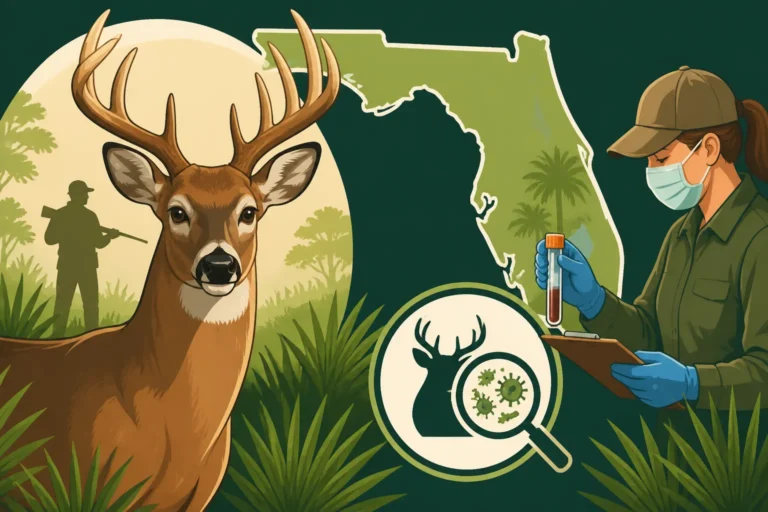
Beyond just numbers, wildlife biologists are deeply concerned with the health and long-term sustainability of the herd. They look at several key metrics. One crucial piece of the puzzle is the physical condition of harvested deer – examining age, weight, and antler development can tell them a lot about the nutrition available in a particular area. A deer herd that's too dense for its habitat will often show signs of stress, like smaller body weights and poor antler growth, especially in bucks.
Another vital indicator is the fawn recruitment rate, which tells us how many fawns survive to become part of the adult population. High fawn mortality can signal issues with predation, habitat quality, or disease. Understanding Florida Fawn Survival Rates is critical for predicting future herd size. Of course, disease monitoring is also paramount. With the ongoing concern about Florida's Single Confirmed CWD Case, surveillance and testing are more important than ever to safeguard the long-term health of our deer. All these factors combined give wildlife managers a comprehensive view, allowing them to make informed decisions about season structures and bag limits.
Factors Influencing Florida's Deer Herd Size
Florida’s environment is a dynamic place, and many factors contribute to the ebb and flow of our deer populations. It's not just about how many deer are born; it's also about how many survive, how much food is available, and what pressures they face from predators and people. Understanding these influences can help hunters better predict where deer might be concentrated and why certain areas seem to thrive while others struggle.
Habitat Quality and Food Availability
The quality and availability of habitat are arguably the most significant drivers of deer numbers. Florida's vast natural landscapes, from the pinelands of the Panhandle to the cypress strands of South Florida, offer varying degrees of prime deer country. Deer need a mosaic of cover for bedding and escape, and diverse food sources to provide adequate nutrition year-round. Think about a managed pine plantation that undergoes regular prescribed burns; these burns can create new growth and open up the understory, making browse more accessible and nutritious for deer. Conversely, sprawling urban development or large-scale agriculture that replaces natural forests with monocultures can severely reduce available habitat, fragmenting populations and leading to localized declines.
The amount and quality of forage directly impact a deer's ability to grow, reproduce, and resist disease. When acorns are abundant, deer tend to be healthier and fatter. When a natural disaster like a hurricane impacts an area, it can devastate food sources for a time, leading to temporary dips in deer health and population. Knowing your area's habitat types and recent changes can tell you a lot about the deer herd you're pursuing. Tools like the GoHunt app, with its detailed mapping layers, can be invaluable for understanding the specific habitat types and potential food sources on a parcel of land, helping you pinpoint areas that might hold more deer.
Predation and Environmental Pressures
While hunters are a major factor in deer mortality, natural predators also play a significant role, particularly in fawn survival. Florida is home to several effective deer predators, most notably coyotes and bobcats. These animals, especially coyotes, can exert substantial pressure on fawn populations, potentially limiting herd growth in certain areas. Understanding Florida Predator Impact on Fawn Recruitment is an ongoing area of study for wildlife managers.
Beyond predators, environmental factors are always at play. Droughts can reduce forage and water availability, stressing deer and making them more susceptible to disease. Severe weather events, like hurricanes, can directly kill deer or destroy large swaths of habitat, as mentioned earlier. Flooding, especially in low-lying areas, can displace deer and force them into smaller, higher pockets of land, making them more vulnerable. These natural cycles are an inherent part of deer management and something wildlife agencies monitor closely.
Hunting Pressure and Management Strategies
Hunting is a critical tool for managing deer populations, helping to balance herd size with available habitat. Without regulated hunting, deer populations can quickly outgrow their food supply, leading to unhealthy animals, increased disease transmission, and habitat degradation. Florida's deer management is tailored to its diverse regions, which is why we have Florida's Four Deer Management Zones Explained. Each zone has specific season dates, bag limits, and regulations designed to address the unique ecological conditions and deer populations within that area.
For example, areas with higher deer densities might have more liberal antlerless deer harvest opportunities to help manage the doe population, while areas with lower densities might be more conservative. Hunter harvest data, including the Florida Annual Deer Harvest numbers reported each year, are meticulously collected and analyzed to inform future management decisions. This data, combined with population estimates and habitat assessments, allows wildlife agencies to adapt their strategies to ensure a healthy, sustainable deer herd for future generations of hunters.
Regional Differences in Florida Deer Density
Florida is a long, narrow state with vastly different ecosystems from its Panhandle to its southern tip. It only makes sense that deer populations and their densities would vary just as much. What you'll find in the big woods of the Apalachicola National Forest is going to be a completely different deer hunting experience than what you'll encounter in the tight cover surrounding a central Florida orange grove or the vast wilderness of the Everglades. These regional differences are crucial for any hunter to understand.
Deer Density in North and Central Florida
The northern parts of Florida, particularly the Panhandle, often boast higher deer densities and, generally, larger-bodied deer than their southern counterparts. This region benefits from more temperate weather patterns, richer soils, and more diverse hardwood-pine forests that produce abundant forage, including valuable mast crops like acorns. Areas like the Apalachicola National Forest and other public lands in the Panhandle and North Central Florida are renowned for offering excellent deer hunting opportunities. This is often where you'll hear about "bigger" deer in terms of body weight and antler size, partly due to better nutrition. This area also sees a more traditional rut timing, which can concentrate deer activity, as discussed in When the Florida Rut Peaks by Zone.
Central Florida can be a mixed bag. Some areas, particularly those with a blend of agriculture and scattered hardwood hammocks, can hold significant deer populations. However, increasing development pressures around cities like Orlando and Tampa have fragmented habitats, pushing deer into smaller, often isolated pockets. Wildlife Management Areas (WMAs) in this region, such as Three Lakes Wildlife Management Area or J.W. Corbett Wildlife Management Area, are vital havens for deer and offer some of the best public land hunting experiences, but often come with quota hunt restrictions due to sustained hunting pressure.
Deer Density in South Florida
Head further south, and the landscape, and thus the deer, change dramatically. South Florida's deer are often smaller in body size, a characteristic that has led to questions like Why South Florida Deer Run Smaller. This is primarily due to the unique subtropical environment. The soils are generally poorer, and the vegetation, dominated by palmetto, cypress, and sawgrass, can be less nutritious for deer, especially outside of specific foraging areas. The constant heat and humidity also mean deer expend more energy year-round, impacting growth.
While overall deer density might be lower in vast areas of the Everglades and Big Cypress, pockets of higher concentration exist, especially around cypress heads, oak hammocks, and agricultural edges. These deer are incredibly tough and well-adapted to their environment, offering a challenging but rewarding hunt. The hunting in these areas is often focused on navigating dense cover and understanding how deer utilize the scattered high ground. When hunting these parts of the state, remember to consult resources like the Florida WMA Quota Permit System as many of the best hunting grounds are managed through a lottery system due to their unique ecology and limited carrying capacity.
Here’s a simplified look at how deer density generally correlates with Florida’s deer zones:
| Deer Management Zone | General Location | Typical Habitat | Deer Density Tendency | Avg. Deer Body Size Tendency | Key Hunting Challenge |
|---|---|---|---|---|---|
| Zone A | South Florida | Everglades, Big Cypress, Marshes | Lower to Moderate (localized higher) | Smaller | Dense cover, water, heat |
| Zone B | Central Florida | Flatwoods, Hammocks, Agriculture | Moderate to Higher | Medium | Habitat fragmentation, pressure |
| Zone C | North Central FL | Mixed Hardwoods, Pine Plantations | Higher | Medium to Large | Hunting pressure, private land access |
| Zone D | Panhandle FL | Hardwood Bottoms, Pine Forests | Highest | Largest | Thick cover, diverse terrain |
Note: These are general tendencies; specific local conditions can vary greatly within each zone.
The Importance of Hunter Reporting and Data
Every time you harvest a deer in Florida, the simple act of reporting it isn't just a regulatory formality; it's a vital contribution to the scientific management of the entire state's deer herd. Your actions directly contribute to understanding the Florida Deer Herd Size and ensuring its health for future generations.
Why Your Harvest Report Matters
Think of each deer harvest report as a data point on a massive biological spreadsheet. When you report a deer, you're providing information such as the date, location (often down to the specific WMA or county), and whether it was a buck or a doe. Some reporting systems also ask for antler characteristics or estimated age. This collective data, from thousands of hunters across the state, gives wildlife biologists crucial insights into localized deer populations.
Without this information, it would be much harder for the Florida Fish and Wildlife Conservation Commission (FWC) to accurately assess annual harvest numbers, track success rates by zone, and understand population trends. If hunters weren't reporting, the FWC would be flying blind, making it nearly impossible to make informed decisions about bag limits, season dates, and other regulations designed to sustain our deer resource. It’s a collective responsibility, and it's a testament to the idea that hunters are indeed conservationists. Remember, the Florida Deer Reporting Requirements are there for a good reason, not just to inconvenience you.
How Data Informs Future Management Decisions
The FWC utilizes hunter harvest data in conjunction with all their other survey methods to make adaptive management decisions. If harvest numbers in a particular zone show a consistent decline despite favorable habitat conditions, it might signal an issue that needs investigation, such as increased predation or localized disease. Conversely, if numbers are consistently high, it might indicate a healthy, growing population that could sustain additional harvest pressure or even lead to extended hunting opportunities.
This data also helps track specific herd health parameters. For example, consistent reports of young bucks with small antlers in an area could indicate overpopulation and intense competition for food. By adjusting antlerless deer harvest limits in such a zone, managers can help bring the herd back into balance with its habitat, allowing the remaining deer, especially younger bucks, to reach their full potential. This adaptive approach ensures that Florida's deer herd remains robust and provides quality hunting experiences for all of us who cherish chasing whitetails through the palmettos and pines.
Disclaimer
This article is for general informational purposes only and does not constitute professional advice. Laws, prices and regulations vary by location and change over time. Consult a qualified professional for guidance on your specific situation.