Florida Annual Deer Harvest
Many Florida hunters find themselves scratching their heads, trying to understand the bigger picture of our state's deer herd. We all want to know: how many deer are actually harvested each year across our vast landscapes? It’s a common frustration trying to get a clear sense of the overall health of the herd and what the annual take truly reflects. This guide dives deep into Florida's annual deer harvest data, explaining what these numbers mean for you, how they're collected, and what trends you should be aware of as you plan your next hunt in the Sunshine State.
Deciphering Florida's Annual Deer Harvest Figures
When we talk about the annual deer harvest in Florida, it's easy to get caught up in just the raw numbers. However, these figures are far more than a simple tally of animals taken. They are a rich source of information, offering insights into the health of our deer populations, the impact of hunting pressure, and how well the habitat is supporting these magnificent animals. For any serious hunter, understanding these underlying dynamics is crucial for both personal success and contributing to sound wildlife management.
What the Numbers Tell Us Beyond Just "Deer Killed"
The annual deer harvest numbers serve as a critical diagnostic tool for wildlife managers and a valuable compass for hunters. They aren't just a grim count; instead, they act as an indicator of various ecological and sociological factors at play. For instance, a robust harvest in a particular zone might signal a healthy, thriving deer population, capable of sustaining regulated hunting pressure. Conversely, a consistently low harvest, or a sudden dip, could point to challenges such as habitat degradation, disease outbreaks, increased predation, or even changes in hunter participation.
These figures help the Florida Fish and Wildlife Conservation Commission (FWC) make informed decisions about future hunting seasons. They guide adjustments to bag limits, determine if antler restrictions are needed, and help shape conservation efforts designed to maintain a balanced ecosystem. Without this data, management would be largely guesswork, which wouldn't serve the deer or the hunting community well. It's a feedback loop: hunters report their harvest, managers analyze the data, and regulations are adjusted for the next season.
It’s also important to remember that fluctuations in the annual harvest aren't always a cause for alarm. For example, a particularly harsh drought year might reduce natural forage, leading to lower deer weights and potentially fewer deer harvested, not because the population has crashed, but because the animals are less accessible or less concentrated. Similarly, a bumper mast crop year could mean deer are spread out, gorging on acorns, making them harder to pattern, even if the population itself is thriving. These natural variations are part of the equation.
Ultimately, by understanding these trends, you, as an individual hunter, can gain a significant edge. If you know that a certain region has shown consistent harvest numbers over the years, it might be a more reliable area to focus your efforts. Conversely, if numbers are consistently declining, it might be time to scout new ground or adjust your expectations. Tools like GoHunt can often provide access to these trends, allowing you to quickly visualize how different regions compare.
Historical Context and Trends in Florida's Deer Harvest
To truly appreciate the current state of Florida's deer harvest, it helps to look back at the historical trajectory of deer populations in the state. Believe it or not, Florida's deer herds were once severely depleted in many areas, largely due to unregulated hunting and habitat alteration in the early 20th century. Through concerted conservation efforts, including strict regulations, habitat restoration, and restocking programs, deer populations made a remarkable comeback. This comeback forms the foundation of the healthy deer herds we largely enjoy today.
Over the past few decades, the trend has generally been one of stability, with some regional variations. Factors like increasing human population and development have certainly impacted habitat availability in certain areas, leading to localized shifts in deer density and harvest. However, reforestation efforts, particularly in timber-managed lands, and the adaptation of deer to living alongside human development have often offset these pressures, maintaining a robust statewide population. Predator populations, such as coyotes and Florida black bears, also play a role, influencing fawn survival and local deer distribution.
Observing these long-term trends can provide valuable perspective. For instance, while some years might see a slight dip in harvest due to a tough fawning season or specific environmental conditions, the overall health and resilience of Florida's deer herd have typically remained strong. This stability gives hunters confidence that their pursuit is sustainable and that there will be deer to hunt for generations to come.
For the savvy hunter, historical data can inform long-term strategy. If you're looking to invest time in a specific area, reviewing several years of harvest data can reveal consistent producers versus areas that are more boom-or-bust. This doesn't just mean looking at total numbers; it can also mean seeing trends in buck harvest versus doe harvest, or the average age structure of harvested deer, which offers clues about herd dynamics.
Key Factors Driving Deer Harvest Success (or Failure)
Achieving a successful deer harvest in Florida is a complex dance between preparation, skill, and a myriad of external factors. From the unpredictable whims of Mother Nature to the subtle nuances of human impact and wildlife management, everything plays a role. Understanding these elements can significantly improve your chances and help you interpret the broader harvest data more accurately.
Environmental and Habitat Influences
Let's be real, the weather in Florida is always a wild card, and it profoundly impacts deer behavior and, by extension, the annual harvest. A prolonged drought, for example, can force deer to concentrate around dwindling water sources, making them predictable for a time, but also potentially stressing the herd. Conversely, a series of cold fronts, while rare in much of Florida, can get deer up and moving during daylight hours, increasing harvest opportunities. Even a late-season hurricane can scatter deer, flood their bedding areas, and destroy food sources, making hunting exceptionally challenging in the affected zones.
The availability and quality of mast crops are another massive factor. When the oak trees drop a heavy bumper crop of acorns, deer can become almost invisible, content to feed in dense cover without needing to move far. This can lead to a lower harvest, not because there are fewer deer, but because they are simply harder to find and pattern. In lean mast years, deer are forced to seek out other food sources, such as planted food plots, agricultural fields, or browsed natural vegetation, which can concentrate them and make them more vulnerable.
Florida's diverse habitats—from the vast palmetto flatwoods to the impenetrable cypress swamps, the managed pine plantations, and the rich oak hammocks—all present unique challenges and opportunities. Deer density often varies dramatically between these different habitat types. Hunters willing to explore less conventional areas, perhaps by getting into "Hunting a Florida Green Swamp Slough" or patiently waiting along "Hunting Florida Cypress Swamp Edges", might find pockets of deer that contribute significantly to the local harvest but are often overlooked by others. The type and distribution of habitat directly influence where deer are found and how easily they can be accessed.
The sheer amount of undeveloped land, or the fragmentation of habitat due to development, also dictates where deer can thrive and where hunters can access them. While Florida still boasts significant wild spaces, urban sprawl means deer populations in some areas are adapting to smaller, more confined ranges. This adaptation can make them either incredibly wary or surprisingly habituated to human presence, creating different hunting scenarios that impact the harvest.
Hunter Behavior and Management Strategies
The sheer volume of hunters, particularly on Florida's public lands, can have a profound impact on deer behavior and overall harvest numbers. When a WMA sees heavy pressure, deer often go nocturnal, move to the thickest, most impenetrable cover, or simply leave the area if possible. This makes them significantly harder to hunt during legal shooting hours. Understanding how hunter pressure shifts throughout the season can be a key part of your strategy.
Management strategies implemented by the FWC are arguably the most direct influence on the annual harvest. Florida is divided into "Florida's Four Deer Management Zones Explained", and each zone has distinct season dates, bag limits, and often different legal weapons allowed. For example, a longer archery season or a more generous antlerless harvest quota in a particular zone will naturally affect the total deer harvested there. Regulations regarding "Crossbow Hunting During Florida's Archery Season" or the timing of "Muzzleloader Deer Hunting in Florida" seasons also extend hunting opportunities, potentially increasing the overall take.
The FWC also relies heavily on deer reporting requirements. In Florida, hunters are generally required to report their deer harvest online or via an app. This isn't just bureaucratic red tape; it's the lifeblood of data collection that helps the FWC fine-tune these management strategies. Without accurate reporting, the data becomes incomplete, making it harder to assess herd health and adjust regulations appropriately. This is where individual hunter responsibility directly impacts collective knowledge and future hunting opportunities.
Finally, the increasing sophistication of hunting tools and techniques can also subtly influence harvest numbers. Advanced optics, improved treestand setups, and a better understanding of deer vocalizations and patterns, like those used in "Rattling and Grunting Florida Bucks", all contribute to more effective hunting. As hunters become more proficient, they can potentially increase their individual success rates, which, when aggregated, can nudge the statewide harvest figures.
Understanding Deer Data Collection and Its Value
For many hunters, the reporting of a deer harvest might seem like a chore at the end of a long day. You've just dragged out your buck, you're tired, and all you want to do is celebrate. But that brief moment you take to submit your harvest data is incredibly important. It's the cornerstone of Florida's deer management program and provides invaluable insights that benefit every hunter in the state.
How Florida Gathers Harvest Information
The FWC relies on a combination of methods to gather comprehensive harvest data, with the primary system being hunter reporting. Once you've successfully harvested a deer, you're typically required to report it through the FWC's Go Outdoors Florida platform, either online or through their mobile app. This streamlined process allows for quick and efficient data submission from wherever you are, often directly from your hunting camp or even the field.
The data collected is surprisingly detailed. When you report a deer, you're usually asked for information such as the date of harvest, the specific location (county and deer management zone), the sex of the deer (buck or doe), and often, for bucks, the number of antler points. Sometimes, at designated check stations, particularly on Wildlife Management Areas (WMAs), additional data might be collected, such as jawbones for aging the deer or weight measurements. This detailed information allows FWC biologists to get a nuanced picture of the herd, including age structure, buck-to-doe ratios, and overall health.
The importance of accurate reporting cannot be overstated. Every single reported deer contributes to a larger dataset that helps FWC biologists understand population dynamics, assess the impact of current regulations, and predict future trends. Inaccurate or incomplete data can lead to skewed perceptions, which might result in less effective management strategies. It's truly a collaborative effort between hunters and wildlife agencies. If you want more details on what's expected, you can refer to the "Florida Deer Reporting Requirements".
WMA check stations, while less common for general statewide harvest these days, still play a vital role, especially on specific public lands where quota hunts are held. These stations provide opportunities for biologists to physically examine harvested deer, collecting biological samples and confirming data in a hands-on manner. This direct interaction helps validate the broader data collected through digital reporting and provides crucial ground-truthing for the FWC's analyses.
Applying Harvest Data to Your Hunting Strategy
So, you've done your part and reported your deer. But how can this collected data be turned back around to benefit your future hunts? The annual deer harvest reports, often summarized and published by the FWC, offer a wealth of strategic insights. You can look for patterns and trends in specific zones or even individual counties. For example, if a certain county consistently shows a high overall buck harvest, it might indicate a robust population of mature deer, making it a prime candidate for your next scouting trip.
It's also beneficial to look beyond just the raw harvest numbers and consider success rates. A lower overall harvest in a tough year might not mean fewer deer; it could mean fewer hunters succeeded, or that the deer were simply harder to find. Conversely, a high success rate for those who did hunt could point to effective strategies being employed or less pressure in certain areas. Understanding these nuances can help you gauge the difficulty and potential reward of hunting different locations.
Many modern hunting platforms and tools, like GoHunt, often aggregate this publicly available FWC data, presenting it in user-friendly formats that allow you to compare zones, counties, and even specific WMAs at a glance. You can often see historical trends, breaking down harvest by buck vs. doe, or even by weapon type. Knowing Florida's Four Deer Zones Explained is absolutely critical here, as the zones dictate seasons and often reflect distinct habitat types and deer populations.
This data isn't just for academic interest; it's a powerful scouting tool. If you know, for instance, that the average antler points for bucks harvested in a particular area are consistently higher, it might suggest a more mature buck population, making that a good spot to try advanced tactics like "Rattling and Grunting Florida Bucks" to draw in a wary deer. Or, if a certain area shows a strong early season harvest, it might be worth focusing your efforts during that specific window, even if it means trying a new approach.
Regional Nuances in Florida's Deer Harvest
Florida is a big, diverse state, and what holds true for deer hunting in the Panhandle might be entirely different from the experience in South Florida. These regional differences are profoundly reflected in the annual deer harvest data, creating unique hunting scenarios and opportunities across the state. Understanding these nuances is essential for any hunter looking to maximize their time in the field.
Comparing Harvest Across Florida's Deer Management Zones
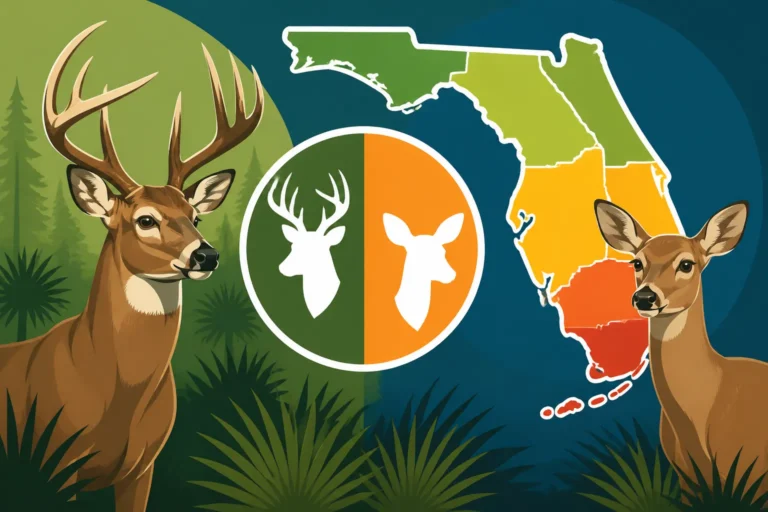
The Florida FWC has wisely divided the state into four distinct deer management zones—Zones A, B, C, and D. This isn't arbitrary; these zones reflect significant biological and environmental differences, including climate, habitat types, and even when the deer rut. Naturally, these variations lead to distinct harvest patterns. A comprehensive guide like "Hunting Florida's Four Deer Zones" can give you a deeper dive into each, but for now, let's look at the harvest implications.
For example, Zone A, encompassing much of South Florida, typically has one of the earliest archery openers, often in late July or early August. This early start means a portion of the harvest occurs when temperatures are still soaring, and deer behavior might be less predictable than during cooler months. Deer in this zone also tend to be smaller-bodied on average. Contrast this with Zone D in the Panhandle, which has a much later fall opener and experiences cooler weather, leading to a different pattern of harvest and typically larger-bodied deer.
Zone C, which covers much of North Central Florida, often has an early archery season that can be incredibly productive, especially if hunters key into pre-rut activity. Its habitat, often a mix of pine uplands, oak hammocks, and agricultural fields, supports a healthy deer population. Zone B, in Central Florida, often has a significant harvest during its mid-gun season, which coincides with a strong rut in many areas. These seasonal differences directly influence when and how the majority of deer are harvested in each region.
It's not just when the seasons open, but also the regulations within each zone that shape the harvest. Some zones might have more liberal antlerless harvest opportunities, while others might focus more on buck-only hunting for portions of the season. These regulatory differences are designed to manage the specific deer populations within each zone effectively. For instance, an area with an overpopulation of does might see an increased antlerless harvest to help balance the herd, while another area might aim to protect younger bucks.
Localized Factors and Anomalies
Beyond the broad strokes of deer management zones, even more localized factors can significantly impact annual deer harvest. Consider a specific Wildlife Management Area (WMA). Many WMAs utilize a quota hunt system, meaning only a limited number of hunters are allowed access during certain periods. While this limits the total number of hunters, it often leads to higher success rates for those who draw a permit, as there is less pressure on the deer. These focused hunts can produce excellent localized harvest data.
Agriculture also plays a huge role. Areas with extensive agricultural operations, such as corn, soybeans, or "Hunting a Standing Peanut Field", often hold higher deer densities than surrounding forested areas. Deer are drawn to these abundant food sources, leading to concentrated populations and, consequently, higher local harvests. Hunters who gain permission on private lands adjacent to these agricultural fields often experience great success.
Another, often overlooked, factor is urban and suburban encroachment. While traditional hunting wisdom might steer clear of developed areas, deer populations near the fringes of human habitation can present interesting anomalies in harvest data. These deer, living in fragmented habitats, can be incredibly adaptable and sometimes surprisingly unpressured, leading to pockets of strong harvest for hunters who are able to secure permission on private land in these unique transitional zones.
Finally, don't underestimate the power of highly localized natural events. A particularly good acorn crop in a specific oak hammocks, or conversely, a localized drought that dries up small creeks in a particular palmetto head, can drastically alter deer movement patterns in that specific micro-region. These events can cause significant spikes or dips in local harvest data that might not be reflected in the broader zone or statewide numbers. Savvy hunters use tools like GoHunt to research harvest history on a very localized level, combining it with their own scouting observations to uncover these subtle patterns.
Here's a generalized look at how harvest might differ across Florida's deer management zones:
| Category | Zone A (South Florida) | Zone B (Central Florida) | Zone C (North Central) | Zone D (Panhandle) |
|---|---|---|---|---|
| Buck Harvest | Moderate | High | High | Very High |
| Doe Harvest | High | Moderate | Moderate | Low |
| Average Deer Size | Smaller | Medium | Medium | Larger |
| Peak Harvest Time | Early Archery/Gun | Mid-Gun Season | Early Archery | Late Fall Gun |
| Primary Habitat | Everglades, Scrub | Pine/Oak, Pastures | Oak/Pine, Ag Fields | Big Timber, Swamp |
Disclaimer
This article is for general informational purposes only and does not constitute professional advice. Laws, prices and regulations vary by location and change over time. Consult a qualified professional for guidance on your specific situation.