Best Florida Counties for Big Bucks
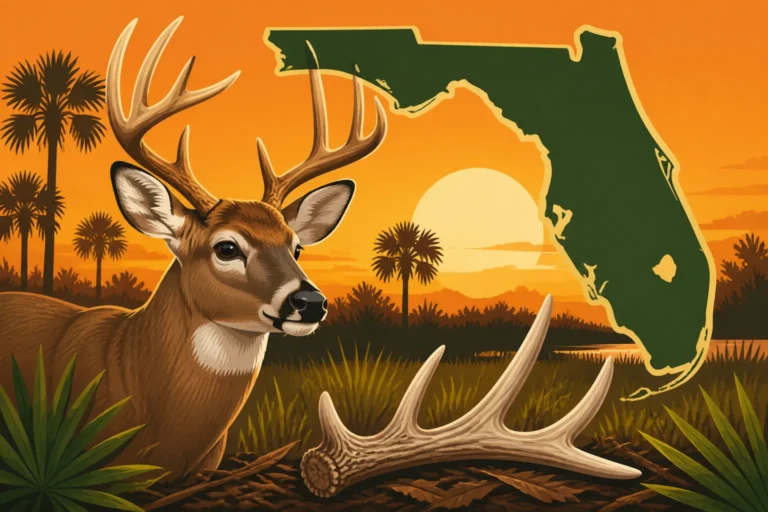
Many hunters in Florida dream of wrapping their hands around a truly massive set of antlers, but finding those elusive big bucks in the Sunshine State can feel like searching for a needle in a palmetto patch. Florida's unique ecosystems and varying deer densities mean trophy potential isn't uniform across the state. This guide will take a deep dive into the specific counties and regions that consistently produce larger whitetails, helping you focus your efforts and understand what makes these areas stand out for your next big buck pursuit.
Understanding Florida's Deer Landscape for Trophy Potential
Florida isn't known for giant bucks like some Midwestern states, and that's okay. Our whitetails are often a different beast altogether, adapted to a subtropical environment that offers both challenges and unique opportunities for antler growth. The key to finding a big deer here isn't just luck; it's understanding the nuances of our local habitats, genetics, and how deer thrive in them. It takes a different kind of dedication and local knowledge to consistently target and harvest mature deer that meet trophy standards for our state.
The Impact of Habitat and Nutrition on Antler Growth
Just like any other wild animal, a Florida whitetail's antler size is a direct reflection of its health, which in turn is dictated by the quality and abundance of its food sources. Our landscape varies dramatically, from the rich agricultural fields of the Panhandle to the nutrient-poor pine flatwoods and dense swamps of South Florida. This diverse geography directly impacts the nutritional intake of deer, which then manifests in their body size and antler development.
In areas with fertile soils, like those found in parts of the Florida Panhandle or along major river systems, deer have access to a much wider array of high-protein forage. Think about acorns from mature oak hammocks, lush forbs that spring up after a rain, or even agricultural crops like peanuts and soybeans. This consistent, high-quality nutrition fuels body growth and provides the minerals necessary for impressive antler development. A deer that can easily find what it needs to eat spends less energy foraging and more on growing, allowing it to put more resources into developing a larger rack.
Conversely, in vast stretches of pine flatwoods or dense scrub, the forage can be sparse and less nutritious, especially during drier periods. Deer in these areas often have smaller body sizes and, consequently, smaller antlers. It's not that big bucks don't exist in these tough spots, but they are fewer and farther between, and their rack size might be considered "trophy" for that specific habitat, even if it's smaller than a northern buck. Understanding these distinctions is crucial, as it informs where you should focus your scouting efforts and expectations, and helps manage your perspective on what constitutes a truly "big" Florida buck.
Genetic Potential and Management Practices
Beyond nutrition, genetics play a significant role in antler potential. While all Florida whitetails are the same species, localized populations can develop distinct characteristics over generations. Some regions simply have deer with a genetic predisposition for larger racks, especially when combined with excellent nutrition. This isn't something that happens overnight; it's the result of countless seasons where older, bigger-antlered bucks successfully breed, passing on those desirable traits, and where the overall Florida Deer Herd Size allows for a healthy age structure.
Furthermore, sound wildlife management practices, whether on private land or within some of our well-managed Wildlife Management Areas (WMAs), are absolutely critical. Practices like selective harvesting, where hunters are encouraged to pass on younger bucks and focus on doe harvest to balance the herd, allow younger bucks to reach maturity. It takes time for a buck to express its full antler potential, often peaking between 4.5 and 6.5 years old. When you combine good genetics with a habitat that provides ample nutrition and a management strategy that allows bucks to age, you create the perfect storm for growing big deer. Private landowners, in particular, often invest heavily in supplemental feeding programs and habitat improvements, which can dramatically boost the number and quality of trophy bucks. If you're interested in what truly constitutes a "trophy" in the Sunshine State, it's worth taking a look at the criteria in the Florida Deer Record Book. You can learn more about how deer are managed across the state in our comprehensive guide to White-Tailed Deer Across Florida.
Top Counties and Regions for Florida Big Bucks
So, where do you go if you're serious about chasing a Florida monster? While a big buck can technically pop up anywhere, certain areas consistently produce more and larger animals. These aren't secrets to the dedicated Florida hunter, but knowing why they are productive can help you understand where to invest your time and energy. It requires a commitment to scouting and often, a willingness to get off the beaten path, but the rewards can be truly memorable.
North Florida's Panhandle Powerhouses
Without a doubt, the Panhandle region often holds the highest concentration of Florida's largest whitetails. Counties like Jackson, Gadsden, Calhoun, Holmes, and Walton are frequently mentioned when hunters talk about trophy potential. These areas boast a combination of factors that are hard to beat in Florida for growing big deer, including a longer fall and winter, allowing for more consistent forage throughout the cooler months.
These counties benefit from a mix of fertile agricultural lands, extensive timber operations with varying age classes of forest, and abundant mast crops from mature hardwoods. The soils here are generally richer than those further south, leading to better forage quality that directly supports larger body and antler growth. You'll find a blend of private land with strong deer management programs and large tracts of public land, including parts of the Apalachicola National Forest, which offer diverse hunting opportunities, from deep timber to swamp edges.
Deer in these northern counties also tend to have slightly larger body sizes on average, which often correlates with bigger antlers. This region has a classic "southern deer hunting" feel, with extensive pine plantations, productive oak hammocks, and fertile creek bottoms providing ideal cover and food. If you're looking for bigger deer, understanding Why Panhandle Deer Grow Bigger Than South Florida Deer is a great starting point, and exploring areas like Hunting Florida Panhandle Pine Plantations can reveal excellent opportunities.
Central Florida's Hidden Gems
Central Florida might not boast the sheer numbers of huge deer as the Panhandle, but it definitely has its moments, especially in counties that contain a good mix of habitat and agricultural influence. Sumter, Marion, Polk, and parts of Osceola and Lake counties can surprise you with unexpected trophy potential. These areas often get less attention for big bucks, making them excellent places for dedicated hunters to find success.
These areas often feature large private ranches and farms, as well as significant tracts of state forest and Wildlife Management Areas. The key here is often proximity to rich agricultural fields, citrus groves, or improved pastures that provide high-energy food sources. Deer in these areas benefit from this supplemental nutrition, especially if they have access to dense cover in nearby swamps or palmetto thickets to escape pressure. The mix of open agricultural land and thick cover creates ideal conditions for mature bucks to thrive and avoid detection.
While the average antler size might be a bit smaller than the Panhandle, the bucks that do reach maturity in these prime Central Florida spots can be exceptional. These deer are often incredibly cunning due to higher hunting pressure, making a successful harvest even more rewarding. Many of these areas also have robust populations of feral hogs, offering a fantastic combo hunt opportunity. Exploring Hunting Florida Central Ridge Sandhills can give you a better idea of the unique habitat you'll find here, including crucial pinch points and travel corridors.
South Florida's Challenging but Rewarding Pursuits
Hunting big bucks in South Florida – particularly in expansive counties like Collier, Hendry, Glades, and Palm Beach – is a different ballgame altogether. The habitat here is often incredibly challenging: vast cypress swamps, expansive palmetto prairies, and dense scrub that can feel impenetrable. The soils are typically less fertile, and deer densities can be lower than in other parts of the state, demanding a higher level of scouting and perseverance.
However, don't write it off! South Florida holds a special kind of trophy. While the antlers might not always reach the mass and width of a Panhandle giant, the mature bucks down here are truly survivors. They are often incredibly wary, adapted to harsh conditions, and represent a significant challenge. These deer are often extremely reclusive, making them difficult to pattern and even harder to get a shot at.
Some of the biggest-bodied deer, despite slightly smaller racks, come from these formidable landscapes, especially from well-managed private ranches or the edges of the Everglades. The ruts in these regions also often occur later in the season, which means understanding When the Florida Rut Peaks by Zone is crucial for success. Success in South Florida often comes down to intimate knowledge of specific areas, the deer that inhabit them, and sometimes requires specialized access like airboats to reach truly untouched pockets.
Strategies for Hunting Trophy Bucks in Florida's Hot Spots
Now that you know where to look, let's talk about how to increase your odds of tagging a truly big Florida buck. It's not just about showing up; it's about preparation, persistence, and understanding deer behavior in our unique environment. Florida deer, especially mature bucks, have adapted to incredible hunting pressure and hot weather, making strategic hunting all the more important.
Scouting and Locating Big Buck Sign
Effective scouting is paramount, especially on public land. Forget just wandering around; you need to be systematic. Start long before the season, using digital tools like GoHunt or other mapping apps to identify potential hotspots. Look for areas with diverse habitat – transitions from dense cover to open feeding areas, creek bottoms, or oak hammocks. Pay attention to water sources, especially during dry spells, as these become critical congregation points.
Once on the ground, focus on finding undeniable big buck sign. We're talking about large, fresh rubs on sturdy trees, deep scrapes with an overhanging licking branch, and significant tracks. Don't be fooled by small rubs; you're looking for evidence of a mature deer. Whether you're using a handheld GPS or a subscription service like GoHunt, understanding the lay of the land digitally before you ever step foot in it can save you countless hours of unproductive scouting. During the off-season, shed hunting can also give you clues about the size and presence of mature bucks in an area, revealing their preferred bedding and travel routes.
Remember, Florida's sandy soil often makes tracking challenging, so knowing how to read subtle signs like disturbed leaf litter, faint trails, and even the "smell" of a mature buck's presence is key. For more in-depth scouting, consider learning how to use Reading Aerial Photos for Florida Deer to pinpoint potential travel corridors and feeding locations before you even step foot in the woods. This allows you to prioritize areas for on-the-ground investigation, saving valuable time and energy. You can also dive into Scouting Florida Public Land Before Season for even more detailed preparation tips.
Timing Your Hunt for Peak Rut Activity
The rut is unequivocally the best time to catch a mature buck off guard in Florida. However, our rut cycles vary significantly by zone, sometimes by as much as two or three months. North Florida generally sees a rut earlier than Central or South Florida. Knowing when the local does are coming into estrus in your target county is vital, as this is when big bucks will throw caution to the wind in pursuit of breeding opportunities.
This means adjusting your hunting strategy based on the specific zone and even the micro-region. For example, if you're Hunting the Zone B Rut in November, your tactics might differ greatly from someone chasing a late rut buck in Zone D in January. During the peak rut, those older, wiser bucks become far more vulnerable as they are singularly focused on breeding. They will be covering more ground, checking doe groups, and responding more aggressively to rattling and grunting, making them more visible and callable.
Patience is key during the rut, as is staying in your stand or blind for extended periods, especially during mid-day when bucks might be cruising for does. Pay close attention to subtle shifts in weather, as a cool front can ignite a flurry of activity during this crucial period. Understanding the local rut timing is not just about knowing the month; it's about understanding the progression and daily peaks within that window for the best chance at a true Florida trophy.
Leveraging Resources: Public vs. Private Land
Access is often the biggest hurdle for hunters, especially when targeting trophy bucks. Private lands, particularly large ranches or timber company leases with good management, often offer the best opportunity for consistent big buck encounters. Landowners have the ability to control pressure, manage habitat, and implement selective harvest strategies that favor older age classes, leading to more mature deer on their property. If you're considering this route, exploring options for Getting Private Land Permission in Florida or joining a well-managed hunting club can be highly beneficial, though these often come with a cost.
However, don't discount Florida's public lands. While they often see more pressure, there are still excellent opportunities for big bucks, especially for hunters willing to put in the effort. WMAs and national forests can hold giants, particularly in less accessible areas that other hunters avoid. The trick is often finding those overlooked pockets, walking further than others, or targeting areas that are difficult to reach due to terrain or thick cover. Utilizing the extensive mapping features of services like GoHunt can help identify potential remote areas within large public tracts that might hold unpressured deer.
Don't be afraid to try different tactics to gain an edge. This might include setting up Using a Ground Blind on Florida Public Land in thick cover along a known travel corridor, or patiently watching a key pinch point like a Hunting a Cypress Head at Last Light where deer funnel naturally. Persistence on public land eventually pays off for those willing to work for it, often yielding a deep sense of accomplishment when a hard-earned trophy is finally tagged.
| Region/Counties | Primary Habitat Types | Key Factors for Big Bucks | General Trophy Potential |
|---|---|---|---|
| Panhandle | Pine Plantations, Oak Hammocks, Agricultural Fields | Fertile Soils, Good Nutrition, Strong Genetics, Private Land Mgmt | High |
| (Jackson, Gadsden, Calhoun) | |||
| Central Florida | Pine Flatwoods, Citrus Groves, Pastures, Swamps | Agricultural Influence, Private Ranch Management, Dense Cover | Medium-High |
| (Sumter, Marion, Polk) | |||
| South Florida | Cypress Swamps, Palmetto Prairies, Dense Scrub | Survivor Bucks, Mature Age Classes, Specialized Access, Ranch Mgmt | Medium (Challenging) |
| (Collier, Hendry, Glades) |
Disclaimer
This article is for general informational purposes only and does not constitute professional advice. Laws, prices and regulations vary by location and change over time. Consult a qualified professional for guidance on your specific situation.