Hunting Florida’s Zone C Early Archery
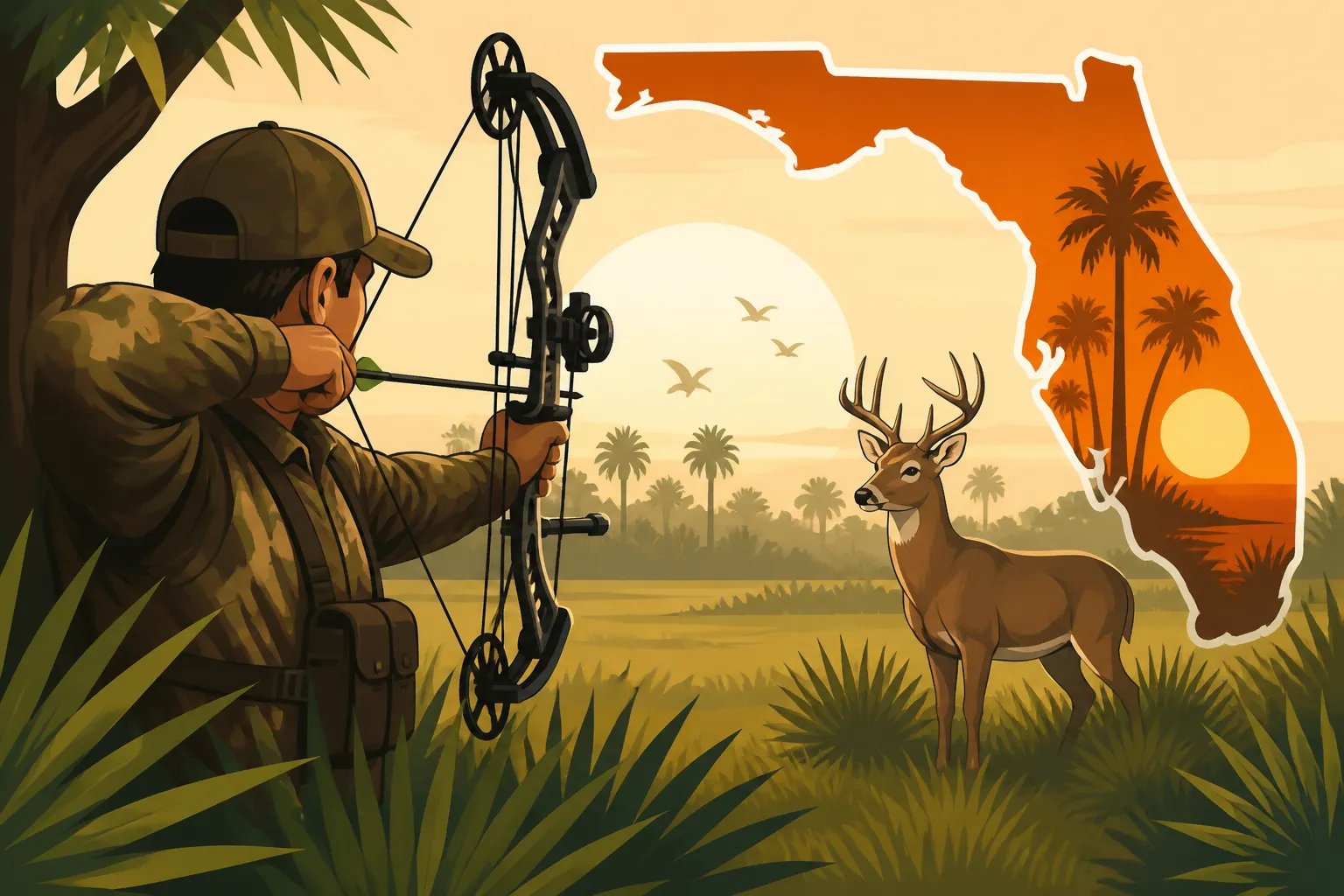
The humid air hangs heavy, and the mosquitoes are already singing their annoying tune, making you wonder if hunting season will ever bring a cool front. For many Florida hunters, the early archery season in Zone C can feel like a contradiction – the promise of chasing whitetails mixed with the harsh reality of scorching temperatures and thick, unforgiving cover. It’s a challenge that tests your patience, your gear, and your resolve. This guide is here to walk you through the nuances of Hunting Florida's Zone C Early Archery, helping you understand the unique conditions, master effective tactics, and prepare thoroughly for success when the bow season finally arrives.
Understanding Florida's Zone C and Its Unique Challenges
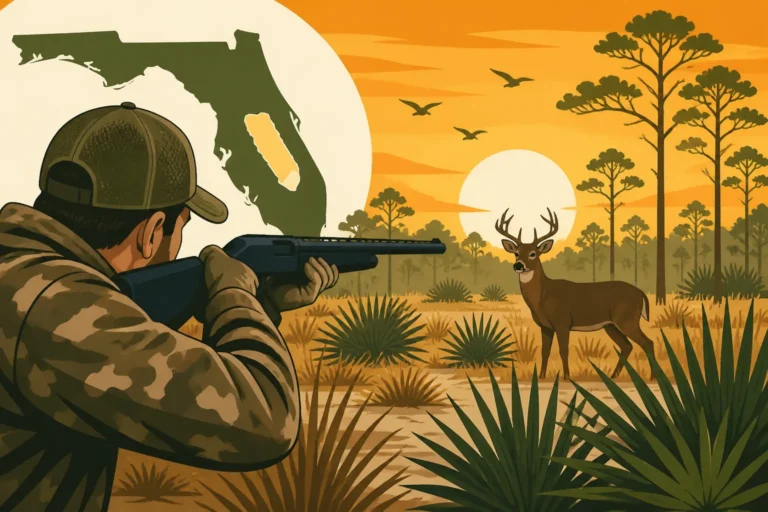
Zone C, encompassing a vast swath of central and north-central Florida, offers a diverse landscape from dense palmetto flatwoods to sprawling oak hammocks. The early archery opener here means one thing: heat. This isn't your crisp autumn morning hunt up north; it's a tropical endurance test that significantly impacts deer behavior and your hunting strategy.
Zone C Boundaries and Season Dates
Florida's deer management zones are designed to account for regional differences in deer populations, habitat, and rut timing. Zone C covers a significant portion of the state, roughly from Ocala south to parts of Polk County, and west towards the Gulf Coast. If you're wondering Which Zone Covers Your Florida County, checking the FWC regulations handbook or their website is always your first step. For archers, this zone typically kicks off the earliest, often in late July or early August, long before the first hint of fall. This means you're operating in peak summer conditions, which are critical to acknowledge. Expect daily temperatures soaring into the 90s with humidity levels that make 70 degrees feel like a sauna. Knowing these precise Florida Zone C Archery Opening Day dates allows you to plan your vacation time and get your gear ready well in advance.
The early opener often catches deer in their summer patterns, still feeding heavily on native browse and early mast crops. Acorns, if they’ve started dropping, will be a huge draw, as will green fields if planted early enough. However, water sources become paramount during this time. Any pond, slough, or even a depression holding standing water can be a magnet for deer, especially during the hottest parts of the day. Understanding these patterns is the bedrock of a successful hunt.
Why Early Archery is Different
Hunting in Zone C during the early archery season is a completely different ballgame than later firearm seasons. The dense summer foliage provides an incredible amount of cover for deer, making visual spotting a real challenge. You're not just contending with the heat; you're battling bugs, limited visibility, and deer behavior that's largely nocturnal. Deer are still primarily in their summer bachelor groups, and bucks might still be in velvet or just hardening their antlers. The rut is months away, so traditional rattling or grunting tactics won't be nearly as effective as they would be later in the year when you might be Rattling and Grunting Florida Bucks in a more traditional rut scenario.
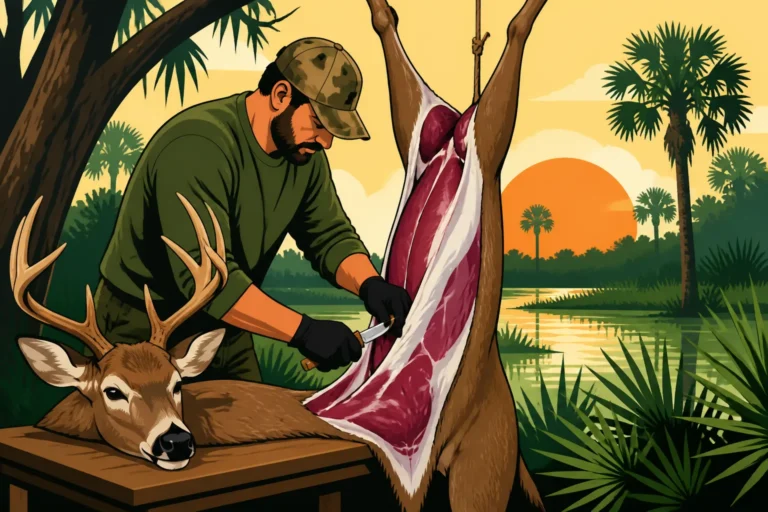
The biggest hurdle is the heat itself. Deer will move mostly at dawn and dusk, often seeking the coolest, thickest cover during the day. This dictates your hunting hours, your clothing choices, and even how long you can safely sit in a stand. Overheating is a real concern for hunters, and the same goes for game meat if not processed quickly. This isn't just about discomfort; it's about making ethical shots and ensuring your harvest doesn't spoil. The combination of dense cover, high temperatures, and limited deer movement means you need to be exceptionally patient and strategic.
Pre-Season Scouting and Preparation for Early Archery
Success in early archery season isn't found by just showing up opening morning. It’s earned through diligent pre-season work. Florida's dynamic environment demands a specific approach to scouting, especially when facing the summer heat and thick vegetation.
Scouting Before the Heat
While the official archery season may kick off in sweltering conditions, your scouting should ideally begin long before that. The months leading up to the opener, when deer are establishing summer patterns, are crucial for locating prime feeding areas, travel corridors, and bedding cover. Look for signs of heavy browse, fresh tracks near water, and rubs or scrapes from the previous year that indicate historical buck movement. Utilize tools like GoHunt to analyze satellite imagery and topo maps, identifying potential pinch points, hard-to-reach oak hammocks, or creek bottoms that offer shade and water.
Focus your efforts on areas where food and water sources converge. Green fields or natural food sources like wild grapes, persimmons, and early acorns will be key. Since deer movement is often restricted to cooler hours, scouting should also consider those times. Instead of midday treks, opt for early morning or late evening walks, noting fresh sign. Remember, these patterns can shift as new food sources become available or as velvet sheds, so continuous monitoring is vital. This pre-season work is also where you'll start to map out your Entry Routes Through a Florida Food Plot or identify hidden trails leading into dense cover, crucial for silent access.
Trail Camera Strategies
Trail cameras are your eyes in the woods when you can't be there, and they are indispensable for early archery scouting in Zone C. Their importance is amplified by the fact that deer are often nocturnal during this period. Set up cameras on known travel routes between bedding and feeding areas, near water sources, and especially over any new food plots or natural mast production areas. Wireless cameras, though an investment, can save you from repeatedly disturbing the area and leaving human scent, which is particularly potent in humid conditions.
Focus on setting cameras in shady spots to prevent glare and overheating. Consider using attractants or mineral sites (where legal) to draw deer in front of your cameras, helping you pattern specific bucks. Crucially, pay attention to the time stamps on your photos. If most of your buck activity is happening after dark, you'll need to adjust your strategy to target their limited daytime movement or identify transition areas where they might move before full dark. This data is invaluable for pinpointing specific stand locations and determining if a particular buck is even accessible during legal shooting hours.
Effective Archery Tactics for Zone C Whitetails
Once you've done your homework and understand the lay of the land, it's time to apply specific archery tactics that are proven to work in Zone C's challenging early season conditions.
Stand Placement and Wind
Because of the dense cover and the deer's reliance on their noses, stand placement is absolutely critical. You need to identify tight travel corridors and natural funnels that force deer into predictable paths. Look for breaks in thick palmetto, edges of cypress swamps, or transition zones between different habitat types. Pay close attention to wind direction, as it can shift unpredictably in Florida's often flat terrain. Utilizing apps like GoHunt that provide real-time wind forecasts and land ownership layers can be a game-changer, helping you choose the right stand for the day. Always hunt with the wind in your favor, especially when deer movement is limited.
Consider the sun's position too. An early morning hunt might mean a sun directly in your face or, more importantly, in the deer's face, offering a momentary advantage. Conversely, an evening hunt requires you to think about how the setting sun might silhouette you. When you're Hunting a Funnel Between Two Palmetto Heads or along a creek bed, ensure your approach and exit routes are also concealed and downwind. This is not the time for casual entry; every step must be deliberate to minimize disturbance.
Calling and Decoying in Early Season
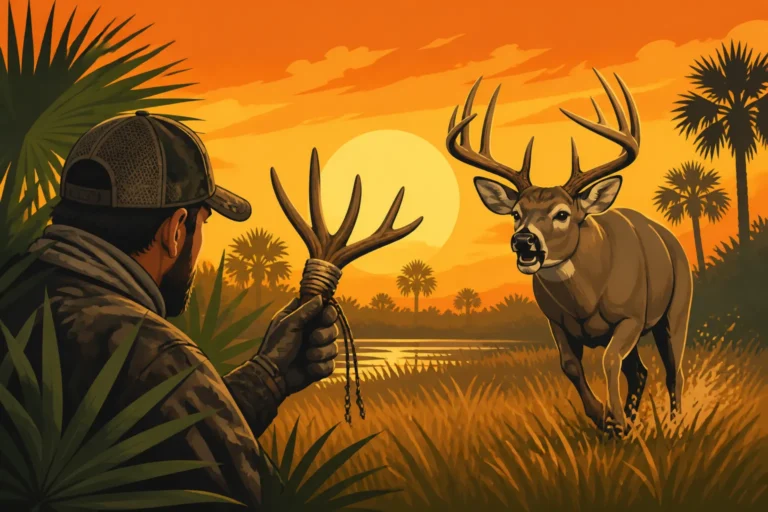
Unlike the frenzy of the rut, early archery season in Zone C is typically not the time for aggressive calling or elaborate decoy setups. Bucks are generally still in their summer patterns, often in bachelor groups, and focused more on food and survival than breeding. Therefore, light, subtle calling can sometimes be effective, mainly soft doe bleats or quiet grunts that mimic casual deer chatter. The goal isn't to draw a buck in for a fight, but to pique their curiosity or perhaps stop a moving deer for a shot opportunity.
Decoys are generally less effective in the early season, especially full-size buck decoys. Bucks aren't looking for a confrontation, and a lone decoy might make them nervous. If you do use a decoy, a simple doe decoy or even a fawning doe setup might be less alarming. The dense vegetation also makes long-range decoy visibility difficult, often limiting their impact. Instead, focus your energy on precise stand placement and meticulous scent control, as deer will be much more sensitive to human odors in the still, humid air.
Bow and Arrow Setup for Florida Hunting
Florida hunting conditions demand a robust and reliable bow and arrow setup. The dense vegetation means shots can be close, and you might encounter deer in tight spots. A smooth-drawing, quiet bow is paramount. While speed is always appealing, accuracy and kinetic energy for penetration are far more critical in the real-world scenario of a Florida whitetail. You’ll want an arrow setup that provides excellent penetration, especially when dealing with potential quartering-away shots or hitting bone in a mature buck.
Consider using heavier arrows with fixed-blade broadheads, such as those offered by brands like Iron Will Outfitters or Wasp Archery. These broadheads are known for their strength and cutting diameter, ensuring maximum tissue damage and blood trails, which are crucial when tracking in thick Florida scrub. A well-tuned bow, capable of putting arrows exactly where you aim, combined with a sharp, dependable broadhead, will dramatically increase your chances of a clean, ethical harvest. Don't overlook the importance of having your bow serviced and tuned before the season, especially after sitting in a garage during the hot summer months.
Gear and Equipment Considerations for Florida's Climate
Hunting in Florida's early archery season means battling the elements as much as chasing deer. Your gear needs to be up to the task of keeping you comfortable, concealed, and safe in extreme heat and humidity.
Clothing and Thermals
This is arguably the most critical gear decision for early season Florida hunting. Forget the heavy camo; you need lightweight, breathable, moisture-wicking clothing. Brands like Kuiu and Sitka offer excellent options designed for hot weather, using technical fabrics that pull sweat away from your body, helping you stay cooler and drier. Look for light colors or patterns that mimic the summer foliage, as deer's color vision is different from ours, and they mostly detect movement and contrasts. Avoid anything that will absorb and hold heat.
Layering might seem counterintuitive in the heat, but a thin base layer can actually help manage sweat and prevent chafing. Sun protection is also key: wide-brimmed hats, neck gaiters, and even lightweight sun gloves can make a huge difference in preventing sunburn and keeping you cooler. And don't forget insect repellent! Permethrin-treated clothing and a good DEET-based spray are essential for combating mosquitoes, ticks, and no-see-ums that thrive in the summer swamp.
Here's a quick comparison of clothing types for Zone C early archery:
| Feature | Ideal Hot Weather Gear (Early Archery) | Traditional Cool Weather Gear (Later Season) |
|---|---|---|
| Material | Lightweight, synthetic, moisture-wicking | Heavier fleece, wool, insulated synthetics |
| Breathability | Very High | Moderate to Low |
| Layers | Minimal, focus on single wicking layers | Multiple, for warmth and adaptability |
| Color/Pattern | Lighter, open patterns (summer foliage) | Darker, dense patterns (fall/winter trees) |
| Insect Repellent | Essential (Permethrin, DEET) | Less critical, but still useful |
| Movement Noise | Quiet, rustle-free | Can tolerate slightly more bulk |
Hydration and Safety Gear
The Florida heat is no joke, and dehydration can set in quickly, leading to impaired judgment and dangerous situations. Carrying ample water is non-negotiable. A hydration pack is often preferred over water bottles as it allows for hands-free sipping and carries more volume. Electrolyte supplements or drinks can also be beneficial to replenish what you lose through sweat. Plan to carry at least 2-3 liters of water for a half-day hunt, and considerably more if you plan to be out all day.
Beyond hydration, consider a small, portable first-aid kit that includes essentials for insect bites, minor cuts, and snakebites. While rare, encounters with venomous snakes like rattlesnakes and cottonmouths are possible in Florida's wilder areas. A reliable headlamp for early morning or late evening treks, a fully charged cell phone (with a portable charger), and a GPS device or a mapping app like GoHunt are also crucial for navigation and emergency communication. Always tell someone where you are going and when you expect to return. In these conditions, it’s not just about comfort; it's about survival. You might also want to look into specific guidance for Hot-Weather Sitting Strategy in Florida to make your time in the stand more bearable and productive.
Navigating Regulations and Public Land in Zone C
Hunting public land in Florida, especially during the early archery season in Zone C, comes with its own set of rules and challenges. Understanding these regulations and how to navigate Wildlife Management Areas (WMAs) is paramount to a legal and successful hunt.
License Requirements and Permits
First and foremost, to hunt deer in Florida, you'll need a valid Florida hunting license. For archers, this typically includes a Florida hunting license, a deer permit, and an archery season permit. If you're planning on hunting on public lands classified as Wildlife Management Areas (WMAs), you'll almost certainly need a The Florida WMA Management Area Permit as well. Some WMAs, especially popular ones or those managed for quality deer, might also require a quota permit, meaning you have to apply and be drawn to hunt specific dates. Make sure you understand all the required Florida Hunting Licenses and What They Cost well in advance.
Non-residents face additional fees and potentially different regulations, so double-checking the FWC website or calling their regional offices is highly recommended. Always carry proof of your licenses and permits while hunting, either physically or digitally on your phone through the FWC Fish/Hunt FL app. Reporting your harvest is also a legal requirement in Florida, and understanding Florida Deer Reporting Requirements is essential to comply with state laws and help with wildlife management efforts.
WMA Specific Rules and Access
Wildlife Management Areas in Zone C offer fantastic opportunities, but each WMA often has its own set of rules that can differ from statewide regulations. These variations might include specific hunting dates, bag limits, antler point restrictions, vehicle access rules, or even restrictions on tree stands and trail cameras. Before heading out, always consult the WMA-specific regulations brochure, which is usually available on the FWC website or at the WMA check station. Failing to do so can lead to fines or permit revocation.
Access can also be a challenge. Some WMAs allow vehicle access on designated roads, while others require you to walk or use non-motorized transport like bicycles or electric carts. Understanding these rules, along with Treestand Rules on Florida Public Land or Ground Blind Rules on Florida WMAs, will ensure you're hunting legally and ethically. Many WMAs in Zone C, like Green Swamp Wilderness Preserve or Three Lakes Wildlife Management Area, offer incredible hunting experiences, but they demand thorough planning and adherence to their specific guidelines. Don't be afraid to utilize the FWC public hunting map and other resources, including tools like GoHunt, to pinpoint exact boundaries and access points. It’s also wise to scout these areas for Hunting Pressure on Florida Public Land, as early archery can draw a crowd in popular spots.
Conclusion and Disclaimer
Florida's Zone C early archery season is a truly unique hunting experience, offering the challenge and thrill of chasing whitetails in an environment unlike any other. While the heat, humidity, and dense cover can be daunting, a well-planned approach, diligent scouting, and the right gear can lead to a successful and rewarding hunt. Remember, preparation is key, from understanding deer behavior in the summer to meticulous scent control and staying hydrated. Embrace the challenge, learn from every outing, and you'll find immense satisfaction in harvesting a Florida whitetail with your bow.
Disclaimer
Please be aware that hunting regulations, season dates, and license requirements are subject to change by the Florida Fish and Wildlife Conservation Commission (FWC). Always consult the most current FWC regulations handbook and WMA-specific brochures before planning any hunting trip. This guide is for informational purposes only and does not supersede official FWC rules and regulations. Safety should always be your top priority when hunting.