Night Hunting Hogs With Lights in Florida
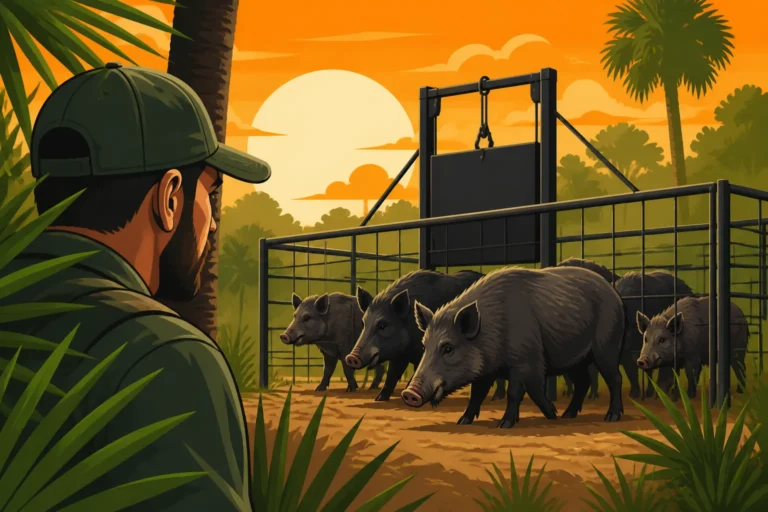
The Florida wilderness can be a land of shadows, especially when you're trying to outsmart a critter as wily and nocturnal as a wild hog. Many hunters spend countless hours during the day, sweating through palmetto thickets and cypress stands, only to find fresh sign from pigs that moved through mere minutes after they left. It's frustrating, to say the least. But what if there was a way to flip the script, to enter their world on their terms, and gain a significant advantage? This guide is here to walk you through the ins and outs of night hunting hogs with lights in Florida, giving you the knowledge to confidently pursue these destructive animals after dark.
Understanding Florida's Regulations for Night Hunting Hogs
Before you even think about gearing up, it's absolutely crucial to understand the legal framework surrounding night hunting in Florida. The rules aren't quite as straightforward as daylight hours, and ignorance is definitely not bliss when it comes to wildlife regulations. Florida Fish and Wildlife Conservation Commission (FWC) has specific guidelines, and adhering to them is paramount for a safe and legal hunt.
Legal Hours and Conditions for Hunting Hogs at Night
When it comes to wild hogs, Florida offers some unique flexibility compared to other game species. On private lands, wild hogs are considered unprotected game animals, which means there's no closed season, no bag limit, and perhaps most importantly for this discussion, no restriction on hunting hours. This is where the opportunity for night hunting with lights truly opens up. You can pursue them 24/7 on private property. However, it's a completely different story on public lands. With very few exceptions for specific quota hunts or nuisance animal permits, hunting hogs at night, especially with artificial lights, is generally prohibited on Florida's Wildlife Management Areas (WMAs) and other public lands. Always double-check the specific regulations for the WMA you plan to hunt, as rules can vary. For example, if you're wondering about specific guidelines, knowing Hunting Hogs on WMA Land in the Off-Season is a good place to start, but remember night hunting is rarely an option there.
Permissible Weapon and Light Types
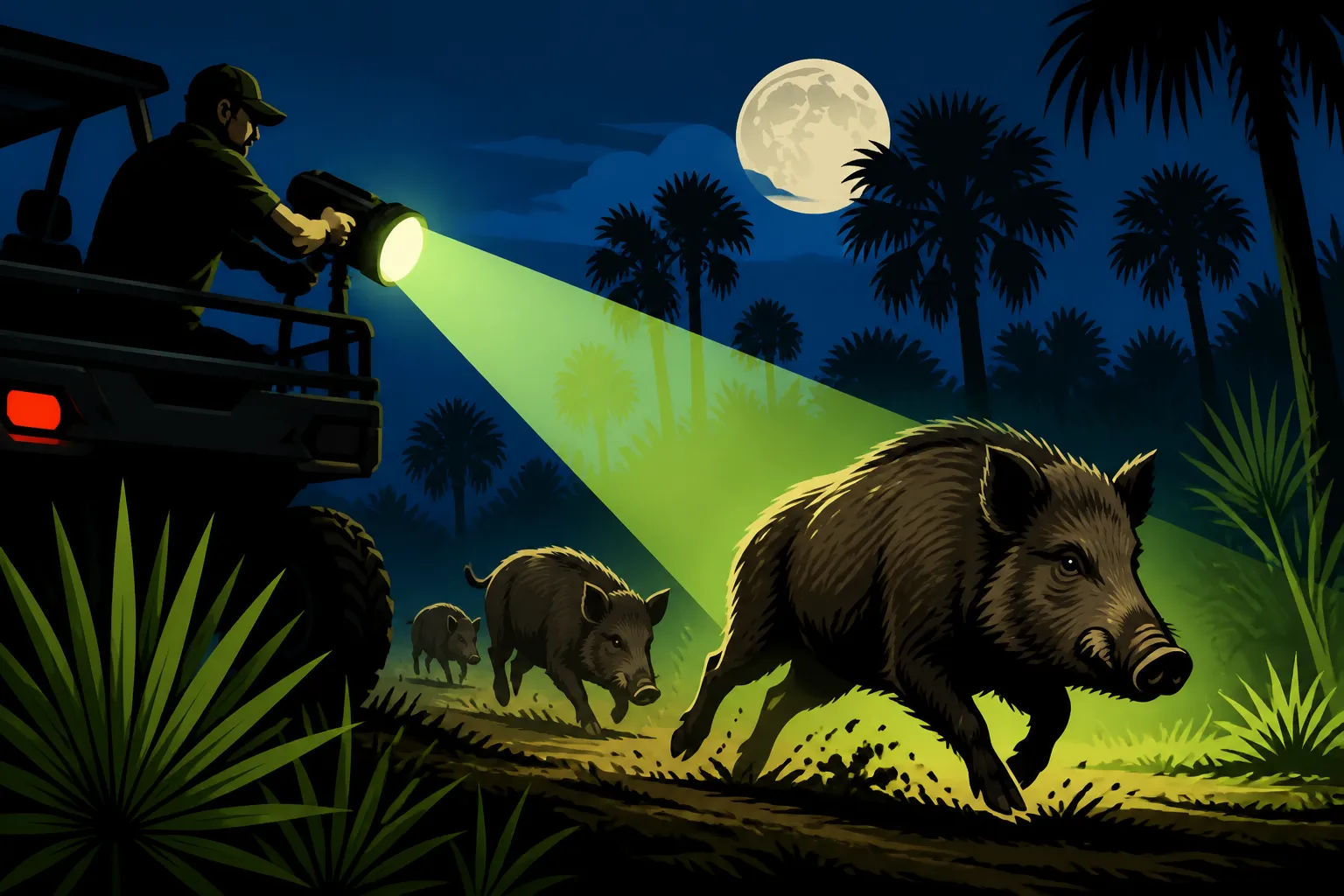
Florida law is quite clear about what you can and cannot use when hunting. For wild hogs on private land, the FWC allows the use of just about any legal firearm, bow, crossbow, or even a spear. This includes centerfire rifles, shotguns, and muzzleloaders, all perfectly acceptable for night hunting. The real game-changer for night hunting is the use of artificial lights. On private lands, it is legal to use artificial lights, including spotlights, weapon-mounted lights, and even thermal or night vision optics, to hunt wild hogs. There are no restrictions on color filters (red, green, white) either, allowing hunters to choose what works best for their eyes and the hogs' reactions. This broad allowance is what makes night hunting for hogs so effective in Florida. Always ensure your chosen light source is securely mounted or easily wielded in conjunction with your weapon, maintaining safety and accurate shot placement.
Public Versus Private Land Night Hunting Rules
This is perhaps the most critical distinction to grasp. The liberal rules for night hunting hogs with lights only apply to private property. This means land you own, land you have permission to hunt from the landowner, or leased land. If you step onto public land, such as a WMA or National Forest, with the intent to hunt hogs at night using artificial lights, you are almost certainly breaking the law. The FWC manages public lands differently, with stricter regulations designed to balance multiple uses, ensure safety, and protect other wildlife. Occasionally, the FWC may issue special permits or exemptions for specific public land areas for nuisance hog control, but these are rare and require explicit authorization. For the vast majority of hunters, night hunting hogs with lights means strictly sticking to private ground. Always carry written permission from the landowner when hunting private land, day or night, to avoid any confusion or legal issues.
Essential Gear for Night Hunting With Lights
Once you understand the regulations, the next step is assembling the right kit. Night hunting isn't just about slapping a flashlight on your rifle; it requires a thoughtful selection of specialized equipment to be effective, safe, and ethical. The right gear will significantly increase your success rate and enhance your overall experience under the moonlit Florida sky.
Illuminating the Darkness: Lights and Optics
The core of night hunting with lights, naturally, revolves around effective illumination and vision enhancement.
- Weapon-Mounted Lights: These are perhaps the most common and versatile tools. Modern weapon lights are incredibly powerful, often featuring adjustable beams and multiple brightness settings. Many hunters prefer lights with green or red filters, as these colors are less disruptive to human night vision and some argue hogs are less alarmed by them. A good quality weapon light should have a throw distance of at least 150-200 yards to identify targets clearly and confidently. Brands like Streamlight, Fenix, and Olight offer robust options designed for hunting.
- Thermal Optics: This is the pinnacle of night hunting technology. Thermal imaging detects heat signatures, allowing you to see hogs (or any warm-blooded creature) even in complete darkness, thick brush, or fog. They cut through camouflage like nothing else. While the upfront cost is higher, a good thermal scope or monocular (such as those from Pulsar, ATN, or Trijicon) can dramatically increase your effectiveness, especially when searching for animals in dense cover or tracking them after the shot.
- Night Vision Devices: Night vision, distinct from thermal, amplifies existing ambient light (moonlight, starlight). While effective, it performs best with some light available and can be hampered by heavy cloud cover or extremely dark conditions. Dedicated night vision scopes or binoculars (like those from ATN or Sightmark) are excellent for target identification once an animal is located, and some units combine night vision with an IR illuminator to enhance visibility.
- Headlamps and Handheld Lights: Don't forget basic utility lights. A red-light headlamp is indispensable for walking in and out, setting up, or field dressing. The red light preserves your night vision, allowing your eyes to adjust quickly when you turn it off. A powerful handheld spotlight can also be useful for scanning larger areas before committing to a stalk.
| Light/Optic Type | Detection Method | Pros | Cons | Ideal Use |
|---|---|---|---|---|
| Weapon-Mounted Light | Visible Light | Affordable, simple, clear target identification, no learning curve | Can spook animals, limited in thick cover, requires ambient light | Close-range engagements, identifying target clearly before the shot |
| Thermal Optic | Heat Signature | Excellent for detection in any condition (darkness, fog, light cover) | High cost, grayscale image, target identification can be challenging | Scanning for animals, detection in dense cover, tracking wounded game |
| Night Vision Device | Amplifies Light | Good for identification, can see fine details with some ambient light | Requires ambient light, can be washed out by bright lights | Target identification, navigation in low light, works well with IR |
| Headlamp (Red/White) | Visible Light | Hands-free, preserves night vision (red), general utility | Not suitable for shooting, limited range | Walking, setting up, field dressing, general camp tasks |
Firearms, Ammunition, and Suppressors
Your choice of firearm and ammunition is critical for both ethical harvesting and safety during night operations.
- Firearm Selection: For hogs, most common hunting calibers work well. A .223/5.56, .308 Win, 6.5 Creedmoor, or even a .450 Bushmaster are popular choices. The key is shot placement. Rifles are generally preferred over shotguns for their precision at longer distances, especially when hunting from a stand over bait. Whatever you choose, ensure it's a platform you're highly proficient and comfortable with in daylight, as night conditions add complexity.
- Ammunition: Select good quality hunting ammunition designed for reliable expansion and penetration. Soft point, ballistic tip, or bonded bullets are all excellent choices. Avoid purely varmint-style rounds that might fragment too quickly, especially on larger boars.
- Suppressors (Silencers): While not strictly required, a suppressor is a game-changer for night hunting. They significantly reduce muzzle blast and recoil, making follow-up shots easier and preserving your hearing. More importantly, the reduced noise can prevent other hogs in a sounder from scattering immediately, potentially allowing for multiple ethical shots. They also lessen disturbance for neighbors if you're hunting near developed areas. The process to acquire a suppressor involves federal paperwork (Form 4) and a tax stamp, but many reputable dealers like SilencerCo or SureFire can guide you through it. When you're Hunting Hogs Without a Bag Limit, a suppressor can make a big difference in harvest numbers.
Other Essential Accessories
Beyond the main gear, a few other items will make your night hunt safer and more enjoyable.
- Mapping Applications: Tools like GoHunt, onX Hunt, or Basemaps are absolutely invaluable. They allow you to mark property lines, access points, stand locations, bait sites, and track your movement, ensuring you stay on legal ground and can navigate effectively in the dark. A clear understanding of Finding Florida Property Lines is crucial when hunting private land.
- Communication Devices: Always carry a fully charged cell phone. If hunting with a partner, two-way radios can be excellent for silent communication.
- First-Aid Kit: Accidents can happen, especially in the dark. A well-stocked first-aid kit with essentials for cuts, scrapes, and snakebites is a must.
- Bug Spray: This is Florida. Need I say more? Mosquitos are relentless, especially at night.
- Knife and Field Dressing Kit: For processing your harvest.
- Cooler and Ice: Hogs are typically taken in warm weather, and meat spoilage is a real concern. Have a plan for quickly cooling down your harvest.
- Backup Batteries: For all your electronic devices. There's nothing worse than a dead light or optic when you're in the middle of a hunt.
Techniques for Successful Night Hunting
Effective night hunting isn't just about having the right gear; it's about employing smart strategies and understanding hog behavior. These techniques will help you maximize your chances of success and ensure a responsible hunt.
Scouting and Locating Hog Hotspots
Even though you're hunting at night, thorough daytime scouting is paramount. Hogs are creatures of habit, and understanding their daytime movements and bedding areas will help you pinpoint where they'll likely be active after dark.
- Identify Food Sources: Hogs are constantly searching for food. Look for rooting damage in fields, oak hammocks with fallen acorns, standing corn, peanut fields, or areas with wild berries. These are natural attractants. When you're Hunting a Standing Peanut Field, note where the freshest rooting is occurring.
- Water Sources: Hogs need water daily. Game trails leading to ponds, sloughs, creeks, or even muddy wallows are prime locations to set up.
- Bedding Areas: While they're often in dense, impenetrable cover during the day, understanding where they bed can tell you where they'll emerge from. Look for thick palmetto heads, cypress swamps, or dense brush piles.
- Trail Cameras: Deploying trail cameras with infrared flash (no-glow) during the day and night can provide invaluable intelligence. They show you exactly when and where hogs are moving, their size, and the composition of sounders. This helps you refine your setup location and timing. GoHunt's mapping features can be a big help in marking these spots.
- Fresh Sign: Always look for fresh tracks, droppings, and rooting. The fresher the sign, the more likely hogs are still in the area. Pay attention to how the Reading Florida Mud for Fresh Deer Movement principles also apply to hogs.
Baiting and Setting Up for the Kill
Baiting is a highly effective, and legal on private land, method for consistently attracting hogs to a specific location for night hunting.
- Legal Baiting Practices: In Florida, you can legally bait hogs on private land. Corn is the most popular and cost-effective bait. You can simply broadcast it, or use feeders, or even dig a shallow pit and dump a bag to create a long-lasting attractant. Remember, consistency is key; bait the same spot for several days or even weeks before you plan to hunt to establish a feeding pattern.
- Stand Placement: Your stand or blind placement is crucial for a successful night hunt. Position your stand downwind of the bait pile to prevent hogs from smelling you. Consider prevailing winds. Ensure you have a clear shooting lane to the bait, but also consider potential escape routes for the hogs. A ground blind brushed into the natural surroundings offers excellent concealment and helps contain your scent. Make sure your backdrop is safe and clear of structures or roads. If you're using a tree stand, ensure your light can adequately illuminate the bait and target area.
- Scent Control: Even at night, hogs have an incredible sense of smell. Practice good scent control by showering with scent-eliminating soap, washing your hunting clothes in scent-free detergent, and storing them in airtight bags. Use scent-eliminating sprays on your clothes and gear before heading to your stand. The extra effort pays off.
The Art of the Approach and Shot Placement
Approaching your hunting area and taking the shot at night requires patience, precision, and an understanding of how hogs react to light.
- Silent Approach: Move slowly and quietly to your stand or blind, especially if you're approaching an active bait site. Use your red-light headlamp only when absolutely necessary, keeping the beam directed downwards. Any sudden noises or bright white lights can spook hogs before you even get settled.
- Waiting Game: Once in your stand, be patient. Hogs often approach bait cautiously. Let them settle in and start feeding before you even think about activating your weapon light or looking through your thermal.
- Identifying Your Target: This is where the lights and optics shine. Take your time to clearly identify your target. Is it a hog? Is it a legal animal (if you're hunting other species, though for hogs there are no restrictions)? What's its size? You need 100% positive identification before raising your weapon.
- Activating Your Light/Optic: If using a visible light, practice a slow, controlled activation. Sometimes a quick flash can freeze them, other times it spooks them. A gradual, low-intensity sweep onto the animals, slowly increasing brightness, often works best. If using thermal, you'll already have them located, making the final identification with a weapon light or night vision much smoother.
- Shot Placement: With hogs, the vitals are slightly different than deer. Aim for the "shoulder pocket" — a bit forward and lower than a deer's vitals, essentially aiming for the crease behind the ear for a headshot (if you're highly proficient and at close range) or the heart/lung area behind the front leg. A well-placed shot is essential for a quick, ethical kill and minimizing tracking in the dark. Be aware that Tracking a Deer in Sandy Florida Soil is challenging enough; tracking a hog in the dark is even harder.
- Follow-Up: Always be prepared for a quick follow-up shot. Hogs are tough animals, and sometimes it takes more than one round to bring them down, especially larger boars.
Safety Considerations and Best Practices
Night hunting adds layers of complexity and risk that daylight hunting doesn't have. Prioritizing safety is non-negotiable. Ethical considerations also play a significant role in ensuring a responsible and respectable hunt.
Always Mind Your Backstop and Surroundings
In the dark, it's incredibly easy to lose situational awareness. This is perhaps the most critical safety rule for night hunting.
- Identify Your Backstop: Before you even consider taking a shot, you absolutely must know what is behind your target. In daylight, you might see a berm, a thick patch of woods, or simply open field. At night, that open field could hide a fence line, a road, or even a building. Always choose a shooting lane with a known, solid backstop. This is where your daytime scouting truly pays off, helping you identify safe shooting lanes well in advance. Never take a shot if you are unsure of what lies beyond your target.
- Situational Awareness: Hogs rarely travel alone. A sounder can scatter in an instant. Be aware of where other hogs are located, especially if you plan on taking multiple shots. Ensure your shooting lane remains clear and that no other animals, or even worse, people, have entered the zone.
- Proximity to Structures/Roads: Florida has regulations regarding the discharge of firearms near occupied dwellings or public roads. Even on private land, you need to be mindful of these setbacks. Night hunting doesn't exempt you from these rules. A good mapping app like GoHunt with property lines and road markers is indispensable for this.
Communication and Emergency Protocols
Hunting alone at night can be particularly risky. Always have a plan for communication and emergencies.
- Hunt with a Buddy (If Possible): Hunting with a partner significantly enhances safety. You can watch each other's backs, communicate quietly, and have assistance in case of an emergency or when retrieving a large hog.
- Tell Someone Your Plan: If you must hunt alone, always inform a trusted person of your exact hunting location, your planned entry and exit times, and when you expect to check in. Provide them with your route and a contact number for local authorities in case you don't check in.
- Emergency Kit: Beyond your basic first-aid, consider a small survival kit with a whistle, fire starter, space blanket, and extra water. A personal locator beacon (PLB) or satellite messenger can be a lifesaver in areas without cell service. While Florida is generally flat, it's easy to get disoriented in the dark.
- Snake Bite Kit: Florida is home to venomous snakes, and many are nocturnal. Be extra vigilant when walking through brush, especially after dark. Carry a snake bite kit and know how to use it, or at least how to react if bitten (stay calm, immobilize, seek immediate medical attention).
Ethical Shot Placement and Retrieval
Ethical hunting extends to night operations. Our responsibility is to dispatch animals as quickly and humanely as possible.
- Positive Identification: Never shoot at an unidentified target. The darkness can play tricks on your eyes, even with the best optics. Make sure you are 100% certain it is a hog and that you have a clear, ethical shot opportunity.
- Wait for the Right Shot: Just because you can see a hog doesn't mean you should shoot. Wait for the animal to present a broadside or quartering-away shot that gives you the best chance for a clean kill. Avoid chasing running shots in the dark.
- Tracking Wounded Game: If you make a less-than-ideal shot, the challenge of tracking in the dark increases exponentially. Have a plan for tracking. A good powerful spotlight can help, and thermal optics are fantastic for finding blood trails (as blood cools slower than its surroundings) or spotting a downed animal. If the trail is sparse or conditions are bad, it's often best to mark the last known location and return at first light with fresh eyes and possibly a tracking dog if available. Blood Trailing After Dark in Florida can be a frustrating experience, but sometimes necessary.
- Responsible Harvest: Once the hog is down, quickly and efficiently field dress it to begin the cooling process, especially in Florida's warm climate. Have a plan for getting the hog out of the woods and processed. Remember, Cooking a Wild Florida Hog starts with proper field care.
Finding Productive Areas for Night Hunting
While regulations strictly limit night hunting to private land, that still leaves a vast amount of potential territory across Florida. Knowing what types of private land are most likely to hold hogs and how to approach landowners can dramatically increase your opportunities.
Identifying Productive Private Lands
Wild hogs are incredibly adaptable, thriving in a variety of Florida habitats. However, some areas consistently prove more productive for night hunting.
- Agricultural Lands: Hogs are notorious for raiding crops. Farmers and ranchers often welcome hunters who can help mitigate damage. Look for farms growing corn, peanuts, soybeans, or even sweet potatoes. These are natural magnets for hogs. Ranchlands with extensive pastures also attract hogs, as they root for grubs, worms, and tender shoots.
- Pine Plantations and Timber Leases: Many timber companies lease out blocks of land for hunting. These areas often have a mix of planted pines, natural hardwoods, and clear-cuts, providing diverse forage and cover for hogs. They frequently incorporate food plots or baiting areas that are ideal for night hunting.
- Large Private Ranches and Estates: Florida has numerous large private landholdings, some specifically managed for hunting. Gaining access to these can be challenging, but they often offer exceptional hog hunting opportunities due to limited pressure and dedicated habitat management. Many of these landowners might already be dealing with hog problems.
- Swamp and River Bottomlands: Hogs love wet, dense cover. Areas adjacent to the St. Johns River, Suwannee River, or smaller creeks and sloughs often hold high concentrations of hogs, especially if they are bordered by agricultural fields or oak hammocks. These areas provide water, wallowing opportunities, and escape cover.
Gaining Landowner Permission
Accessing private land is key to legal night hunting. This often means building relationships and demonstrating respect for the landowner's property.
- Networking: Talk to local farmers, ranchers, and other hunters. Word-of-mouth is often the best way to find opportunities. Let people know you're a responsible hunter looking to help with hog control.
- Direct Approach (Respectfully): Don't be afraid to knock on doors or send letters to landowners, but always be polite and respectful of their time and property. Clearly state your intentions: you're interested in helping manage their hog problem, especially at night. For tips on how to approach, read Asking a Florida Landowner for Permission.
- Offer Assistance: Landowners are often busy. Offer to help with chores, fix fences, or assist with other tasks in exchange for hunting privileges. This builds trust and shows your commitment.
- Provide References: If you have prior hunting experience or can provide references from other landowners, it can help establish your credibility as a responsible hunter.
- Clarify Expectations: Discuss everything upfront: hunting areas, times, specific species, and what to do with harvested animals. Get permission in writing, detailing the agreed-upon terms, and always carry it with you. This can prevent misunderstandings and legal issues, as Florida's What Florida Trespass Law Requires is quite specific.
Managing Hunting Pressure and Impact
Even on private land, smart management of hunting pressure is important to ensure continued success and maintain good relationships with landowners.
- Rotate Hunting Areas: If you have access to multiple properties or different sections of a large property, rotate your hunting locations. Hogs are smart and can become wary if they feel too much pressure in one spot. Giving an area a break for a few weeks can allow them to return to their normal patterns.
- Harvest Sustainably: While there's no bag limit on hogs, consider the impact of your hunting. If you decimate a sounder too quickly, you might just open up a vacuum for other hogs to move in, or simply eliminate your opportunities for the near future. Focus on removing nuisance animals, and perhaps large boars, rather than trying to clear every single hog from an area.
- Clean Up Your Mess: Always leave the land better than you found it. Pack out all your trash, including spent shell casings. If you're field dressing, be mindful of where you leave entrails. A respectful hunter is a welcome hunter.
- Report Your Success (and Problems): Keep the landowner informed about your success and any hog activity you observe. This feedback is valuable for their management efforts and shows that you are a partner in their land stewardship.
Night hunting hogs with lights in Florida is a thrilling and highly effective way to pursue these intelligent and destructive animals. By understanding the regulations, equipping yourself with the right gear, employing smart hunting techniques, and always prioritizing safety and ethical practices, you can enjoy a unique and successful hunting experience under the Florida stars.
Disclaimer
Hunting is an inherently dangerous activity. Always follow all local, state, and federal laws and regulations. Ensure you have proper licenses and permits. Prioritize safety by practicing responsible firearm handling, knowing your target and what's beyond it, and being aware of your surroundings. This guide is for informational purposes only and does not supersede official FWC regulations or legal advice.