Florida Deer Camp Traditions
For many hunters, the very phrase "deer camp" conjures images of frosty mornings, towering hardwoods ablaze with autumn color, and cozy cabins filled with woodsmoke and stories. But here in Florida, our deer camp traditions are a vibrant, often sweaty, departure from those classic scenes, born from dense palmetto, sweltering heat, and a unique array of challenges. This guide is your deep dive into the heart of Florida deer camp culture, exploring the distinctive setups, shared routines, and the unbreakable camaraderie that defines hunting the Sunshine State.
The Unique Landscape of a Florida Deer Camp
When you talk about deer camp in Florida, you're not always talking about a rustic log cabin in the woods. Our interpretation of "camp" is as diverse and adaptable as the landscapes we hunt, often reflecting the necessity of dealing with a subtropical environment that challenges hunters in ways most other states don't. The very concept of camp here is shaped by our unique terrain and, let's be honest, our often-unforgiving weather.
More Than Just a Cabin in the Woods
Forget the picture-perfect image of a hunting lodge straight out of a magazine. A Florida deer camp can be incredibly varied. It might be a couple of tents pitched deep within a Wildlife Management Area (WMA), offering a truly immersive, albeit rugged, experience. Sometimes, it’s a collection of travel trailers or fifth-wheel RVs, parked strategically on a leased tract of private land, providing a bit more comfort and a place to escape the afternoon sun. For some, especially those on larger private leases, it might involve an actual camp house—a modest mobile home or a simple pole barn converted into living quarters—but even these are often designed for practicality over luxury, focused on functionality for hunters rather than a cozy retreat. The common thread is a designated spot, a home base, where hunters gather, strategize, and share the triumphs and tribulations of the hunt.
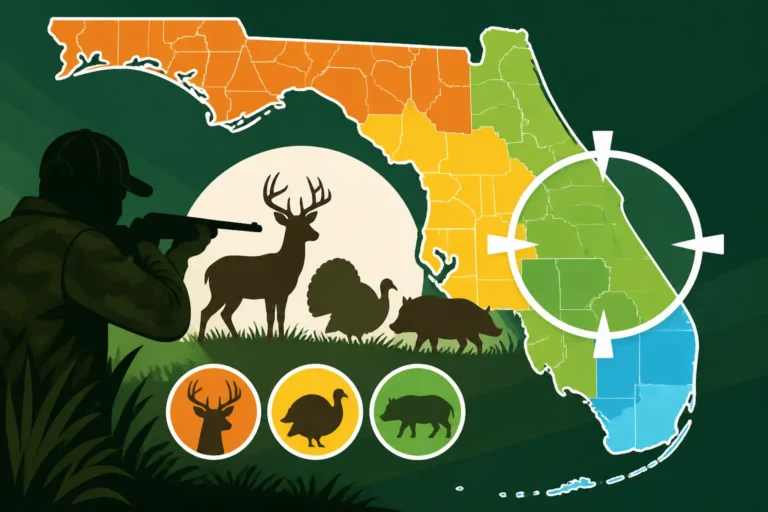
The temporary nature of many Florida camps also means less permanence. You might see hunters setting up for just a long weekend, packing in and out with efficiency. This contrasts sharply with the multi-week, established camps you find in other regions, and it speaks to the fluid nature of our hunting seasons, which vary significantly across the state's four distinct zones. Understanding these differences, like when to expect the rut or when different seasons open, is crucial, and you can learn more by reading about Hunting Florida's Four Deer Zones.
Geographical Variations and Their Impact
Florida is a long state, and its diverse ecosystems profoundly influence how deer camps are established and run. What works in the vast pine forests of the Panhandle might be entirely impractical in the swampy cypress strands of South Florida.
- Panhandle Pines and Hardwoods: In the Florida Panhandle, where the terrain is more reminiscent of Alabama or Georgia, you'll find more traditional camps. Think of larger tracts of land, sometimes with older, more established camp houses. The hunting here can involve significant timber country, clear-cuts, and creek bottoms. The weather, while still warm by northern standards, can experience more distinct cold fronts, making a real campfire more appealing in the cooler months. Camps here might focus on hunting techniques suitable for these denser, more varied landscapes.
- Central Florida Flatwoods and Scrub: Move south into Central Florida, and the landscape shifts dramatically to palmetto flatwoods, oak hammocks, and sandy scrub. Camps might be set up closer to access points on public lands, or on expansive private ranches. The heat is a constant factor, demanding camp layouts that maximize shade and ventilation. Hunters might focus on still-hunting or using feeders on private land. You'll often find more RVs and portable setups in these areas, designed for mobility and comfort in the heat.
- South Florida Swamps and Everglades Edges: Down in the deep south, bordering the Everglades or along the Big Cypress, deer camp takes on an even more unique flavor. Access can be a major challenge, often requiring airboats, ATVs, or even buggies. Camps are rugged, minimalist, and often involve elevated platforms or hammocks to stay dry. The focus here is on adaptability and resilience, embracing the wildness of the landscape. Hunters here might even be thinking about how to get permission to hunt Hunting Small Private Tracts in Florida that border these vast public areas.
These geographical differences mean that while the spirit of camaraderie is universal, the specific amenities and daily routines of a Florida deer camp are often highly localized, a direct response to the specific challenges and opportunities presented by the environment.
The Constant Challenge of Florida Weather
Perhaps the single biggest factor shaping Florida deer camp traditions is the weather. Unlike many states where cold weather is the dominant concern, here it's heat and humidity. Opening day of archery season in August or September can easily see temperatures in the high 80s or low 90s, with humidity that makes merely breathing feel like an effort. This reality dictates everything from what you pack to how you handle your game.
Effective camp planning involves strategies for keeping cool. Think large tarps for extra shade, portable fans, and generators to run small AC units in RVs. Hydration is not just recommended; it's absolutely critical. Hunters learn to embrace lightweight, breathable clothing, and bug spray becomes an indispensable part of the daily routine. The ever-present threat of sudden thunderstorms means waterproof gear is essential, and tents need to be sturdy enough to withstand torrential downpours. The constant battle against insects, especially mosquitoes, means head nets and bug-repellent coils are often standard camp equipment. This relentless heat also means that your hunting strategy needs to adapt, often favoring early morning or late evening sits, which is where a solid Hot-Weather Sitting Strategy in Florida comes into play.
Core Traditions and Daily Rhythms
Despite the unique challenges of Florida, the heart of deer camp remains the same: a gathering of like-minded individuals, a temporary community forged in the pursuit of game and shared experiences. Our traditions are molded by necessity and enhanced by the deep bonds formed around camp.
The Dawn Patrol and Midday Retreat
A Florida deer camp truly comes alive before dawn. The sounds of coffee brewing, gear rustling, and hushed conversations fill the humid air. Hunters are typically up well before first light, eager to beat the heat and catch deer moving during those cooler, low-light hours. The ritual of packing a cooler with water, snacks, and bug spray is meticulously observed. After a quick bite, often just a granola bar and coffee, hunters disperse into the darkness, heading to their stands or chosen hunting spots.
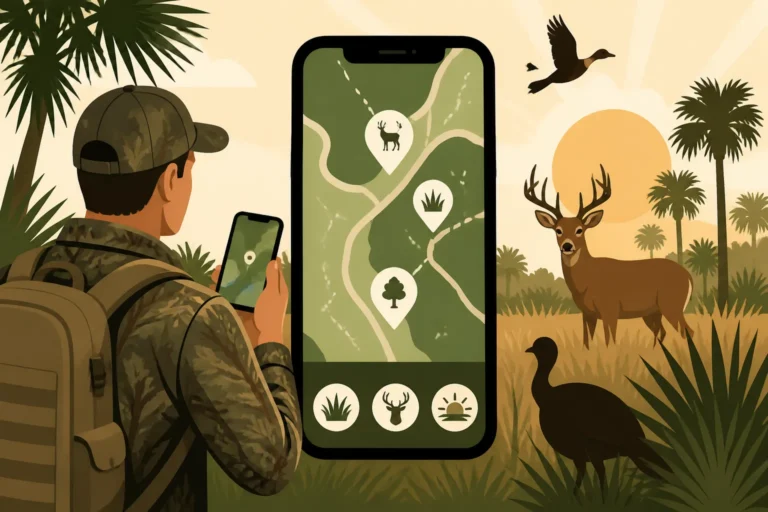
Unlike northern camps where hunters might stay out all day, the Florida heat often dictates a midday retreat. By late morning, as temperatures soar, deer activity typically grinds to a halt, and so does human comfort. Many hunters return to camp to escape the oppressive sun, rehydrate, and rest. This isn't a sign of weakness; it's a strategic move to conserve energy and avoid heat exhaustion. This midday break also provides a perfect opportunity for chores, catching up, and sharing observations from the morning hunt. Some might use this time to scout new areas on mapping apps like GoHunt, planning their evening sit or looking for fresh sign they might have missed on the ground.
Hunting Tactics and Camp Life Integration
Florida deer camps often revolve around specific hunting methods tailored to our environment. Still-hunting through palmetto flats or along cypress swamp edges is common, demanding quiet footwork and keen observation. On larger private tracts, food plots are often key, and camp is set up to efficiently access these areas.
- Still-Hunting and Drives: Given the dense cover, many Florida hunters employ still-hunting or organized deer drives, especially on public lands where a significant amount of ground needs to be covered. These methods require coordination and communication, often discussed and planned back at camp.
- Stand Hunting: Whether using ground blinds or climbing stands, stand hunting is prevalent. Camps are typically located within reasonable proximity to preferred stand locations, minimizing travel time and maximizing hunting hours. Knowing how to effectively set up and utilize a Using a Ground Blind on Florida Public Land can be a real game-changer.
- Multi-Species Pursuit: It's not uncommon for a "deer camp" in Florida to also involve hunting other species. Feral hogs are abundant year-round and offer excellent opportunities, often becoming a primary focus when deer activity is low. This adds another layer to camp life, as hunters might bring different gear or switch tactics to pursue these opportunistic targets. It's truly a bonus that we have Hunting Hogs Without a Bag Limit in Florida, making them a great target for camp meat.
Evening Feasts and Storytelling
As the sun begins to dip and the air slowly cools, hunters head back out for the evening hunt. When successful, the return to camp with game is a moment of shared celebration and hard work. The immediate priority is getting the animal cooled down. Field Dressing a Deer in Hot Weather is an urgent task that requires teamwork and efficiency, often done under portable lights. Ice chests filled with ice are paramount to preserving the meat in Florida's climate.
Once the hard work is done, the evening meal becomes the centerpiece of camp life. Whether it’s venison chili, grilled hog steaks, or just simple hot dogs, these meals are often prepared communally, with everyone contributing. This is when the stories truly flow – tales of missed shots, close encounters, and the day’s observations. Laughter and banter fill the air, reinforcing the bonds of friendship and family. Plans for the next day's hunt are often hashed out over plates piled high with food, discussing wind direction, deer sign, and potential new spots. It's also the perfect time to start thinking about Butchering a Deer at Camp the next day, if you have the facilities.
Practicalities of Running a Florida Deer Camp
Making a Florida deer camp successful isn't just about hunting; it's about smart planning and adapting to the state's unique demands. From gear choices to legal considerations, every detail matters.
Essential Gear for the Florida Environment
Your packing list for a Florida deer camp will look quite different from one for a hunting trip up north. The emphasis shifts dramatically to comfort and survival in the heat and humidity.
| Category | North Woods Essentials (Typical) | Florida Deer Camp Essentials (Adaptive) |
|---|---|---|
| Clothing | Heavy wool, insulated layers | Lightweight, breathable synthetics, quick-dry |
| Footwear | Insulated boots | Waterproof, snake-proof boots, ventilated trail shoes |
| Pest Control | Minimal | Industrial-strength bug spray, thermacell, head nets |
| Hydration | Water bottle | Multiple gallon jugs, hydration pack, electrolyte mixes |
| Cooling | Hand warmers | Portable fans, cooling towels, large ice chests |
| Shelter | Sturdy tent/cabin for cold | Well-ventilated tent, screen room, heavy-duty tarp |
| Game Care | Game bags, cooler (less urgent) | Large ice chests, bags of ice, game hoist, strong lights |
| Navigation | Map & compass, GPS | GPS, satellite communicators, detailed topo maps, apps like GoHunt |
Beyond what's in the table, think about a good quality headlamp, and don't forget a first-aid kit that includes snake bite treatment, just in case. A reliable cooler, like a YETI or RTIC, isn't a luxury; it's a necessity for keeping food and drinks cold, and more importantly, for cooling your harvested game. Consider solar chargers for electronics, as power sources can be limited in remote camp settings.
Food, Hydration, and Game Management
Keeping everyone fed and hydrated is paramount. Simple, hearty meals that require minimal cooking are often favored, especially during the hotter parts of the season. Grills, Dutch ovens, and camp stoves are common. But above all, prioritize water. Dehydration can sneak up on you in the Florida heat, so constantly reminding everyone to drink is a part of the camp manager's unofficial duties.
When it comes to game management, speed is key. As soon as an animal is on the ground, the clock starts ticking. Prompt field dressing, followed by getting the carcass on ice or to a walk-in cooler, is critical to preventing spoilage and ensuring good venison quality. Many camps on private land will have dedicated skinning racks and access to large freezers or even refrigerated trailers. On public land, hunters often bring extra-large coolers and plenty of ice, cutting the deer into manageable sections to fit them in. After the hunt, remembering to Registering a Florida Deer Online is a crucial step to comply with FWC regulations.
Navigating Licenses, Permits, and Land Access
Before you even set foot in a Florida deer camp, you need to ensure all your legal ducks are in a row. This starts with fulfilling Florida Hunter Education Requirements, if you haven't already.
- Licenses and Permits: Every hunter needs a valid Florida hunting license. If you're planning to hunt deer, you'll need the appropriate deer permit, and for public lands like WMAs, an additional Florida WMA Management Area Permit is typically required. Quota hunts are common on many WMAs, meaning you'll need to apply and be drawn for a specific hunt period. It’s essential to check the Florida Fish and Wildlife Conservation Commission (FWC) regulations annually, as rules and dates can change.
- Public vs. Private Land: The type of land you're hunting significantly impacts your camp setup and rules.
- Public Lands (WMAs, National Forests): These areas are usually more regulated. Vehicle access might be restricted to certain roads, camping is often limited to designated areas, and specific rules apply to things like tree stands and trail cameras. You'll need to check the individual WMA regulations carefully. Scouting these areas thoroughly is crucial, and tools like GoHunt can be invaluable for pinpointing property lines, identifying potential access points, and understanding terrain before you go. You can significantly improve your odds by focusing on Scouting Florida Public Land Before Season.
- Private Lands: Leased private lands offer more flexibility in camp setup and hunting methods, but they come with their own set of considerations, primarily the cost of the lease and maintaining a good relationship with the landowner. Always ensure you have written permission if hunting on private property.
Building New Memories in an Old Tradition
While the traditions of Florida deer camp might look different from those in other states, the essence of the experience—camaraderie, challenge, and connection to nature—remains profoundly the same. And just like the landscape, these traditions are constantly evolving.
Passing on the Torch: Youth and Mentorship
One of the most heartwarming aspects of any deer camp is the passing down of knowledge and passion to the next generation. Florida deer camps are no exception. Introducing youth hunters to the outdoors, teaching them about wildlife, safety, and ethical hunting practices, is a vital part of sustaining our heritage.
Imagine a scene: an experienced hunter showing a wide-eyed youngster how to identify deer tracks in the soft sandy soil, or patiently explaining why the wind direction matters. These moments, often occurring back at camp during the midday lull or around the evening campfire, are foundational. They teach respect for the land, for the animals, and for the traditions that bind us. The shared experience of a hunt, even if no deer are harvested, creates lasting memories and instills a love for the outdoors that transcends generations.
Adapting to Modern Tools and Techniques
While the core spirit of deer camp is timeless, modern technology has undeniably enhanced the experience, particularly in Florida's challenging terrain. Mapping applications like GoHunt have revolutionized how hunters scout, navigate, and plan their hunts. Gone are the days of solely relying on paper maps and compasses (though those are still essential backups!).
With tools like GoHunt, hunters can virtually scout vast areas of public land from their living rooms, identifying potential bedding areas, travel corridors, and access points. They can use satellite imagery to study terrain features, understand habitat transitions, and even predict deer movement. This is especially useful for Reading Aerial Photos for Florida Deer to gain a strategic advantage. Once in camp, these apps allow for precise navigation to stands, marking sign, and tracking game. Satellite communicators offer a critical lifeline in areas without cell service, providing peace of mind and enhancing safety, particularly important when hunting alone or in remote wilderness areas. Embrace these tools, but always remember that woodsmanship and time in the field are irreplaceable.
The Enduring Spirit of Florida Deer Camp
Ultimately, a Florida deer camp is more than just a place; it's a feeling, a collective endeavor, and a set of shared values. It's about the challenge of hunting in a wild, unpredictable environment. It's about the bonds forged over shared meals, successful harvests, and even the frustrations of a quiet day in the woods. It's about stepping away from the daily grind and reconnecting with nature, and with each other.
Whether your camp is a five-star RV with all the amenities or a primitive tent tucked away in a remote WMA, the traditions are built on respect, resilience, and camaraderie. It's about the stories, the laughter, and the quiet satisfaction of a day well spent in Florida's unique wilderness. These traditions, though shaped by our subtropical environment, stand as a testament to the enduring human connection to the hunt.
Disclaimer
Please note that hunting regulations, license requirements, and season dates are subject to change. Always consult the latest Florida Fish and Wildlife Conservation Commission (FWC) regulations before planning any hunting trip. This guide is for informational purposes only and does not supersede official FWC rules and laws.