Florida Coyote Diet in Ranch Country
If you're a landowner, rancher, or just someone who spends a lot of time in Florida's vast ranch country, you've likely had more than a passing thought about coyotes. These adaptable canids are everywhere, and understanding what they eat isn't just a matter of curiosity; it's absolutely vital for managing your land, protecting livestock, and even understanding the health of your local wildlife populations. This guide dives deep into the Florida coyote's diet in ranch settings, helping you decipher their menu and its implications.
Understanding the Florida Coyote: An Adaptable Predator
Let's be real, Florida's ecosystems are constantly evolving, and the coyote is a prime example of a species that has not only adapted but truly thrived here. Originally not native to the state, coyotes have successfully expanded their range across North America, eventually making their way into the Sunshine State. What makes them so successful, particularly in places like Florida's ranch country, is their incredible adaptability and intelligence.
These aren't your timber wolves of the far north; Florida coyotes are often smaller, leaner, and masters of opportunism. They've learned to navigate everything from sprawling cattle pastures to palmetto thickets, and even the edges of suburban areas. Ranch country, with its mosaic of open fields, brushy hedgerows, and scattered woodlots, provides an almost perfect environment for them. It offers plenty of cover for denning and stalking, diverse food sources, and often, less human disturbance than more densely populated areas. If you're looking for more general information on their presence, check out Coyotes and Predators in Florida. Understanding their history and expansion helps us grasp why their diet is so varied and tied to the resources available in these specific habitats.
The Coyote's Keen Senses and Opportunistic Nature
Coyotes possess an incredible suite of senses, from their acute hearing that can pick up a scurrying mouse at a distance to their phenomenal sense of smell, which can lead them to carrion from afar. Their eyesight is sharp, especially in low light, making them formidable nocturnal hunters. This combination of sensory prowess, coupled with their intelligence, allows them to exploit almost any available food source.
They're not picky eaters, and that's a key takeaway for anyone trying to understand their impact. While they might have preferred prey, a coyote won't turn its nose up at an easy meal, whether it's a ripe berry bush or an unfortunate roadkill. This opportunistic nature means that their diet is heavily influenced by what's most readily available, easiest to catch, or requires the least energy expenditure. This is particularly true in ranch country, where human activity can inadvertently create new food opportunities.
The Main Course: What Florida Coyotes Eat in Ranch Country
When you're dealing with coyotes on Florida ranch land, their diet isn't just about what they like to eat; it's about what's available and what poses the least risk for them to acquire. Their menu is surprisingly diverse, reflecting the rich, varied ecosystems of Florida's agricultural heartland. It's a mix of wild game, vegetation, and sometimes, unfortunately, livestock. For a broader picture of where these animals live, you might find Florida Coyote Range and Density insightful.
Small Mammals: The Ever-Present Buffet
Small mammals are often the bread and butter of a coyote's diet, and ranch country is usually teeming with them. Think about it: vast grasslands, interspersed with brush, provide ideal habitat for countless rodents and rabbits.
- Rabbits: Eastern cottontails and marsh rabbits are plentiful in Florida, especially along field edges, brush lines, and drainage ditches common on ranches. These fast-breeding animals are a consistent and reliable food source for coyotes year-round. A young, inexperienced rabbit is an easy target, and even adult rabbits can fall prey to a skilled coyote, particularly when they're caught out in the open. Understanding Florida Cottontail and Marsh Rabbit Populations can give you insight into the sheer volume of this food source.
- Rodents: Voles, mice, rats, and gophers make up a significant portion of the coyote's diet, especially in areas with dense ground cover or disturbed soils, like those found around barns, hay bales, or cultivated fields. Coyotes have an amazing ability to pinpoint these small creatures underground or in thick vegetation, pouncing with surprising agility. These tiny meals might seem insignificant individually, but collectively, they provide a steady energy source.
- Armadillos: While not a "small" mammal in the same sense as a mouse, armadillos are often preyed upon by coyotes. Their hard shell offers some protection, but coyotes are clever enough to flip them over or attack vulnerable spots. They're a slower, less agile target, making them an attractive meal when encountered.
Deer Fawns: A Springtime Feast
This is often one of the most frustrating aspects for deer hunters and wildlife managers. During spring, when does are dropping fawns, coyotes turn their attention to these vulnerable youngsters. Fawns are born relatively defenseless, relying on camouflage and remaining still to avoid detection. However, a coyote's keen nose and persistent searching can locate them.
The impact of fawn predation can be significant, especially in areas with high coyote densities or struggling deer populations. For many hunters, seeing strong deer numbers is crucial, and coyotes can certainly put a dent in that. A study of Florida Fawn Survival Rates often highlights predation as a major factor. This doesn't mean coyotes wipe out deer herds, but they can certainly influence recruitment rates, taking a toll on future generations of bucks and does.
Birds and Eggs: Ground Nesters at Risk
Florida's ranch country, with its mixture of open fields, grasslands, and palmetto scrub, is home to numerous ground-nesting birds. These birds and their eggs are susceptible to coyote predation.
- Quail and Turkey: Bobwhite quail and wild turkeys, particularly during nesting season, can be targeted. Coyote predation on nests and young poults is a concern for those working on Florida Bobwhite Quail Decline and turkey management. A coyote can easily locate a ground nest, devouring eggs or snatching hatchlings.
- Waterfowl: In areas with ponds, marshes, or flooded pastures, coyotes will also prey on nesting waterfowl, their eggs, and ducklings. Given Florida's significance on the Atlantic Flyway, this can be another subtle but impactful part of their diet.
Insects, Fruits, and Carrion: The Opportunistic Fillers
Beyond living prey, coyotes aren't above scavenging or foraging for plant matter, especially when preferred prey is scarce.
- Insects: During certain times of the year, particularly warmer months, insects like grasshoppers, beetles, and even cicadas can supplement a coyote's diet. It might seem odd for a predator of their size, but every calorie counts.
- Fruits and Berries: Florida's diverse flora provides a bounty of fruits and berries, especially in the summer and fall. Palmetto berries, wild grapes, persimmons, and various wild fruits are readily consumed. This vegetarian side of their diet often surprises people but highlights their adaptability.
- Carrion: This is a huge one. Roadkill, the remains of deer harvested by hunters, dead livestock, or any other deceased animal are a magnet for coyotes. Their powerful sense of smell leads them directly to these meals, providing a low-effort, high-reward food source. This can be particularly prevalent during hunting seasons or after significant weather events. This is also where understanding deer reporting, like Registering a Florida Deer Online, might indirectly help track areas where carrion might be present.
Domestic Animals: The Rancher's Heartbreak
This is where the rubber meets the road for ranchers, and it's often the source of significant frustration. While wild game makes up the bulk of a coyote's diet, they are indeed known to prey on domestic animals.
- Calves: Young calves are a primary concern for cattle ranchers. While adult cattle are generally too large for coyotes to take down, newborn or very young calves can be vulnerable, especially if separated from the herd or born in less protected areas. These attacks are not only an economic loss but a significant emotional one for those who work tirelessly to raise their stock. This is a very real frustration for many in Florida's ranching community.
- Poultry and Small Pets: Chickens, ducks, and other small poultry are easy targets if not properly secured. Even small dogs and cats, especially if allowed to roam freely, can fall prey to coyotes, particularly around the edges of ranch properties or rural homes. This isn't just a Florida issue; Florida Coyote Attacks on Livestock are a nationwide concern wherever coyotes and agriculture coexist.
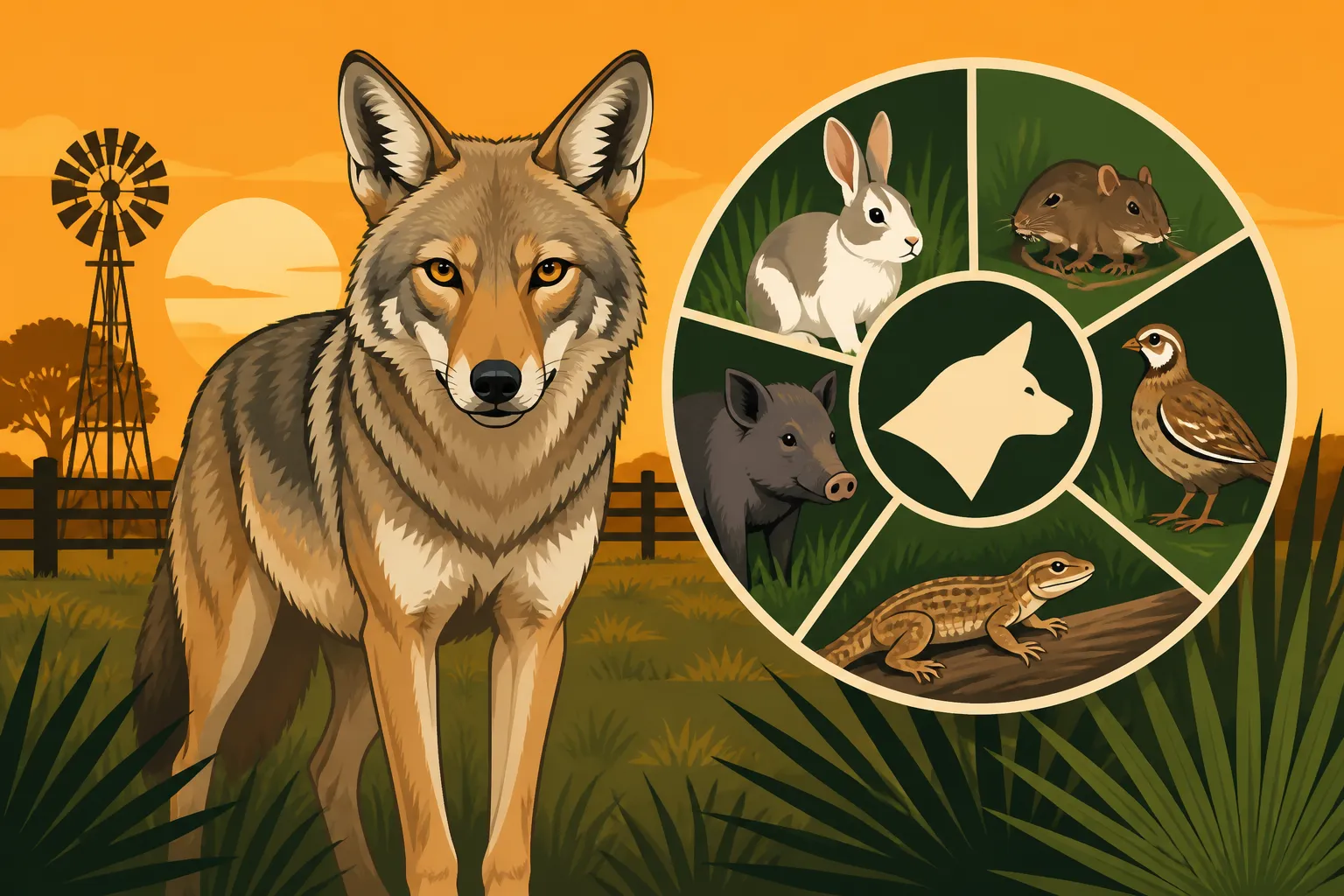
To give you a clearer picture, here's a general breakdown of a typical Florida coyote's diet in ranch country:
| Diet Category | Common Examples | Seasonal Availability | Impact on Ranch/Wildlife |
|---|---|---|---|
| Small Mammals | Rabbits, Voles, Mice, Gophers, Armadillos | Year-round | Minor impact, natural prey |
| Deer Fawns | Newborn deer | Spring (peak) | Significant impact on deer recruitment |
| Birds & Eggs | Quail, Turkey, Waterfowl, their nests/young | Spring/Summer (peak) | Moderate impact on ground-nesting birds |
| Insects | Grasshoppers, Beetles, Cicadas | Warmer Months | Minimal impact, opportunistic filler |
| Fruits & Berries | Palmetto berries, Wild grapes, Persimmons | Summer/Fall (peak) | Minimal impact, opportunistic filler |
| Carrion | Roadkill, Livestock carcasses, Hunting remains | Year-round | Beneficial (cleanup), but can draw coyotes |
| Domestic Animals | Calves, Poultry, Small pets | Year-round | Significant economic loss, frustration |
Seasonal Shifts and Opportunistic Dining
A coyote's menu isn't static; it's a dynamic reflection of the changing seasons and the associated availability of different food sources. This adaptability is part of what makes them such survivors in Florida's varied landscape.
Spring: The Time of Vulnerability
Spring is a critical time for many prey species and, consequently, a boom for coyotes. This is when most ungulates, like white-tailed deer, drop their fawns. For a coyote, a newborn fawn represents a relatively easy meal that requires less energy to catch than an adult rabbit. They will actively patrol birthing areas, using their keen sense of smell to locate concealed fawns. This focus on fawns during spring can significantly impact Florida Deer Herd Size and population dynamics, leading to frustration among hunters hoping for robust recruitment.
Beyond fawns, spring also marks the nesting season for ground-dwelling birds like quail and turkey. Coyote depredation on nests, eggs, and young poults can be substantial. The dense cover often used by these birds for nesting also provides excellent cover for coyotes, making these areas prime hunting grounds.
Summer: Berries, Bugs, and Juveniles
As spring turns into summer, fawns become more agile and difficult to catch, and many bird nests have either hatched or failed. Coyotes shift their focus. Small mammals like rabbits and rodents are still a staple, but now there's also an abundance of new, naive juveniles from various species.
Summer is also when many of Florida's wild fruits and berries ripen. Palmetto berries are a particular favorite, as are wild grapes and persimmons. Coyotes will readily consume these, adding a significant amount of plant matter to their diet. Insects also become more abundant, providing an easy, if small, energy boost.
Fall and Winter: The Hunt for Energy
As temperatures cool and vegetation thins, coyotes often revert to hunting more actively for small mammals. Rabbits, especially those less experienced young-of-the-year, become crucial. Rodent populations can also be high after a successful breeding season.
Fall brings the Florida hunting seasons, and with it, an increase in carrion. Gut piles, discarded carcasses, and deer that may have been wounded and not recovered provide easy pickings for coyotes. This can lead to increased coyote activity around hunting camps and public land areas. If you're out Scouting Florida Public Land Before Season or even Hunting a Cypress Head at Last Light, it's good to be aware of areas where coyotes might frequent, often indicated by scat or tracks.
In harsh winters (though "harsh" is relative in Florida!), when food might be scarcer, coyotes will be even more reliant on carrion and whatever small game they can find. Their ability to switch gears and exploit whatever is most abundant is a testament to their resilience.
Impact on Ranch Operations and Wildlife
The diet of Florida coyotes in ranch country has ripple effects that extend far beyond just the individual animal. For ranchers, it can hit them in the wallet and the heart. For wildlife, it's a constant pressure that shapes populations and behaviors.
Economic Losses and Emotional Toll
There's no sugarcoating it: coyote predation on livestock, particularly calves and poultry, can lead to significant economic losses for ranchers. Losing even a few calves can be a major setback for small to medium-sized operations. The cost isn't just the market value of the lost animal; it's also the time, effort, and feed invested in raising it. This can be a deeply frustrating and disheartening experience for those who pour their lives into their herds.
Beyond direct losses, there's the added stress and cost of implementing preventative measures. Investing in better fencing, using guardian animals, or increasing nighttime patrols all add to the operational expenses. The ongoing threat of depredation can weigh heavily on ranchers, impacting their well-being and their passion for the work. This is a very real, tangible problem that many Floridians face.
Ecological Pressure on Game Species
Coyotes exert significant predatory pressure on a range of game species. We've talked about deer fawns and ground-nesting birds, but their presence also affects populations of rabbits, squirrels, and other small game. While natural predation is a part of any healthy ecosystem, high coyote densities can tip the balance, especially for species already facing habitat loss or other pressures.
- Deer: By preying on fawns, coyotes can influence the overall age structure and health of local deer populations. While a healthy deer herd can generally sustain some level of fawn predation, it can become a concern if other factors, like disease or poor habitat, are also impacting fawn survival. For those interested in Florida Buck Age Structure, coyote predation is a factor that shapes the hunter's experience.
- Quail and Turkey: Ground-nesting birds are particularly vulnerable. Coyotes can decimate nests, leading to poor recruitment years. This is a challenge for efforts to restore and maintain robust populations of Florida Bobwhite Quail Numbers by Region and wild turkeys.
Balancing Act: Predator-Prey Dynamics
It's important to remember that coyotes, like all predators, play a natural role in the ecosystem. They help control populations of rodents and other small animals, potentially reducing disease transmission and preventing overgrazing. They also act as scavengers, cleaning up carrion.
However, in managed landscapes like ranches, where certain species (livestock, game animals) are valued, the balance can become skewed. The constant challenge for land managers and wildlife agencies is finding ways to mitigate negative impacts while acknowledging the coyote's place in the larger ecological picture. It's a complex puzzle with no easy answers.
Managing Coyote Populations Through Diet Understanding
Understanding what coyotes eat is the first step in effective management, whether you're a rancher looking to protect your stock or a hunter trying to boost your deer population. Knowledge of their diet helps inform strategies that can make a real difference.
Reducing Attractants and Securing Resources
One of the most effective ways to manage coyotes is to make your property less attractive to them by removing easy food sources.
- Proper Carcass Disposal: If livestock dies on your property, promptly and properly dispose of the carcass. Burying it deeply, rendering it, or removing it completely can prevent coyotes from being drawn to the area for an easy meal of carrion. This also applies to gut piles from harvested game; if left in easily accessible areas, they can become a consistent food source that keeps coyotes around.
- Secure Livestock Pens: For poultry or smaller livestock, ensure pens are predator-proof with sturdy fences, secure roofs, and dug-in wire to prevent coyotes from digging underneath.
- Feed Management: Don't leave pet food or livestock feed out overnight, as it can attract rodents, which in turn attract coyotes. Store feed in sealed containers.
- Fencing Solutions: While expensive, predator-proof fencing, often with specialized features like net wire or electric strands, can be effective in containing livestock and deterring coyotes from entering pastures.
Understanding the Prey Base
Knowing what coyotes are likely targeting helps you focus your efforts. If you know fawns are vulnerable in spring, you might consider increasing vigilance during that period in birthing areas. If rabbits are abundant, you know that a primary food source for coyotes is readily available. Tools like GoHunt can be really useful here. By studying aerial maps and understanding habitat features, you can identify areas on your ranch or hunting lease where prey animals are likely to concentrate. This insight can help you predict coyote movements and potential areas of conflict.
For hunters, managing the general health and density of prey species, such as deer and rabbits, can influence coyote behavior. A robust prey base might lead to less pressure on vulnerable young animals, but an overabundance can also support higher predator numbers. It's a delicate balance.
Predator Control: Informed and Targeted
When direct predator control becomes necessary due to consistent depredation, understanding coyote diet can guide your efforts.
- Timing: Knowing when coyotes are most reliant on certain food sources can help with timing. For example, if fawn predation is a major issue, implementing control measures just before or during the fawning season might be most impactful.
- Location: If coyotes are repeatedly targeting a specific pasture or area, that's where you'd focus your efforts. Scouting for coyote sign, like scat (which can reveal diet contents), tracks, or dens, can pinpoint these problem areas. For those engaging in active management, understanding effective techniques like Coyote Calling Florida Ranch Country at Dawn can be invaluable.
- Methods: There are various methods of coyote control, from trapping and snaring to calling and shooting. The choice of method often depends on local regulations, the specific problem, and individual preference. Always check with local authorities and the Florida Fish and Wildlife Conservation Commission (FWC) for current regulations and best practices regarding predator control.
Managing coyotes in Florida's ranch country is an ongoing effort that requires patience, observation, and an understanding of their ecological role and dietary habits. By being informed, ranchers and land managers can implement strategies that protect their interests while contributing to a healthier, more balanced ecosystem.
Disclaimer
This article is for general informational purposes only and does not constitute professional advice. Laws, prices and regulations vary by location and change over time. Consult a qualified professional for guidance on your specific situation.