Apalachicola National Forest Hunting
Florida hunters often dream of vast, untamed wilderness where the challenge of the hunt is as much about the environment as it is the quarry. While our state is known for its dense population centers and bustling coastlines, there are still immense tracts of public land that offer truly wild experiences. One such gem, often whispered about with a mix of awe and respect by those who know it, is the Apalachicola National Forest. This guide will walk you through everything you need to know about hunting this massive, sometimes daunting, but ultimately rewarding piece of Florida's wild heart.
Understanding Apalachicola National Forest
The Apalachicola National Forest isn't just another patch of woods; it's an ecosystem unto itself, a sprawling testament to wild Florida. Covering a significant portion of the western Panhandle, it offers an immense, diverse landscape that can be both incredibly productive and incredibly challenging for the hunter.
A Vast and Diverse Ecosystem
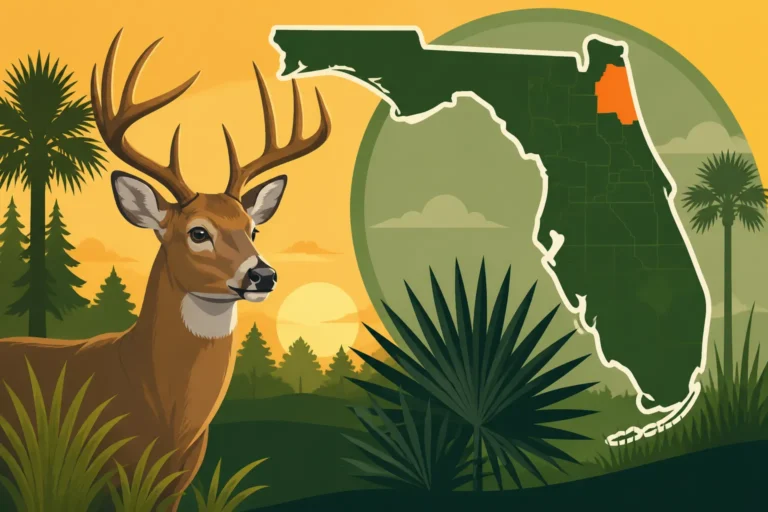
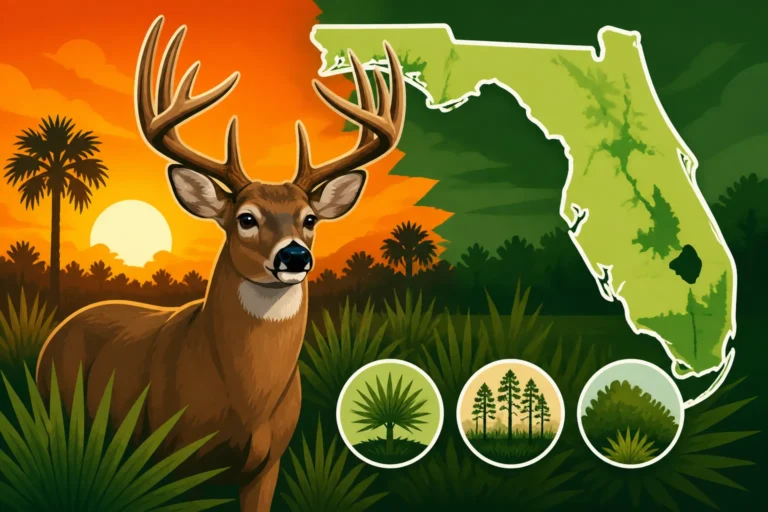
Picture this: you're standing at the edge of a longleaf pine savanna, the wind rustling through the tall grass, and in the distance, you can see the darker, denser lines of cypress swamp. That's Apalachicola. It’s Florida's largest National Forest, stretching across Liberty, Wakulla, and Leon counties, encompassing hundreds of thousands of acres. This isn't your typical managed timberland; it's a mosaic of distinct habitats. You'll find expansive pine flatwoods, which are ideal for deer and hogs, but also dense titi thickets that can swallow a hunter whole. There are ancient cypress swamps, hardwood hammocks rich with acorns, and open savannas that can feel endless. This diversity is what makes it so special – and so demanding.
Unlike many of our smaller Wildlife Management Areas (WMAs) which might be characterized by one dominant habitat type, Apalachicola throws everything at you. You might start your day still-hunting a pine ridge, then transition to wading through a cypress slough to get to a remote island of oaks. This kind of varied terrain means that successful hunters need to be adaptable and ready for anything. It truly feels like stepping back in time, offering a sense of solitude and wildness that is increasingly rare in our modern world.
This vastness means that familiarizing yourself with the different ecological zones within the forest is crucial. Knowing whether you're in a dry upland pine community or a hydric swamp will tell you a lot about the game you're likely to encounter, their travel corridors, and their food sources. It's a place that rewards those who put in the effort to truly understand its unique characteristics.
Navigating Regulations and Permits
Even though it’s a National Forest, Apalachicola operates under the Florida Fish and Wildlife Conservation Commission (FWC) regulations as a designated Wildlife Management Area. This means that, yes, you'll need the proper Florida hunting licenses to hunt here. This includes a Florida hunting license, and typically a WMA permit if you're not specifically exempted (though National Forests sometimes have slightly different permit structures, always double-check the latest FWC regulations for Apalachicola specifically). It can feel like a maze sometimes, trying to figure out exactly what combination of licenses and permits you need, but trust me, it’s worth the peace of mind knowing you’re legal.
Beyond the basic state licenses, the U.S. Forest Service, which manages the land, also has its own set of rules regarding things like vehicle access, camping, and the use of certain trails. These are critical to understand because violating them can result in fines or even loss of hunting privileges. It’s not enough to just know the FWC hunting seasons; you have to understand the land management agency's rules for how you can interact with the forest itself.
The best source for up-to-date information is always the FWC website and their annual regulations handbook, specifically the section pertaining to Apalachicola National Forest. Don't rely on outdated information or hearsay from a buddy. Always verify. The FWC site will also detail specific zone regulations within the forest if applicable, ensuring you're hunting in compliance. It's truly your first stop for planning any hunt here, helping you understand Florida Hunting Licenses and What They Cost and any special WMA requirements.
Prime Game Species in Apalachicola
When you picture hunting in Florida, you might immediately think of swamps and alligators. While Apalachicola certainly has its share of wet lands, it's a treasure trove for hunters seeking a variety of upland and transitional zone species.
Deer Hunting Opportunities
Apalachicola National Forest falls within Florida's Zone D, which generally means a later rut and a longer hunting season than some of the southern zones. This can be a huge advantage for hunters looking for quality deer hunting. While you might not consistently see the Boone and Crockett monsters that grace magazines from the Midwest, Apalachicola holds a healthy population of Florida's native white-tailed deer. These bucks are often hard-earned, living in dense cover and moving stealthily through the flatwoods and hammocks.
The key to deer hunting in Apalachicola is understanding their movement patterns in relation to the diverse habitat. During the archery and muzzleloader seasons, before the pressure really builds, finding fresh sign in the oak hammocks where acorns are dropping can be incredibly productive. As the general gun season progresses, deer often retreat into the thicker titi and palmetto heads, making still-hunting or carefully planned drives more effective. The sheer size of the forest means that if you're willing to walk deep, you can often find pockets of deer that see less pressure.
Many hunters find success focusing on the edges of different habitat types, such as where pine flatwoods meet cypress strands, or along the numerous sand roads that dissect the forest. These natural funnels and travel corridors are often where deer feel safe moving between bedding and feeding areas. Understanding Hunting Florida's Zone D Fall Opener and its particular nuances can really set you up for a good season in this area.
The Abundant Feral Hog Population
If there's one thing Apalachicola National Forest is famous for among hunters, it's the feral hog population. These animals are everywhere, and the FWC considers them a non-native, nuisance species, which means there are very liberal hunting regulations – often year-round with no bag limit. This makes Apalachicola a fantastic destination for hog hunters, whether you're looking for meat for the freezer or just an exciting hunt.
Hogs thrive in the diverse habitats of Apalachicola, from rooting around in the pine flatwoods for tubers and acorns to wallowing in the cypress swamps to cool off. They are constantly on the move, and finding fresh sign, like rooting areas, wallows, and rubs, is critical. Still-hunting for hogs can be incredibly challenging due to their keen sense of smell and hearing, but walking quietly through areas with fresh activity can yield results. Hunters often focus on feeding areas, especially during cooler parts of the day or after a rain when the ground is soft.
Another popular method in Apalachicola, where rules allow, is dog hunting. Florida has a strong tradition of Dog Hunting Hogs in Florida, and the vastness of the National Forest provides ample space for this energetic pursuit. Whether you're using bay dogs to hold a hog in place or catch dogs to secure it, it's an exhilarating experience. Always check the specific WMA regulations for Apalachicola, as dog hunting rules can vary. The year-round nature of Year-Round Hog Hunting in Florida means you can plan a trip almost any time the mood strikes.
Turkey and Small Game Potential
While the Panhandle is more known for its Eastern turkeys than the distinct Osceola subspecies found further south, Apalachicola National Forest holds a solid population of these wary birds. The pine forests and hardwood hammocks provide excellent turkey habitat, especially areas with mature trees for roosting and open understories for strutting and feeding. Spring turkey season in Apalachicola is a truly immersive experience, with the gobblers echoing through the pines at dawn.
Hunting Eastern turkeys here requires patience and good calling skills. Locating birds on the roost and setting up before first light is often the most productive strategy. As the morning progresses, working subtle calls in areas with good visibility can entice a gobbler to come looking. It's a rewarding hunt that truly connects you with the wild sounds of the forest. For those looking to pursue these grand birds, understanding Hunting Florida's Eastern Panhandle Turkey will be invaluable.
Beyond the larger game, Apalachicola also offers decent opportunities for small game hunters. Gray squirrels are abundant in the hardwood hammocks, especially during years with good acorn crops. Rabbit hunting is also possible, particularly along field edges and in areas of dense brush. These hunts offer a more relaxed pace and are a great way to introduce new hunters to the woods or extend your time afield after a successful big game hunt. Knowing how to hunt Squirrel Hunting Florida Hardwood Hammocks can fill your freezer and provide some engaging hunts.
Hunting Seasons and Specific Regulations
Navigating the various hunting seasons and specific regulations for Apalachicola National Forest can feel like cracking a secret code. It’s not just about knowing the statewide dates; it’s about understanding how those dates apply to Zone D and any additional rules specific to this vast WMA.
Deer Season Dates and Weapons
Apalachicola National Forest falls squarely in Florida's Deer Management Zone D. This means the archery season usually kicks off in October, followed by muzzleloader season, and then the general gun season typically runs from late November through late January or early February, often with a mid-season break. It’s a generous window, offering plenty of opportunity, but it also means the deer learn quickly how to avoid pressure. It's crucial to consult the FWC's annual hunting regulations for the exact Florida Zone D Season Dates before you even pack your truck.
Weaponry regulations are fairly standard for Florida. During archery season, you're limited to bows, crossbows, and even pneumatic guns. Muzzleloader season allows for traditional black powder firearms. When general gun season rolls around, you'll have your pick of centerfire rifles, shotguns loaded with slugs or buckshot, and pistols. However, always double-check the minimum caliber or gauge requirements. For instance, deer rifles must typically be at least .22-caliber centerfire. Understanding these specifics ensures you're legally equipped for your hunt. The change in weaponry throughout the seasons also impacts deer behavior, making them more wary as the louder firearms come into play.
Remember that Apalachicola is a public land, which often means more stringent rules on things like hunting from roads or within certain distances of occupied dwellings. Always be aware of your surroundings and adhere to all safety zones. The presence of other hunters, campers, and recreational users means responsible firearm handling is paramount.
Hog Hunting: A Year-Round Pursuit
One of the biggest draws to Apalachicola National Forest for many hunters is the virtually continuous hog hunting opportunity. Because feral hogs are an invasive species, the FWC allows for Year-Round Hog Hunting in Florida in most public lands, and Apalachicola is no exception. This means that even outside of deer or turkey season, you can be out in the woods chasing hogs. This is fantastic for those who want to extend their hunting calendar or simply enjoy the thrill of pursuing these intelligent and tough animals.
While hog hunting is open year-round, there are sometimes specific weapon restrictions or methods that apply, particularly during closed seasons for other game. For example, during deer archery season, you might only be able to hunt hogs with archery equipment. During periods when no other game season is open, firearms may be allowed, but it's vital to confirm this with the current FWC regulations. Also, pay close attention to any WMA-specific rules regarding night hunting with lights, as these vary widely across the state. Some areas might allow it, while others might not.
Dog hunting for hogs is a long-standing tradition in the Panhandle, and Apalachicola often accommodates this. However, this too comes with very specific rules about dog tags, leashes, and how you manage your pack. If you plan to hunt with dogs, study those regulations carefully. The sheer size of Apalachicola is perfect for turning out a good pack, but you must be prepared for the dogs to range far and wide.
Turkey and Migratory Bird Seasons
The spring turkey season for Eastern gobblers in Apalachicola (Zone D) typically kicks off in March and runs through April, often with a youth weekend preceding the general opener. This is a time of incredible beauty in the forest, as the woods come alive with gobbling. These dates are relatively consistent year to year, but as always, check the FWC handbook for precise dates. Bag limits are generally one gobbler or bearded turkey per day, with a season limit.
While less known for it, Apalachicola's diverse wetlands and swamps can also offer some limited opportunities for migratory bird hunting, particularly waterfowl. Depending on the specific areas within the forest that have suitable habitat, you might find wood ducks in the cypress sloughs or mottled ducks in more open marshy areas. Dove hunting can also occur in and around agricultural areas bordering the forest, or in designated public dove fields if any exist nearby. For these, you'll need not only your Florida hunting license but also a Florida Migratory Bird Permit and a Federal Duck Stamp, if pursuing waterfowl.
The key to successful migratory bird hunting in Apalachicola, or any public land, is extensive scouting. These birds are highly mobile, and their presence is very dependent on water levels and food availability. Finding those hidden honey holes where ducks are pitching in or doves are feeding takes a lot of legwork, but the reward of a wild bird can't be beaten.
Navigating the Terrain and Access Points
Apalachicola National Forest isn't a place for the faint of heart or the ill-prepared. Its vastness and rugged beauty demand respect and a solid plan for navigation and access. This is where your skills as an outdoorsman will truly be tested and rewarded.
Understanding the Landscape
The sheer scale of Apalachicola can be overwhelming. You'll encounter miles of dense palmetto flatwoods where visibility is limited to a few yards, making Still-Hunting Florida Palmetto Flatwoods a true art form. Then you might find yourself on the edge of a vast cypress swamp, the dark water reflecting the ancient trees, presenting a totally different set of challenges. And let’s not forget the infamous titi thickets – almost impenetrable jungles of dense, thorny brush that can make a simple 100-yard walk feel like a mile.
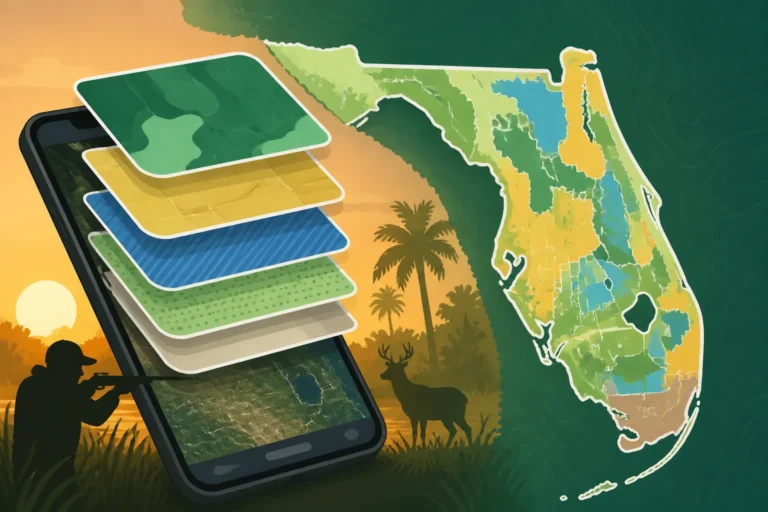
This challenging landscape is exactly why effective scouting and modern mapping tools are absolutely non-negotiable here. Forget trying to get by with just a paper map unless you are truly an expert navigator. You need a reliable GPS unit or, even better, a smartphone app like onX Hunt. This kind of technology allows you to download offline maps, mark waypoints for your truck, stand locations, and game sign, and track your movements in real-time even when you have no cell service. It literally becomes your lifeline in this sprawling wilderness. Knowing where you are, where you’ve been, and where you need to go is critical for both success and safety.
Beyond simply knowing where you are, understanding why deer, hogs, or turkeys are in a particular spot is the real secret. This means observing elevation changes, even subtle ones in Florida's flat terrain, noting water sources, and identifying food sources like acorn-producing oaks or areas with fresh rooting for hogs. This pre-season intelligence gathering, a form of Scouting Florida Public Land Before Season, makes all the difference when the season finally arrives.
Roads, Trails, and Water Access
Apalachicola National Forest is crisscrossed by an extensive network of roads and trails. Many of these are unpaved, sandy forest roads that can become challenging to navigate, especially after heavy rains. A high-clearance 4×4 vehicle is often recommended, particularly if you plan on exploring some of the more remote sections. Some roads might be gated or seasonally closed, so checking with the US Forest Service or FWC for current access restrictions is vital before you head out. These agencies often post updates on their websites.
While many areas are accessible by vehicle, some of the most productive spots, particularly for hogs and waterfowl, require getting off the beaten path. This might mean hiking miles into the interior or, in many cases, utilizing water access. Canoes, kayaks, and even small johnboats can open up vast sections of cypress swamp and creek bottoms that are otherwise inaccessible. This allows you to hunt those secluded islands or impenetrable swamps where game often retreats from pressure. Always be mindful of water levels and currents, as they can change rapidly.
When planning your access, tools like GoHunt or detailed satellite imagery from onX Hunt can be incredibly useful. They allow you to virtually scout road conditions, identify potential parking areas, and visualize water bodies and their connectivity. Knowing where you can park, where you can launch a small boat, and which roads are open can save you hours of frustration and allow you to maximize your hunting time. Reading Aerial Photos for Florida Deer can help identify those hidden travel corridors or isolated islands of high ground within the swamps.
Camping and Overnight Stays
One of the great joys of hunting Apalachicola National Forest is the ability to immerse yourself in the experience with an overnight stay. The Forest Service offers various designated campgrounds, ranging from primitive sites with minimal amenities to more developed campgrounds with basic facilities. These are great options if you want a base camp with some comfort. Always check the fees and reservation requirements, as some sites might be first-come, first-served, while others require booking in advance.
For the more adventurous, dispersed camping is often allowed throughout much of the National Forest. This means you can pitch a tent almost anywhere, offering a true backcountry experience. However, dispersed camping comes with its own set of rules and responsibilities. You'll need to follow Leave No Trace principles strictly, packing out everything you pack in. There are also regulations regarding campfires, particularly during dry seasons, where fire bans might be in effect. Knowing these rules ensures you're not only safe but also respecting the natural environment.
Whether you're in a designated campground or dispersed camping, preparing for the elements is key. Florida weather can be unpredictable, with sudden downpours, high humidity, and unexpected cold fronts, even during hunting season. Having a sturdy tent, appropriate sleeping gear, and a reliable way to cook are essential. Being able to wake up deep in the woods, with game animals potentially moving nearby, adds an incredible dimension to your Apalachicola hunting adventure.
Essential Gear and Tactics for Apalachicola
Hunting Apalachicola National Forest demands not just skill and patience, but also the right gear. The unique environment, from dense swamps to vast flatwoods, means you need to be prepared for anything. Skimping on essentials here can turn a memorable hunt into a miserable ordeal.
Weaponry and Ammunition Choices
When it comes to selecting your firearm for Apalachicola, versatility and reliability are key. For deer and hogs, many hunters favor lever-action rifles in calibers like .30-30 or .45-70, or bolt-action rifles in .308 or .270, especially those with shorter barrels for maneuverability in thick brush. Shotguns loaded with slugs are also incredibly effective in the dense cover, offering a quick-handling option for close-range encounters. The shots you take in this forest are often not long-range; they're usually close-quarters, quick-reaction opportunities.
Ammunition choice is just as critical. Opt for bullets designed for rapid expansion and deep penetration, especially for hogs, which can be notoriously tough. Soft-point or bonded bullets are excellent choices for deer. For turkey, a good tight-patterning shotgun with heavy loads of lead or tungsten-alloy shot will serve you well. Make sure your weapon is sighted in at the distances you expect to shoot, which, as mentioned, are often much shorter than in open country.
Crossbows and compound bows are also highly effective during archery season, particularly when still-hunting or sitting in ground blinds over active areas. Again, a good broadhead designed for penetration is paramount, as you'll likely be dealing with hogs and deer that can be well-muscled and tough-skinned. Ensure your equipment is in top working order, as the humidity and rough terrain can be hard on gear.
Clothing, Boots, and Bug Protection
This is Florida, and even during hunting season, the weather can swing wildly. Lightweight, breathable, moisture-wicking clothing is a must. Layers are your friend, allowing you to adapt to warm mornings and cool evenings, or sudden temperature drops after a cold front. Camouflage patterns that blend into the greens and browns of a mixed forest are ideal. For safety, remember How Much Blaze Orange Florida Requires during general gun season—a visible vest and hat are typically the minimum. This isn't just a rule; it's a critical safety measure in public lands where other hunters are present.
Your boots are arguably the most important piece of gear in Apalachicola. You will encounter water, mud, and potentially venomous snakes. High-quality, waterproof boots, preferably snake boots or gaiters, are highly recommended. Look for boots that offer good ankle support for uneven terrain and are comfortable for long walks. Waders might even be necessary if you plan to access deep swamps or hunt waterfowl extensively.
And then there are the bugs. Oh, the bugs. Mosquitoes, ticks, and gnats can be relentless. Serious insect repellent containing DEET or picaridin is non-negotiable. Permethrin-treated clothing can also make a huge difference in repelling ticks and chiggers. Don't underestimate the mental toll that constant bug harassment can take on a hunt. Be prepared, or you'll be miserable.
Mapping, Navigation, and Communication
As mentioned earlier, good navigation is key, and this cannot be overstated. A reliable GPS device or a smartphone with robust offline mapping capabilities (like onX Hunt) is essential. Download your maps before you go, because cell service is patchy to non-existent in many parts of the National Forest. Mark your truck, your hunting spots, potential game sign, and any natural landmarks. A compass and paper map, while seemingly old-school, serve as an excellent backup in case your electronics fail.
Beyond navigation, consider your communication strategy. With limited cell service, a satellite messenger or a two-way radio might be a smart addition, especially if you're hunting alone or with a partner who might be out of sight. These devices can be life-savers in an emergency, allowing you to send messages or call for help when your phone has no signal. Remember that Using the FWC App Without Cell Service is possible for many features, but emergency communication requires something more robust.
Finally, pack a small, well-stocked first-aid kit. Blisters, cuts, scrapes, and minor sprains are common in the rough terrain. Include essentials like pain relievers, bandages, antiseptic wipes, and any personal medications. Being prepared for minor mishaps means you can self-rescue or at least stabilize a situation until help arrives.
Safety and Ethical Hunting Practices
Hunting in a vast wilderness like Apalachicola National Forest comes with immense rewards, but also significant responsibilities. Prioritizing safety and upholding ethical hunting practices aren't just rules; they're commitments to yourself, other users, and the wildlife you pursue.
Wildlife Encounters and Hazards
Apalachicola is teeming with wildlife, and not all of it is game. You are in Florida, after all, which means you could encounter venomous snakes like rattlesnakes, cottonmouths, and copperheads, especially during warmer months or in certain habitats. Always be aware of where you step and reach. Large American Alligators in Florida inhabit the swamps and waterways, and while they generally avoid humans, caution around water bodies is always advised. While rarer, Florida black bears are present in the Panhandle, and while typically shy, it's wise to carry bear spray and know how to react in an encounter. Understanding the habits of these animals helps prevent unwelcome surprises.
Beyond the wildlife, the environment itself poses hazards. Florida's heat and humidity, even outside of summer, can lead to dehydration and heat exhaustion. Carry plenty of water, stay hydrated, and take breaks. Thunderstorms can roll in quickly, bringing lightning and torrential rain. Seek shelter immediately if a storm approaches. Navigating the dense undergrowth can also lead to scrapes, falls, and getting disoriented. Always tell someone where you're going and when you expect to return.
It's easy to get lost or separated from your group in the vastness of Apalachicola. That's why having a reliable navigation device and knowing how to use it is critical. Furthermore, consider carrying a whistle or other signaling device in case you need to attract attention. The forest is beautiful, but it demands respect and preparedness.
Respecting Other Users and the Environment
As public land, Apalachicola National Forest is shared by many different user groups: hunters, hikers, birdwatchers, campers, and equestrians. Practicing courtesy and respecting others' outdoor experiences is paramount. This means being mindful of your noise levels, especially early in the morning, and giving other users a wide berth. If you encounter a non-hunter, a friendly wave and a brief explanation of what you're doing (if appropriate) can go a long way in fostering positive public relations for hunters.
Ethical hunting also extends to how you treat the environment. Follow Leave No Trace principles strictly. Pack out all your trash, including spent shell casings, food wrappers, and anything else you brought in. Avoid damaging vegetation unnecessarily, and if you create a temporary blind, dismantle it when you leave. Using ATVs or other vehicles only on designated roads and trails is another critical aspect of respecting the forest. Creating new trails or driving through sensitive habitats can cause long-term damage and lead to closures.
By acting as responsible stewards of the land, we ensure that Apalachicola National Forest remains open and healthy for future generations of hunters and outdoor enthusiasts. Our actions reflect on the entire hunting community, so it's important to set a good example.
Responsible Harvest and Game Recovery
Making a clean, ethical shot is the cornerstone of responsible hunting. In the dense cover of Apalachicola, clear shot windows can be fleeting, making it even more important to be patient and only take shots that offer a high probability of a quick, humane kill. Practice your shooting regularly, and know the limitations of your weapon and your own abilities.
After the shot, swift game recovery is vital, especially in Florida's warm climate. Blood Trailing After Dark in Florida can be incredibly challenging due to dense undergrowth and uneven terrain, but every effort must be made to recover your animal. Have a plan for how you'll track and recover a downed animal, including having a good flashlight, a tracking light, and potentially a tracking dog if you're hunting hogs. If you must leave an animal overnight, take note of its last known location and resume tracking at first light.
Once an animal is recovered, prompt field dressing is essential to preserve the meat, particularly in warmer weather. High temperatures can spoil venison quickly. Know how to Field Dressing a Deer in Hot Weather efficiently and effectively. Having game bags and a cooler with ice ready to go can make all the difference in ensuring you bring home quality wild game meat.
Planning Your Apalachicola Adventure
Hunting Apalachicola National Forest is not a spur-of-the-moment decision. It requires forethought, preparation, and a willingness to adapt. A well-planned trip increases your chances of success and makes the overall experience much more enjoyable.
Pre-Season Scouting and Intelligence Gathering
The old adage "you can't kill a big buck from your couch" holds true for Apalachicola, but these days, your couch can be the starting point for some serious scouting. Leveraging satellite imagery from tools like onX Hunt or GoHunt is a fantastic way to digitally explore the vastness of the forest before you ever set foot on the ground. Look for changes in vegetation, potential funnels, water sources, and areas of dense cover where game might bed. Identify old logging roads or trails that could provide access to overlooked areas. Reading Aerial Photos for Florida Deer can reveal patterns invisible from the ground.
Once you have some promising spots identified on your map, the next step is boots-on-the-ground scouting. Visiting the forest a few weeks or even months before the season opens allows you to confirm what you saw on the maps, find fresh sign, and learn the lay of the land without the pressure of hunting. This is when you'll find scrape lines along a sand road, hog wallows in a swamp, or turkey roosts near a water source. Talk to local FWC staff; they often have invaluable insights into game populations and current conditions. Sometimes, a quick call to the local forest ranger station can give you up-to-date information on road closures or recent prescribed burns.
Don't underestimate the value of historical data, either. If available, review past harvest reports for the WMA to understand general success rates and areas where hunters have had luck. This intelligence gathering phase is just as much a part of the hunt as the actual days in the field.
Understanding Weather Patterns
Florida weather, especially in the Panhandle, is a beast of its own. It's often hot and humid, but cold fronts can sweep through with surprising intensity, particularly later in the fall and winter. Understanding how these weather patterns affect game movement is crucial. Deer and hogs, for instance, tend to be more active during cooler periods, especially after a strong cold front has passed through. Hunting Deer After a Cold Front can be incredibly productive, as deer move more freely and seek out fresh food sources.
Rain can also be a major factor. A good soaking rain can refresh food plots, make tracking easier, and soften the ground for hog rooting. However, heavy rains can also make forest roads impassable, flood low-lying areas, and make walking through dense vegetation an even muddier affair. Always keep an eye on the forecast leading up to and during your hunt. Be prepared for sun, rain, and everything in between.
Wind direction is also critical in Apalachicola. While much of Florida is flat, understanding how wind and thermals carry your scent through pine flatwoods or across swampy areas can be the difference between a successful stalk and a spooked animal. Even subtle breezes can betray your presence in still conditions.
Hiring a Guide or Self-Guided Approach
For many, the idea of hunting a massive, challenging public land like Apalachicola National Forest is intimidating. If you're new to the area, or to hunting in general, you might consider Booking a Guided Florida Deer Hunt or a hog hunt. A local guide will have intimate knowledge of the terrain, game movements, and current regulations, dramatically increasing your chances of success and ensuring your safety. They can help you navigate the nuances of the forest and accelerate your learning curve. This can be particularly beneficial for non-residents or those with limited time.
However, Apalachicola also lends itself beautifully to the Self-Guided Versus Outfitted Florida Hunts approach for experienced hunters who thrive on the challenge of doing it themselves. The sheer acreage means there's always new ground to explore. If you choose the self-guided route, ensure you've done your homework, have all the necessary gear, and are confident in your navigation and survival skills. Start by exploring smaller sections of the forest, learning its rhythms, and expanding your knowledge base over time.
Ultimately, the choice depends on your experience level, budget, and desired hunting experience. There's no wrong answer, but being realistic about your abilities and the demands of this incredible forest is key. Whether guided or self-guided, an Apalachicola hunting adventure promises an unforgettable journey into Florida's wild side.
| Species | Primary Habitat | Peak Activity Period | Best Hunting Months |
|---|---|---|---|
| White-tailed Deer | Pine Flatwoods, Hardwood Hammocks, Cypress Edges | Dawn/Dusk, especially after cold fronts | Nov – Jan |
| Feral Hog | Anywhere, especially near water, rooting areas, oaks | Cooler parts of day, night (where allowed) | Year-round (cooler months are best) |
| Eastern Turkey | Pine Forests, Hardwood Hammocks, Open Understory | Early morning (gobbling), mid-day (strutting) | March – April (Spring), Nov (Fall) |
| Gray Squirrel | Hardwood Hammocks, Oak Ridges, River Bottoms | Early morning, late afternoon | Oct – Feb |
| Waterfowl | Cypress Sloughs, Marshes, Small Ponds | Dawn/Dusk, especially during migration peaks | Nov – Jan |
Disclaimer
This article is for general informational purposes only and does not constitute professional advice. Laws, prices and regulations vary by location and change over time. Consult a qualified professional for guidance on your specific situation.