Tipping a Florida Hunting Guide
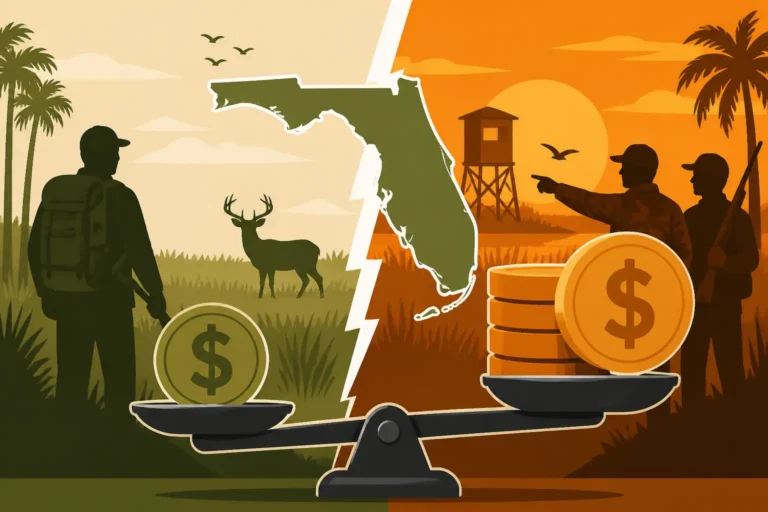
Figuring out how much to tip your Florida hunting guide can sometimes feel like trying to track a mature buck through a palmetto thicket in the dark – confusing, a little stressful, and you really want to get it right. It’s a common question, and one that often goes unasked until you’re shaking hands goodbye, leaving you to awkwardly fumble for your wallet. This comprehensive guide is here to untangle that mystery, giving you clear insights into the unspoken etiquette of tipping in the Sunshine State's unique guiding industry, so you can show your appreciation confidently and appropriately.
Why Tipping Matters in Florida's Guiding Industry
Let's be real, many of us come from backgrounds where tipping is customary in service industries like restaurants or hair salons, but it can feel a bit different when you're out in the wild, covered in mud, and your guide just helped you put down the hog of a lifetime. However, guiding is absolutely a service industry, and it's one where tips often form a significant portion of a guide's income. It's not just about rewarding success; it's about acknowledging the immense effort, expertise, and long hours they pour into making your hunt a memorable one.
Acknowledging Hard Work and Expertise
Think about what your guide does for you. Long before you even arrive, they've been scouting, setting up stands or blinds, checking trail cameras, preparing baits, and constantly monitoring game movement. This isn't a 9-to-5 job; it often involves early mornings, late nights, and days spent slogging through swamps or palmetto flats. When you finally hit the field, their expertise truly shines. They know the land, the game's habits, the weather patterns, and how to react when things don't go according to plan. That kind of knowledge isn't something you can just look up on an app or a website. It comes from years of boots-on-the-ground experience in Florida's diverse and often challenging terrain.
It's also about validating their chosen profession. Guiding can be physically demanding, mentally taxing, and often means sacrificing time with their own families during peak seasons. A generous tip sends a clear message that you value their dedication and the unique skills they bring to the table. It helps them feel appreciated for the sacrifices they make to provide you with an incredible outdoor experience. After all, they're not just showing you where to shoot; they're sharing their passion and a lifetime of learning with you.
Investing in Future Hunting Experiences
When you tip well, you're not just thanking your current guide; you're also building a reputation as a client who values good service. Guides talk to each other, and outfitters often keep notes on clients. Being known as a "good tipper" can absolutely work in your favor down the line. It might mean getting preferred dates for your next hunt, or having a guide go that extra mile for you because they know their efforts will be recognized.
Consider a scenario where an outfitter has two clients calling to book a Booking a Guided Florida Deer Hunt for the same prime rut week. If one client consistently tips generously and is a pleasure to hunt with, and the other is known for being stingy or difficult, who do you think will get the nod? It’s human nature. Tipping is an investment in goodwill and can lead to more opportunities and better service on future trips. It fosters a positive relationship that benefits both hunter and guide, ensuring that the guiding industry in Florida remains strong and attractive to dedicated professionals.
Factors Influencing Your Tip Amount
Tipping isn't a one-size-fits-all scenario, especially when you consider the vast array of hunting opportunities Florida offers, from high-stakes alligator hunts to more relaxed hog excursions. Several key factors should weigh into your decision, allowing you to tailor your gratuity to the unique circumstances of your trip.
Guide Effort and Professionalism
First and foremost, consider the guide's effort and professionalism. Did they go above and beyond to ensure you had a good experience, even if the game wasn't cooperating? Were they knowledgeable, patient, and good company? Did they handle unexpected challenges gracefully? A guide who works tirelessly, adapts to changing conditions, and maintains a positive attitude throughout, even when the hunting is tough, deserves to be rewarded.
For instance, if you're on a Booking a Guided Osceola Turkey Hunt and the birds are henned up or quiet, but your guide still busts their tail to reposition you, calls tirelessly, and manages to get a gobbler to respond, that immense effort should be recognized. Their professionalism extends to safety, equipment maintenance, and adherence to regulations. A guide who is disorganized, unprepared, or seems uninterested will certainly merit a different consideration than one who is on top of every detail, ensuring your safety and maximizing your opportunities.
Hunt Success and Ethical Practices
While success is often the goal, it's crucial to remember that a guide cannot control wild animals. You're hunting, not shopping. A great guide can put you in the best position, but ultimately, pulling the trigger is up to you, and Mother Nature always has the final say. Therefore, base your tip more on the opportunity the guide provided and their overall performance, rather than solely on whether you harvested an animal.
However, if the guide made a crucial mistake that cost you an animal, or if they engaged in unethical practices, that absolutely impacts your tip. On the flip side, if they helped you recover a difficult animal, tracked it through tough terrain, or put in extra hours after the shot, that certainly warrants a higher tip. For example, Blood Trailing After Dark in Florida can be arduous and time-consuming; a guide who dedicates themselves to that effort is providing immense value beyond the shot itself. Conversely, if a guide is rushing you, pressuring you to take unethical shots, or cutting corners, that reflects poorly on their professionalism and should be considered when deciding on your gratuity.
Overall Service and Hospitality
Many Florida hunting trips involve more than just the time in the field. Did the outfitter or guide provide comfortable lodging, delicious meals, and excellent camp camaraderie? Was the equipment well-maintained and safe? Did they help with game recovery, skinning, and processing? These ancillary services contribute significantly to the overall experience and are often provided by the guide or other camp staff.
If you're staying at a lodge as part of a package hunt, consider if the guide also acted as a host, cook, or even a driver. All these roles contribute to the quality of your trip. Some services, like those found on platforms such as BookYourHunt, might outline exactly what's included in a package, giving you a clearer picture of the guide's responsibilities beyond the immediate hunt. If the guide went out of their way to make you feel welcome, shared stories, or even helped you plan post-hunt activities, these elements of hospitality enhance your trip and are worthy of consideration for a more generous tip.
| Factor to Consider | Low End of Tipping Range | High End of Tipping Range |
|---|---|---|
| Guide Effort | Minimal scouting, disengaged | Tireless scouting, highly engaged, goes extra mile |
| Professionalism | Unprepared, unsafe, poor communication | Organized, safety-conscious, excellent communication |
| Hunt Success | No opportunities, poor shot setup | Multiple shot opportunities, precise setup, successful harvest |
| Recovery Effort | Minimal assistance, leaves tracking to hunter | Exhaustive tracking, helps with difficult recovery |
| Hospitality | Basic service, no camp interaction | Friendly, good company, assists with camp tasks |
| Overall Value | Felt generic, low personal touch | Highly customized, truly memorable experience |
Standard Tipping Percentages and Ranges
Now, let's get down to the numbers. While there's no official rulebook, the hunting industry generally follows certain conventions. It's about finding a balance between showing appreciation and being fair to your budget.
General Guidelines for Tipping
A common guideline for tipping hunting guides, regardless of the state, is generally in the range of 10% to 20% of the hunt's total cost. This percentage is applied to the guided portion of the hunt. If your hunt costs were bundled with lodging, food, and other amenities, you might adjust slightly if the guide's direct involvement was less than the overall package implies, but typically it still applies to the full "hunt package" value.
For a truly exceptional experience, where the guide exceeded all expectations, worked incredibly hard, and you had a fantastic time (and perhaps even bagged a great animal), going above 20% is a wonderful way to express your gratitude. On the flip side, if the experience was just "okay," or you felt the guide didn't put in their best effort, a tip at the lower end of the 10-15% range might be appropriate. Remember, a tip is a reflection of their performance, not necessarily your hunting skill or whether the animals cooperated. If you struggled with a difficult shot, that's on you, not the guide!
Adjusting for Different Hunt Types
Florida offers such a diverse array of hunting experiences that it's worth considering how the type of hunt might subtly influence your tip.
- Alligator Hunts: Applying for a Statewide Alligator Permit is an intense process, and a guided alligator hunt is often a high-adrenaline, unique experience. Guides often have specialized equipment, boats, and a deep understanding of alligator behavior. Given the effort and specialized nature, a tip in the 15-20% range, or even slightly higher for a truly epic gator, is common. Consider the cost of Harvesting an Alligator With a Bang Stick or other specialized methods, and the guide's expertise in safely handling a dangerous animal.
- Turkey Hunts: Whether you're chasing an elusive Osceola or an Eastern gobbler, Hunting an Osceola Gobbler in Palmetto Scrub is incredibly demanding on a guide. They scout, call tirelessly, and often need to move quickly. For these high-effort, often multi-day hunts, a tip between 15-20% is standard. If they got you on a bird that completes your Grand Slam, that's worth recognizing!
- Hog Hunts: Year-Round Hog Hunting in Florida is a popular option. These hunts can vary from quick spot-and-stalk excursions to intense dog hunts or night hunts with thermal equipment. For a basic day hunt, 10-15% might be acceptable, but for a guide who is providing dogs, specialized equipment for Night Hunting Hogs With Lights in Florida, or going far out of their way for a large sounder, a 15-20% tip shows significant appreciation. Many hog hunts are more affordable than other species, so a higher percentage might translate to a very reasonable dollar amount for the guide.
- Deer Hunts: Hunting Florida's Four Deer Zones presents a wide range of guiding scenarios. Deer hunts on private land, especially those focused on trophy animals, often involve extensive management and scouting. For these, 15-20% is a good benchmark. For less intensive deer hunts, such as a meat hunt or on smaller private tracts, a 10-15% tip is generally appropriate. Consider the commitment of the guide, the number of days, and how much pre-season work they put in to get you on deer.
Ultimately, these are guidelines. Use your judgment, and if you're ever unsure, a slightly more generous tip is rarely unwelcome, especially if you had a safe, enjoyable, and memorable time.
Tipping in Cash Versus Ahead of Time
When it comes to the logistics of tipping, cash is almost always king. It’s immediate, untraceable, and ensures the guide receives the full amount without any processing fees or delays. Handing a cash tip directly to your guide at the end of the trip is the most traditional and often preferred method.
However, sometimes you might be on a multi-day trip where you pay the outfitter directly for the entire package, and the guide is an employee. In these cases, you might consider asking the outfitter if tips can be added to your final payment. While some outfitters do allow this, it's worth verifying that the tip goes directly to your guide and isn't subject to company deductions or delays. Many guides prefer cash because they receive it immediately, and it often avoids tax implications for them in the short term. If you use a booking service like GoHunt, ensure you understand their policies regarding gratuities, but even then, a cash tip directly to the guide is generally the best practice. When you book a multi-day package, always plan to have enough cash on hand for the gratuity. It's often overlooked, but it's an important part of the overall expense.
Non-Monetary Ways to Show Appreciation
While a monetary tip is the standard and most impactful way to show gratitude, there are other meaningful gestures that can complement your financial contribution, especially if you had an outstanding experience. These acts of appreciation can build lasting relationships and boost a guide's reputation.
Positive Reviews and Referrals
In today's digital age, online reviews are gold for guides and outfitters. Taking the time to write a detailed, positive review on their website, social media, or on hunting forums can be incredibly valuable. Mention your guide by name, highlight specific positive aspects of your trip, and share photos if appropriate. This helps potential clients make informed decisions when Vetting a Florida Hunting Outfitter and directly contributes to your guide's future bookings.
Beyond online reviews, word-of-mouth referrals are equally powerful. If you had a fantastic experience, tell your hunting buddies, friends, and family. Actively recommend your guide when someone asks about booking a guided Florida hog hunt or a Booking a Guided Osceola Turkey Hunt. This isn't just a kind gesture; it's a direct contribution to their livelihood. A genuine endorsement from a satisfied client carries immense weight and is a testament to the guide's skill and dedication.
Small Gifts and Gestures
Sometimes, a little extra something, beyond the cash tip, can truly make a guide feel special. These don't need to be extravagant; it’s the thought that counts.
- Sharing Game: If you're on a hog hunt and aren't keen on taking all the meat, offering to share some of your harvest with your guide or their family can be a thoughtful gesture. Just be sure to ask if they're interested and if it's convenient for them to process.
- Gear or Supplies: If you noticed your guide could use a new headlamp, a good quality knife, or some particular hunting accessories, a small, practical gift related to their profession can be a hit. This shows you were paying attention and appreciate their needs.
- A Handwritten Note: In an era of quick texts and emails, a heartfelt, handwritten thank-you note can stand out. Expressing specific moments you enjoyed or lessons you learned can be incredibly meaningful and create a lasting memory for the guide.
- Camp Contribution: If you're staying at a hunting camp, offering to help with camp chores, cooking, or cleaning up, even if it's not explicitly your responsibility, demonstrates respect and a team player attitude. This kind of camaraderie enhances the entire experience for everyone, contributing to those Florida Deer Camp Traditions that make hunting so special.
These non-monetary gestures, when combined with an appropriate financial tip, create a truly positive impression and ensure your guide feels fully appreciated for their hard work and dedication.
Handling Difficult Situations or Dissatisfaction
While most guided hunts in Florida are fantastic experiences, occasionally things don't go as planned, and you might find yourself genuinely dissatisfied. Knowing how to handle these situations is crucial, not just for your peace of mind, but for fair resolution.
When to Adjust Your Tip Downward
It's important to differentiate between factors outside a guide's control (like bad weather or uncooperative animals) and genuine shortcomings in their performance. If the guide consistently demonstrated a lack of effort, was unprofessional, acted unsafely, or made critical errors, it's absolutely acceptable to adjust your tip downward from the standard percentages.
For example, if the guide showed up late repeatedly, was clearly unprepared, didn't seem knowledgeable about the area, or exhibited poor ethics (like encouraging illegal activities), a reduced tip is warranted. Similarly, if they were rude, spent more time on their phone than focused on the hunt, or created an uncomfortable or unsafe environment, that impacts the value of the service you received. Don't withhold a tip entirely unless the experience was truly egregious and unacceptable, as this is their livelihood. However, reducing it to the lower end (5-10%) or even to a token amount sends a clear message that you were dissatisfied, without completely denying their effort.
Communicating Your Concerns Effectively
Before deciding on your tip, if you have significant concerns, it's often best to address them directly with your guide or the outfitter. Choose a private moment, away from other hunters, and approach the conversation calmly and respectfully. Focus on specific behaviors or issues, rather than making personal attacks.
For instance, you might say, "John, I really appreciate the effort on the alligator hunt, but I was a bit concerned when we were running the airboat so fast in low light. I just wanted to mention it for future reference." Or, "I felt like we didn't get to the stand quite as early as we discussed, and I missed some prime movement. Is there a reason we couldn't get out sooner?" This gives them an opportunity to explain or apologize, and sometimes there's a legitimate reason you weren't aware of. If your concerns are met with defensiveness or dismissal, that further informs your tipping decision. Open and honest communication, even when difficult, is key to resolving issues and maintaining respect.
Deciding to Withhold a Tip Entirely
Withholding a tip entirely should be reserved for truly extreme circumstances, such as blatant safety violations, illegal activities, or severe professional misconduct that endangered you or others. This is a very serious action that essentially states the service was worthless or detrimental.
If you find yourself in such a dire situation, it's crucial to document what happened and consider reporting it to the appropriate authorities, such as the Florida Fish and Wildlife Conservation Commission (FWC), especially if laws were broken. You might also consider contacting the outfitter's management or owner to discuss the experience, as they have a vested interest in maintaining a good reputation and may offer a partial refund or other resolution. In these rare instances, not only would you withhold a tip, but you should also share your experience through official channels and honest reviews to warn other hunters about the issues. Remember, a tip is about rewarding good service; if that service was demonstrably bad or harmful, then no reward is due.
Legal and Ethical Considerations for Guides
Understanding the legal and ethical landscape that Florida guides operate within can further inform your appreciation and decision-making when it comes to tipping. Guides aren't just experts; they're also custodians of the law and stewards of our wildlife resources.
Guide Licensing and Regulations
In Florida, unlike some other states, there isn't a specific "hunting guide license" issued by the state beyond general business licenses that outfitters might need. However, guides and outfitters are absolutely expected to operate within all applicable state and federal hunting regulations. This includes ensuring all clients have the correct Florida Hunting Licenses and What They Cost, understanding bag limits, season dates, and legal hunting methods for specific species.
For instance, an alligator guide must operate under the rules of the Florida's Statewide Alligator Permit Lottery, and often holds permits themselves or ensures clients have their own. A guide taking you on public land must ensure you have a The Florida WMA Management Area Permit if required. If you're on a hunt that involves a boat, the guide must adhere to Coast Guard regulations for charter captains, which includes specific licensing and safety equipment. The guide's responsibility is not just to find game, but to ensure the hunt is legal, ethical, and safe. Your tip acknowledges their adherence to these standards, which protect both you and Florida’s wildlife.
Ethical Hunting Practices
Beyond the letter of the law, ethical hunting practices are paramount. A good guide will always prioritize fair chase, responsible harvesting, and respect for the animals and the environment. This means they won't cut corners, engage in questionable tactics, or push you to take unsafe or unethical shots.
For example, a guide for a Waterfowl Hunting Florida's Marshes trip should ensure decoying is done properly and that birds are retrieved promptly. A deer guide should emphasize clean shots and diligent tracking, even for a non-trophy animal. Tracking a Deer in Sandy Florida Soil can be challenging, but an ethical guide won't give up. If you notice a guide encouraging practices that seem "off," such as baiting in an illegal manner or exceeding bag limits, it reflects poorly on their ethics. A tip should reward ethical behavior and a commitment to conservation, not just success.
Responsibility for Client Safety
Client safety is arguably a guide's most critical responsibility. This includes everything from ensuring firearms are handled safely, navigating challenging terrain or water conditions, and being prepared for emergencies. Florida's environment, with its heat, humidity, dangerous wildlife (like snakes and, of course, alligators), and often remote locations, presents unique safety challenges.
A guide should always carry a first-aid kit, have communication devices, and know how to react in an emergency. If they're operating a vehicle, boat, or ATV, they should do so safely. When you consider the myriad ways a guide ensures your safety – from providing appropriate blaze orange during gun season to advising on proper hydration in the heat – their role goes far beyond merely locating game. A tip, especially a generous one, is a strong acknowledgment of their commitment to your well-being throughout the hunt.
Final Thoughts on Tipping
Navigating the world of tipping can sometimes feel like a dance, but in the Florida hunting community, it's an important part of showing respect and appreciation for the hard work, expertise, and dedication that guides bring to the field. It’s more than just a transaction; it’s a gesture that supports a vital part of our outdoor heritage.
Remember that a generous tip, typically in the 15-20% range for a good experience, not only rewards your guide for their efforts but also builds goodwill that can enhance your future hunting adventures. Whether you're chasing an Osceola gobbler, grappling with an alligator, or pursuing a trophy buck, your guide is pouring their heart and soul into making your trip a success. Showing your appreciation through a thoughtful tip, combined with positive reviews and sincere gratitude, ensures that the spirit of fair chase and mutual respect thrives in the wilds of Florida.
Disclaimer
This article is for general informational purposes only and does not constitute professional advice. Laws, prices and regulations vary by location and change over time. Consult a qualified professional for guidance on your specific situation.