Hunting Florida Cypress Swamp Edges
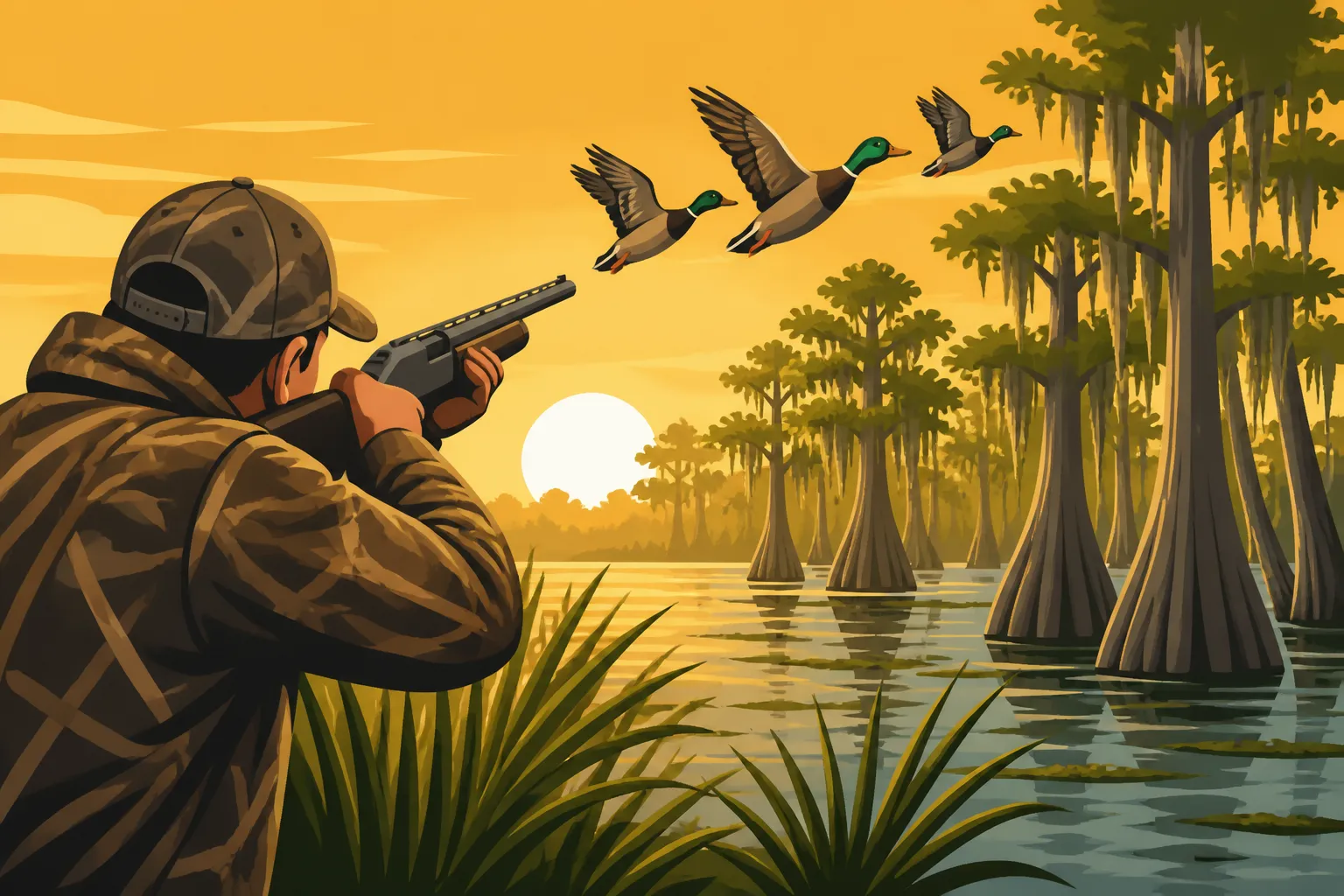
Hunting the dense, often water-logged edges of Florida's cypress swamps can feel like trying to find a needle in a haystack while battling mosquitoes, heat, and seemingly impenetrable vegetation. It's a unique challenge that frustrates many, but for those who learn its secrets, these shadowy transitions between swamp and upland offer some of the most consistent game movement in the state. This guide is here to break down exactly how to approach these complex environments, turning your frustrations into successful hunts.
Understanding the Cypress Swamp Edge Ecosystem
Florida's cypress swamps are iconic, but it's often their edges—the transition zones where the water meets drier ground—that hold the most appeal for hunters. These aren't just random boundaries; they are vital arteries for wildlife, teeming with life and offering everything a deer, hog, or turkey needs to thrive.
Why Deer and Other Game Favor These Edges
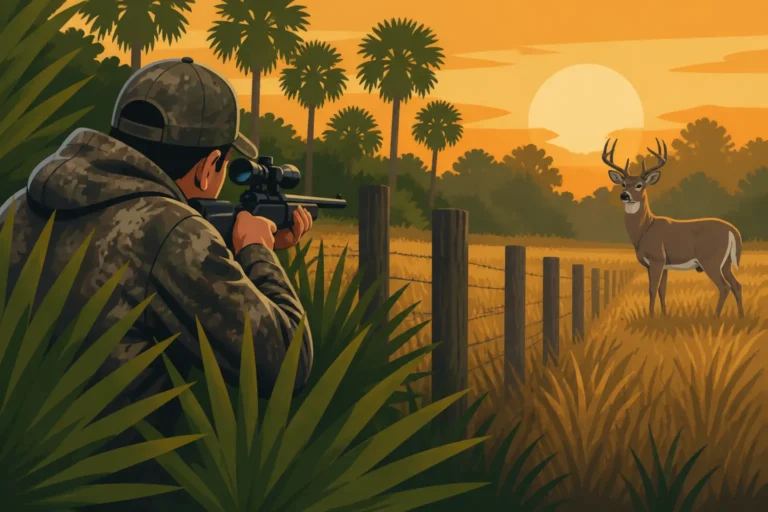
The appeal of a cypress swamp edge for wildlife, especially deer, lies in its incredible blend of resources. Think about it: water, food, and cover are the three pillars of survival, and these edges offer all three in abundance and close proximity.
First, there's the water. Florida is a wet state, but readily accessible, clean water is always a draw. The swamp itself provides constant hydration, and deer will often travel along the drier fringe to drink, especially during periods of drought on higher ground. Beyond drinking, the damp soil along the edge often supports lush, tender vegetation that stays green even when uplands dry out. This makes the edge a reliable food source.
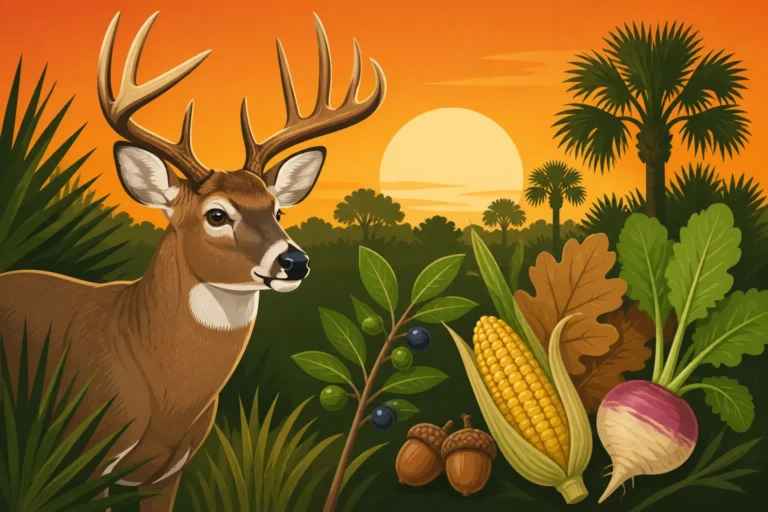
Then comes the food. While you might not think of a cypress swamp as a buffet, its margins often feature diverse plant life. Saw palmetto, gallberry, various ferns, and even young cypress or oak sprouts can provide browse. Crucially, as the swamp transitions to pine flatwoods or oak hammocks, you'll find a mix of these species alongside acorns, berries, and other mast crops that deer, hogs, and turkeys absolutely crave. This creates a natural "food plot" that's constantly replenished by nature. Hogs, in particular, will root extensively along these soft, fertile edges, turning up tubers and grubs. You might even stumble upon areas where they've created vast areas of turned-over earth, a clear sign of their presence.
Finally, and perhaps most importantly, is the cover. Florida's whitetails, known for their smaller stature compared to their northern cousins, are masters of concealment. The dense undergrowth along cypress swamp edges—think thick palmettos, briar patches, and tangles of vines—provides an almost impenetrable sanctuary. Deer use these thickets for bedding, especially when they feel pressured or want to escape the midday sun. The edge acts as a natural travel corridor, allowing them to move between feeding areas in the uplands and their bedding sites within the swamp or on small, dry islands within it, all while staying hidden from predators (and hunters). Turkeys will also use these edges for roosting and travel, especially when moving between different feeding grounds.
Unique Challenges of Swamp Edge Hunting
While abundant game makes these edges attractive, hunting them successfully is far from easy. Florida's swamps present a unique set of challenges that can quickly turn a promising hunt into a frustrating slog if you're not prepared.
One of the most obvious hurdles is the water and mud. Depending on recent rainfall, what looks like a dry edge on a map can quickly become a knee-deep bog. Navigating these areas silently is incredibly difficult. Every step can be a squishy, noisy affair, sending game scattering long before you even see them. The mud can also cling to your boots, adding significant weight and making long treks exhausting. Then there's the dense vegetation. While excellent for cover, it severely limits visibility and shot opportunities. You might hear deer moving all around you, but getting a clear line of sight for a shot can be nearly impossible. This often means engagements are close-range and fast.
And let's not forget the insects. Mosquitoes, gnats, and various biting flies are a constant companion in Florida's humid, swampy environments. They are more than just an annoyance; they can ruin a hunt by making it impossible to sit still or concentrate. Effective insect repellent and even head nets are non-negotiable. Related to this is scent control. The humidity and stagnant air in swampy areas can make scent dispersal tricky, often holding your human odor close to the ground where game can easily detect it. You'll need to be extra diligent with your scent elimination routines.
Finally, there are the physical demands. The combination of uneven, often soft terrain, dense brush, and high humidity makes hunting cypress swamp edges physically taxing. Dragging a deer out of such an environment can be a monumental task. You need to be in good physical condition and have a realistic plan for game recovery.
Scouting Strategies for Florida Cypress Swamp Edges
Successful hunting in these environments starts long before opening day with meticulous scouting. You can't just wander in and expect to find game; you need to understand the lay of the land, predict animal movements, and identify key hot spots.
Reading the Landscape: Water Levels and High Ground
Before you even step foot in the swamp, you need to hit the maps. Aerial imagery is your best friend here. Tools like GoHunt's mapping platform or the Scouting With the Florida FWC App can provide invaluable insight. Look for the distinct, darker green patterns of cypress trees, which typically signify wetter areas, and identify where these transition to lighter green pine flatwoods or oak hammocks. This transition line is your cypress swamp edge.
What you're really looking for are subtle elevation changes. Even a foot or two of elevation can mean the difference between dry ground and standing water. These slightly higher areas often form "islands" within the swamp or narrow "fingers" of dry land that extend into it. Deer and hogs will consistently use these high spots to travel, bed, and escape rising water. Pay close attention to how the swamp fingers out into the uplands or how dry ground pushes into the swamp. These are natural funnels where game movement will be concentrated.
Water levels are also critical. Florida's swamps can fluctuate dramatically with rainfall. A spot that was dry and huntable in January might be impassable in August. Monitoring local rainfall, checking water level reports (if available for specific WMAs), and even making pre-season visits to observe current conditions are vital. High water pushes game out of the deeper swamp and concentrates them on the edges and higher islands. Conversely, very low water might allow game to venture deeper into the swamp, expanding their range. Understanding these dynamics helps you predict where game will be concentrated.
Locating Sign: Tracks, Rubs, and Scrapes
Once you've identified promising areas on a map, it's time for boots on the ground. When scouting a cypress swamp edge, you're not just looking for any sign, but fresh sign that indicates current activity.
Tracks are your primary indicator. The soft, often muddy or sandy soil along these edges is perfect for showing fresh hoof prints. Look for distinct, sharp edges on tracks, indicating they were made recently. Pay attention to track size and direction. Are they moving into the swamp or out to the uplands? Are there multiple tracks, suggesting a group of hogs or a doe with fawns? Are they buck tracks, identifiable by a slightly more splayed toe and heavier impression? Follow these tracks as far as you can to discern established travel routes. You might find a natural funnel where deer are consistently crossing a narrow patch of dry ground between two wet areas.
Rubs and scrapes are harder to find but incredibly valuable. Bucks will rub their antlers on small trees and bushes, especially during the pre-rut and rut. Look for fresh bark stripped away from saplings along the edge, indicating a buck has been actively marking his territory. Scrapes—areas where a buck has pawed away leaves and urinated—are also key indicators of buck activity. While less common in the wettest parts of the swamp, you'll find them on the drier portions of the edge, often along established travel corridors or transition lines. Remember that deer in Florida can be less consistent with their scrape lines than in other states, so focus on fresh activity rather than old, abandoned scrapes. Turkeys will leave distinct scratching patterns where they've dug for insects and seeds, especially in the leaf litter along the drier portions of the edge. Hog rooting, as mentioned before, is an unmistakable sign, indicating a prime feeding area.
When you find good sign, try to identify the pattern. Where are the deer coming from, and where are they going? Are they feeding in a nearby oak hammock and bedding in the swamp? Are they using the edge to travel between two larger sections of dry ground? These patterns will dictate your stand placement.
Effective Hunting Tactics for Cypress Swamp Edges
Once you've done your homework and found those promising hotspots, it's time to apply specific tactics tailored to the unique environment of Florida's cypress swamp edges. This isn't your typical open woods hunting; it requires patience, stealth, and adaptability.
Stand Placement and Access Routes
Choosing the right stand location in a swamp edge is paramount, and it often comes down to balancing visibility, cover, and wind direction. In areas with dense vegetation, a ground blind can be incredibly effective, offering concealment and helping contain your scent. Just be sure to brush it in naturally with local vegetation and set it up well in advance if possible to allow game to get used to it. Read up on Using a Ground Blind on Florida Public Land for best practices.
If you opt for a tree stand, you'll need to find a suitable tree that offers good shooting lanes into the likely travel corridors. This can be challenging in a cypress swamp, where many trees are tall and straight but lack low branches or offer limited visibility due to surrounding dense undergrowth. Look for trees on the edge of the edge – just enough into the swamp to give you a clear shot into the dry transition, or just on the dry side to overlook where game might emerge. Always check Tree Stand Rules on Florida Public Land to ensure compliance.
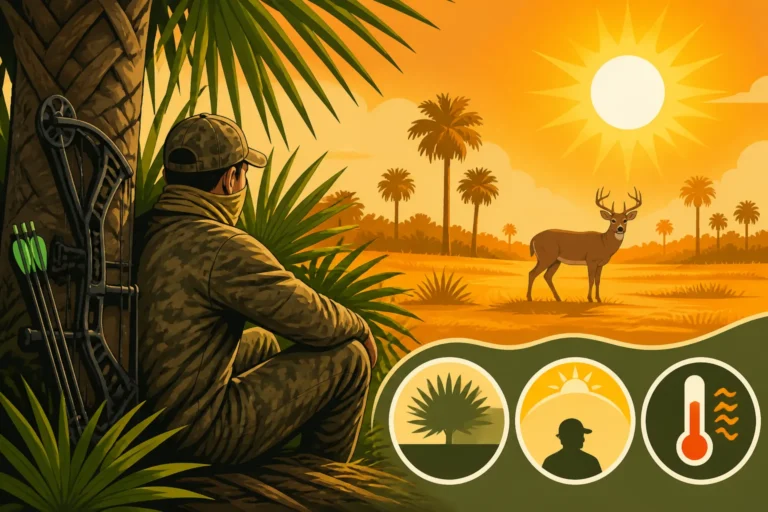
Regardless of your choice, wind direction and thermals are absolutely critical. In humid, dense environments, scent tends to hang low and can swirl unpredictably. Pay attention to the prevailing winds, but also consider how morning and evening thermals will influence scent movement. Often, mornings will see thermals dropping into lower, wetter areas, while evenings will see them rising. Position yourself so your scent is blowing away from where you expect game to approach or bed.
Finally, planning quiet entry and exit routes is non-negotiable. Walking directly to your stand through a bedding area or a known travel corridor is a surefire way to spook game. Use dry creek beds, old logging roads, or even wade through shallow water if necessary to minimize disturbance. The goal is to get in and out undetected.
Still-Hunting and Stalking Techniques
For many, the dense nature of cypress swamp edges makes still-hunting one of the most productive methods. This involves moving incredibly slowly, taking only a few steps at a time, and then pausing for extended periods (5-10 minutes or more) to scan, listen, and observe. The key is to blend into the environment and allow game to move naturally around you.
When still-hunting, use your ears as much as your eyes. Listen for the subtle sounds of movement: a twig snapping, a rustle in the palmettos, the splash of water. These areas are noisy, so differentiating natural sounds from animal movement takes practice. When you do move, focus on placing your feet deliberately, testing the ground before committing your weight, and avoiding loose sticks or crunchy leaves. It's often easier to move through a few inches of water quietly than across a crunchy, dry forest floor. Learn more about quiet movement in dense cover by reviewing tactics for Still-Hunting Florida Palmetto Flatwoods.
Stalking can also be effective, especially once you've spotted game or are pursuing an animal you've jumped. This requires even more precision and patience. Use the dense vegetation to your advantage, moving from cover to cover, always keeping an eye on the animal and its potential escape routes. It’s a game of inches and often involves crawling or bending low to stay out of sight. Remember that animals in thick cover are often on edge, so any quick, unnatural movement can send them bolting.
Utilizing Calls and Decoys
While swamp edges are dense, certain calling and decoy strategies can still be highly effective, especially for drawing out a wary buck or a gobbler.
For deer, grunt calls can be excellent for stopping a moving buck or drawing one closer if you know he's in the vicinity. A soft grunt can pique a buck's curiosity without alerting him to danger. During the rut, more aggressive grunts, snort-wheezes, or even estrus bleats can be used to challenge a dominant buck or attract one looking for a hot doe. However, always be mindful of the dense cover; a buck might approach silently and quickly, so be ready. For more on effective vocalizations, check out Grunt Calls in a Florida Oak Hammock.
Rattling antlers can also be surprisingly effective in thicker cover, but with a twist. Instead of loud, crashing sequences meant for open country, use shorter, softer sparring sequences. The sound doesn't travel as far, so you're not calling deer from a mile away, but it can draw in a buck that's already close and curious about a territorial dispute. The thick cover provides security for the buck to investigate. For tips on volume, refer to Rattling Volume in Thick Florida Scrub.
Decoys for deer are less common in such dense cover simply because visibility is so limited, making them hard for a deer to see at a distance. However, a well-placed doe decoy during the rut can draw in a buck that’s already nearby and looking for a mate. For turkeys, decoys are often more effective. A single hen decoy, or a jake and hen setup, placed in a small clearing along a swamp edge can be irresistible to a gobbler cruising for companionship. Make sure your decoys are visible from a reasonable distance, perhaps at the end of a long, straight travel corridor or in a small open patch.
Gear and Preparation for Swamp Edge Success
Hunting Florida's cypress swamp edges demands specific gear and meticulous preparation. It's not the place to skimp on quality or overlook details, as the environment itself can be brutal on equipment and comfort.
Essential Clothing and Footwear
The number one rule for clothing in a Florida swamp is waterproofing. You will encounter water, whether it's standing puddles, boggy ground, or a sudden downpour.
- Boots: Invest in high-quality, comfortable rubber boots that extend at least mid-calf, preferably knee-high. If you anticipate deeper water, chest waders might be necessary. Look for boots with good traction for slippery mud. Snake boots are also a smart choice, as venomous snakes like cottonmouths and rattlesnakes frequent these damp, brushy areas.
- Clothing: Layers are always a good idea, even in Florida's warmth. Start with a lightweight, moisture-wicking base layer. Outer layers should be durable, quiet, and offer some level of water resistance. Avoid cotton, which absorbs moisture and takes forever to dry, leading to discomfort and potentially hypothermia if a cold front pushes through. Look for synthetic blends or merino wool. Camouflage patterns that break up your outline in dense, varied vegetation are ideal.
Don't forget insect protection. Permethrin-treated clothing is a game-changer, repelling ticks, mosquitoes, and chiggers. Combine this with a good quality DEET-based repellent for exposed skin. A head net can provide essential relief when the bugs are thickest, allowing you to stay on stand without constantly swatting.
Navigation and Communication
Getting lost in a dense Florida swamp can be a serious situation. Reliable navigation tools are absolutely critical.
- GPS Unit/Smartphone Apps: A dedicated handheld GPS unit or a smartphone with a robust hunting app like GoHunt, loaded with offline maps, is indispensable. Mark your truck, stand locations, and any key landmarks. These apps often show property boundaries and terrain features crucial for hunting public land. Remember to fully charge your devices and carry a portable power bank. For more info on useful digital tools, check out Scouting With the Florida FWC App.
- Compass and Map: Always carry a physical compass and a waterproof paper map as a backup. Batteries die, and electronics fail. Knowing how to use these traditional tools could literally save your life.
- Communication: Cell service can be spotty or nonexistent in remote swamp areas. Consider carrying a satellite messenger (like a Garmin inReach or Zoleo) for emergency communication or to check in with family. This offers peace of mind and a vital lifeline.
Weapon and Broadhead Choices
The dense cover of cypress swamp edges influences your weapon and ammunition choices.
- Rifles: If using a rifle, consider calibers that perform well in brush, typically those with heavier, slower bullets that are less prone to deflection. A lever-action .30-30 or a .45-70, or even a modern straight-wall cartridge like a .350 Legend, can be effective in close quarters. However, many hunters still opt for their tried-and-true deer calibers, understanding that shot placement is always paramount.
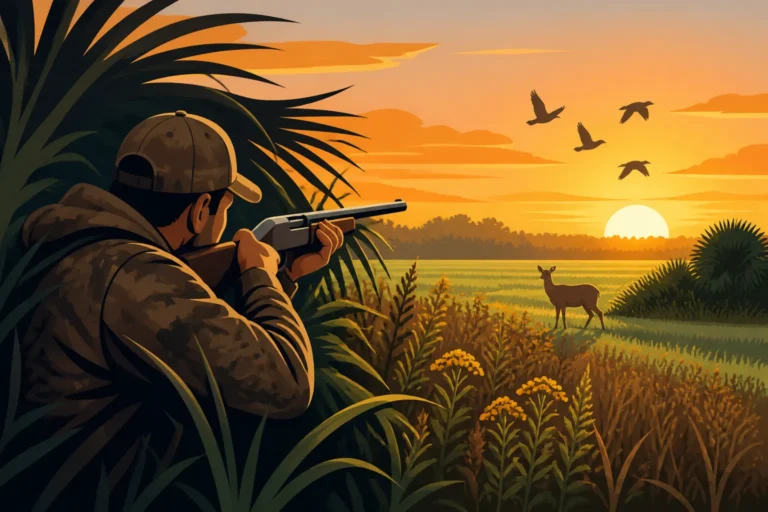
- Shotguns: A shotgun loaded with slugs is an excellent choice for thick cover, offering significant stopping power at close ranges. Check out Which Shotgun Gauges Florida Allows for Deer for specifics.
- Muzzleloaders: Muzzleloaders are also a great option, often allowed during special seasons or general gun seasons. They pack a punch and are well-suited for the short-range encounters typical of swamp hunting. Learn more about Muzzleloader Deer Hunting in Florida.
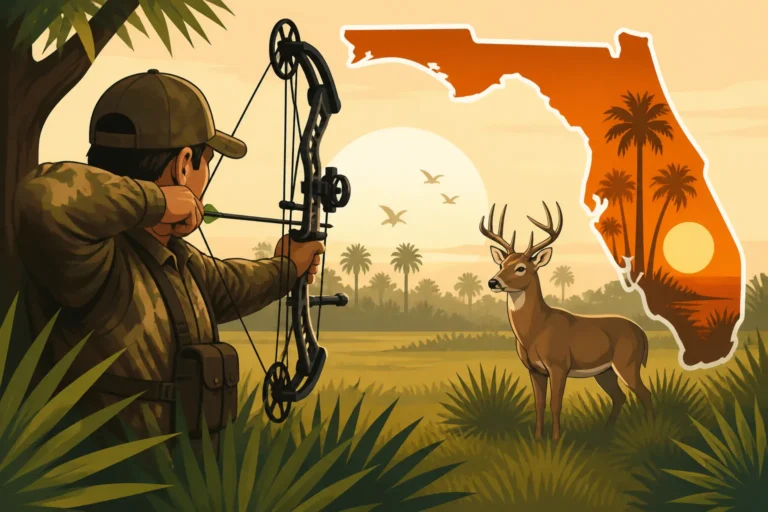
- Bows: Archery, including crossbows, excels in these close-quarters environments. The stealth and precision required by bowhunting align perfectly with the dense habitat. For crossbow users, ensure you understand Crossbow Hunting During Florida's Archery Season regulations.
- Broadheads: For bowhunters, fixed-blade or robust mechanical broadheads that offer good penetration are crucial. You want something that will cut cleanly through hair, hide, and bone even if it encounters a small twig on the way.
Ultimately, familiarity with your chosen weapon and precise shot placement are more important than the specific caliber or type of broadhead. Practice shooting in conditions that mimic the swamp, such as through small lanes in thick brush.
Seasonal Considerations and Advanced Tactics
Hunting Florida's cypress swamp edges isn't a static endeavor; it evolves with the seasons and responds to external factors like weather. Adapting your approach based on these variables can significantly boost your success.
Adapting to Florida's Varied Rut Timings
Florida's whitetail rut is famously diverse, peaking at different times across the state's four deer management zones. Understanding when the rut is hitting your specific hunting area is crucial, as it drastically changes deer behavior, especially around swamp edges. Reviewing resources like When the Florida Rut Peaks by Zone is vital intelligence.
- Pre-Rut (Late Summer/Early Fall in Some Zones): Bucks start to become more active, rubbing trees and making scrapes. They're still somewhat nocturnal, but they'll be checking edges for early-cycling does. This is a great time to focus on scouting and identifying those key travel corridors leading into and out of bedding areas along the swamp edge.
- Peak Rut (Fall/Winter, depending on Zone): This is when bucks are most vulnerable. They'll be actively pursuing does, often throwing caution to the wind. You'll see increased daytime movement. Focus on pinch points, funnels, and areas where does congregate near the swamp edge. Bucks will cruise these edges, scent-checking for receptive does. Aggressive calling, like rattling and grunting, can be very effective now.
- Post-Rut (Late Winter/Early Spring in Some Zones): Bucks are exhausted and focused on recovering. They'll often seek out the most secure bedding areas, often deep within the swamp or on secluded islands along its edge. Food sources that remain palatable through the winter also become critical. They might move less and be harder to entice with calls. This period can overlap with archery or general gun seasons in some of the later zones, making for a challenging but rewarding hunt if you find where they're trying to hide.
Hunting After a Cold Front or Rain
Florida weather can change rapidly, and these shifts have a profound impact on game movement. Learning to capitalize on them is a hallmark of an experienced swamp edge hunter.
- Cold Fronts: A strong cold front bringing cooler, drier air is often a hunter's best friend. After days of oppressive heat and humidity, game, particularly deer, will often become much more active, feeding and moving more freely during daylight hours. They might emerge from the swamp edges to browse in uplands or travel more openly along the dry fringes. This is an excellent time to be in your stand. Learn more about specific tactics by studying Hunting Deer After a Cold Front.
- Rain: During a steady rain, deer often bed down, becoming less active. However, as the rain lets up, especially after a prolonged period, game can burst into activity. The ground becomes softer, making silent movement easier for both game and hunter. The rain also washes away scent, giving you a slight advantage. Be prepared to hunt immediately after a rain shower, as this can offer some of the best opportunities. Heavy rains can also cause water levels to rise, pushing game out of deeper swamp areas and concentrating them even more on the edges.
Multi-Species Opportunities
One of the great joys of hunting Florida's cypress swamp edges is the potential for a multi-species harvest. While you might be primarily targeting deer, it's not uncommon to encounter other game animals that thrive in these environments.
- Feral Hogs: Hogs are abundant across Florida and absolutely love cypress swamps. They root for food along the soft, damp edges and use the dense cover for bedding. Many hunters target hogs year-round in Florida due to their destructive nature and lack of bag limits. If you're set up for deer, you might find a sounder of hogs coming through. Be ready to switch gears. For comprehensive hog hunting advice, check out Year-Round Hog Hunting in Florida.
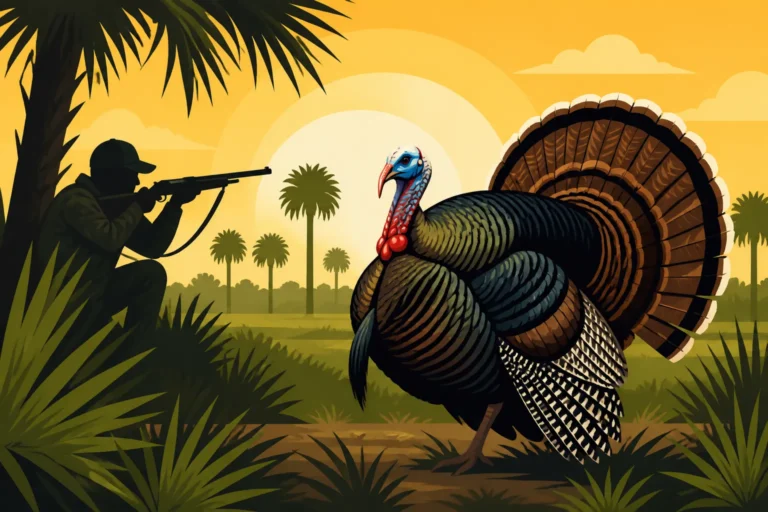
- Turkeys: Both Osceola and Eastern turkeys utilize swamp edges, especially for roosting and feeding. They'll often scratch for insects and seeds along the drier fringes. If you're hunting during turkey season, a well-placed setup near a swamp edge where birds are known to roost or travel can be highly productive. During deer season, hearing a gobble while on stand is a welcome bonus. Consider strategies from articles like Hunting Florida's Osceola Turkey for specialized tactics.
- Small Game: While less common for dedicated swamp edge hunting, rabbits and squirrels can also be found in these transition zones, especially where they meet hardwood hammocks. If you're carrying a small game legal firearm, these can offer additional opportunities.
Being mentally prepared for any of these species to present an opportunity means you're more likely to capitalize on it. Always be aware of the specific regulations for each species in your hunting zone.
| Stand Type | Pros (Swamp Edge) | Cons (Swamp Edge) | Ideal Scenario |
|---|---|---|---|
| Treestand | Elevates scent, better visibility over obstacles | Limited suitable trees, difficult access, exposed | Dry, stable edge with good tree cover, overlooking a funnel |
| Ground Blind | Excellent concealment, scent containment, mobility | Limited visibility, susceptible to water/mud, hot | Dense cover, near water-level travel corridors, pre-set |
| Ladder Stand | Stable, comfortable for longer sits, secure | Immobile, heavy to transport, loud to set up | Established, long-term spot on a firm, dry edge |
Disclaimer
The information provided in this guide is for informational purposes only and is not a substitute for official regulations. Always consult the Florida Fish and Wildlife Conservation Commission (FWC) regulations pamphlet and website for the most current and accurate hunting laws, season dates, and license requirements before engaging in any hunting activities. Safety should always be your top priority.