Florida Hog Hunting Permit Requirements
Figuring out the exact rules for hunting hogs in Florida can feel like navigating a palmetto thicket in the dark—confusing, frustrating, and easy to get turned around. Unlike most game animals with strict seasons and bag limits, feral hogs occupy a unique, almost contradictory, space in Florida’s wildlife management. This guide will shine a bright light on Florida's hog hunting permit requirements, making sure you understand precisely what you need to legally and successfully pursue these prolific animals on both private and public lands.
The Unique Status of Feral Hogs in Florida
Florida's stance on feral hogs is quite different from how it manages white-tailed deer, turkeys, or even alligators. This difference stems from their classification and their significant impact on the state's natural environment and agricultural interests. Understanding this foundational difference is key to grasping the permit requirements.
Why Feral Hogs Aren't Like Other Game Animals
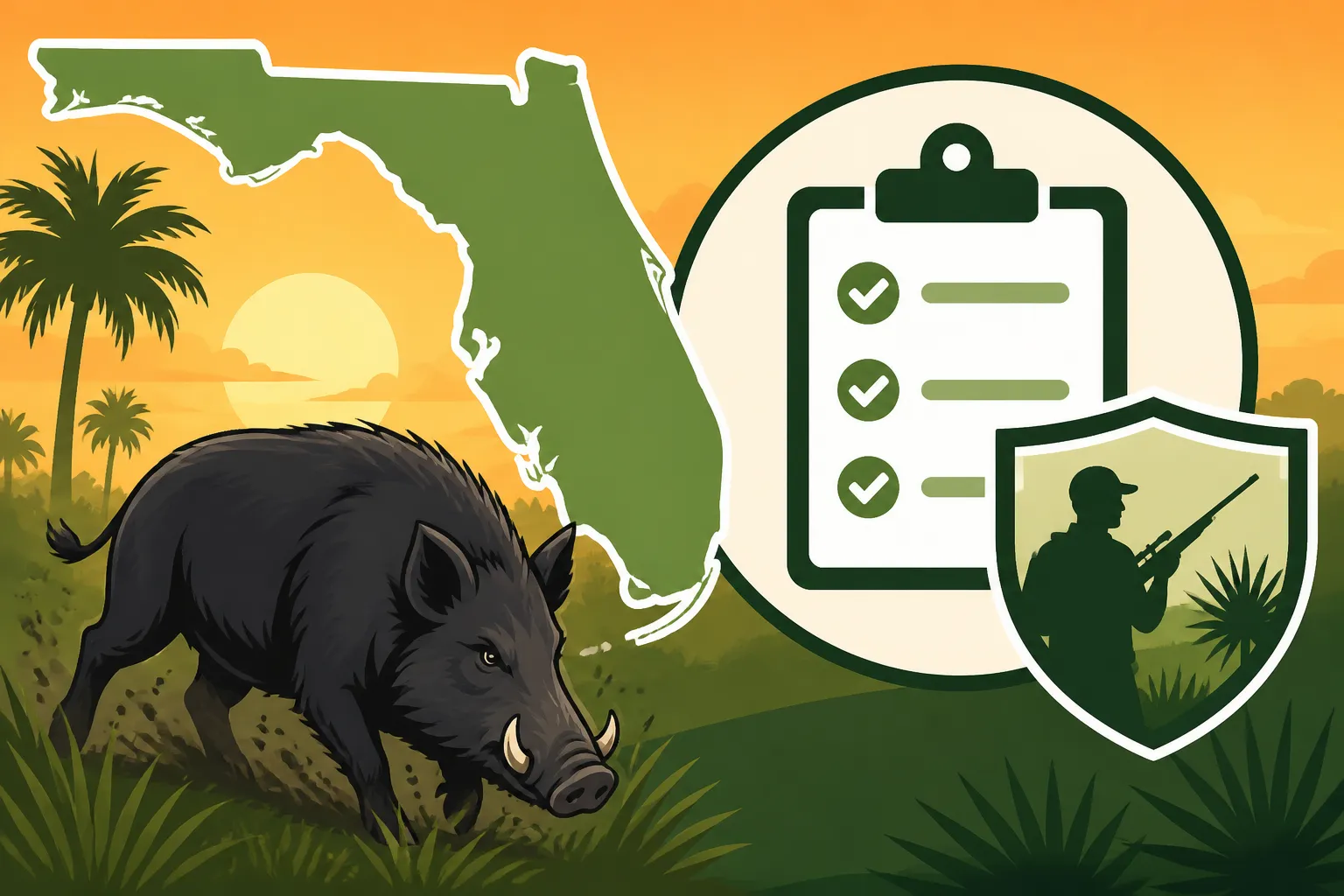
Feral hogs, often referred to as wild hogs, are not native to Florida. They are descendants of domestic pigs brought to the Americas by early European explorers, including Hernando de Soto, way back in the 16th century. Over centuries, these animals escaped, adapted to Florida's diverse habitats, and have since proliferated across the state. Because of their non-native status and their destructive habits, they are classified as an invasive species. This classification is crucial because it means wildlife agencies, like the Florida Fish and Wildlife Conservation Commission (FWC), actively encourage their removal rather than trying to sustain or grow their populations.
These animals wreak havoc on ecosystems. Their constant rooting behavior, where they use their powerful snouts to dig for food, disturbs sensitive plant communities, damages agricultural crops like corn, peanuts, and citrus, and even tears up manicured lawns and golf courses. They compete with native wildlife, like deer and turkeys, for food resources, and can transmit diseases to both domestic livestock and other wild animals. The FWC recognizes that managing these populations is an ongoing challenge, and hunting is a primary tool in that effort. For more information on these resilient animals, check out our piece on Feral Hogs Across Florida.
Understanding No Closed Season and No Bag Limit
One of the most appealing aspects for hunters when it comes to Florida hogs is the absence of traditional hunting regulations. Florida has a "no closed season" rule for feral hogs. This means you can hunt them year-round, any day of the year, providing unparalleled flexibility for hunters looking for action outside of regular big game seasons. Imagine having a hunting opportunity every single month! This flexibility is unheard of for most other species.
Coupled with the "no closed season" is the "no bag limit" rule. Unlike deer, where you might have a statewide or zone-specific antlered or antlerless bag limit, there's no limit to the number of feral hogs you can harvest in Florida. If you're on a productive piece of land and the hogs are plentiful, you could, theoretically, take as many as you're capable of processing. This lack of restriction reinforces the FWC's objective: reduce their numbers. This open-ended opportunity is a significant draw for many hunters, both residents and non-residents. We delve deeper into this specific freedom in our article, Why Florida Hogs Have No Closed Season. This combination of year-round availability and unlimited harvest makes hog hunting a unique and accessible experience in the Sunshine State.
Hunting Hogs on Private Land: The Simplest Path
For many hunters, pursuing feral hogs on private land offers the most straightforward and least restrictive experience. The FWC has made it incredibly simple to help landowners combat the extensive damage these animals cause.
No Hunting License Required for Landowners and Guests
Here's the really big news for many: on private land, neither a hunting license nor a permit is required to hunt feral hogs in Florida. This is a massive departure from hunting deer or turkey, where a valid Florida hunting license is absolutely mandatory. If you own land in Florida, or if you have secured permission to hunt hogs on someone else's private property, you simply do not need to purchase any state hunting licenses or permits. This applies whether you're a Florida resident or a non-resident.
However, "private land" is the key phrase here. You must have explicit permission from the landowner to be on their property and to hunt. A verbal agreement is often sufficient, but carrying written permission is always a good idea to avoid any misunderstandings with law enforcement or neighboring property owners. This makes it incredibly easy for friends, family, or even hired hog removal services to assist landowners in controlling these destructive animals. If you're considering setting up a dedicated hog management effort, like Trapping a Sounder on Private Land, on private property, the lack of license requirements really simplifies things.
Considerations for Baiting and Night Hunting on Private Land
Another significant advantage of hunting hogs on private land is the flexibility regarding methods. When it comes to baiting, Florida's regulations are very clear: baiting feral hogs on private land is completely legal. This means you can set up corn feeders, distribute cracked corn, or use other attractants to draw hogs to a specific location. Many hunters utilize this strategy to increase their chances of success, especially when trying to manage a particular sounder. This allows for a more controlled hunting experience, often yielding consistent results. For more details on this, our post on Baiting Hogs Legally in Florida offers practical advice.
Night hunting for hogs is also legal on private land, and it's a popular and highly effective method. Feral hogs are often most active during cooler nighttime hours, especially in Florida's warm climate. To engage in night hunting, you'll want to invest in specialized equipment such as powerful spotlights, thermal optics, or night vision devices. These tools dramatically increase your visibility and accuracy after dark, turning a challenging hunt into a thrilling and productive one. Many hunters find that the cover of darkness makes hogs less wary, offering better shot opportunities. When planning a night hunt, tools like GoHunt can help you understand the topography and potential travel corridors on private parcels, even when you're scouting during the day. For a deep dive into hunting under the stars, check out Night Hunting Hogs With Lights in Florida. Remember, while these methods are legal on private land, you must still adhere to safe firearm handling practices and ensure you have a clear backstop.
Hunting Hogs on Public Land: What You Need
While private land offers maximum flexibility, many hunters rely on Florida's extensive public land system to pursue hogs. However, the rules here are a bit more structured, bringing them closer to typical big game hunting regulations.
General Public Land License Requirements
If you plan to hunt feral hogs on any public land in Florida, such as Wildlife Management Areas (WMAs), state forests, or national forests, you will generally need to have a valid Florida hunting license. This isn't just for hogs; this base license covers most small game and often acts as the foundation for purchasing other necessary permits for big game.
For Florida residents, you'll need a Florida Resident Base License Cost. For those visiting from out of state, a Florida Nonresident Base License Cost is required. These licenses are your entry ticket to hunting most species on public land, including hogs. In addition to the base hunting license, many public lands, especially WMAs, require a Florida Management Area Permit (WMA permit). This permit provides access to the state's vast WMA system, which is managed by the FWC for wildlife conservation and public recreation, including hunting. It’s important to note that specific WMAs may have additional fees or permits. GoHunt, with its detailed mapping and regulatory overlays, can be an invaluable tool for identifying public land boundaries and understanding general WMA regulations, making sure you don't inadvertently step onto a closed area without the proper documentation.
Specific WMA Permits and Quota Hunts
Beyond the general hunting license and WMA permit, some specific Wildlife Management Areas have additional requirements, particularly for hog hunting. Some WMAs manage their hunting pressure through quota hunts. These hunts require hunters to apply for a limited number of permits through a lottery system, often well in advance of the season. While quota hunts are more common for deer or turkey, certain WMAs might have them for hogs, especially if they aim to control specific areas or manage hunter density. Always check the regulations for the specific WMA you plan to hunt before heading out.
Even if a WMA doesn't have a quota hunt for hogs, it's crucial to consult the individual WMA's regulations pamphlet or website. These pamphlets detail specific rules regarding legal hunting dates, permissible weapons, vehicle access, and sometimes even restrictions on hog hunting methods. For instance, some WMAs might restrict hunting hours or prohibit certain types of baiting. Our article on Hunting Hogs on WMA Land in the Off-Season provides insights into navigating these varied rules. Never assume that the general statewide hog rules apply universally on public land. The Florida WMA Management Area Permit itself gives you access, but the specific WMA rules dictate how and when you can hunt.
Weapons and Methods on Public Land
Florida is fairly liberal regarding weapons allowed for hog hunting on public land, though specific WMA regulations can always impose further restrictions. Generally, you can use:
- Centerfire rifles: Most common calibers are perfectly acceptable.
- Shotguns: Typically slugs are preferred for hogs, though buckshot can be effective at close range in thick cover.
- Muzzleloaders: A classic choice for an added challenge.
- Archery equipment: Traditional bows, compound bows, and crossbows are all legal.
- Pistols: Many hunters carry a pistol as a backup or for close-range opportunities.
- Dogs: While less common than still-hunting, dog hunting for hogs is allowed on some WMAs, but this is highly dependent on the specific area's rules and often requires special permits or participation in designated dog hunt seasons. It's a method rich in tradition and often effective in dense Florida cover. You can learn more about this method in our article on Dog Hunting Hogs in Florida.
It's vital to remember that while the state allows these weapons, individual WMAs may have specific "legal weapons" sections in their handbooks, so always double-check. For example, some might restrict rifle calibers or only allow shotguns during certain periods. Unlike private land, night hunting and baiting are generally prohibited on most public lands unless specifically allowed by unique WMA regulations. This is a critical distinction that hunters moving from private to public land need to be aware of.
Essential Gear and Best Practices Beyond Permits
While understanding the permit requirements is crucial, successful and ethical hog hunting in Florida involves much more than just the paperwork. From scouting to processing, preparation is key.
Scouting and Access for Successful Hog Hunts
Hogs are intelligent, adaptable, and constantly on the move, so effective scouting is paramount. Even with year-round opportunities and no bag limits, finding hogs consistently requires effort. Start by identifying potential hog habitat, which typically includes dense cover near water sources, especially during hot Florida summers. Look for fresh sign: rooting, tracks, rubs on trees, and wallows. Hogs love to cool off in muddy wallows, leaving behind a clear indicator of their presence.
Utilize modern mapping applications and GPS devices. Platforms like GoHunt offer invaluable mapping tools that can display public land boundaries, topo maps, and even satellite imagery to help you pinpoint potential bedding areas, travel corridors, and feeding sites. This technology is incredibly helpful for pre-season planning and for navigating dense Florida swamps and palmetto flats. For tips on finding the best spots, our guide on Scouting Florida Public Land Before Season offers solid advice, and you can apply similar principles from Reading Aerial Photos for Florida Deer to pinpoint prime hog habitat. Access points, whether they're old logging roads or less-traveled trails, are also critical to identify, especially if you plan to extract a large hog.
Safety and Ethical Considerations
Even though feral hogs are an invasive species, ethical hunting practices remain a top priority. Always aim for a clean, humane kill. Shot placement is crucial, and understanding hog anatomy will help ensure a quick dispatch. Recovery efforts should be diligent; even if you're targeting multiple hogs, always ensure you've recovered any wounded animals.
Safety is non-negotiable. Always follow the four primary rules of firearm safety. Be aware of your surroundings, especially on public land where other hunters or recreationists might be present. In Florida's hot and humid environment, carrying plenty of water is essential. Dehydration can set in quickly. Inform someone of your hunting plans, including your location and expected return time. Many seasoned hunters, including those using GoHunt, advocate for a strict ethical approach to hog hunting, recognizing the responsibility that comes with the privilege of the hunt.
Handling Your Harvest
Once you've successfully harvested a hog, proper field dressing and meat care are immediately important, especially given Florida's often-warm temperatures. Unlike cooler climates where you might have a few hours before needing to cool the meat, Florida's heat demands quick action. Get the animal gutted as soon as possible to allow the carcass to cool internally. If you have a long way to go, quartering the animal and placing the meat in coolers with ice is highly recommended. Our article on Field Dressing a Deer in Hot Weather provides excellent guidance that is largely transferable to hogs.
Feral hog meat is delicious and versatile, but like any wild game, it requires careful handling. Ensure thorough cooking, as some hogs can carry diseases, though proper hygiene and cooking temperatures mitigate this risk. Many hunters opt to process their hogs themselves, while others use local meat processors. Consider checking out Cooking a Wild Florida Hog for some tasty recipe ideas. Don't let the abundance of hogs diminish the respect you show for the animal or the meat it provides.
Florida Hog Hunting Permit Requirements: At a Glance
To quickly summarize the key differences in permit requirements for hog hunting in Florida, here's a helpful table:
| Hunting Location | Hunting License Required? | WMA Permit Required? | Quota Permit Required? | Baiting Allowed? | Night Hunting Allowed? |
|---|---|---|---|---|---|
| Private Land | No | No | No | Yes | Yes |
| Public Land | Yes (Base Hunting License) | Yes (WMA Permit) | Potentially (Check WMA Rules) | Generally No | Generally No (Check WMA Rules) |
Note: "Yes" for public land implies a general requirement. Always consult specific WMA regulations for exact dates, methods, and any unique rules.
Disclaimer
The information provided in this guide is intended for informational purposes only and is subject to change. Hunting regulations are dynamic and can be updated by the Florida Fish and Wildlife Conservation Commission (FWC). It is always the hunter's responsibility to verify the most current regulations, seasons, and permit requirements directly with the FWC before engaging in any hunting activity.