White-Tailed Deer Across Florida
Hunting white-tailed deer in Florida can feel like a whole different ballgame compared to hunting in other states. Between the unique subtropical habitats, the varying rut cycles across different zones, and the sheer challenge of navigating dense palmetto and swampy lowlands, many hunters find themselves scratching their heads, wondering how to consistently find and harvest these elusive creatures. This comprehensive guide is designed to peel back the layers of mystery surrounding Florida's whitetail population, diving deep into their biology, behavior, and the distinct characteristics that make hunting them a truly unique experience across the Sunshine State.
Understanding Florida's Diverse Deer Zones
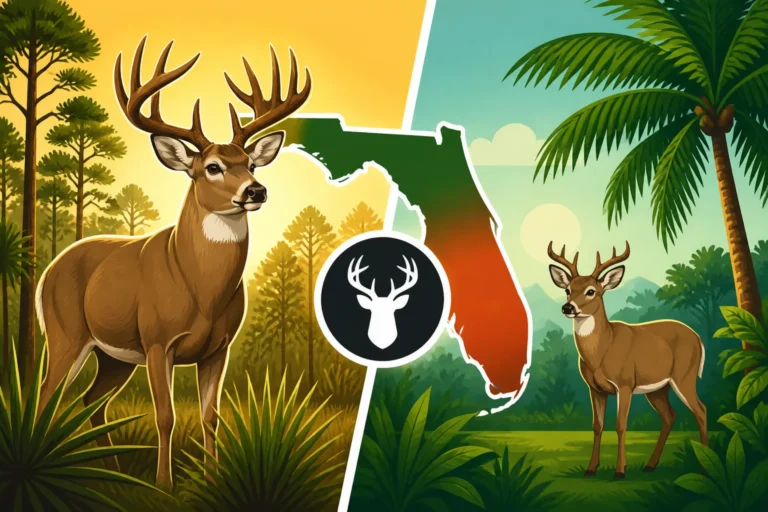
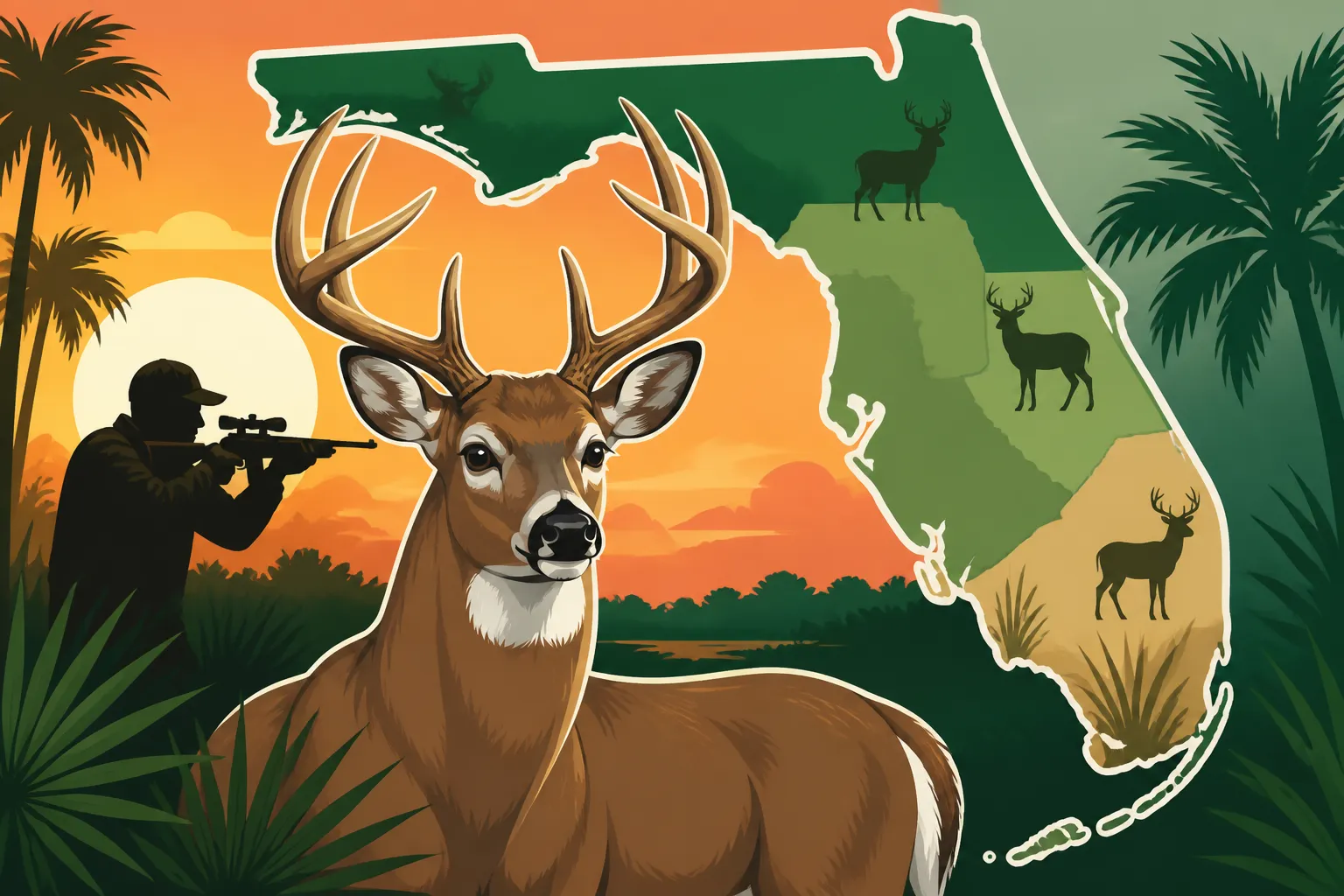
Florida's whitetail deer population isn't a monolithic entity; it's a tapestry woven with regional differences influenced by climate, habitat, and even genetics. The state is carved into four distinct deer management zones, each with its own specific regulations and, crucially, different biological timelines for deer. It’s absolutely vital to grasp these distinctions, as what works in the Panhandle might be utterly ineffective in the Everglades.
The Four Deer Management Zones
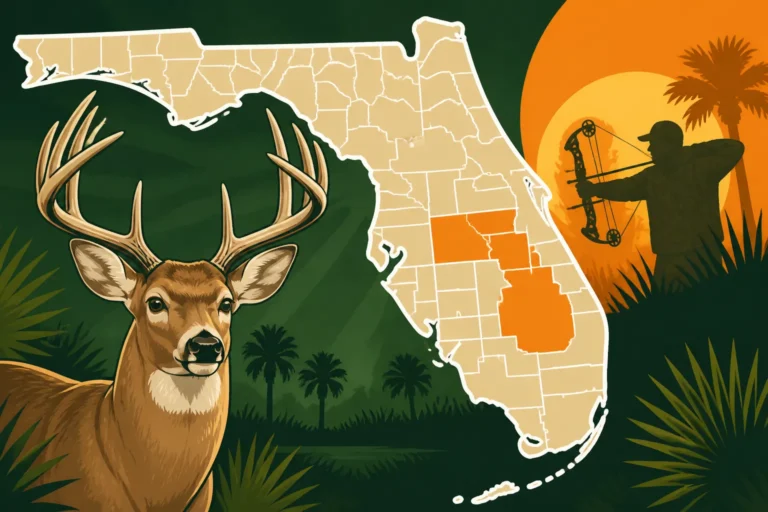
Florida is divided into four deer management zones: A, B, C, and D. These zones were established by the Florida Fish and Wildlife Conservation Commission (FWC) not just for administrative convenience, but to better manage deer populations based on distinct biological and environmental factors. For instance, the rut, or breeding season, can vary by months from one zone to another, directly impacting hunting strategies and success rates. Understanding Florida's Four Deer Management Zones Explained is your first step to planning any hunt in the state.
Zone A, encompassing much of South Florida, faces unique challenges. The growing season is almost year-round, meaning deer don't experience the same nutritional stress as their northern cousins. This can lead to different behavioral patterns and often, smaller body sizes and antler development. Zone B covers parts of the southwestern peninsula, while Zone C takes in much of Central Florida, where agriculture and urban sprawl meet wild lands. Lastly, Zone D blankets the vast Panhandle region, which shares more in common geographically and biologically with Alabama and Georgia.
The FWC's decision to segment the state into these zones acknowledges that a one-size-fits-all approach to deer management simply wouldn't work in a state with such ecological diversity. Each zone has tailored season dates, bag limits, and even antler regulations designed to promote healthy deer populations and provide quality hunting opportunities. Ignoring these zonal differences is a sure path to frustration and potentially, a violation.
Regional Differences in Deer Biology and Behavior
The most striking difference you'll encounter as a Florida deer hunter is how the rut unfolds across the state. In the Panhandle (Zone D), the rut typically peaks in October or November, much like the traditional deer states to the north. This is when bucks are most active, chasing does and laying down scrapes, making it a prime time for tactics like rattling and grunting. Knowing Hunting Florida's Zone D Fall Opener can put you in the right place at the right time.
However, as you move south into Zones C, B, and especially A, the rut dates become later, and more dispersed. In parts of Zone A, the rut might not kick off until July or August, continuing sporadically through early fall. This late rut is often attributed to the year-round availability of forage, which can desynchronize breeding cycles. This means the classic "pre-rut" and "rut" hunting phases we read about in national magazines don't always apply neatly to much of Florida, demanding a much more adaptive and patient approach.
Beyond the rut, deer behavior shifts with the habitat. In the vast pine flatwoods and palmetto scrub of Central Florida, deer might browse on different plants and use cover differently than deer living in the dense bottomland swamps of the Panhandle. Weather also plays a role; a "cold front" in Florida often means temperatures drop from 80 degrees to 60, not from 40 to 20, leading to a different metabolic response and movement pattern from the deer.
The Anatomy of a Florida Whitetail
When you picture a mature whitetail buck, you likely envision a massive-bodied animal with a wide, heavy rack. While Florida certainly produces impressive deer, the average Florida whitetail often presents a different profile, particularly in the southern half of the state. Understanding these physical characteristics is crucial for realistic expectations and effective hunting strategies.
Size and Antler Development by Region
Generally speaking, Florida whitetails tend to be smaller in body size than their northern counterparts. This trend is most pronounced in the southern zones (A and B), where mature bucks might weigh 120-150 pounds live weight, a stark contrast to the 200+ pound giants found in Midwestern states. The northern zones, particularly the Panhandle (Zone D), tend to produce larger-bodied deer, more akin to those found in Alabama or Georgia. This is often attributed to soil quality, nutritional availability, and genetics. It’s why you’ll often hear hunters discuss Why South Florida Deer Run Smaller.
Antler development follows a similar pattern. While Florida can produce some truly incredible bucks with impressive racks, the average 8-point in Florida might have a smaller spread and less mass than an 8-point from, say, Iowa. Again, this is largely due to genetics, nutrition, and age structure. Hunters shouldn't be discouraged, however; a mature Florida buck, regardless of antler size, is a formidable trophy, often earned through hard work in challenging conditions. The Boone and Crockett and Pope and Young record books do contain Florida entries, proving that big deer do exist here, but they are generally less common than in more fertile regions.
Adaptations to the Subtropical Environment
Florida deer have evolved remarkable adaptations to thrive in a subtropical climate. Unlike deer in colder climates that pack on fat reserves for winter, Florida deer are built for heat and humidity. Their coats tend to be thinner, even in winter, and they don't experience the dramatic seasonal shifts in metabolism. This means they're less driven by caloric needs in the same way northern deer are when temperatures plummet.
Their diets are incredibly varied, utilizing a wide array of forages that are available year-round. They'll browse on everything from saw palmetto berries and greenbrier to acorns and various native grasses. This abundance means food is rarely a limiting factor in Florida, which can sometimes make patterns harder to pinpoint compared to areas with distinct food sources like agricultural fields or specific mast crops. This also contributes to the variable rut, as does don't necessarily need to breed during a specific, narrow window to ensure fawn survival through a harsh winter.
Water is also abundant, particularly during the rainy season, so deer aren't often congregating around limited water sources. Instead, their movements are more dictated by preferred bedding cover, available browse, and security.
Population Dynamics and Health
Florida's deer population is robust, thriving in diverse habitats from vast national forests to small, fragmented tracts of woods near urban centers. However, like any wild population, it faces pressures and requires ongoing management to ensure its health and sustainability. The FWC continually monitors population trends, harvest data, and disease prevalence to make informed decisions that benefit both the deer and the hunting community.
Florida Deer Population Estimates
Estimating deer populations in a state as large and diverse as Florida is no small feat. The FWC uses a combination of aerial surveys, trail camera data, harvest reports, and habitat assessments to get a handle on deer numbers. While exact figures fluctuate, the overall Florida Deer Population Estimate suggests a healthy and stable population statewide. Hunters are required to report their deer harvest in Florida, which provides valuable data for management. This is why tools like the FWC's mobile app or websites that simplify the reporting process are so important.
Deer density, or the number of deer per square mile, can vary significantly depending on the habitat and specific location. Dense hardwood hammocks adjacent to agricultural fields might hold a much higher concentration of deer than vast, open pine flatwoods. Understanding Deer Density by Florida Zone helps hunters target areas more likely to hold game, especially on public lands where hunting pressure can be a factor. While some areas might feel "empty" on a given day, it's often more about finding the right spots within that habitat rather than a lack of deer.
Chronic Wasting Disease CWD Monitoring
Like many states, Florida is vigilant about Chronic Wasting Disease (CWD), a fatal neurological disease affecting deer, elk, and moose. While CWD has been found in nearby states, Florida had remained CWD-free for a long time. Unfortunately, the state did have its first confirmed case in Holmes County, leading to the creation of a CWD Management Zone. This is why the FWC has an active CWD surveillance program, encouraging hunters to submit deer heads for testing, particularly in specific counties.
Hunters play a crucial role in CWD monitoring by cooperating with check stations and voluntary sampling programs. The FWC provides clear guidelines on Florida's Single Confirmed CWD Case and how hunters can help, including rules about carcass movement out of CWD Management Zones. This collaboration is essential to detect any further spread early and implement management strategies to protect Florida's deer herd. While a confirmed case is concerning, continued vigilance and hunter participation are key to preventing widespread outbreaks.
Predation and Environmental Factors
Florida's deer face a variety of natural predators, including black bears, bobcats, coyotes, and, to a lesser extent, alligators, particularly for fawns near water. Coyotes, in particular, have expanded their range significantly across Florida and are known fawn predators. While predation is a natural part of any ecosystem, managers monitor its impact on deer populations, especially in areas with low fawn recruitment.
Environmental factors also play a critical role. Habitat loss due to development, severe weather events like hurricanes, and even controlled burns (which, while beneficial in the long run, can temporarily displace deer) all influence deer populations. The FWC strives to balance these factors through habitat restoration projects, controlled burns on public lands, and land acquisition programs to preserve critical deer habitat. This holistic approach ensures that while hunting is a management tool, the broader ecological health of the deer herd is always considered.
Hunting Seasons and Regulations
Navigating Florida's hunting regulations can feel like deciphering ancient texts at times, especially with the zonal differences. But trust me, understanding the nuances of season dates, weapon choices, and licensing is paramount to a successful and legal hunt. It’s not just about compliance; it's about optimizing your time afield when deer are most active and vulnerable.
Archery, Muzzleloader, and General Gun Seasons
Florida offers a variety of seasons to cater to different hunting preferences. The archery season is often the earliest, opening in August in Zone A, offering hunters a challenging opportunity in the heat. Learning When Florida's Zone A Archery Season Opens can get you out early. During archery season, hunters can use traditional bows, compound bows, and crossbows, giving archers plenty of options. Crossbow Hunting During Florida's Archery Season has become increasingly popular for its accessibility and effectiveness.
Muzzleloader season typically follows archery, providing another primitive weapons opportunity before the general gun season. This is a favorite for many, offering a blend of challenge and power. Finally, the general gun season, which allows for rifles, shotguns, and other legal firearms, is the longest and most popular season. The specific dates for each of these seasons vary greatly by deer management zone. For instance, Hunting Florida's Zone B Late Rut will involve completely different dates and strategies than hunting the early general gun in Zone D. Always double-check the current year's FWC hunting regulations for the exact dates in your chosen zone.
Licensing and Permits Required
To hunt deer in Florida, you'll need a combination of licenses and permits. At a minimum, resident hunters require a Florida hunting license. Non-residents will need a non-resident license, and specific options exist for short-term or annual licenses. Beyond the base hunting license, a Deer Permit is mandatory for anyone hunting deer. This permit covers antlered and antlerless deer, depending on the season and specific regulations.
If you plan to hunt on Florida Wildlife Management Areas (WMAs), a Management Area Permit is also required. Some WMAs also operate on a quota system, meaning you'll need to apply for and draw a special quota permit to hunt during specific periods or for certain species. This ensures balanced hunting pressure on these public lands. Understanding Florida Hunting Licenses and What They Cost is a critical first step for any hunter, resident or non-resident, new or experienced. It’s easy to purchase these licenses online through the FWC website or at license vendors across the state.
Bag Limits and Reporting Requirements
Florida has specific bag limits to manage deer populations effectively. Generally, the statewide bag limit is two antlered deer per season. Antlerless deer regulations vary significantly by zone and specific hunt units, often limited to specific "doe days" during general gun season or allowed during archery and muzzleloader seasons under certain conditions. Always confirm the specific antlerless regulations for your chosen hunting area.
A critical requirement in Florida is deer harvest reporting. All harvested deer must be reported to the FWC within 24 hours of taking possession of the deer. This can be done online through the FWC website or via their mobile app. This data is incredibly valuable for wildlife biologists to monitor population trends, antler development, and overall herd health. Failure to report a harvest is a violation, so make it a habit the moment your deer is down and tagged.
Effective Deer Hunting Strategies in Florida
Florida's unique environment demands a tailored approach to deer hunting. Forget some of the conventional wisdom you might have picked up from national hunting shows unless they specifically feature subtropical conditions. Here, patience, adaptability, and a deep understanding of local deer behavior will be your best allies.
Scouting and Locating Deer Sign
Scouting is paramount in Florida, especially on public lands. The vastness of some WMAs can be overwhelming, but effective scouting can narrow down productive areas. Look for traditional deer sign: tracks in sand roads, rubs on small pines or palmetto fronds, and fresh scrapes, particularly during the rutting periods for your zone. Water sources, even small ephemeral puddles or sloughs, can also concentrate deer movement, especially in drier periods.
Modern technology can be a huge asset. Applications like GoHunt offer detailed satellite imagery, public/private land boundaries, and topographic maps that are invaluable for pinpointing potential travel corridors, bedding areas, and food sources. They can help you identify subtle changes in vegetation, drainages, or old logging roads that deer might prefer. Even without cell service, many apps allow for offline map downloads, which is essential in the remote parts of Florida. Learning Scouting Florida Public Land Before Season is a game-changer for many hunters.
Don't underestimate the power of simply walking the woods. Fresh tracks can tell you a lot about recent deer activity, including direction of travel and approximate size. Pay attention to how deer navigate dense cover, as they will often create subtle trails through palmetto heads or thick brush. These are natural funnels that can be excellent ambush points.
Stand Placement and Hunting Tactics
When it comes to stand placement in Florida, you'll find ground blinds are incredibly popular, and for good reason. The dense cover often prevents long-range visibility, and a ground blind allows you to brush in effectively and remain concealed. Using a ground blind on Florida public land requires specific FWC regulations, so always check those. Elevated stands, whether ladder stands or climbers, are also effective, especially along field edges or cypress sloughs where visibility opens up a bit. Regardless of your choice, scent control is still vital, even if the wind is less predictable in flat terrain.
| Stand Type | Pros | Cons | Ideal Florida Scenarios |
|---|---|---|---|
| Ground Blind | Excellent concealment, adaptable to thick cover, easy setup. | Limited visibility, can be hot, less scent control than elevated. | Palmetto heads, thick brush lines, cypress edges, food plots. |
| Ladder Stand | Elevated view, good for long sits, relatively stable. | Heavy, difficult to move, leaves larger footprint. | Established food plot edges, hard-to-reach oak hammocks, property lines. |
| Climbing Stand | Portable, allows access to varying heights, quiet to set up. | Requires suitable trees, can be challenging in thick Florida pines/oaks. | Pine flatwoods, river bottoms with mature trees, areas requiring stealth. |
| Tripod Stand | Excellent mobility, good elevation, can be used where no trees are suitable. | Exposed to elements, can be difficult to conceal, heavier than climbers. | Open areas, cut-overs with sparse trees, large food plots. |
Tactics need to align with the season. During the early archery season in the brutal August heat, deer are mostly nocturnal, moving at first and last light. Focusing on travel corridors between bedding areas and limited food sources, or near dependable water, is key. As the rut approaches in your specific zone (which, remember, could be anywhere from July to November depending on where you are), bucks become more active during daylight hours. This is when rattling and grunting can be effective, particularly in areas with good buck-to-doe ratios. Rattling and Grunting Florida Bucks is an art form that takes practice.
Still-hunting is also a highly effective method in Florida's dense habitats. Moving slowly, stopping frequently, and using your binoculars to pick apart the shadows in the palmetto can lead to close encounters. This is particularly good for Still-Hunting Florida Palmetto Flatwoods. The key is to move against the wind and pay attention to subtle changes in terrain or vegetation that might funnel deer.
The Importance of Wind and Thermals
While Florida is relatively flat, wind and thermals still play a crucial role in deer movement and detection. Coastal breezes can be a factor, and localized thermals will often rise in the morning and fall in the evening, just like in more mountainous terrain, though perhaps less dramatically. This is especially true along water bodies or where elevation changes, however subtle, occur.
The consistent humidity means scent hangs in the air longer, making wind direction even more critical. Always hunt with the wind in your favor, especially when approaching a suspected bedding area or feeding location. Even a slight shift in wind can betray your position to a wary Florida whitetail. Don't assume that just because it's flat, the wind is predictable; swirling winds can be a real headache in dense, broken cover.
Managing the Herd and Habitat
Effective deer management in Florida is a continuous, dynamic process involving wildlife biologists, land managers, and, crucially, hunters. It's about more than just setting seasons; it's about fostering healthy habitats and sustainable populations for future generations.
Public Land Management Efforts
Florida boasts an impressive amount of public land managed for wildlife, including numerous Wildlife Management Areas (WMAs), National Forests, and State Forests. These lands are actively managed to enhance deer habitat through a variety of tools. Prescribed burns are a common and vital practice, reducing fuel loads, preventing catastrophic wildfires, and stimulating new, nutritious growth for deer and other wildlife. Timber thinning and selective harvesting also create diverse habitat structures, opening up the canopy for understory growth while providing cover.
The FWC works tirelessly on these public lands to provide quality hunting opportunities. This includes maintaining access roads, planting food plots (where appropriate), and conducting biological surveys. Hunter participation in quota hunts and the general reporting of harvested deer directly contributes to these management efforts, providing invaluable data. If you’re considering Hunting Florida's Green Swamp, you’ll see evidence of this active management firsthand.
Private Land Stewardship
While public lands are crucial, a significant portion of Florida's deer habitat exists on private lands, including large ranches, timberlands, and even smaller private parcels. Private landowners play an enormous role in deer management through their stewardship practices. Many private lands participate in Quality Deer Management (QDM) programs, focusing on balancing age structure, nutrition, and genetics to produce healthier deer and better hunting opportunities.
This can involve planting specific food plots tailored to Florida's climate, implementing selective timber harvest, managing prescribed fires, and controlling predator populations where appropriate. Organizations like the Quality Deer Management Association (now part of the National Deer Association) provide resources and guidance for landowners interested in enhancing their deer habitat. Many hunting clubs and leases operate on these private lands, often with specific goals for deer management beyond simply harvesting a buck.
Future Challenges and Opportunities
Florida's deer herd faces ongoing challenges, primarily habitat loss due to continued development and the ever-present threat of disease like CWD. Climate change also presents long-term considerations, potentially altering rainfall patterns, vegetation, and the frequency of severe weather events.
However, there are also significant opportunities. Continued research into deer biology and behavior in subtropical environments helps refine management strategies. The increasing popularity of hunting, particularly among new hunters, provides a strong base of support for conservation efforts. The FWC's adaptive management approach, where strategies are continually reviewed and adjusted based on scientific data and public input, positions Florida well to address these challenges and ensure a healthy, huntable deer population for generations to come. The future of White-Tailed Deer Across Florida hinges on our collective commitment to responsible management and ethical hunting.
Disclaimer
Please remember that hunting regulations, season dates, and license requirements can change. Always consult the most current Florida Fish and Wildlife Conservation Commission (FWC) regulations before planning or engaging in any hunting activities. This guide is for informational purposes only and should not replace official FWC documentation.