Florida Hunting Licenses and What They Cost
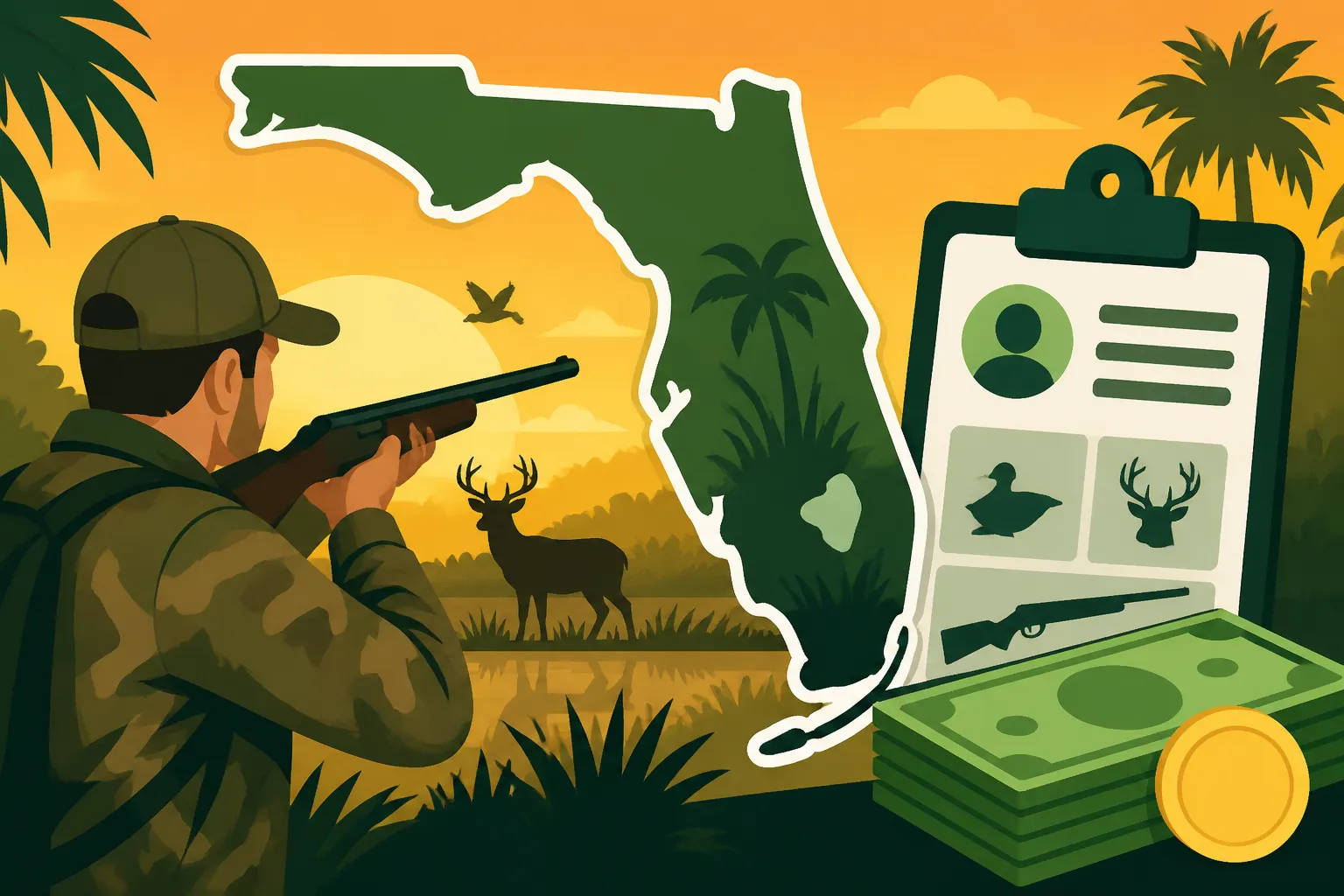
Ever felt like you need a Ph.D. just to figure out what hunting license you actually need in Florida? You're definitely not alone. The Sunshine State offers an incredible array of hunting opportunities, from white-tailed deer and feral hogs to Osceola turkeys and alligators. However, navigating its intricate licensing and permitting system can be a real head-scratcher, leaving many hunters frustrated and confused. This comprehensive guide is here to untangle the complexities, breaking down all the Florida hunting licenses and their associated costs, ensuring you're legal and ready for the field without the guesswork.
Why Florida's Licensing System Can Feel Like a Maze
Florida’s hunting regulations are designed to manage a vast and diverse wildlife population across a wide range of habitats, from dense cypress swamps to open pine flatwoods and agricultural fields. This diversity, while offering incredible hunting experiences, naturally leads to a more nuanced licensing structure than you might find in some other states. It’s not just about buying one stamp and being done; it's about layering licenses, endorsements, and permits to match your specific hunting goals.
The Rationale Behind Florida's Complex Structure
At its heart, the Florida Fish and Wildlife Conservation Commission (FWC) uses this multi-layered system for a few key reasons, all centered on conservation and effective wildlife management. First, it helps fund crucial conservation efforts. Every dollar spent on a license, stamp, or permit goes back into habitat restoration, wildlife research, law enforcement, and public land acquisition. Without these funds, the incredible hunting opportunities we cherish simply wouldn't exist.
Secondly, the system allows for precise management of specific species and hunting methods. For instance, separate endorsements for archery or muzzleloader seasons help the FWC track participation and harvest data for those specialized periods, which can be critical for maintaining healthy deer populations. Similarly, species-specific permits, like those for alligators or bears, enable the state to set quotas and manage harvest rates to prevent overpopulation in some areas and ensure long-term sustainability in others. It's a balancing act that requires detailed data and controlled access. This is why you'll find different seasons and regulations across the state, such as those detailed in our guide on Why Florida's Deer Seasons Vary So Much by Zone.
Common Pitfalls for New and Experienced Hunters Alike
Even seasoned hunters can get tripped up by Florida's licensing system. One of the most common mistakes is simply assuming a "general hunting license" covers everything. It rarely does. A base hunting license is just that – a foundation. If you plan to hunt deer with a bow during archery season, you’ll need an archery endorsement. If you’re targeting migratory birds like doves or ducks, you’ll need a Florida Migratory Bird Permit and a Federal Duck Stamp, along with your base license. For public lands, like Wildlife Management Areas (WMAs), an additional WMA Management Area Permit is almost always required.
Another frequent pitfall is misunderstanding the differing requirements for residents versus nonresidents, or overlooking the need for specific permits for species like alligators or bears, which are often drawn through a lottery system. Many hunters also forget the mandatory Hunter Education requirement for anyone born after May 31, 1975, or fail to properly complete the free Migratory Bird Hunter Information Program (HIP) certification. Missing any of these pieces can lead to fines, confiscated game, and a ruined hunt, so understanding each layer is absolutely crucial before you head afield.
Understanding the Different License Types
Before we dive into the nitty-gritty of costs, it’s vital to grasp the core components of Florida’s hunting license structure. Think of it like building blocks: you start with a base, and then you add the specific tools (endorsements and permits) you need for your particular hunting adventure.
The Foundation: Base Hunting Licenses
The base hunting license is your fundamental entry ticket to most hunting activities in Florida. Whether you’re a resident or a nonresident, and regardless of what species you’re pursuing, you almost always need to start here. This license permits you to hunt most small game, wild hogs (with some specific caveats), and furbearers, provided you are using legal methods during open seasons. It's the bare minimum required to legally participate in hunting in the state.
Without a current base hunting license, any additional stamps or endorsements you purchase are essentially void for general hunting activities. It's the cornerstone of your legal hunting status. For example, if you plan to hunt deer during Florida's general gun season, your base hunting license, along with a deer permit, will cover you. It’s a foundational element that ensures you’re contributing to conservation efforts and are officially recognized as a hunter within the state's regulatory framework.
Add-Ons: Endorsements and Stamps
Once you have your base hunting license, you'll likely need to start adding endorsements and stamps based on what and how you plan to hunt. These "add-ons" specify your eligibility for certain species, seasons, or weapon types. Common endorsements include:
- Archery Endorsement: Required if you plan to hunt during the dedicated archery seasons, allowing you to use a bow or crossbow. If you're considering Crossbow Hunting During Florida's Archery Season, this endorsement is essential.
- Muzzleloader Endorsement: Necessary for participating in the special muzzleloader seasons, giving you an extended opportunity to hunt deer before general gun season.
- Florida Turkey Permit: A must-have if you're chasing either Osceola or Eastern turkeys, whether during the spring or fall seasons.
- Florida Migratory Bird Permit (HIP Certification): This free but mandatory certification is required in addition to a Federal Duck Stamp for hunting migratory birds like ducks, geese, doves, woodcock, and snipe.
- Federal Duck Stamp: This isn't a state endorsement but a federal requirement for hunting waterfowl anywhere in the U.S. It's purchased separately but is absolutely crucial for duck and goose hunters in Florida.
Each of these endorsements and stamps addresses a specific management need, ensuring that activities with a higher impact on certain populations or requiring specialized monitoring are properly accounted for. They provide the FWC with more granular data, which directly informs future season structures and bag limits, all aimed at ensuring sustainable hunting for generations to come.
The WMA Permit Requirement
For many hunters, especially those who rely on public land, the Wildlife Management Area (WMA) Management Area Permit is another non-negotiable addition. Florida boasts an impressive amount of public hunting land, with a significant portion managed as WMAs. While these areas offer fantastic opportunities, they come with unique management challenges due to varying habitat types and hunting pressure.
The WMA permit helps fund the intensive management practices required on these public lands, including habitat improvements, road maintenance, and enforcement. Importantly, it's typically required in addition to your base hunting license and any species-specific endorsements if you intend to hunt on a WMA. There are some exceptions, such as federal lands like national forests (Ocala National Forest or Apalachicola National Forest), which often don't require the state WMA permit but may have their own specific regulations or permits. Always check the specific WMA regulations for the area you plan to hunt, as some even require special quota permits for certain hunts. Our detailed guide on The Florida WMA Management Area Permit provides a deeper dive into this often-misunderstood requirement.
Florida Resident License Options and Their Costs
For those lucky enough to call the Sunshine State home, Florida offers a variety of hunting license options, ranging from annual renewals to long-term investments like lifetime licenses. Understanding these choices can save you money and ensure you're covered for all your outdoor pursuits.
Annual Resident Licenses and Their Price Tag
The most common option for Florida residents is the annual hunting license. This provides the base eligibility for hunting most legal game species, with the understanding that you'll add specific endorsements as needed. Here's a breakdown of the typical costs:
- Annual Hunting License: This is your foundational permit, allowing you to hunt small game, hogs, and furbearers. For residents, this generally costs around $17.00.
- Annual Gold Sportsman's License: This is the ultimate convenience package for residents. It bundles your annual hunting, freshwater fishing, saltwater fishing, and all major endorsements (deer, turkey, archery, muzzleloader, waterfowl, snook, lobster) into one convenient purchase. It's a significant saving if you participate in multiple outdoor activities, costing approximately $100.00. This license also includes the WMA Management Area Permit, making it a truly comprehensive option for public land hunters.
- Annual Hunting & Freshwater Fishing License: For those who enjoy both disciplines but don't need saltwater privileges, this combo is available for about $32.50.
- Annual Deer Permit: Required for taking deer, this permit is around $5.00.
- Annual Florida Turkey Permit: If you're chasing gobblers, this costs about $10.00.
These annual options are valid for 12 months from the date of purchase, not necessarily for a calendar year, so keep that in mind when planning your season. They are designed to be affordable and accessible, promoting participation in hunting while ensuring adequate funding for wildlife management.
Multi-Year and Lifetime Options for Long-Term Hunters
For residents with a long-term commitment to hunting and fishing in Florida, the state offers excellent multi-year and lifetime license options that can provide significant savings and peace of mind. These are fantastic investments, especially for younger hunters, as they lock in current prices and eliminate the hassle of annual renewals.
- Five-Year Licenses: You can purchase a 5-Year Hunting License for around $79.00, or a 5-Year Gold Sportsman's License for approximately $499.00. These offer a slight discount compared to buying five individual annual licenses and provide stability for those who know they'll be hunting in Florida for the foreseeable future.
- Lifetime Licenses: These are the pinnacle of convenience and value for dedicated Florida outdoors enthusiasts. A Lifetime Hunting License costs approximately $301.50 for a child under 5, $501.50 for ages 5-12, and $751.50 for ages 13+. A Lifetime Gold Sportsman's License, which covers virtually everything, ranges from $401.50 (under 5) to $1,001.50 (ages 13+). These licenses are valid for the holder’s entire life, regardless of future price increases. Imagine never having to worry about renewing your hunting license again, and knowing you've made a one-time contribution to conservation that will last forever. Our guide on Florida Lifetime License Options covers these valuable choices in more detail.
These long-term options truly represent a commitment to Florida's natural resources, providing a stable funding source for the FWC and ensuring hunters can enjoy the state's wild places for decades to come.
Specific Resident Endorsements and Their Costs
Beyond the base licenses and the comprehensive Gold Sportsman's package, residents will often need specific endorsements depending on their hunting pursuits. These are typically smaller fees but are absolutely mandatory for participating in specialized seasons or for certain species.
- Archery Endorsement: If you want to take advantage of the early archery seasons for deer and hogs, this endorsement costs around $5.00. It's a small price for an extended opportunity in the woods.
- Muzzleloader Endorsement: Similar to archery, the muzzleloader endorsement opens up dedicated seasons, often providing an advantage before the general gun season. This also runs about $5.00.
- Florida Migratory Bird Permit (HIP Certification): This one is free but still required annually for anyone hunting migratory birds. You simply certify that you hunt these species, which helps the U.S. Fish and Wildlife Service gather critical data.
- Waterfowl Permit: Separate from the HIP certification, this state permit is required for hunting ducks and geese and costs about $5.00. Don't forget, you'll also need a Federal Duck Stamp, which is usually around $25.00.
- WMA Management Area Permit: If you're not getting a Gold Sportsman's License, and you plan to hunt on designated Wildlife Management Areas, this permit is required and costs around $26.50. This allows you access to millions of acres of public hunting land, a true gem of Florida's outdoor offerings. Remember, tools like GoHunt can be incredibly useful for locating WMAs and understanding their boundaries.
It's crucial to purchase these endorsements before you head out, as game wardens frequently check for compliance. Being prepared with the correct permits not only keeps you legal but also ensures your contributions are accurately recorded, aiding in the FWC's ongoing management efforts.
Florida Nonresident License Options and Their Costs
Florida is a popular destination for nonresident hunters looking to experience unique opportunities like an Osceola turkey hunt or a challenging gator hunt. However, nonresident licenses come with a different structure and higher price tag, reflecting the investment Floridians make in managing their state's resources.
Short-Term Versus Annual Nonresident Licenses
For nonresidents, Florida offers flexibility with short-term and annual license options, allowing hunters to choose what best fits the length and frequency of their trips.
- 3-Day Hunting License (Nonresident): This is ideal for a quick weekend trip, perhaps for a hog hunt or a short small game pursuit. It costs around $46.50. This option does not include the WMA permit, or any species-specific endorsements like turkey or deer, which would need to be purchased separately.
- 7-Day Hunting License (Nonresident): For a full week-long hunting adventure, this license is a better fit. It costs approximately $79.50. Like the 3-day option, it's a base license, so you'll still need to add any necessary endorsements. This can be a great choice for someone specifically coming to bag an Osceola turkey during the spring season.
- Annual Hunting License (Nonresident): If you plan on making multiple hunting trips to Florida within a 12-month period, or if your trip extends beyond seven days, the annual license becomes more cost-effective. It runs about $151.50. This provides the base hunting privilege for a full year from the date of purchase, making it a wise investment for frequent visitors.
Choosing between these depends heavily on your travel plans. A single, short trip might make the 3-day or 7-day license attractive, but even two week-long trips within a year could quickly justify the annual option. Always consider your potential number of hunting days when deciding.
Nonresident Endorsements: What You Need to Know
Just like residents, nonresidents need specific endorsements for certain species and weapon types. However, the costs for these endorsements are generally higher for nonresidents, contributing proportionally more to the state's conservation budget.
- Nonresident Archery Endorsement: Required for hunting during the archery season, this costs around $16.00.
- Nonresident Muzzleloader Endorsement: If you plan to hunt during the muzzleloader season, this endorsement will cost you about $16.00.
- Nonresident Florida Turkey Permit: This is a significant expense for nonresidents, as Florida's Osceola turkeys are a highly sought-after trophy. This permit costs approximately $126.50. If you're traveling a long distance for this specific bird, this cost is a necessary part of the experience. Our guide on Florida Nonresident Turkey Permit Cost dives deeper into this specific permit.
- Nonresident Deer Permit: Required for deer harvest, this permit costs approximately $31.50.
These nonresident endorsement fees ensure that visitors, who are not contributing to the state's general tax base, still contribute substantially to the management of Florida's wildlife populations, especially for popular game species that draw hunters from across the country.
Understanding the Total Cost for a Nonresident Hunt
When planning a nonresident hunting trip to Florida, it's easy to overlook the cumulative cost of all the necessary licenses and permits. You need to factor in your base license (3-day, 7-day, or annual), any specific weapon endorsements (archery, muzzleloader), species-specific permits (deer, turkey), and almost certainly a WMA Management Area Permit if you're hunting public land.
For example, imagine you're a nonresident planning a week-long hunt in a Florida WMA, targeting both deer and turkeys during the spring season using a shotgun. Your breakdown might look something like this:
- 7-Day Nonresident Hunting License: $79.50
- Nonresident Florida Turkey Permit: $126.50
- Nonresident Deer Permit: $31.50
- WMA Management Area Permit: $26.50
- Federal Duck Stamp (if applicable for other migratory birds): ~$25.00
- Florida Migratory Bird Permit (HIP, if applicable): Free (but still needed)
Total Estimated Cost (excluding Federal Duck Stamp if not needed): $264.00
This doesn't include travel, lodging, guides, or gear. It's a substantial investment, but one that provides access to Florida's incredible hunting diversity. Always use the FWC website or a reputable outdoor resource like GoHunt to verify current prices before your trip, as they can occasionally change. This careful planning is especially important if you're looking at the Total Cost for a Nonresident WMA Hunt, where multiple permits can add up quickly.
Essential Endorsements and Permits You Might Need
Beyond the basic hunting license, Florida has a suite of essential endorsements and permits tailored to specific hunting scenarios. These aren't just bureaucratic hurdles; they are critical tools for managing particular game species, regulating specific hunting methods, and ensuring compliance with federal mandates.
Migratory Bird Hunting and the HIP Certification
If you're planning to hunt any migratory game birds in Florida – think doves, ducks, geese, woodcock, or snipe – you'll need two very specific items: the Federal Duck Stamp and the state's Migratory Bird Hunter Information Program (HIP) certification.
The Federal Duck Stamp is a national requirement. While it's issued by the U.S. Fish and Wildlife Service, you can purchase it at most post offices, many outdoor retailers like Bass Pro Shops or Academy Sports, or online through the FWC GoOutdoorsFlorida website. This stamp typically costs around $25.00, and 98% of the proceeds go directly to purchasing and conserving wetland habitats across the U.S. It's a vital piece of conservation funding. Our guide on Florida Federal Duck Stamp Requirement covers this in more detail.
The Florida Migratory Bird Permit (HIP Certification) is a free, state-specific certification that you must complete annually. When you buy your license, you'll be asked if you intend to hunt migratory birds. Answering "yes" enrolls you in the program. This certifies your participation and provides the FWC and USFWS with data on the number of migratory bird hunters, which is essential for setting seasons and bag limits. Even if you only plan to hunt doves during the Pass-Shooting Doves on a September Field opener, you need both the Federal Duck Stamp and the HIP certification.
Specialized Weapons Endorsements: Archery and Muzzleloader
Florida offers dedicated seasons for archery and muzzleloader hunters, providing opportunities to pursue deer and other game before the general gun season opens. To participate in these exclusive seasons, you'll need the corresponding endorsement, even if you possess a general hunting license.
- Archery Endorsement: This endorsement (around $5.00 for residents, $16.00 for nonresidents) is required to legally hunt during the designated archery seasons. These seasons typically open earlier than general gun, offering a quieter, more intimate hunting experience. While crossbows are generally allowed during archery season in Florida, you still need this endorsement. It's not about the specific equipment as much as the designated season.
- Muzzleloader Endorsement: Similar to archery, the muzzleloader endorsement (around $5.00 for residents, $16.00 for nonresidents) grants you access to specific muzzleloader-only seasons. These seasons also usually precede the general gun season, providing another unique opportunity to pursue game with traditional firearms. Our guide on Muzzleloader Deer Hunting in Florida covers everything you need to know about this specific method.
It's important to remember that these endorsements are for the special seasons. If you decide to use a bow or muzzleloader during the general gun season, you typically only need your base hunting license and a deer permit (if targeting deer), as long as the weapon is legal for the general gun season. However, most hunters purchase these endorsements to take full advantage of the extended early seasons.
Species-Specific Permits: Alligator, Bear, and Turkey
Some of Florida's most iconic hunting opportunities require more than just a general endorsement; they demand species-specific permits, often obtained through a lottery or special application process due to limited quotas and high demand.
- Alligator Harvest Permits: Florida boasts a thriving alligator population, and guided hunts are extremely popular. To participate in the statewide alligator harvest program, you must apply for a permit, which is typically distributed through a lottery system. If successful, you'll receive an alligator harvest permit and CITES tags. The application period and costs vary, but residents generally pay around $27.00 for the permit plus the cost of tags, while nonresidents pay significantly more (around $272.00 plus tags). The demand is incredibly high, so drawing a permit can be challenging. Our comprehensive guide on Florida Alligator Permit Application Period Dates provides all the details on applying for this thrilling hunt.
- Bear Harvest Permits: While bear hunting seasons have been more intermittent in Florida due to population management, when a season is approved, a special permit is always required. These permits are typically issued via a lottery system to manage harvest quotas across Florida's bear management units. The cost for a bear permit is usually around $100.00 for residents and $300.00 for nonresidents. Keep a close eye on FWC announcements for any upcoming bear seasons, and our guide on Florida Bear Permit Application Window will keep you informed on application deadlines.
- Florida Turkey Permits: While we covered this under resident and nonresident endorsements, it bears repeating due to its species-specific nature. For both Osceola and Eastern turkeys, a separate permit is required. This is about $10.00 for residents and $126.50 for nonresidents. Given the iconic status of the Osceola turkey, this permit is highly sought after, especially for hunters looking to complete their Grand Slam. Understanding Florida Osceola Zone Turkey Permit Rules is crucial for anyone targeting these birds.
These specialized permits ensure that harvest levels are closely monitored and controlled, protecting these unique and valuable populations while still allowing for sustainable hunting opportunities.
Special Licenses and Discounts for Specific Groups
Florida understands that hunting is a passion shared across generations and demographics. To encourage participation and recognize the contributions of certain groups, the state offers various special licenses and discounts, making hunting more accessible to youth, military personnel, disabled hunters, and seniors.
Youth Hunting Opportunities and Apprentice Licenses
Florida is committed to fostering the next generation of hunters, and its regulations reflect this with special provisions for youth.
- Youth Hunting Days: The FWC designates special youth hunting days for certain species, like deer and turkey, usually preceding the general season opener. These days allow licensed youth (typically 15 years old and younger) to hunt under the supervision of a non-hunting adult. It's a fantastic way to introduce young hunters to the outdoors with less pressure. Our guide on Florida Youth Deer Hunt Rules offers more information on these invaluable opportunities.
- Apprentice Hunter License: For new hunters, regardless of age, who haven't completed a hunter education course, Florida offers an Apprentice Hunter License. This license allows you to hunt for one year under the supervision of a licensed adult (21 years or older). It's a "try before you buy" approach, allowing individuals to experience hunting firsthand before committing to a full hunter education course. This is a great way to get started, and our article on Florida Mentored Youth Hunting Rules explains the supervision requirements in detail. The cost for this is typically the same as an annual base license for residents or nonresidents.
- Kids' Fishing and Hunting Licenses: Florida offers free hunting and fishing licenses for children under 16, though they still need to adhere to bag limits and other regulations. This is an incredible incentive to get children involved in outdoor traditions from an early age.
These programs are vital for ensuring the future of hunting and conservation by providing supervised, accessible, and often free or reduced-cost entry points for young people and new participants.
Military, Disabled, and Senior Hunter Discounts
Florida recognizes the service of its military personnel, the challenges faced by disabled individuals, and the lifetime contributions of its senior citizens by offering significant discounts and exemptions.
- Military Discounts: Active duty military personnel who are residents of Florida, and even some non-resident military stationed in Florida, often qualify for resident license prices. Additionally, Purple Heart recipients and disabled veterans with a service-connected disability of 50% or more are often eligible for a free "Gold Access" card, which provides a host of hunting and fishing privileges. Our guide on Florida Military Hunting License Discounts can provide more specific details on eligibility and how to apply.
- Disabled Hunter Permits: Florida provides various permits and exemptions for hunters with disabilities, allowing them to continue enjoying the outdoors. This can include permits for using special vehicles, assistance with certain methods, or reduced-cost licenses. The specific requirements vary based on the nature of the disability. The "Persons with Disabilities Hunting and Fishing License" offers comprehensive privileges for a reduced fee. For detailed information, consult our resource on Florida Disabled Hunter Permit Options.
- Senior Citizen Licenses: Florida residents 65 years of age or older can obtain a Resident 65+ Hunting and Fishing License for free. This comprehensive license covers hunting, freshwater fishing, and saltwater fishing, along with most state endorsements. It's a wonderful gesture to honor lifelong residents and ensure they can continue their outdoor pursuits without financial burden. This doesn't include federal requirements like the Federal Duck Stamp, however.
These special provisions are a testament to Florida's commitment to inclusive outdoor recreation, ensuring that everyone, regardless of age, ability, or service, has the opportunity to participate in hunting.
Landowner Permits and Agricultural Exemptions
For private landowners, especially those involved in agriculture or significant land management, Florida has specific provisions and exemptions designed to help them manage wildlife on their property. These aren't general hunting licenses but rather specialized permits.
- Landowner Deer Permits: In some instances, private landowners may be eligible for specific deer harvest permits or exemptions from certain antler point restrictions, particularly if they are engaged in deer management programs or if deer populations are causing significant agricultural damage. These are usually tied to specific land management plans approved by the FWC. Our article on Florida Landowner Deer Permit Rules goes into more depth on these unique situations.
- Nuisance Wildlife Permits: While not a hunting license in the traditional sense, landowners experiencing damage from nuisance wildlife (like excessive feral hogs, coyotes, or sometimes even deer) can often obtain permits to remove these animals outside of regular hunting seasons. This is especially true for feral hogs, which are often considered nuisance animals and can be trapped or hunted year-round without a bag limit on private land, sometimes even without a hunting license if they are solely being removed as a nuisance by the landowner. Our guide on Trapping Feral Hogs on Florida Private Land details some of these practices.
These specific permits and exemptions highlight the FWC's pragmatic approach to wildlife management, recognizing the unique challenges and responsibilities faced by landowners in a state with abundant wildlife.
How to Purchase and Carry Your Florida Hunting License
Acquiring your Florida hunting license and ensuring you have proper proof of it is a straightforward process, thanks to modern technology and multiple convenient options. However, knowing the best way to do it and what constitutes legal proof can save you a headache in the field.
Online, Phone, and In-Person Purchase Options
The FWC has made it easy to purchase your hunting licenses and permits, offering several avenues to suit your preferences:
- Online: The most popular and often most convenient method is through the FWC's official GoOutdoorsFlorida.com website. Here, you can purchase all types of licenses, endorsements, and permits, renew existing ones, and manage your account. The site is user-friendly and available 24/7. It's often the quickest way to ensure you're compliant before a last-minute trip. This is especially useful for quickly checking the Florida License Year Start Date or securing a Florida WMA Quota Permit Application Window.
- By Phone: You can also call the FWC customer service line at 888-HUNT-FLORIDA (888-486-8359). This is a good option if you have specific questions or prefer to speak with a representative. Keep your credit card handy, and they can process your purchase over the phone.
- In-Person: For those who prefer a face-to-face transaction or need a physical printout immediately, licenses can be purchased at various locations across the state. This includes county tax collector's offices, and authorized license agents, which are often found in major retail chains like Walmart or Kmart, and independent sporting goods stores. These agents can print your license on the spot. Our guide on Buying Florida Permits Online Versus by Phone discusses the pros and cons of each method.
No matter which method you choose, always double-check that you've selected all the necessary licenses and endorsements for your planned hunting activities.
The Importance of Proof and Digital Carrying Options
Once you've purchased your license, carrying proof of it is non-negotiable when you're in the field. Florida law requires hunters to have their license and any required permits/stamps in their possession while hunting.
- Physical Printout: If you purchase online or by phone, you can print a copy of your license and keep it with you. If you buy in-person, you'll receive a physical card or printout. Many hunters laminate their paper licenses to protect them from the elements.
- Digital Proof via the FWC App: In a nod to modern convenience, Florida allows digital proof of licenses. The FWC offers a free Fish|Hunt Florida mobile app (available on iOS and Android). You can log into your account through the app, and it will display all your current licenses and permits. This acts as legal proof and is incredibly handy, as most hunters carry their phones anyway. It’s a great way to avoid losing a paper license and can even help you track seasons and regulations. Our article on Carrying Proof of License on Your Phone delves into how to best utilize this feature.
Even with digital options, it's always a good idea to have a backup, such as a screenshot on your phone or a printed copy in your truck, especially if you're hunting in areas with poor cell service. Being able to quickly and clearly present your licenses to a game warden is a sign of a responsible hunter.
Understanding License Validity and Renewal
Most Florida hunting licenses are valid for a period of 12 months from the date of purchase. This means if you buy your license on August 1st, 2024, it will be valid until July 31st, 2025. This differs from states that operate on a calendar year or a specific season year (e.g., July 1st to June 30th).
It's crucial to keep track of your license's expiration date, especially if you hunt multiple times throughout the year. The FWC will often send email reminders if you have an online account, but ultimately, it's the hunter's responsibility to ensure their license is current. Renewing is as simple as purchasing a new license through any of the methods described above. For those with multi-year or lifetime licenses, renewals are obviously less frequent or non-existent, offering significant convenience. Ensure you are aware of How Long a Florida License Stays Valid to avoid any surprises.
Navigating the Quota Hunt System and WMA Permits
Public land hunting is a cherished tradition in Florida, offering diverse landscapes and game. However, much of this public access falls under the Wildlife Management Area (WMA) system, which often involves a "quota hunt" system. This can be confusing for newcomers but is vital for managing hunting pressure and ensuring quality experiences.
What is a Quota Permit and Why You Need One
A Quota Permit is an additional permit required for hunting specific periods or species on many Florida WMAs. Unlike a general WMA Management Area Permit (which grants basic access to WMAs that don't have quota hunts), a quota permit dictates when and where you can hunt during highly sought-after seasons or in areas with limited carrying capacity.
The primary purpose of the quota system is to distribute hunting pressure. If every hunter could show up to a popular WMA on opening day of general gun season, the experience would be overcrowded, potentially unsafe, and detrimental to wildlife populations. By limiting the number of hunters through quotas, the FWC can:
- Reduce Crowding: Ensure a more enjoyable and safer experience for hunters.
- Manage Harvest: Prevent overharvest of game species in particular areas.
- Improve Quality: Allow deer to mature and populations to thrive, leading to better hunting over time.
Think of it as a lottery ticket for a prime hunting opportunity. If you secure a quota permit, it's your golden ticket for that specific WMA, season, and hunt type. Tools like GoHunt can display WMA boundaries and can sometimes offer insights into popular quota hunts.
The Application Process and Lottery System
Applying for quota permits is a key part of hunting Florida's public lands. The process is centralized and typically involves a lottery system due to demand often exceeding availability.
- Application Window: The FWC designates specific application periods for various quota hunts throughout the year. These windows are strictly enforced, so missing a deadline means missing out on a draw. It's crucial to consult the FWC's hunting regulations booklet or their website for current application dates. Our guide on Florida WMA Quota Permit Application Window provides these critical dates.
- Online Application: Applications are almost exclusively submitted online through the GoOutdoorsFlorida.com portal. You'll log in, select the hunts you're interested in, and pay a small application fee per choice.
- Preference Points: Florida utilizes a preference point system for many quota hunts. For every year you apply for a specific hunt type (e.g., a deer hunt on a WMA) and are unsuccessful in the drawing, you accrue a preference point. These points increase your odds in subsequent draws, giving loyal applicants a better chance over time. It rewards persistence!
- Drawing and Notification: After the application period closes, the FWC conducts a random drawing. Successful applicants are notified, and their permits become available online. Unsuccessful applicants retain their preference points for the next year.
It's a system that takes some getting used to, but it's fair and ensures that everyone has an opportunity, with long-term participants receiving a slight advantage. Knowing the Florida WMA Quota Permit Draw Odds can help manage expectations.
Special Considerations for National Forests and State Forests
While many public hunting lands are designated as WMAs and fall under the quota system, Florida also has significant tracts of National Forests (like Ocala and Apalachicola) and State Forests that offer hunting opportunities. These often operate under slightly different permitting rules.
- National Forests: Generally, federal lands like the Ocala National Forest or the Apalachicola National Forest do not require the state WMA Management Area Permit. However, you still need your base Florida hunting license and any applicable species-specific endorsements (deer, turkey, archery, muzzleloader). It's vital to check the specific regulations for each National Forest, as they might have unique rules regarding vehicle access, camping, or other activities. These areas can be excellent for a more self-guided experience, allowing you to focus on Scouting Florida Public Land Before Season.
- State Forests: Many State Forests in Florida allow hunting, and their requirements often fall somewhere between WMAs and National Forests. Some State Forests operate under WMA rules and require a WMA permit, while others may have their own specific permit requirements or operate under general statewide hunting regulations. It's imperative to consult the FWC regulations and the specific State Forest's rules before planning your hunt. For instance, some state forests might have a permit system where a certain number of permits are sold first-come, first-served, rather than through a lottery.
Always, always consult the most current FWC regulations and the specific land management unit's rules before you go. This will ensure you have the correct licenses and permits, making your public land hunt enjoyable and legal.
Florida Hunting License and Permit Cost Summary Table
To help you quickly reference the typical costs, here’s a table summarizing common resident and nonresident hunting licenses and key endorsements. Please remember that these are approximate costs and can change, so always verify on the official FWC GoOutdoorsFlorida website.
| License/Permit Type | Resident Annual Cost | Nonresident Annual Cost |
|---|---|---|
| Base Hunting Licenses | ||
| Annual Hunting License | $17.00 | $151.50 |
| 3-Day Hunting License | N/A | $46.50 |
| 7-Day Hunting License | N/A | $79.50 |
| Gold Sportsman's License (Annual) | $100.00 | N/A |
| Endorsements & Permits | ||
| Deer Permit | $5.00 | $31.50 |
| Florida Turkey Permit | $10.00 | $126.50 |
| Archery Endorsement | $5.00 | $16.00 |
| Muzzleloader Endorsement | $5.00 | $16.00 |
| WMA Management Area Permit | $26.50 | $26.50 |
| Florida Migratory Bird Permit (HIP) | Free | Free |
| State Waterfowl Permit | $5.00 | $5.00 |
| Federal Duck Stamp (Additional) | ~$25.00 | ~$25.00 |
| Alligator Harvest Permit (Lottery) | ~$27.00 (+ tags) | ~$272.00 (+ tags) |
| Bear Harvest Permit (Lottery, when avail.) | ~$100.00 | ~$300.00 |
| Lifetime & Multi-Year (Resident Only) | ||
| Lifetime Hunting (Age 13+) | ~$751.50 | N/A |
| Lifetime Gold Sportsman's (Age 13+) | ~$1,001.50 | N/A |
| 5-Year Hunting License | $79.00 | N/A |
Note: Gold Sportsman's Licenses and Lifetime Gold Sportsman's Licenses include most state endorsements and the WMA Management Area Permit.
Disclaimer
The information provided in this guide is intended for general informational purposes only and is subject to change. While we strive to keep our content up-to-date and accurate, hunting regulations, license costs, and season dates are determined by the Florida Fish and Wildlife Conservation Commission (FWC) and can be modified at any time. It is the individual hunter's responsibility to verify all current regulations, license requirements, and season dates directly with the FWC before engaging in any hunting activities. Always refer to the official FWC website (MyFWC.com or GoOutdoorsFlorida.com) and the current Florida hunting regulations handbook for the most accurate and up-to-date information.